

Care Challenges for Bed-Bound Woman on Mull
An 85-year-old woman living on the Isle of Mull, who is bed-bound, has faced the prospect of being relocated to a care home on the Scottish mainland, far from her family, due to a shortage of adequately trained care staff on the island.
Margo Baxter requires oxygen and assistance to move from her bed to use the toilet, support she previously received from care-at-home staff. However, part of her care package was abruptly stopped in April because Argyll and Bute Council struggled to provide enough carers qualified to lift her safely.
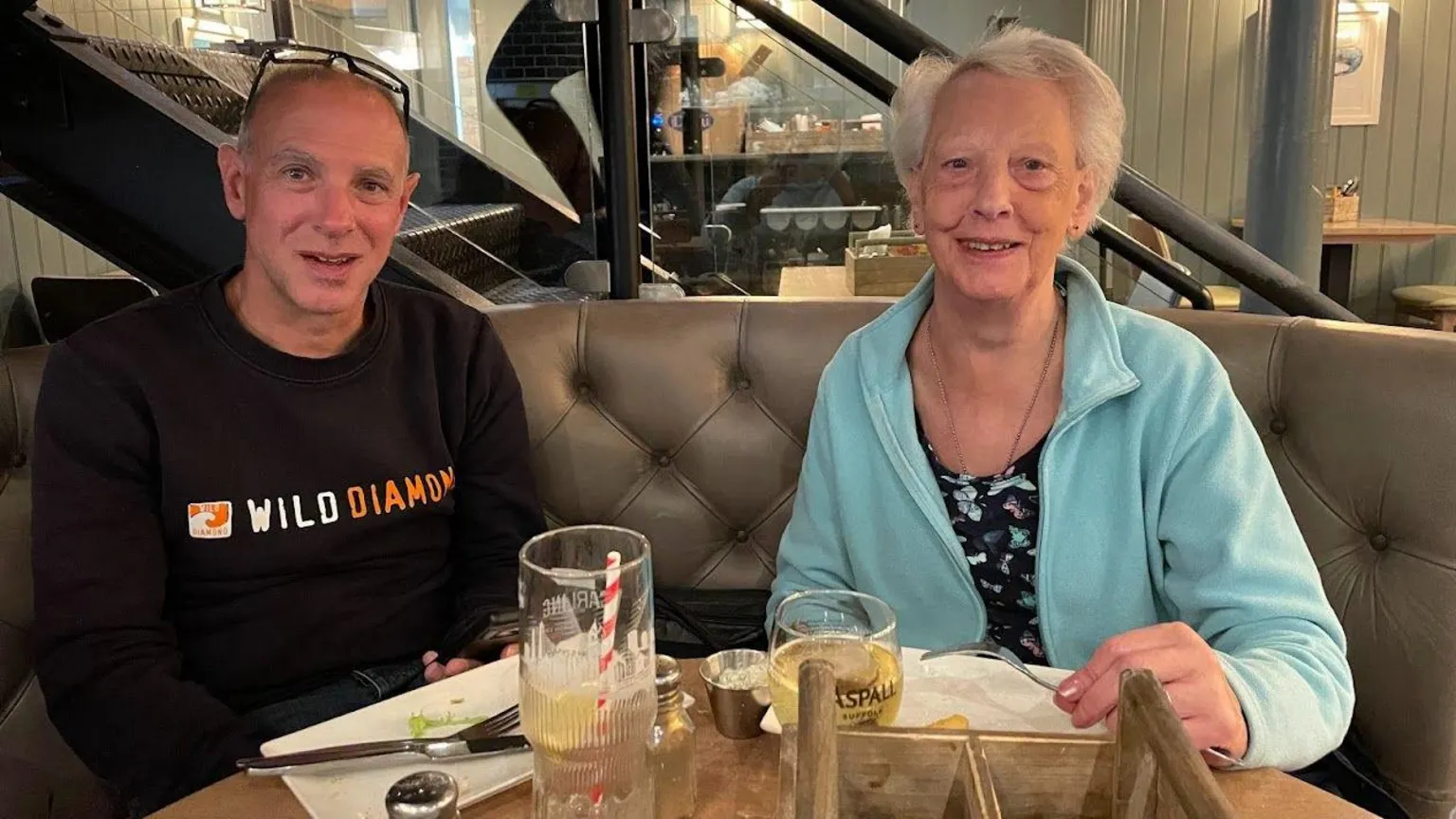
As a result, her son Euan and daughter-in-law Denise are now working from home full time to care for Margo, enabling her to remain in Tobermory.
Medical Condition and Care Details
Margo is bedbound due to idiopathic pulmonary fibrosis (IPF), a progressive lung condition. She receives visits from carers four times daily.
Until recently, a carer would assist in lifting her from bed alongside a family member. This practice has ceased because the Health and Social Care Partnership stated that family members do not possess the required training for moving a person.
Staffing Shortages and Proposed Solutions
The Health and Social Care Partnership acknowledged facing significant challenges recruiting care-at-home staff on Mull. They proposed relocating Margo to a care home in Helensburgh as an alternative.
Denise Baxter told BBC Scotland News:
"They said we have two solutions - we can find her a care home in Helensburgh, and we said that wasn't a solution, as we would be sending her off to die on her own. The other option was that they would try and hire someone else, and train them up as quickly as possible. That has not happened yet."
Currently, Euan and Denise assist Margo themselves or seek help from neighbours and friends when necessary. A carer continues to visit four times daily but is unable to assist with moving her.
Impact on Family and Care Quality Concerns
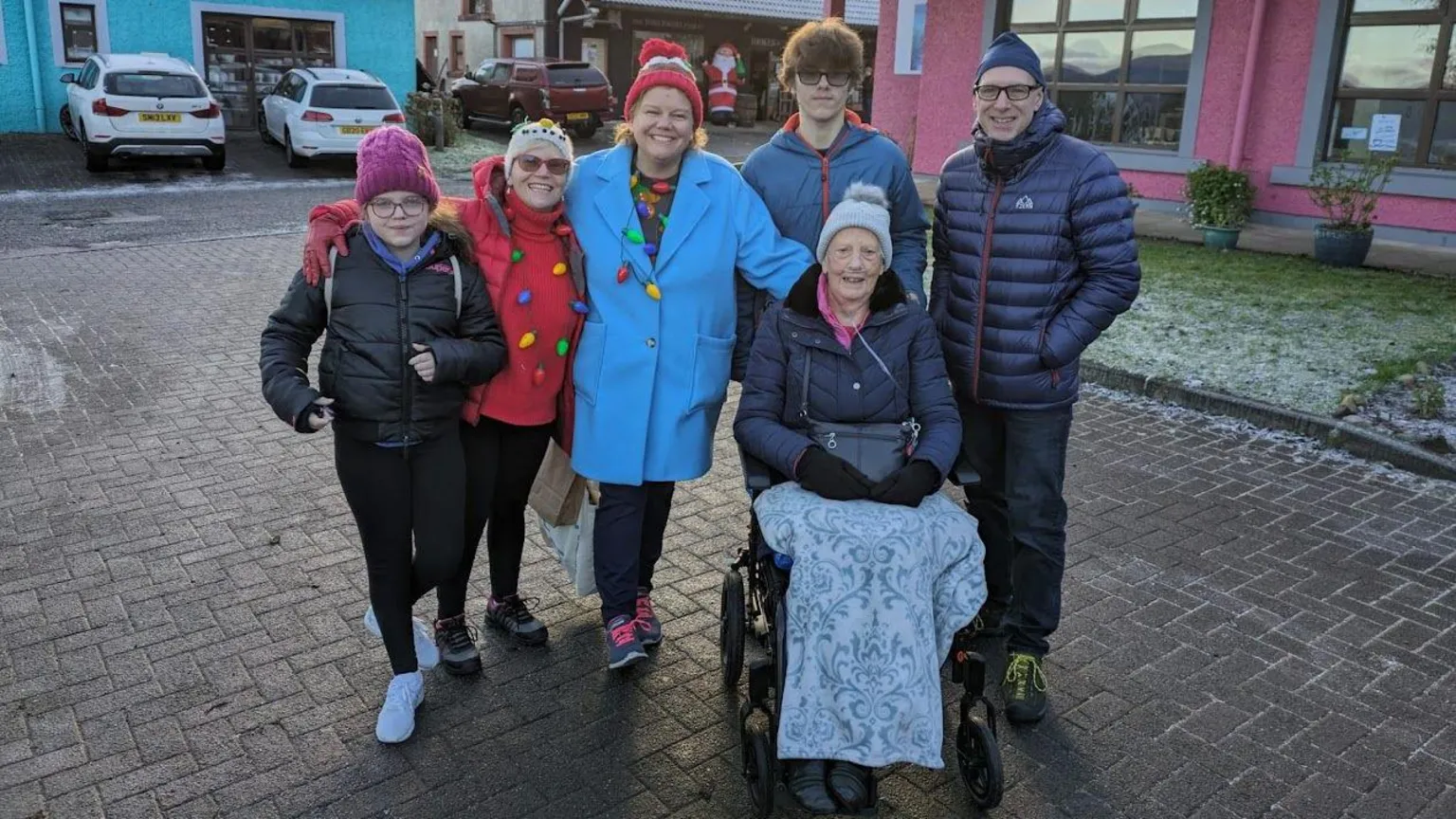
Euan and Denise reported that the changes were implemented suddenly and expressed concerns about the impact on Margo's quality of end-of-life care.
Denise explained:
"The service just suddenly stopped. In the morning the carer came in and we moved her, and when she came back at lunchtime she told me she was no longer able to lift Margo. It took me a few phone calls to find out why this had happened. They said it needs to be two people trained in manual handling by Argyll and Bute Council, and as me and Ewan are not trained by them, they could not work with us. I asked why they couldn't use people with NHS training, but they said it had to be people who had been trained up with the council."
Training and Partnership Disputes
Denise hoped the health and social care partnership could collaborate with the sheltered housing charity Trust, which operates Glen Iosal in Tobermory, to support Margo.

However, the partnership stated that Trust's manual handling qualifications were not current, a claim disputed by the charity.
Denise expressed concern that other families in the area might be experiencing similar difficulties.
Workload Challenges for Family Carers
While Euan and Denise are willing to provide care, Denise noted the difficulty of balancing caregiving responsibilities with full-time employment, especially given the distance involved.
Care Worker Perspectives and Staffing Issues
BBC Scotland News spoke with several current and former care workers on Mull. Many reported that community carers left their positions because they were only compensated for the minutes spent with each client.
This situation has led the social care partnership to employ agency nurses for some tasks.
Retired community carer Marianne Noble commented:
"Being a carer on Mull is quite challenging. You don't get enough time with clients, maybe 15 minutes for breakfast then again at lunch, so you are always rushing and constantly watching the clock. They are really getting short-changed - they are entitled to quality care and on Mull they are not getting that. It is not fit for purpose."
Marianne added that she believed many others were facing issues similar to those experienced by Margo's family.
She mentioned knowing families who had either left employment to become full-time carers or had relocated relatives to the mainland.
Equipment and Future Support
Margo has recently received equipment intended to assist her in getting in and out of bed, but her family remains uncertain about the availability of further support.
Official Response
Argyll and Bute Health and Social Care Partnership stated it would explore additional measures to assist the Baxter family.
A spokesperson said:
"We would like to apologise to the lady concerned and her family for the issues they have been experiencing in relation to receiving care at home services. Like many health and social care partnerships across the country we have had challenges in recruiting care at home staff and this has been even more acute on some of our islands such as Mull. We will contact the lady and her family to see if there are further steps that can be taken to find a suitable resolution to this issue."


