Recovery Through Work After Psychosis
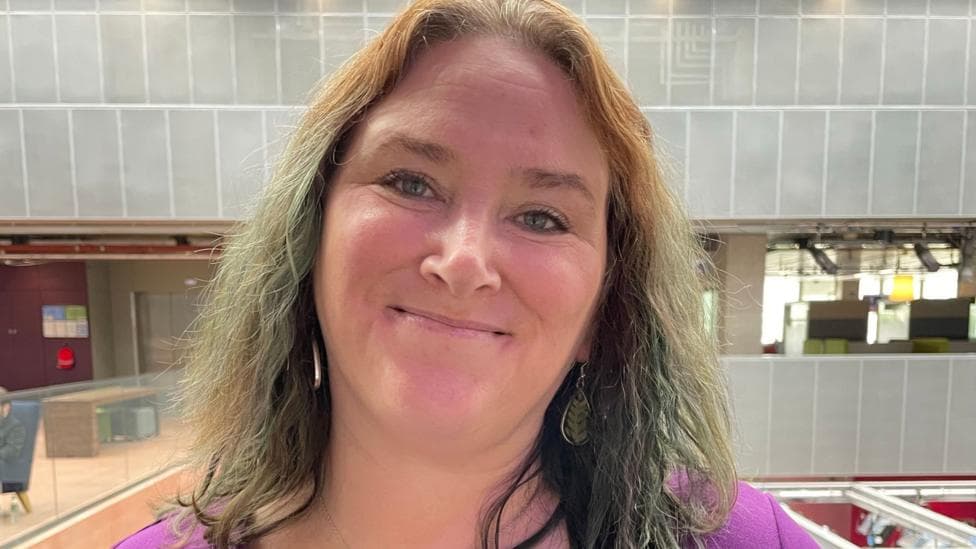
Rachel Hart, a woman from Cheltenham who was sectioned following an episode of psychosis, has shared how receiving support to return to full-time employment significantly changed her life.
Four years ago, as she was preparing for her final university exams, Rachel began experiencing delusions and paranoia, which led to her being treated in a mental health hospital.
She was assisted by the Individual Placement Support (IPS) team in Gloucestershire, which supported over 400 individuals last year. The team helped Rachel secure a position as a project officer at the University of Exeter.
"I have never been happier," Rachel said. "In my case, it was very much about building up my confidence, understanding that work is part of recovery, it's not optional."
Support and Employment Integration
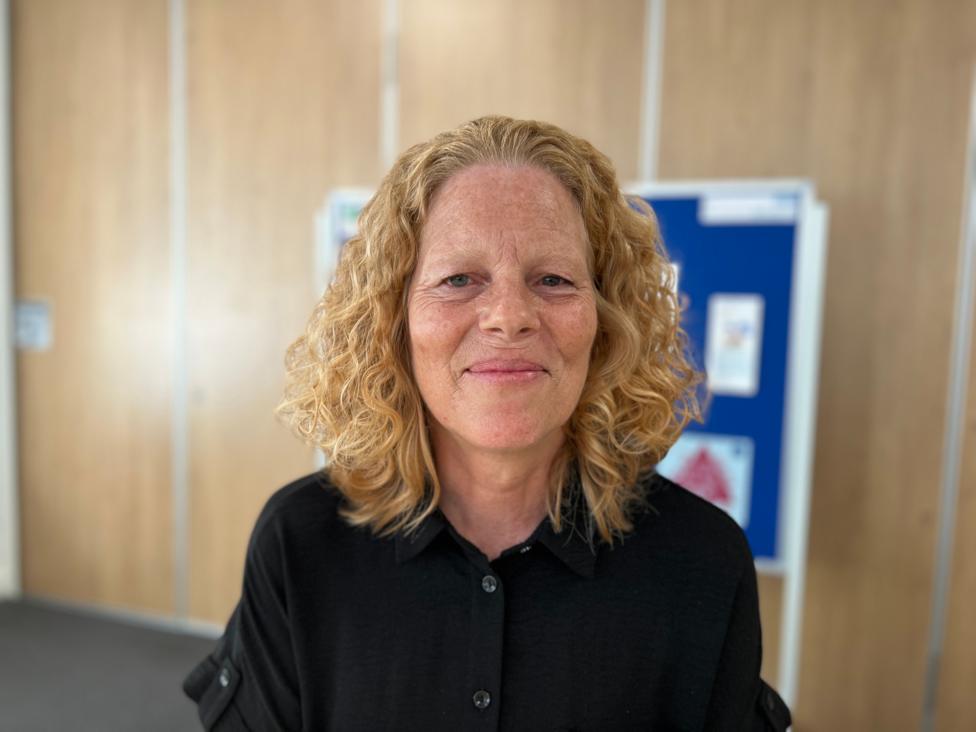
Laura Isher, an IPS employment specialist at Gloucestershire Health and Care NHS Foundation Trust, emphasized the importance of the work provided by the IPS team as a critical component of the recovery process.
The IPS scheme is designed to assist individuals with severe mental illness in finding paid employment as part of their recovery journey.
Laura worked closely with Rachel's employer prior to her starting the new role.
"We can't just put people into a job; it has to be sustainable as well for up to 12 months," she explained. "The employers work with us, we can offer in-work support, mental health support.
"Employment is a huge part of recovery in mental illness; it's a proven fact now that it's not just helping somebody, it's all the social factors, it's being part of society and feeling useful."
Rachel expressed that the IPS programme played a key role in restoring her sense of value.
"It helped me get where I am today by giving me the confidence that all of these skills and knowledge and, in my case, qualifications that I had were still useful," she said.
Statistics and Impact of IPS
According to IPS Grow, an organization supporting IPS teams across England, between 70% and 90% of individuals with mental health issues desire to work; however, only 37% hold paid employment. For those with severe mental illness, this figure drops to just 8%.

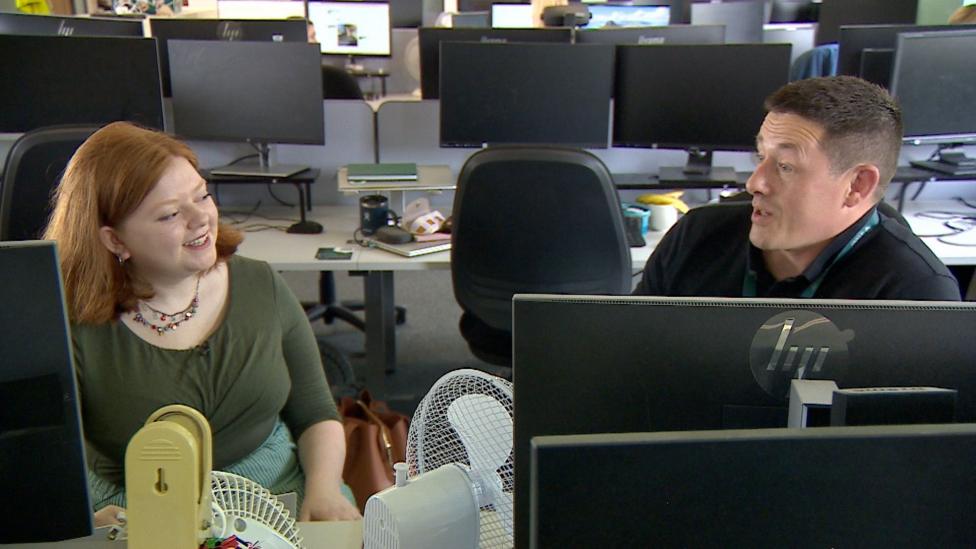
Vicky Vacara, IPS service manager for Gloucestershire Health and Care NHS Foundation Trust, reported that the team helped 115 people secure new jobs last year.
"There will be some people who have been led to believe that they will never work because of their mental health condition," she noted.
Despite financial challenges faced by many employers when hiring new staff, Vicky stated that there is a willingness to collaborate with more companies.
"Evidence suggests that having a diverse workforce can really bring improved outcomes for organisations, and I think people with mental health problems can bring some real strengths to the team, and I would be saying that there are already lots of people with mental health problems in your team, you just don't know about it," she said.
Workplace Adjustments and Employer Perspectives
Laura Isher highlighted the assistance provided to employers in making reasonable adjustments to accommodate employees' working patterns.
"The key is in the word 'reasonable'," she said. "Sometimes medication may affect people in the mornings, so they may have to start an hour later, but that's OK, they can work an hour later as well."
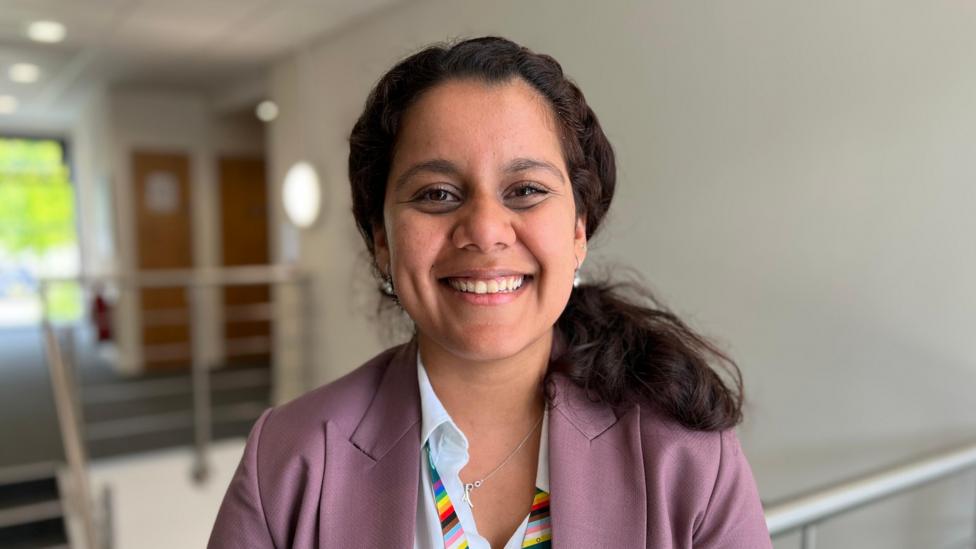
At the University of Exeter, where Rachel has been employed for 18 months, Shades Chaudhary, assistant director of wellbeing, inclusion and culture, shared how the IPS scheme has benefited the institution as an employer.
"The IPS scheme brings a real understanding of what a person's mental health condition could look like in employment, what kind of adjustments they would benefit from, and what kind of roles can enable them to sustainably stay in work," said Shades.
"There's that understanding that it's not a barrier, it's more of just another facet of someone's identity that we need to support and make sure they can bring their whole self to work."
Personal Transformation and Ongoing Support
Rachel described her experience as transformative.
"I've had my wobbles, as does everyone with a long-term condition, mental or otherwise, but the foundation and bedrock of support has enabled me to keep going," she said.
Additional Gloucestershire News
- Romance conman to appeal against repaying victim
- Bereaved man says choir 'companionship' helped his grief
- Date is set for police chief's misconduct hearing
Contact and Follow-Up
For more news and story ideas in Gloucestershire, readers can follow BBC Gloucestershire on Facebook, X, and Instagram, or send story suggestions via email or WhatsApp at 0800 313 4630.