Early Mental Health Struggles and Family Tragedy
When Ayla Jones was 15, she experienced a severe psychotic episode during which she believed someone was drilling through the walls of her home at night to murder her. This perception was part of a broader mental health crisis that had escalated from earlier issues into full-blown psychosis.
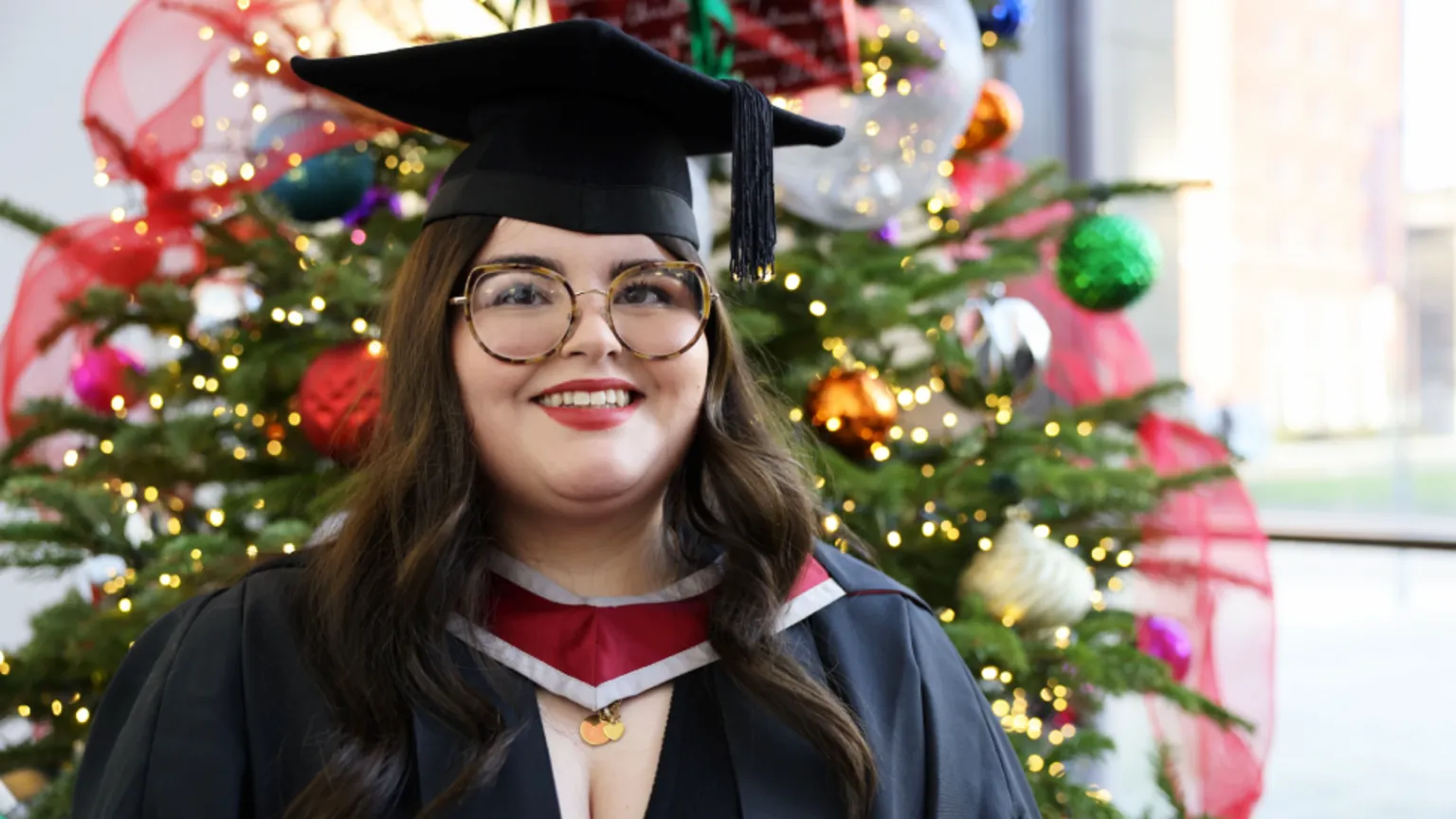
Now, a decade later, after enduring years of disrupted education and multiple hospital admissions, Ayla has earned a degree in mental health nursing. She is determined to support young people facing similar challenges.
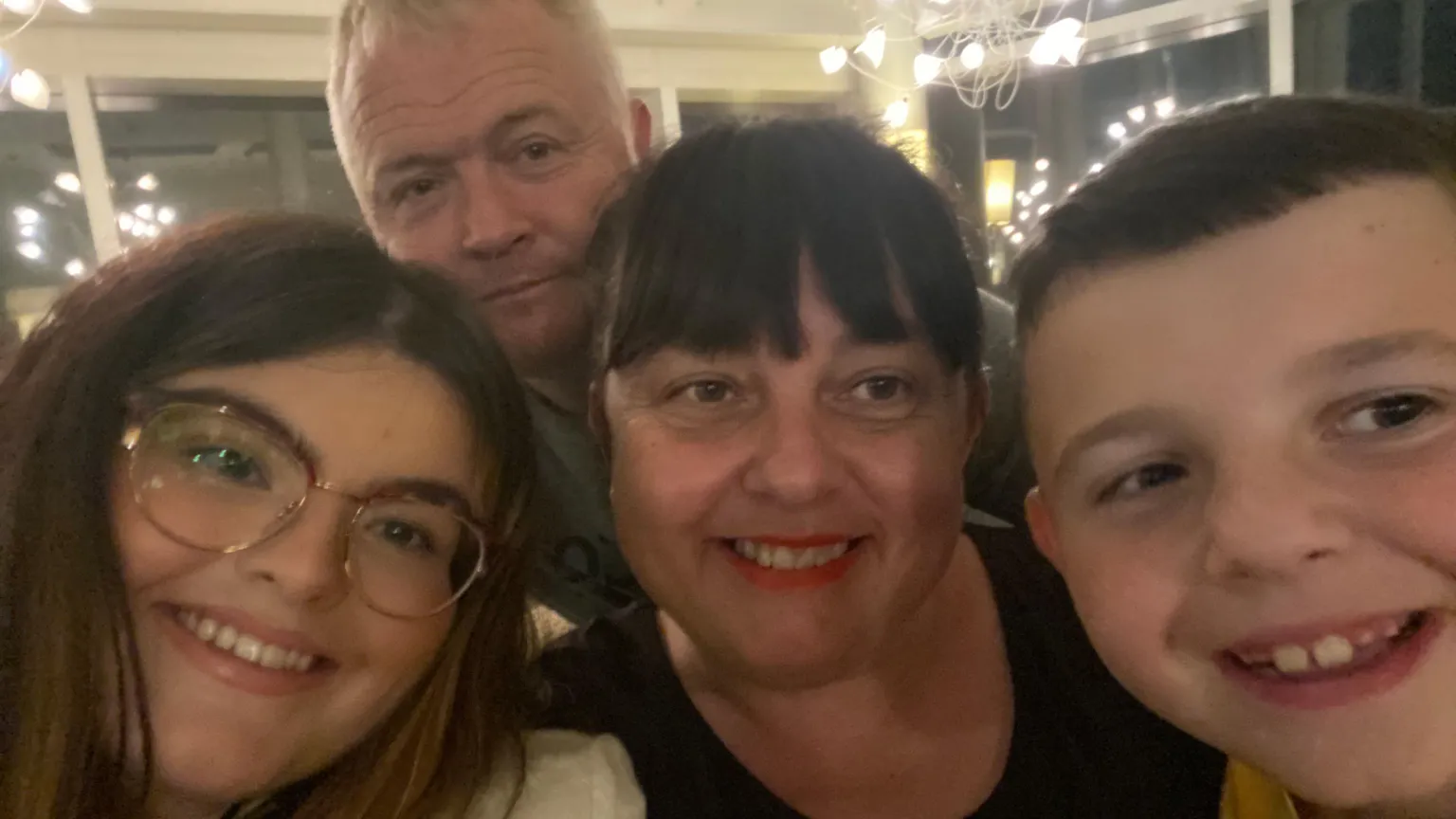
Ayla, from Sandfields, Port Talbot, was a happy only child who enjoyed primary school and had a close relationship with her parents.
"I had friends and things. I always did well academically,"
she recalls.
Warning: this article contains details of mental health issues and eating disorders.
Her mental health began to decline following a family tragedy in her final year of primary school when her brother Alfie was stillborn. Ayla mistakenly believed she was responsible for his death.
"I've never been able to deal with change so I think the concept of being the only child and then having a sibling, I found that quite hard,"
"I think that's what made me think, like because I didn't want a sibling at the start, maybe that's why [it happened]."
Two years later, a second brother was born, whom Ayla loves deeply. However, the trauma of Alfie's stillbirth lingered, coinciding with her transition to Sandfields Comprehensive School and a deterioration in her mental health.
"That's when I started making myself sick,"
she explains.
"I've always not been confident and hated the way I look. When all that trauma happened and the change [of school], it's like I turned to controlling my food, what went in my body and what went out, as a way of coping.
"I tried to diet and things and then I'd binge and then feel guilty about eating, and 'I don't deserve to eat, and I'm fat and disgusting'.
"So then I made myself sick and it was just a vicious cycle then."
Diagnosis and Early Treatment
After her parents discovered her condition, Ayla's GP referred her to the Child and Adolescent Mental Health Service (Camhs), where she was diagnosed with bulimia, anxiety, and depression. Despite receiving counselling, her condition did not improve, leading to the prescription of a low-dose antidepressant.
"When I went to comp, I was in top sets,"she said.
"When I started struggling mentally, all of that just went out of the window. It was hard for my mother to get me to go to school. I was really isolated."
Ayla experienced paranoia and delusions, culminating in her first full psychotic episode at age 15.
"I thought someone I knew was going to kill me and they were 'working with the devil'.
"I would hear drilling in the night and believed the person was building a secret passageway into the house."
During this period, she exhibited hypomanic symptoms alongside depression and anxiety.
"When I was going to school, I'd be doing my hair and makeup at like three o'clock in the morning, put music on, like literally had no concept of time."
Her medical team referred her to the community intensive treatment team, which provided daily support visits. However, Ayla did not trust her doctors or parents, believing they were part of a plot against her.
Due to concerns about her safety, Ayla was sectioned under the Mental Health Act and admitted to a Camhs inpatient unit. She was diagnosed with schizoaffective disorder, bipolar type, and prescribed stronger antipsychotic medications. Over the following years, she experienced multiple hospital admissions and medication trials to find an effective treatment regimen.
These medications caused significant side effects.
"Drooling. It slowed my speech. Tired all the time. Was made to feel a bit out of it."
On her 17th birthday, which she spent in hospital, a doctor proposed trying clozapine, a potent antipsychotic with serious potential side effects such as seizures and movement difficulties, as a last-resort treatment.
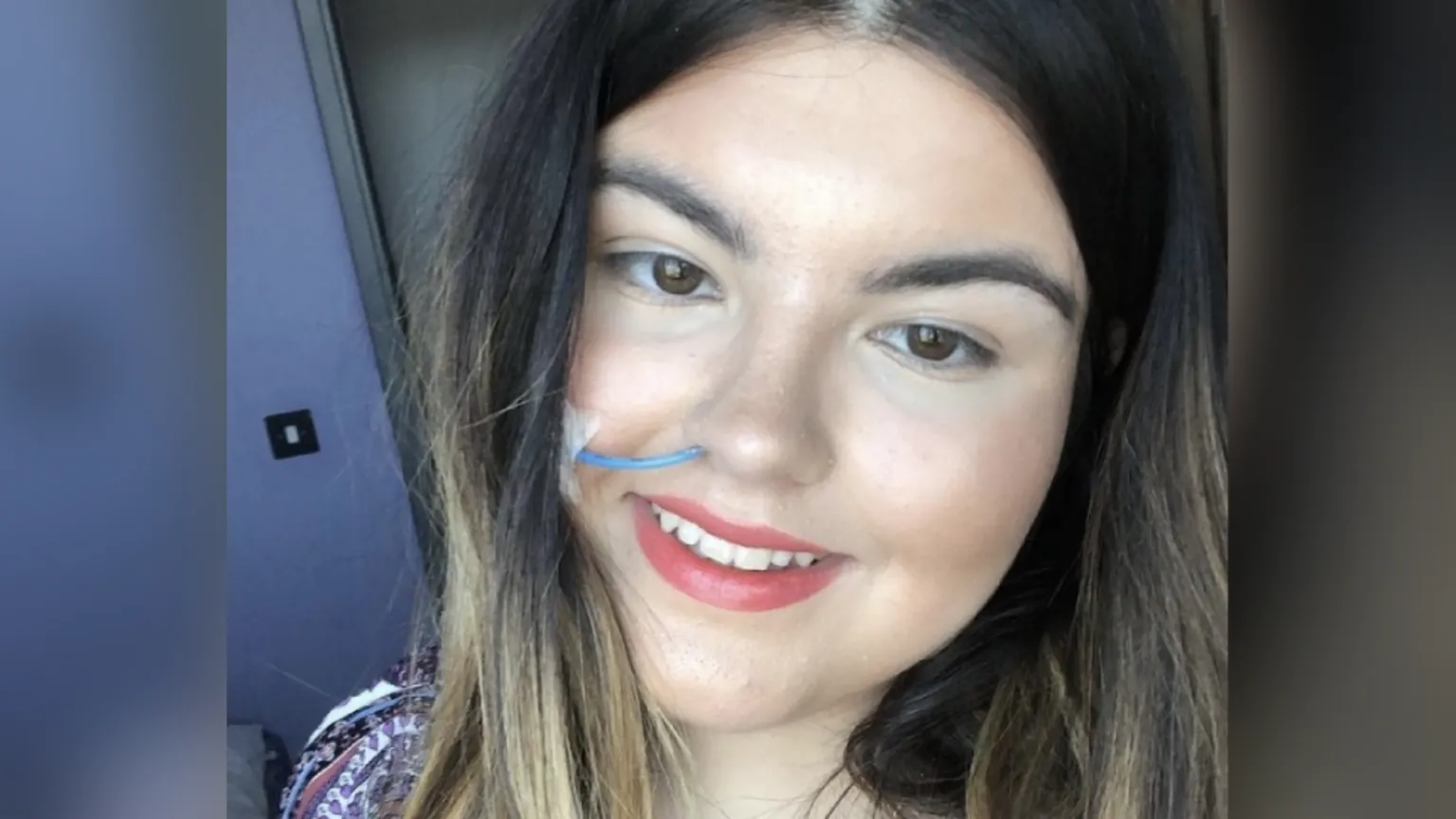
The medication initially helped but her body reacted poorly, necessitating discontinuation and a return to sedating drugs.

"I just couldn't function,"she recalled.
Impact on Education and Early Recovery
Due to her illness, Ayla was unable to attend school for several years and left without any GCSE qualifications. She observed peers engaging in typical teenage activities, which highlighted her own isolation.
"I'd never even been on a bus on my own."
As part of her treatment with the early intervention in psychosis team, Ayla received weekly visits from a community nurse. This support was instrumental in her gradual reintegration into the community.
"The support I had was really changing and helped me get back into the community. The Down to Earth project would take a group of us and we'd do woodwork and out into the forest, so it was building up skills to help socially."
By age 18, Ayla transitioned to adult mental health services but described her state as merely existing rather than living.
"I was literally just existing. I wasn't living."
Her doctor introduced mood stabilisers, and for the first time in years, Ayla began to experience emotional stability and was able to reduce her antipsychotic medication.
This newfound stability gave her the confidence to pursue education at Afan College, making up for lost time.
"In college, that's when my life changed. I made friends then. I got a best friend. I was going on buses and things on my own and doing things that I'd seen other people my age do."
Career Aspirations and Higher Education
Ayla was clear about her future goals.
"I knew I wanted to go into nursing and help people with mental health and help people go through what I went through. I had that passion to hopefully make a difference."
She completed a BTEC in health and social care followed by an Access to Higher Education diploma.
During this period, she attended a talk in London by Jonny Benjamin, founder of the youth mental health charity Beyond, who shared her diagnosis. This encounter was pivotal.
"He had the same diagnosis that I was diagnosed with and that was the first time I had ever met anyone who was actually doing the things that he wanted to, and making a difference.
"My lecturer was like: 'You have to go and talk to him'."
Following this, Ayla joined Beyond's youth board and contributed an essay to The Book of Hope: 101 Voices on Overcoming Adversity, alongside notable figures such as Joe Wicks, Dame Kelly Holmes, and Rylan Clark-Neal.
Ayla was accepted to Swansea University and moved into halls in September 2021. However, after several weeks, she realized the transition was overwhelming and deferred for a year.
"I couldn't cope and ended up deferring for a year. It was just too much, too soon. But I had that awareness to know."
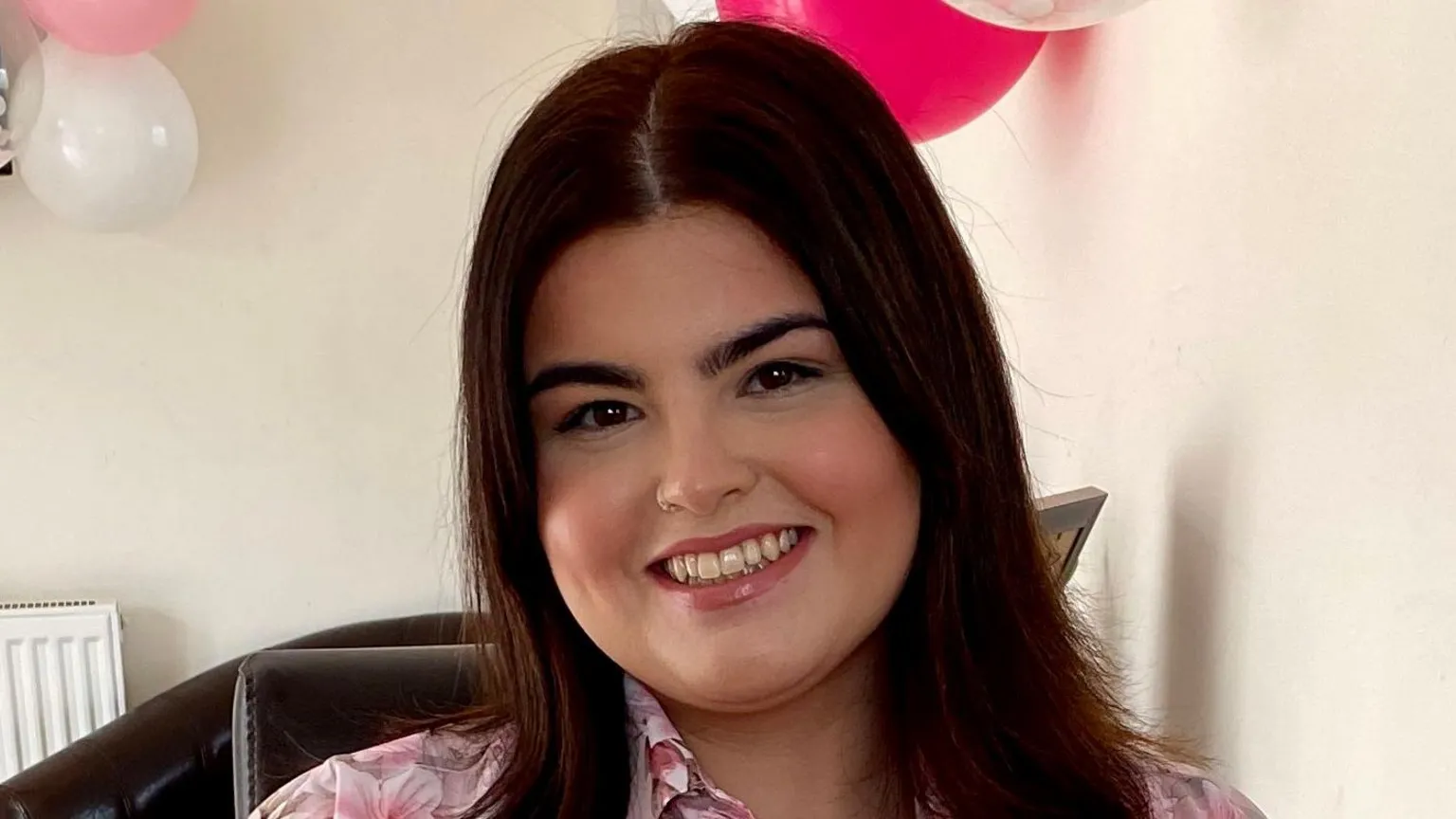
She returned in 2022 and, with weekly support from her wellbeing mentor Pamela Johnson, successfully graduated with a degree in mental health nursing.
Using Experience to Support Others
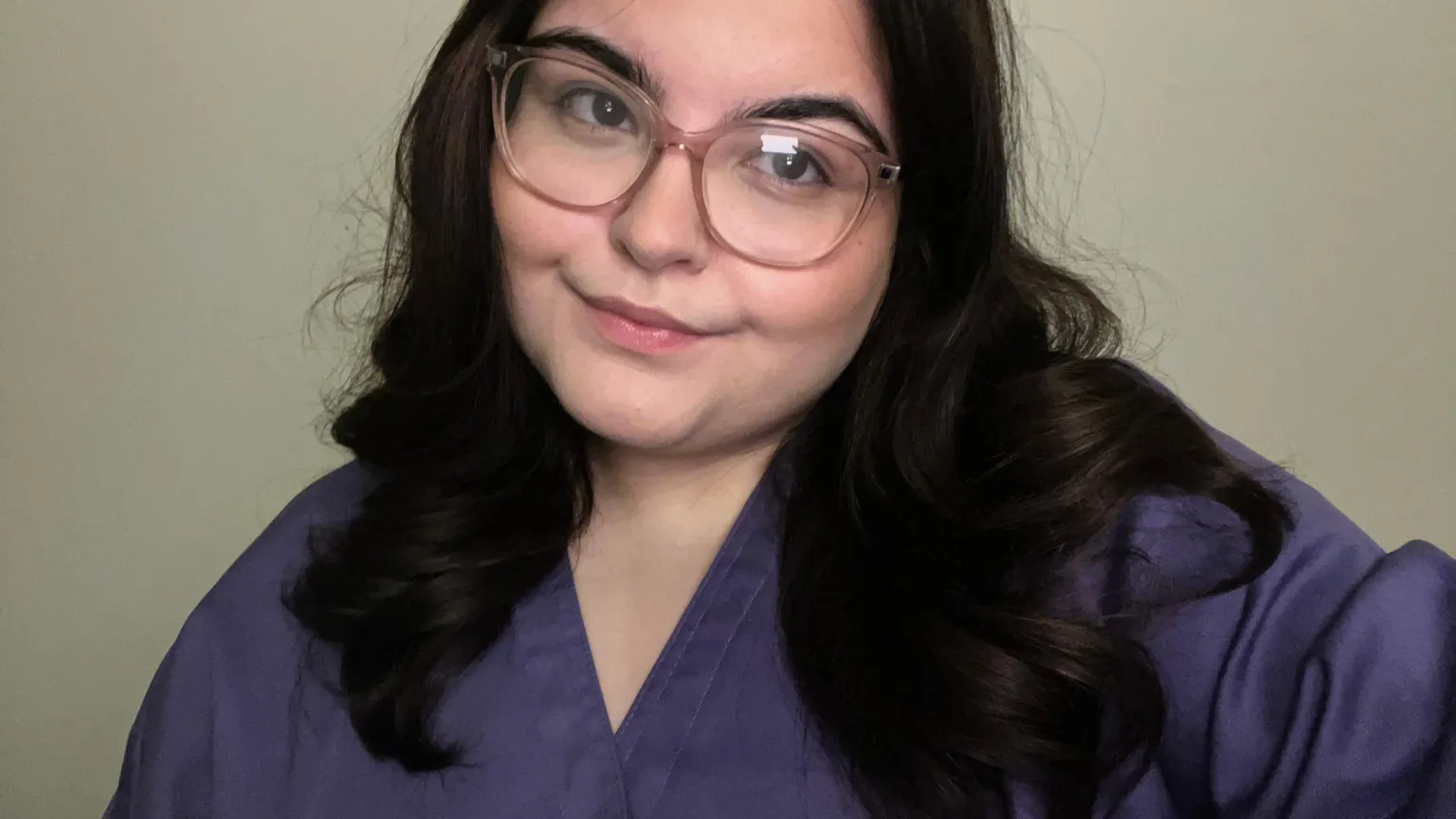
Now qualified, Ayla is committed to using her lived experience to support young people struggling with mental health.
"So many young people are struggling with their mental health. I'd love to see proper support in schools in an inclusive way.
"I don't think school is built for people who don't fit in the mainstream category, which is just wrong."
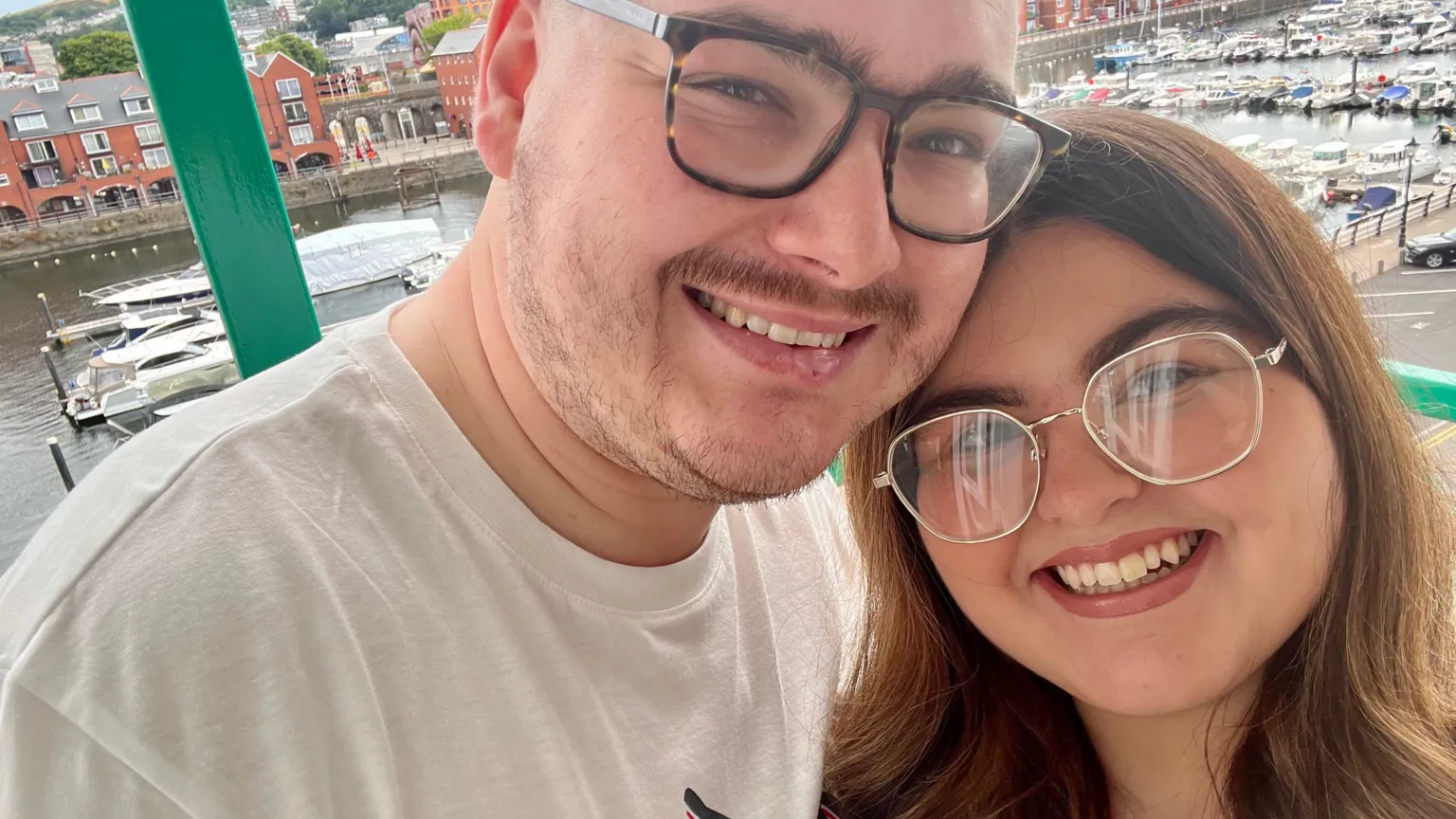
Ayla remains close to her family and lives near her parents with her partner of four years.