

Concerns Over Funding Increase for Independent Care Providers
A planned funding increase of 78p per hour for independent care providers has been described as "crazy" and "just not enough" by care worker Julie-Anne Hosick. Hosick, who works with Connected Health, stated that many in the sector feel "underappreciated" and financially disadvantaged.
The Independent Health & Care Providers (IHCP) has warned that the Department of Health's (DoH) decision to raise the homecare tariff by 78p per hour, representing a 3.6% increase for 2026/27, risks destabilising frontline services. The DoH has been contacted for comment on the matter.
Workforce and Pay Context
There are approximately 24,000 independent care home and home care (domiciliary) staff in Northern Ireland, with around 11,500 employed in care homes. The social care workforce is noted as the lowest paid group across the health and social care system.

Staff deliver more than 80% of social care in Northern Ireland, primarily through domiciliary services at home and within care facilities.

Previous Disputes and Pay Parity Issues
The IHCP has previously ceased communication with the health minister following his reversal on paying their staff the Real Living Wage. In November 2025, Mike Nesbitt announced that doctors, nurses, and auxiliary staff would receive pay parity with colleagues in other parts of the UK; however, this offer excluded care workers in the independent sector.
Impact on Care Workers
Speaking to NI, Hosick highlighted that many care workers are leaving the profession due to financial pressures.
"People who absolutely love this job and have an amazing relationship with our service users, but financially just can't keep up and they've no other option but to leave," she said.
"You just feel underappreciated because of the nature of the work – many of our carers remain on minimum wage and the current cost pressures only reinforce the reality of it."
Hosick also noted that recent increases in fuel payments have added to financial pressures, and the 78p increase does not sufficiently cover the work carers perform.
"In the private sector we do the exact same as [workers in the department] providing the vital hands-on support that some of the most vulnerable people in society need, often working long hours and under emotionally and physically demanding conditions so it just feels like we're being pushed backwards financially.
Without [an increase in funding] we're facing staff shortages and carers deserve fair compensation, proper support and acknowledgement for the critical role that we're doing every single day.
The recognition that we deserve doesn't reflect on what we're getting," Hosick said.
Tariff Increase and Provider Costs
The IHCP clarified that the 78p increase refers to the tariff rate paid to providers, not a direct 78p pay rise for carers. Providers must allocate this tariff to cover various expenses including wages, employer National Insurance contributions, statutory sick pay, supervision, insurance, and travel costs.
IHCP Response to Funding Decision
Pauline Shepherd, chief executive of the IHCP, told BBC Radio Ulster's Good Morning Ulster programme that the 78p increase "goes nowhere near meeting the inflation".
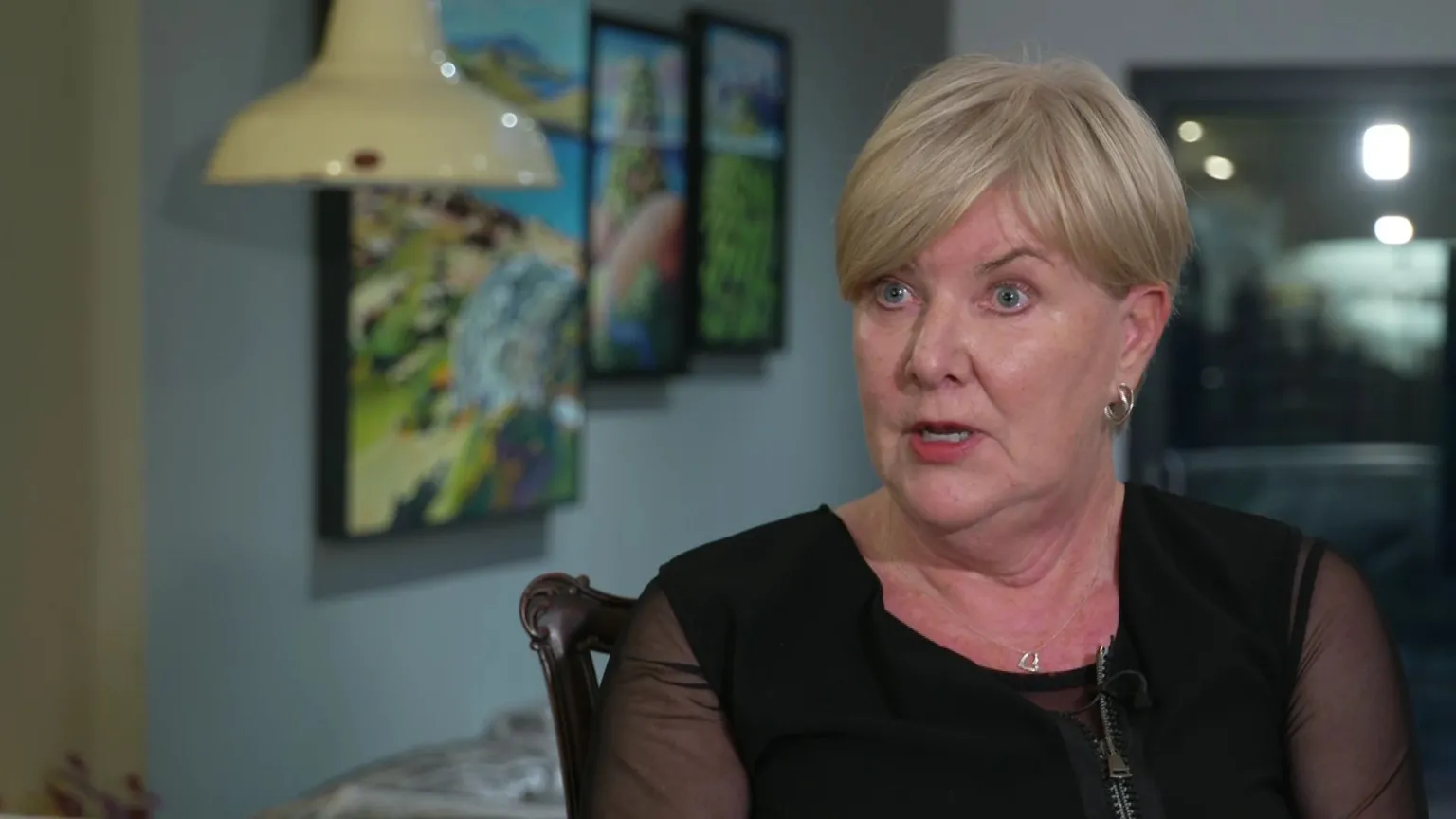
"This has been going on since November, we got in a position of the department saying that they feel that the costs are fully met – us saying that they're not but the department is refusing to look at the evidence that we have and they won't engage on it," Shepherd said.
"We have asked the department to give us a breakdown of how they come to the methodology of how they come to the figure – we can't get that from them.
The independent sector just can't continue with this, the real living wage was promised back in September – didn't come through and we are losing staff, we can't retain them."


