George Mackay's Story
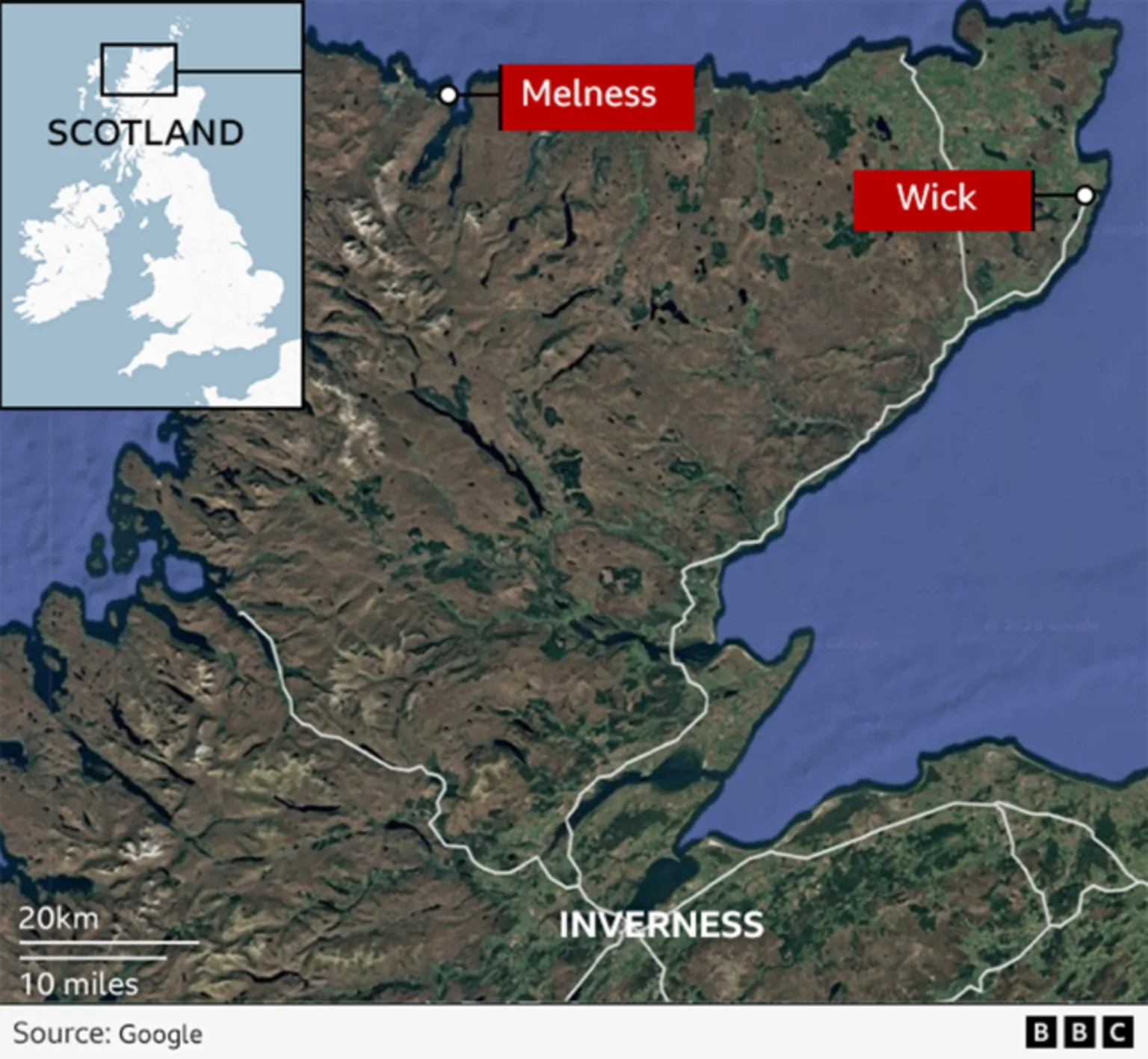
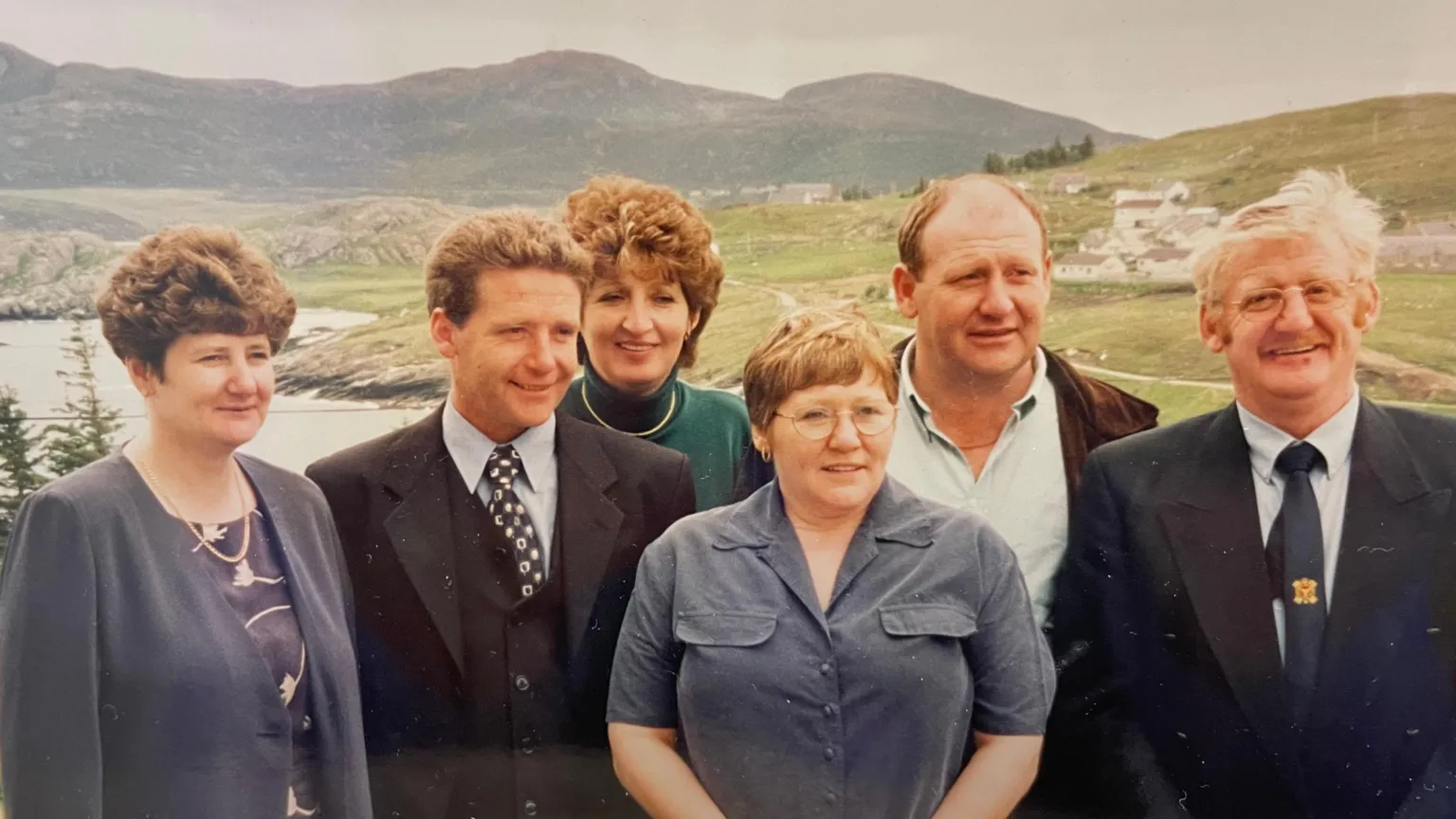
George Mackay wished to spend his final days in the remote crofting village of Melness, located in the far north of Scotland where he was born.
In 2023, the Caladh Sona care home in Melness, which had provided nearly 50 years of end-of-life care to residents around Tongue Bay along the North Coast 500 tourist route, closed its doors.
The following year, George was diagnosed with terminal cancer. As his health deteriorated, he was required to move to a hospital in Wick, over 90 minutes away by car.
The Caladh Sona care home had been situated just steps from George's residence in Melness.
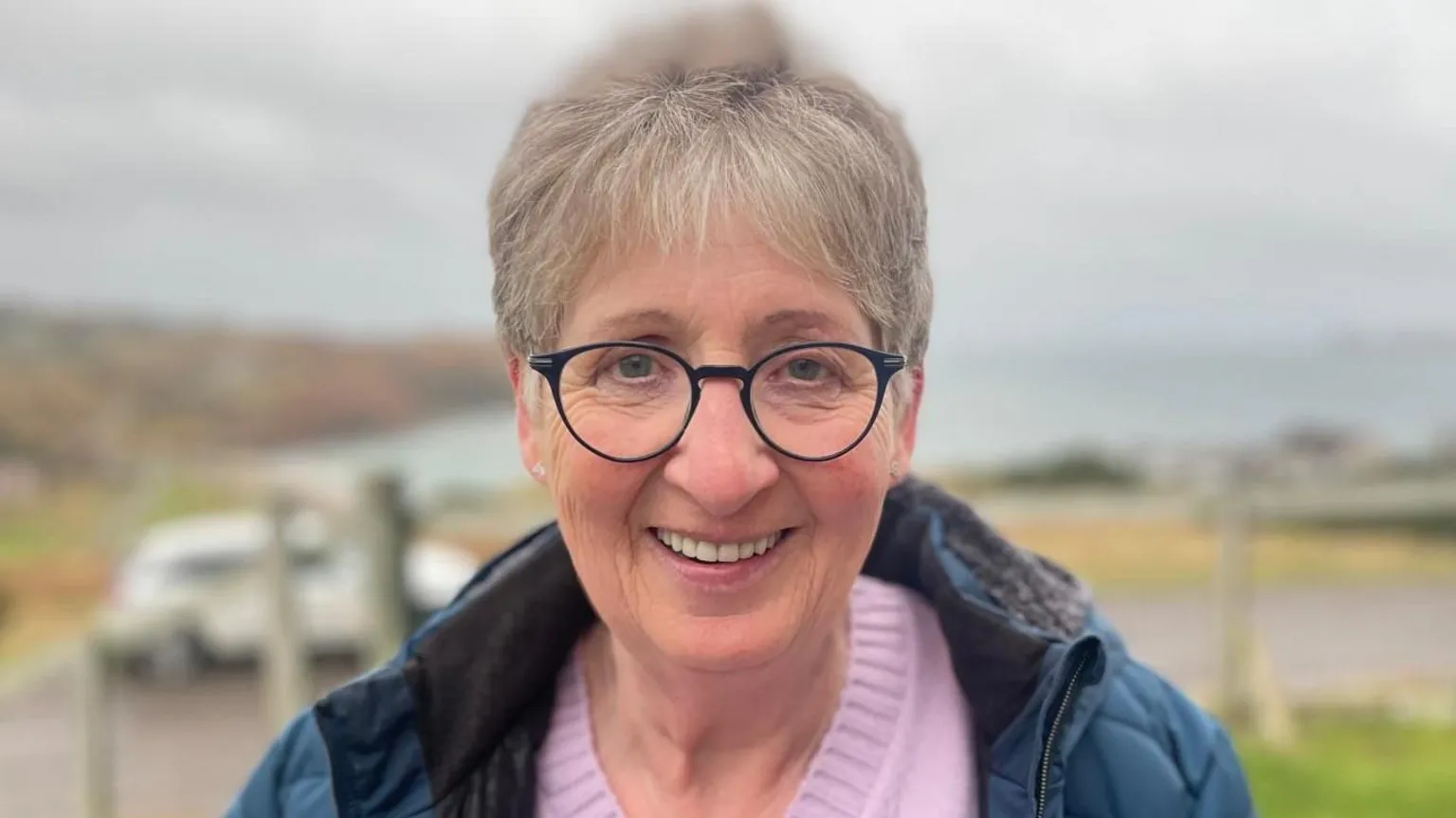
His sister, Margaret Mackay, believes that if the care home had remained open, George might have received care there until his death in January 2025 at age 72.
"We could just nip in and see him. He would know the people there, and family could be there all the time with him,"
"But that was not to be. His wishes were to die in his own home in Melness with his family around him, and that was taken from him.
"He wasn't happy about it, but there was no choice for him but to go away from home, which was just so sad."
George, a former army serviceman who also lived in Canada for some time, is survived by four siblings and two children.
Impact on Assisted Dying Debate
Margaret states that George's experience has influenced her perspective on the assisted dying legislation currently under consideration at Holyrood, with a final vote expected in the coming weeks.
The decision by Members of the Scottish Parliament (MSPs) is finely balanced amid intense debate.
In this remote community, discussions about assisted dying are grounded in practical concerns.
Margaret worries that if assisted dying were legalized, individuals in areas lacking adequate palliative care might feel pressured to choose it over dying far from home.
"It does worry me that that would be your limited choice, and maybe that would have encouraged him to take that choice,"
Contrasting Care Experiences
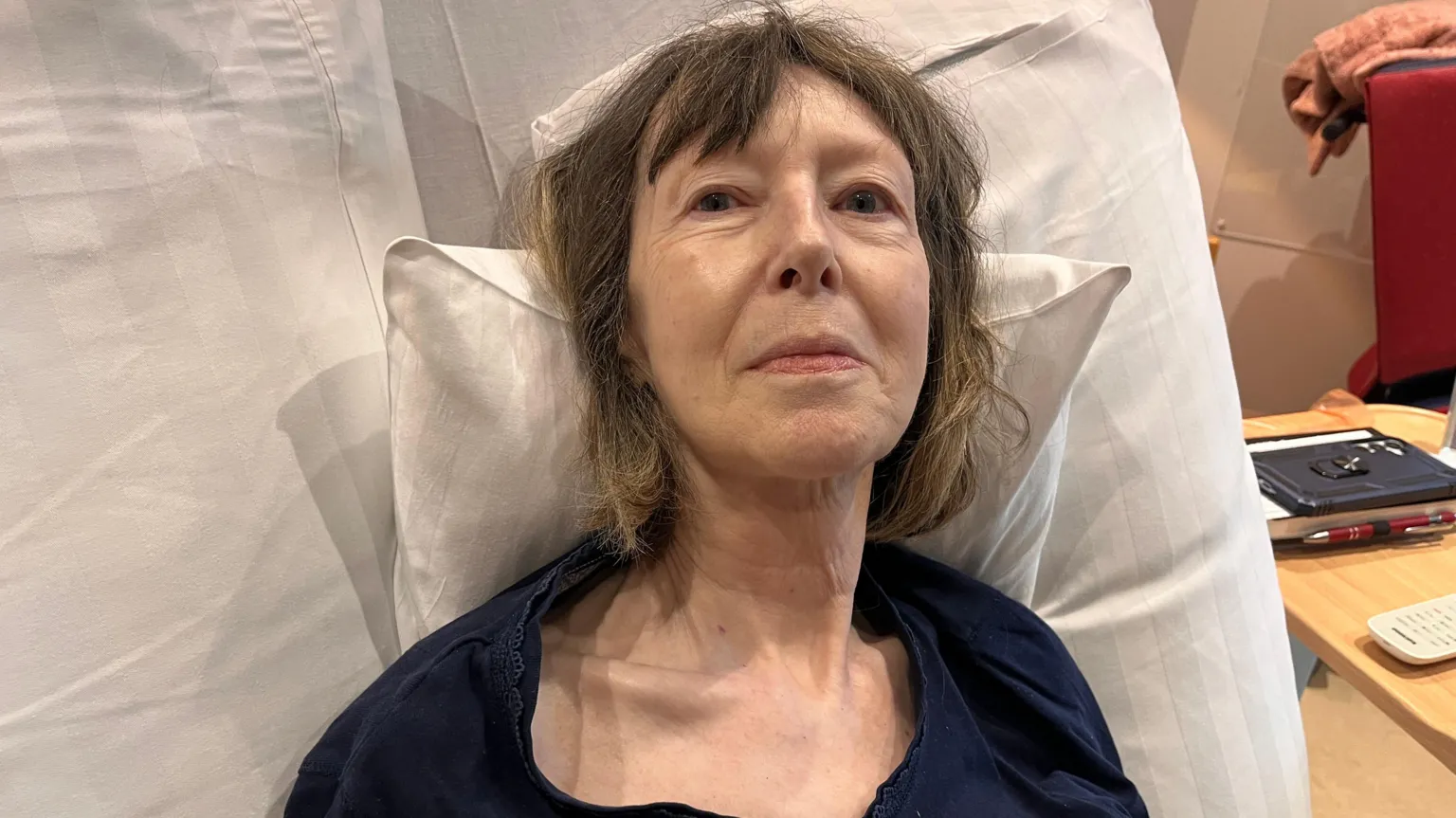
George's situation contrasts sharply with that of Steph Bruntlett, who is receiving care at Highland Hospice in Inverness, approximately two and a half hours south of Melness.
Steph, 66, is battling a rare liver cancer and benefits from around-the-clock care close to her home in Tornagrain.
This proximity also provides respite for her husband Les, who cares for her diligently at home.
"We're both really appreciating the care that I'm having here,"
"It's not just about giving me my medications when I need them, it's about when you come in and you sit and chat.
"It's knowing that somebody's there when you need them. It's just such an important part of what this place does."
Steph supports assisted dying and has considered it herself.
"I reached out to Dignitas and got their leaflets and information, but in the end it proved too late for me. I'm not able to travel now,"
She acknowledges the excellent palliative care she receives but notes that the nature of her death is now beyond her control.
"I just have to let it 'run its course'."
Another Patient's Perspective
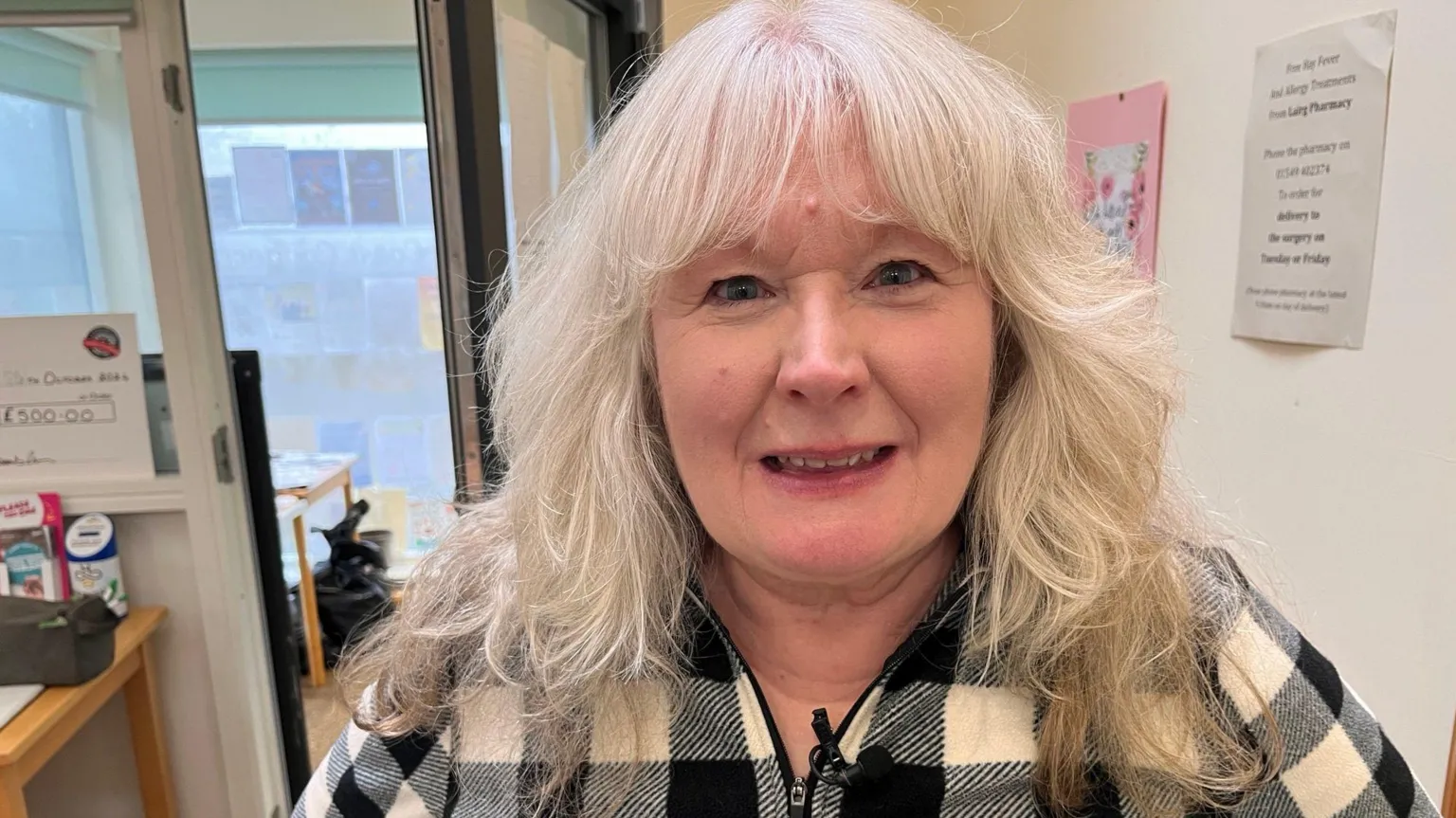
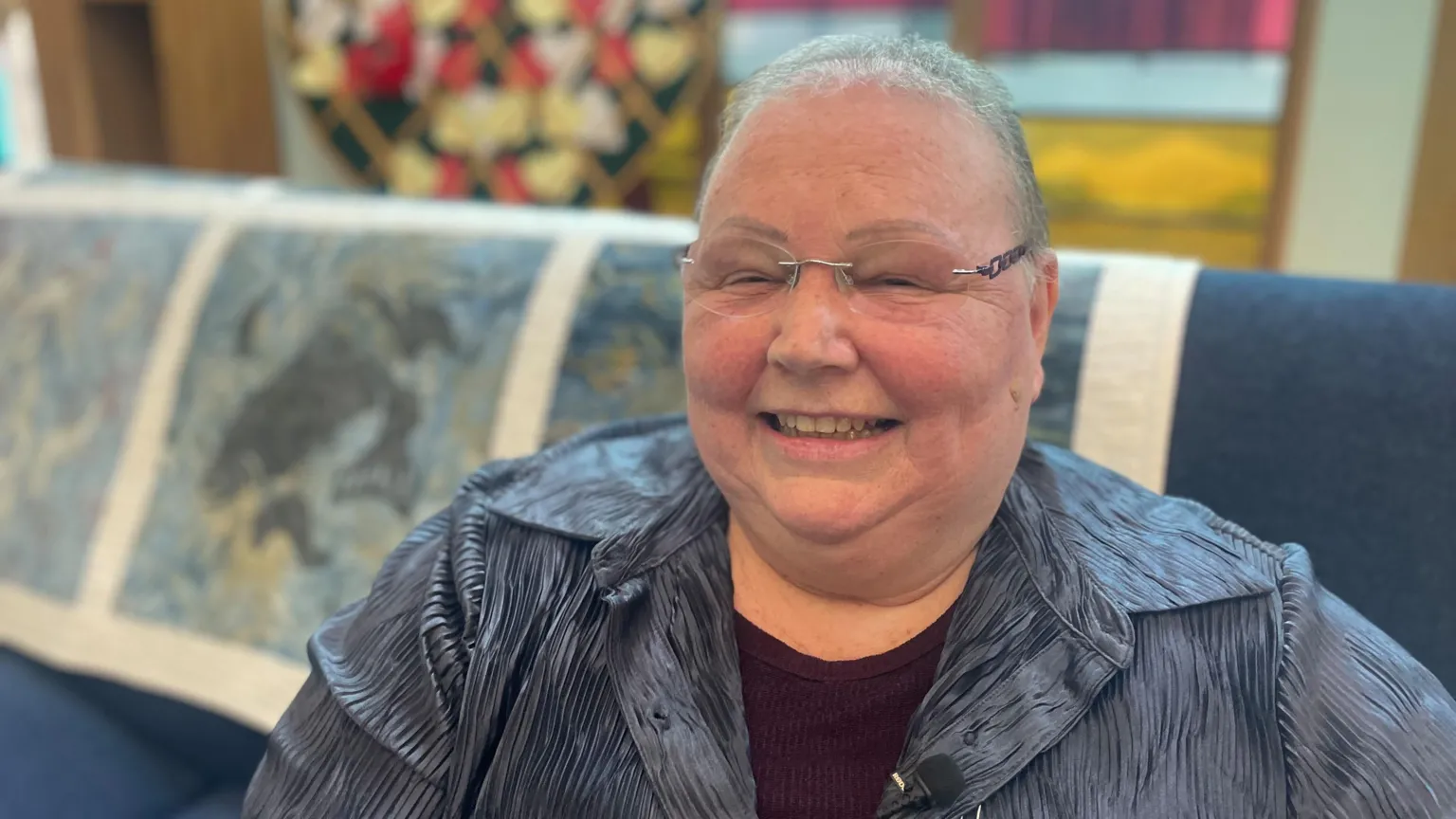
Karen Watson, 62, from Inverness, is also a patient at Highland Hospice, attending a ladies' discussion group and receiving massage therapy.
Diagnosed with breast cancer 29 years ago, her illness has now spread throughout her body.

Her faith has been a source of strength throughout her journey.
"Chemo is keeping me alive, basically. I'm on palliative care and I will have treatment now until I die.
"I've been told at least three times that I wouldn't survive the night, and I did. I believe it was my faith, my faith brought me through and God brought me through."
Karen says she would prefer to be at the hospice for end-of-life care.
"Assisted dying is not for me personally, because I have a strong faith, and so it just doesn't sit with my faith,"
"But she says she would never judge anyone who had a different view.
"I think it's so isolating if you don't have a hospice or somewhere that you can go to get that help."
Charity and Healthcare Perspectives
The charity operating Highland Hospice maintains a neutral stance on the assisted dying bill.
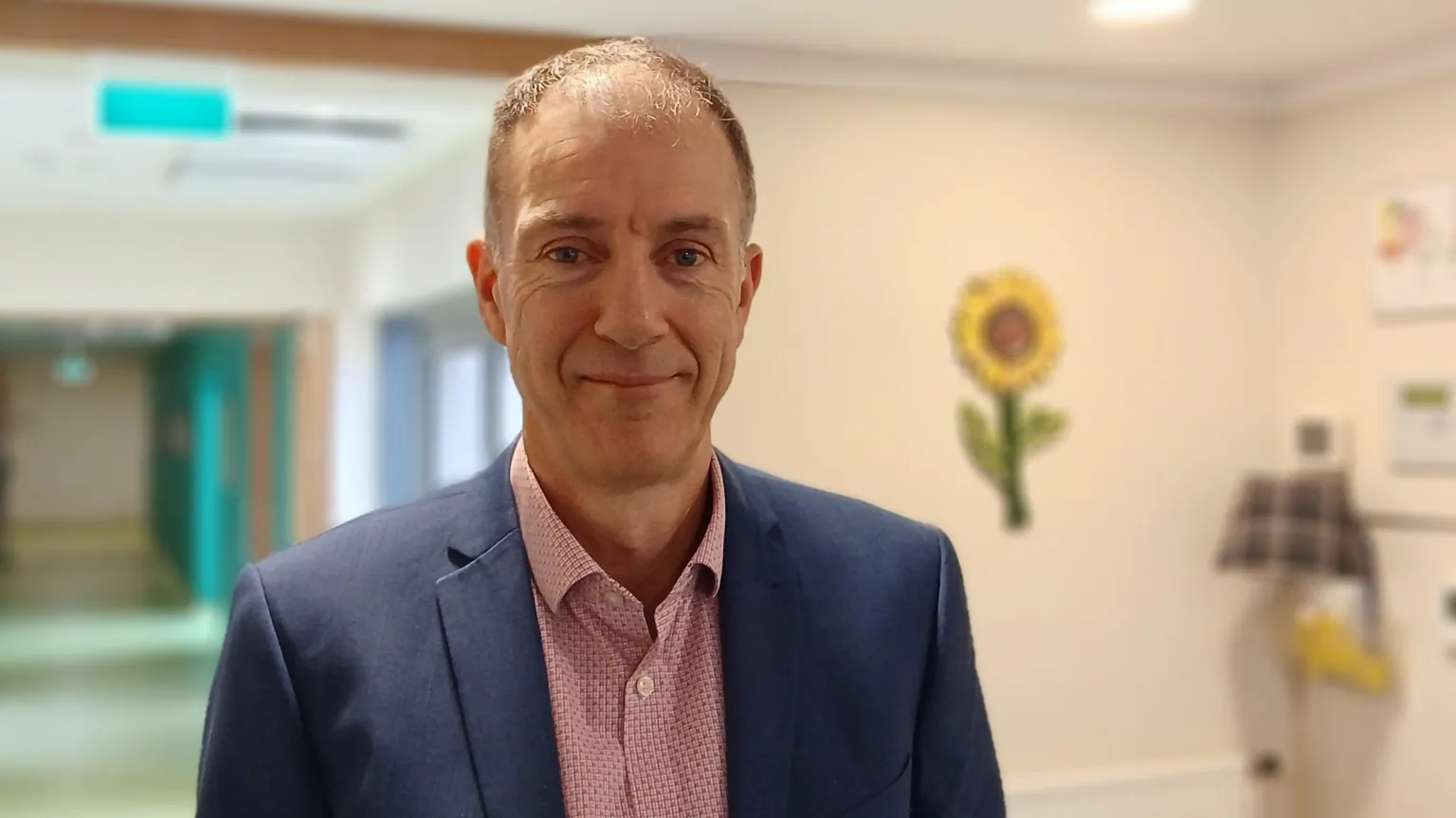
Chief Executive Kenny Steele emphasized that the decision on assisted dying is a societal one, while the charity supports individuals in receiving the care they desire.
"The scenario that really concerns me is in rural Highland, that people may choose an assisted death against the alternative of only being able to be cared for 100 miles away from their community, their friends and their family.
"It would be a travesty if that situation were to occur. Irrespective of assisted dying, I think we should be honouring people's choices towards the end of life."
End-of-life charity Marie Curie projects that the demand for palliative care in Scotland will increase by nearly 20% by 2050, with almost 11,000 additional people requiring care annually compared to 2025.
The Scottish government has pledged £6.5 million in funding for hospices next year.
However, Hospice UK warns this funding is insufficient to address the severe and unsustainable pressures on palliative care, especially in rural areas far from hospice facilities.
Kenny Steele acknowledges the Scottish government's increased funding to help hospices maintain services but highlights the urgent need to expand palliative care availability.
His organization aims to grow its Hospice at Home service, which provides rapid response care in patients' homes to prevent unnecessary hospital admissions.
The Scottish government recognizes long-standing social care challenges in the Highlands and is collaborating with local partners to consider establishing a taskforce to develop sustainable solutions.
It reports providing local authorities with record funding of nearly £15.7 billion and is committed to creating a health and social care system that delivers appropriate care at the right time and place.
Ministers also note that UK government policies have increased pressures by complicating recruitment of international care workers and raising National Insurance contributions for employers.
NHS Highland is developing proposals for a new care facility and GP surgery in the Sutherland area to provide much-needed capacity for the community.
A spokesperson indicated improvements have been made to the care at home service over the past year but acknowledged recruitment of adult social care staff remains very challenging, particularly in remote and rural locations.
Fast-track recruitment campaigns have been implemented to accelerate staffing appointments.
Community Impact and Future Prospects
In Tongue, a few miles along the coast from Melness, residents await the construction of a new care home to replace Caladh Sona.
Andrea Madden, a former NHS care at home service manager in the area and current volunteer with North Coast Connections, a community outreach project, describes the region as a social care desert due to the loss of key services.
"I think before we start talking about assisted dying in this community, we have to get assisted living right,"
"Everyone's entitled to their own beliefs, but if you're going to make that decision, you have to be making it because all options are open to you - and at the moment we don't have it.
"We do not have the care and support so that people can feel confident and safe to die in the community in which they were born."