

Budget Challenges Threaten Health Service Stability
The inability of the Stormont Executive to agree on a three-year budget poses a significant risk of major cuts to health services, the Department of Health (DoH) has warned.
Mike Farrar, Permanent Secretary of the DoH, stated that continuing with a one-year budget would make it "almost impossible" to achieve the necessary savings and would endanger the department's vision to transform Northern Ireland's healthcare system.
Despite an anticipated clearance of a £600 million deficit, the DoH now faces a new projected deficit ranging between £800 million and £1 billion for the upcoming financial year.
The department has faced considerable criticism following its announcement that it would not extend the Real Living Wage (RLW) to social care workers.
Farrar had previously informed NI that he and Health Minister Mike Nesbitt were committed to extending the RLW at the earliest opportunity and regarded it as a "morally" correct action.
"It would have been wonderful to have had more certainty on our budget position as it helps us plan and it would allow us to understand how quickly we can improve services," Farrar said.
"We have had to make some assumptions that a budget would be agreed, and as the accounting officer, in the event that it isn't agreed, it is my responsibility, so it's been quite difficult to do that," he added.
"The department has been working on the basis of assumptions, so hopefully the executive will agree the budget and that will cover the next three years."

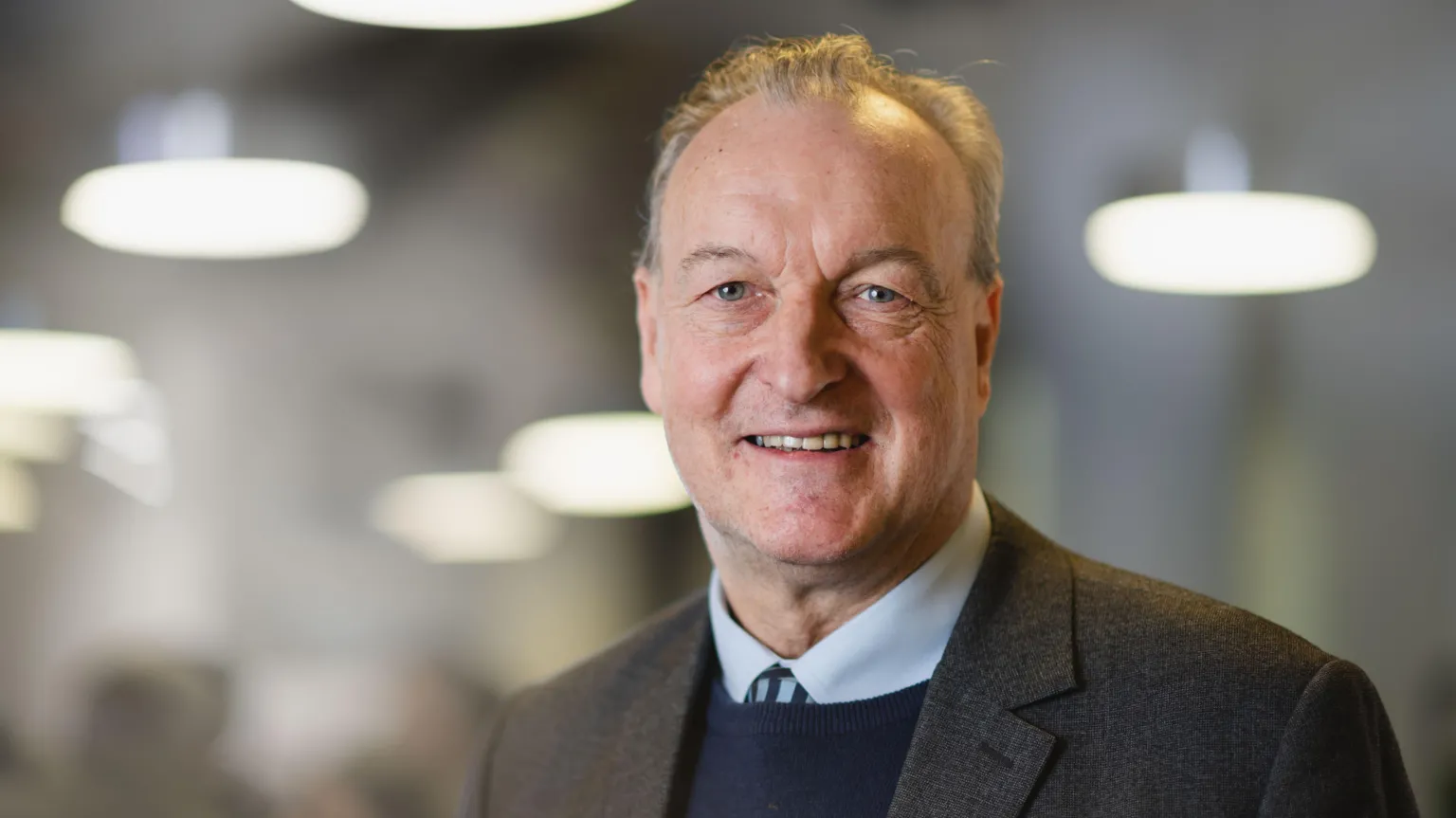
Farrar explained that these assumptions involved making further efficiencies alongside improvements to the healthcare system aimed at delivering better patient outcomes. This includes a stronger focus on encouraging people to avoid hospital admissions by receiving treatment and care closer to home.
He emphasized that the current situation could not continue unchanged and that the department would need to initiate its reset programme regardless of budget approval.
Vision for Healthcare Transformation
Since assuming his role a year ago, Farrar has expressed his belief that Northern Ireland has the potential to develop one of the best health and social care systems globally.
He highlighted progress in negotiating a new contract with General Practice, which has improved relations and reinforced confidence that GPs will play a central role in a new community healthcare system.
"I said that I believe we could have one of the best health and social care systems in the world and I still believe that," Farrar stated.
"But I think to get there, we have to be prepared to take some tough decisions and to move our services closer to home, to look at efficiencies, to challenge our clinicians to be the best they can be, to reduce that variability of care that you often see in Northern Ireland.
"To balance our expenditure, we need to spend more money in community along with general practice balance, mental health and social care those are the areas we need to shift the balance of our expenditure towards."


