

Michael Harkin's Battle with Addiction and Recovery
Five years ago, Michael Harkin's life was dominated by a cocaine and alcohol addiction, a stark contrast to the stable family life he now enjoys with his wife Claire and their children.
At the peak of his addiction, Michael described his life as spiralling out of control amid drug and alcohol-fuelled binge partying.
He believes that without seeking help, he would have died. However, his struggles extended beyond himself, profoundly affecting those closest to him.
Claire highlighted that the experiences of loved ones supporting individuals in recovery are often overlooked. The couple recently spoke about this challenging period at a Voices of Recovery event in Londonderry.
The married pair were among several speakers participating in events organised by the Old Library Trust and the Bogside and Brandywell Health Forum (BBHF) in Derry.
These talks aim to support people affected by addiction, those seeking help, or anyone interested in hearing real-life experiences.
Mo Mahon, a support worker from BBHF, explained that the events focus on changing and challenging misconceptions surrounding addiction.
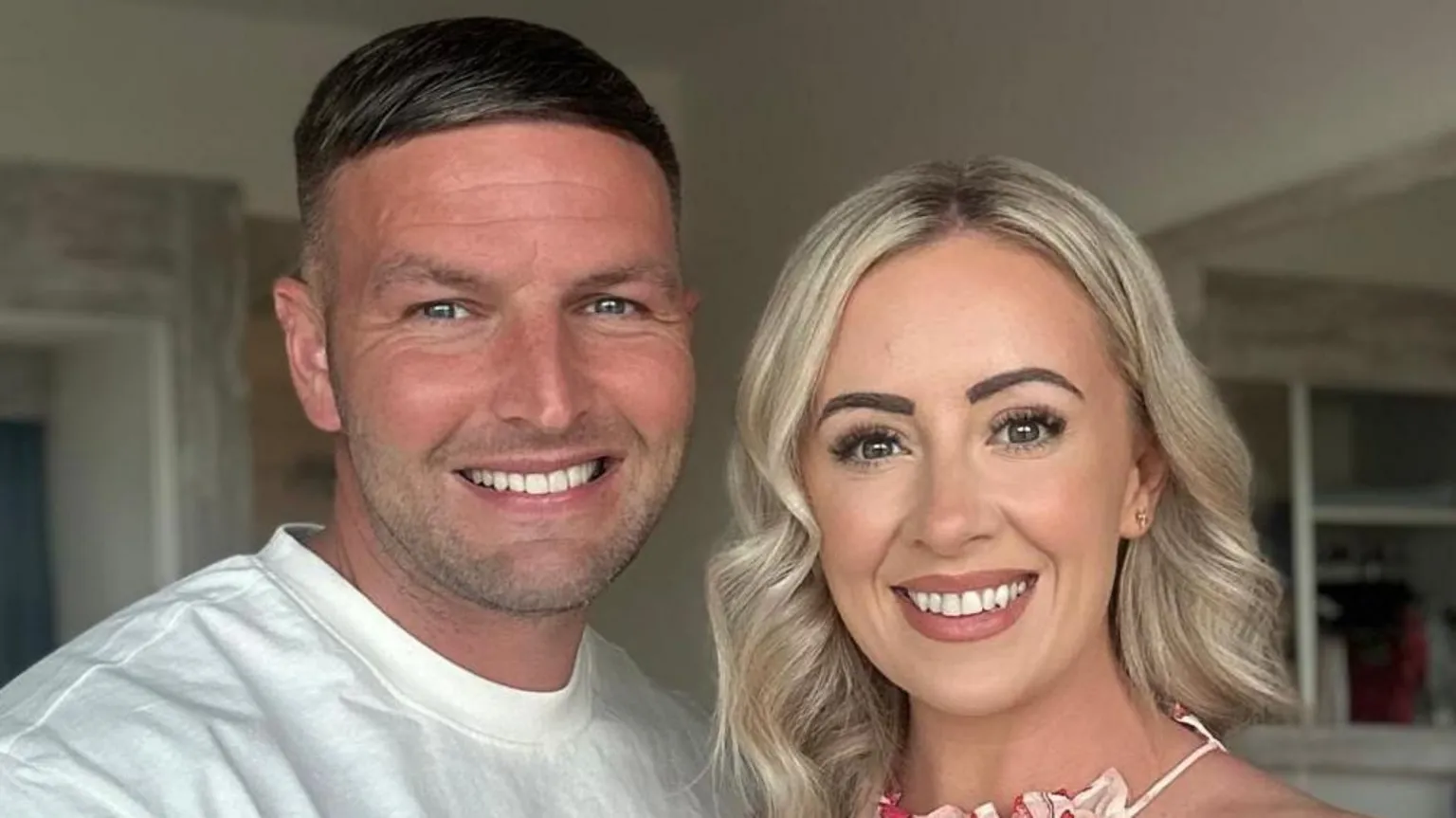
Claire Harkin: Supporting a Partner Through Addiction
Claire Harkin shared that she was initially unaware of Michael's addiction issues during the early stages of their relationship, which began over 11 years ago.
Over time, she observed changes in him and described witnessing the effects of addiction as one of the most difficult experiences she has faced.
"It's hard because you always saw that glimmer of hope in him that he was still there, but it got to a point... I ended up nearly breaking myself to trying to help Michael," Claire said.
"When I had our son, when you become a mammy everything changes... our son didn't need two broken people."
Claire explained that eventually she had to prioritise her own well-being and distance herself to allow Michael to seek help, emphasising that only he could make that decision.

"Eventually, I had to become selfish and shut him out, so that he could get help because only he could be the one to seek help."
She also reflected on the emotional challenges of understanding addiction.
"Sometimes you have to realise that they're not doing it on purpose, they're not doing it to spite you.
"I felt really down, like, 'What's wrong with me? Why is he doing this to me? Is it our relationship?' And then I realised, that it's something Michael was going through, so you have to learn to understand that."
Claire noted that working on herself was crucial to their eventual reconciliation after Michael sought help.
"I went away and worked on myself, and that's the only reason we could come back together after he went and sought help for himself."
Michael's Path to Recovery
Michael admitted that initially, when he first sought help, he was not genuinely ready to change and only pretended to do so to appease others.
"We've become, as they say in the programme, master manipulators," he said.
"We're able to manipulate people around us and they believe we're going to change this time and that this will be the last time, but you can only really manipulate people so long before they start closing the door."
He described reaching rock bottom with drugs and joining a 12-step recovery programme through Heal The Hurt, a Derry-based charity, which marked a turning point.
"I remember looking in the mirror one time and realising, 'I'm gonna die'.
"I eventually said, 'Enough's enough, I want to change'. That was the start of my recovery, and it was for me, not for anyone else - it had to be for me."
Michael and Claire acknowledged that recovery as a married couple presents challenges, but they feel stronger and have learned to manage triggers.
"Even something as simple as a sunny day can be a trigger for him, because in the past he would have loved going to a beer garden and drinking in the sun but now we plan around things like that and talk openly about them," Claire said.
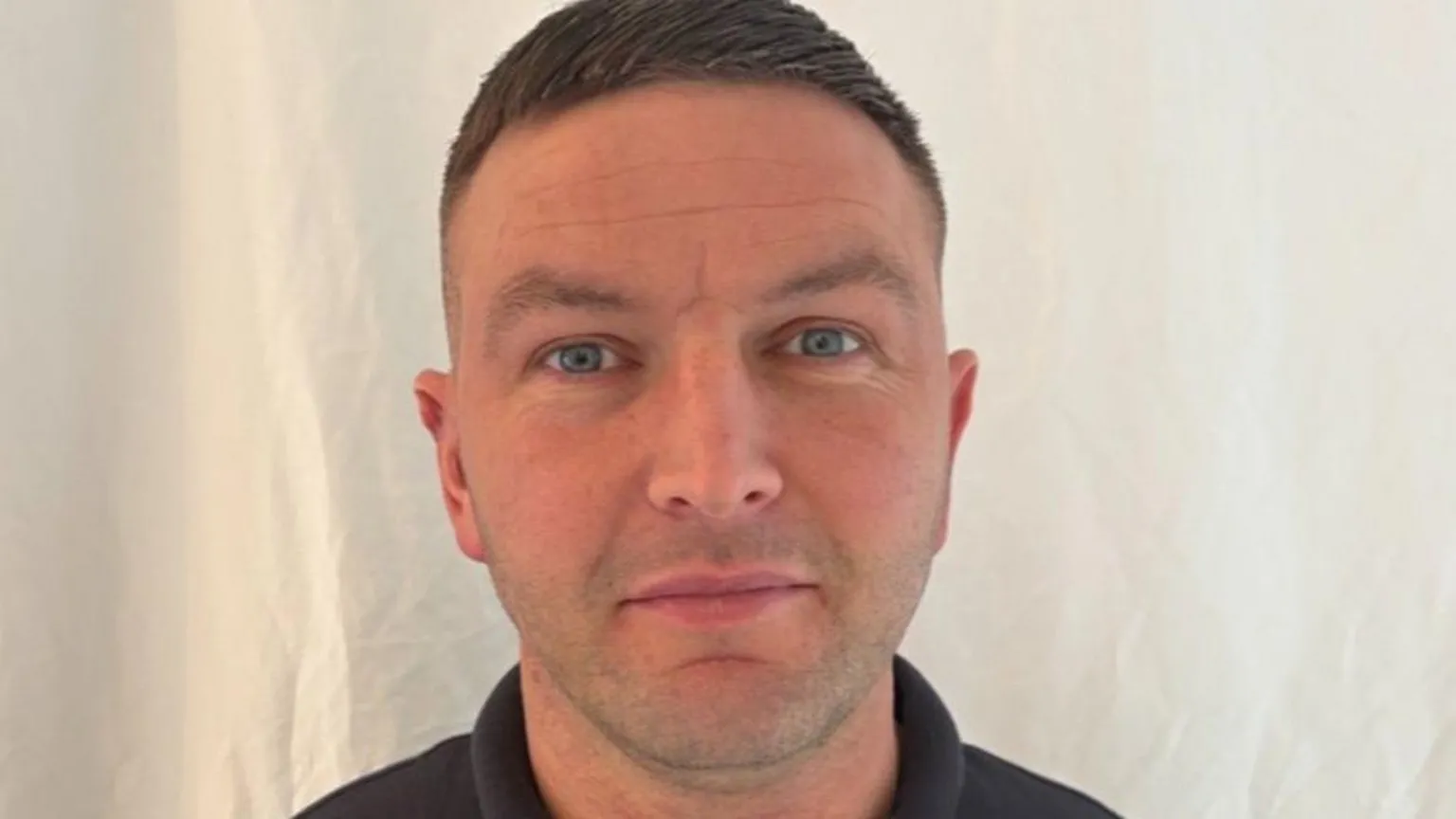
George Conway's Story of Overcoming Alcohol Addiction
Another speaker, George Conway, shared his experience with alcohol addiction, recalling a time when he was in hospital being read his last rites.
"Never in a million years did I think I would be able to give a talk considering where my life was at one point," George said.
"It was nerve-wracking, but if it even helps one other person then it's worth it."
George recounted how addiction left him effectively homeless, living in hostels.
"I ended up in hospital having a seizure, I was there for six weeks in ICU and then I got out of hospital, started to get myself sober and met up with Mo and the rest is history," he said.
Despite being told he might struggle to walk again following spinal surgery, George is now training to become a personal trainer as part of his recovery.
"They told me I couldn't, but I knew I could."
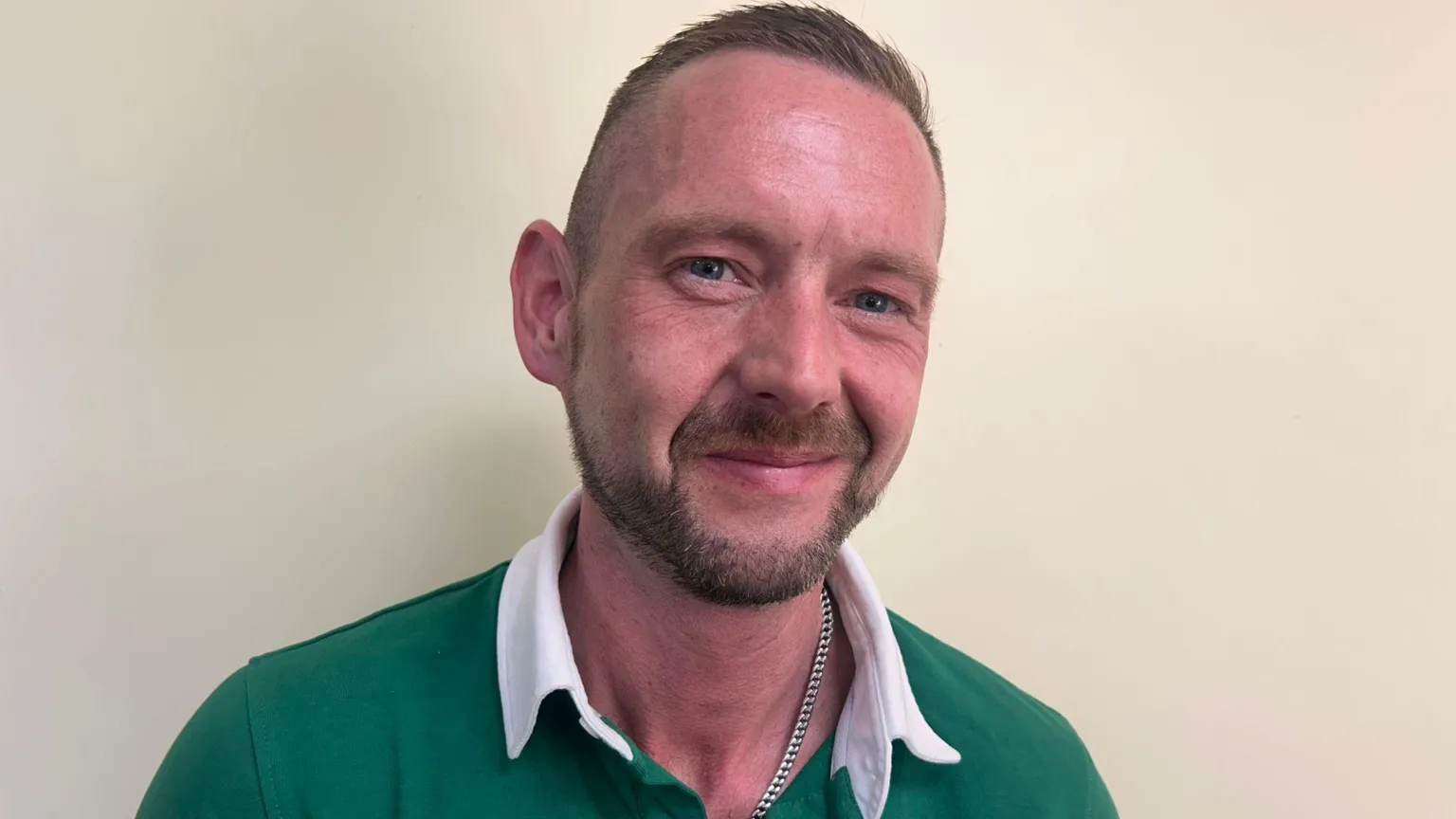
Support and Recovery: The Role of Mo Mahon and the BBHF
Mo Mahon described George's involvement in the Communities in Transition programme, funded by The Executive Office, as a remarkable transformation.
"I'm thankful and proud to be a small part of his recovery," Mo said.
"As he was coming up to four years sober, we knew, after speaking with George, that he was ready to give that talk and share his story.
"Anybody can come to these talks. The stories are always different, but it's all about people coming and taking something away from them.
"People like George become role models through this. He is proof that even when things look bleak, things can always get better if you put the work in."
If you have been affected by the issues raised in this story, organisations offering help and support are available on the BBC's Action Line.


