Architecture and Healing: Kirsty Speers' Experience
Can a building truly contribute to a person's well-being? Kirsty Speers affirms that it can.
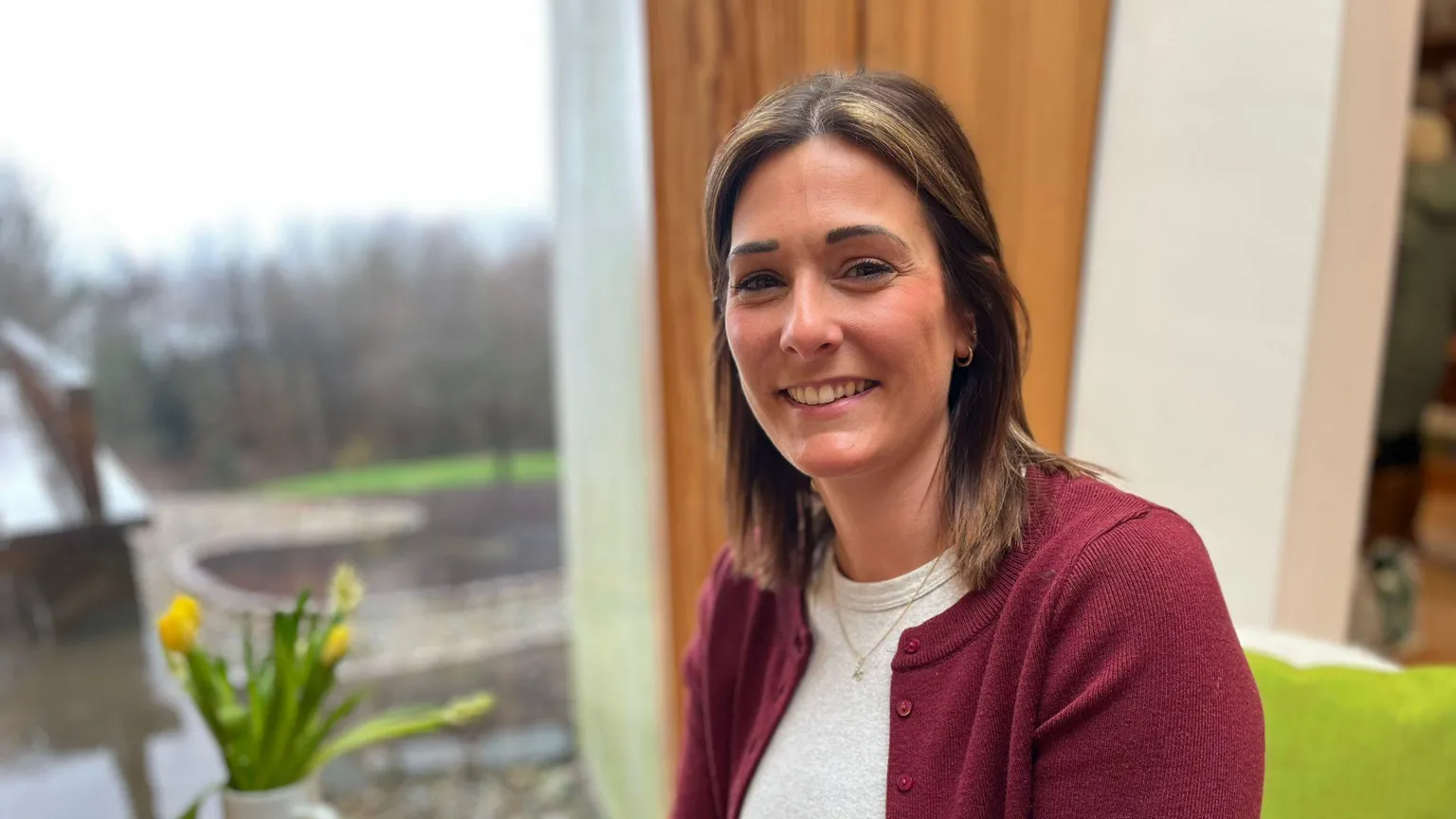
"I think for me it has been so important and instrumental in my journey with cancer, and I have no shadow of a doubt that the building and the space has played a massive role in that - so absolutely," she says.
In 2024, Kirsty was diagnosed with a very rare form of cancer called Pseudomyxoma, which typically originates in the appendix.
She believes that attending the Maggie's Centre in Dundee significantly aided her recovery process.
"It's a space that allows you to have conversations and have that support that you didn't really know you even needed either," she adds.
"I think the building just adds to that immensely."
Exhibition at V&A Dundee: Exploring Architecture and Health
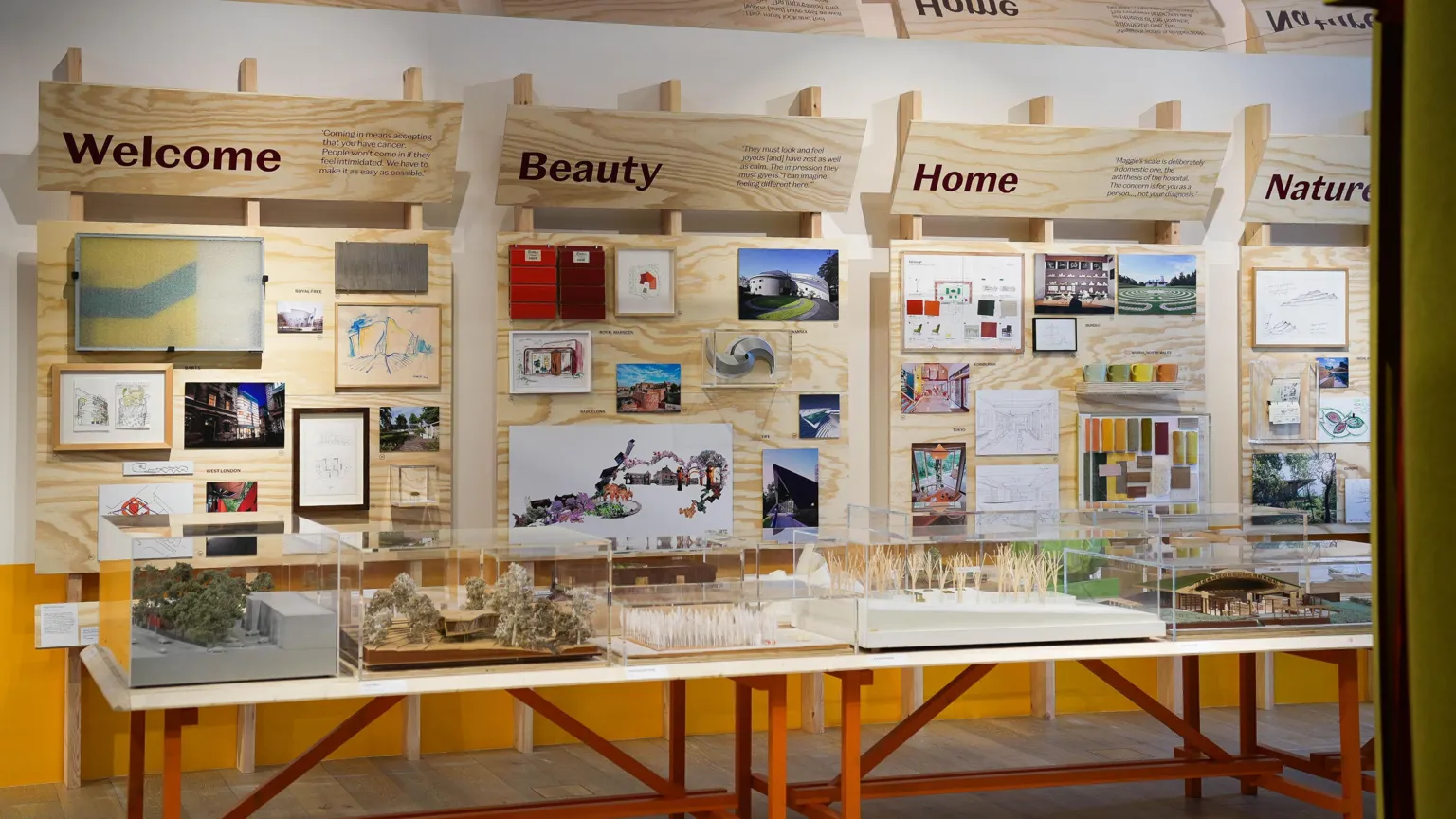
Kirsty's story is featured in a new exhibition at the V&A Dundee that examines the relationship between architecture and health, commemorating 30 years of Maggie's Centres.
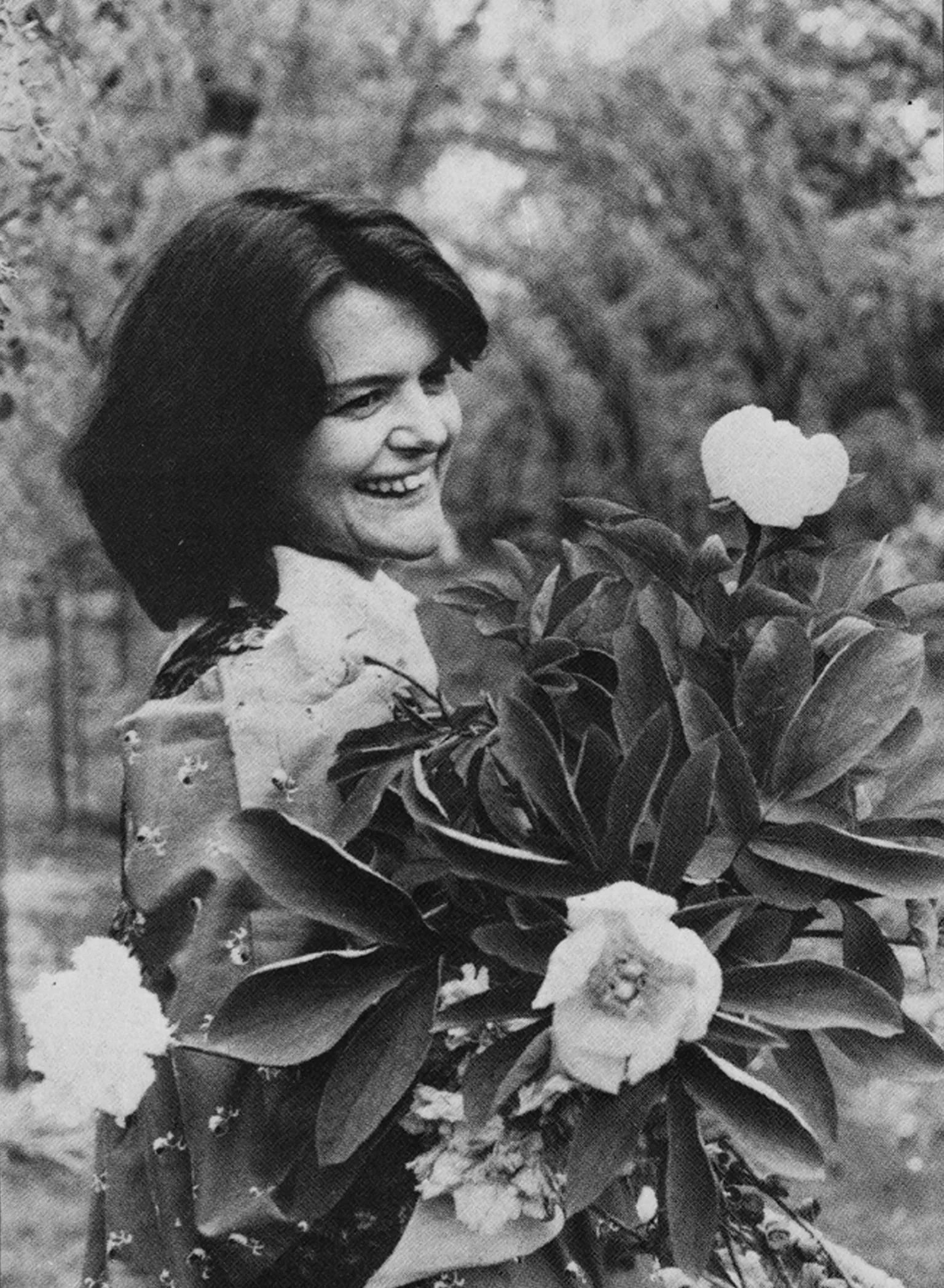
The original concept for Maggie's Centres was developed by Maggie Keswick Jencks during her battle with advanced cancer.
She was a writer, gardener, and designer who envisioned buildings that would help individuals "not to lose the joy of living in the fear of dying."
Although she passed away before the first centre opened in Edinburgh in 1996, her vision combined exceptional architecture with expert care.
Curator's Perspective on Maggie's Centres
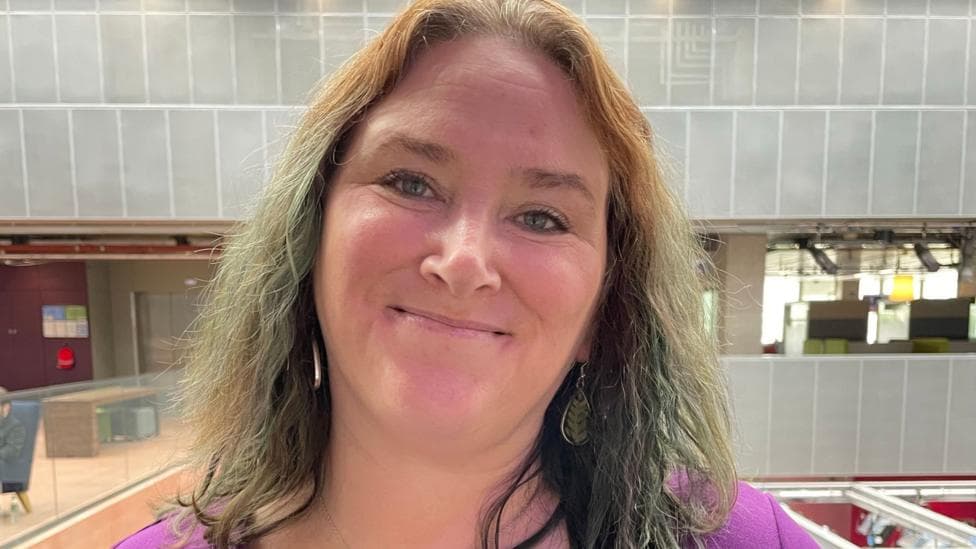
Meredith Moore, the curator of the exhibition, emphasizes the impact of architecture on well-being.
"I believe really strongly that a building has the power to make you feel better," she says.
"And I think Maggie's Centres are an amazing example of this."
Following Maggie's death, her husband, architect Charles Jencks, oversaw the development of additional cancer centres across the UK and internationally.

He enlisted some of the world's most renowned architects, including Frank Gehry, Zaha Hadid, Richard Rogers, Norman Foster, and Benedetta Tagliabue, to design the buildings.
Meredith Moore describes the experience of those living with cancer and their families as beginning from the moment they enter a Maggie's Centre.
"They put a lot of effort into the welcome that you receive when you come into a centre and that's both architecturally in the way that the entrance is designed to be generous, to be approachable, but also in the way the staff come and help you and approach you in a calm and supportive way," she explains.
"People describe walking into a Maggie's centre like they're having a hug, they're getting a hug, because it's warm, it's inviting.
"And so, if that's not evidence that a building can make you feel better, I don't know what is."
Design Features and Impact on Visitors
The centres provide a nurturing environment distinct from the clinical atmosphere of hospitals.
They feature abundant natural light, comfortable furnishings, views of nature, and a homely ambiance.
At the Maggie's Centre in Dundee, several individuals living with cancer discuss the significance of having such a space.
"There's a sense of calm. You feel grounded," says Kate Johnson as she attempts to articulate the building's effect on her.
Lesley Barnes suggests the light may play a role.
"It doesn't matter if it's raining outside, the building is still bright. There's lots of windows," she says.
Her son David Barnes, seated opposite her, adds: "It just makes me feel calm.
"And coming in, it's just all the things on my shoulders. It just goes really calm and I just love it here so much."
Centre Management and Ongoing Support
Karen MacKinnon, manager of Maggie's Dundee, witnesses the profound impact cancer has on people's lives daily.
"It's a really challenging time and I think this building is absolutely beautiful," she says.
"It is a calming space and it really supports people."
Since the first centre opened in Edinburgh thirty years ago, there are now 27 centres across the UK and four internationally.
Each centre is unique in design but shares a common purpose: to provide environments that are thoughtfully designed to care.
The exhibition celebrating this legacy opens on Friday, 6 March at the V&A Dundee.