Introduction to Dr. Ieuan Phillips' Research
Dr. Ieuan Phillips, aged 25, has uncovered a previously unexplored aspect of football heading and its potential impact on players' brains. His research aims to initiate meaningful change within the sport by addressing the risk of neurodegenerative diseases among footballers.
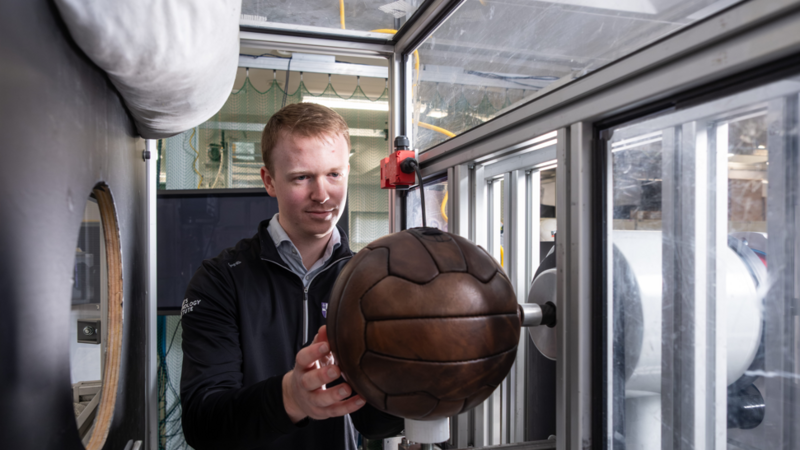
During the Covid-19 lockdown, Phillips studied existing literature regarding the increased incidence of neurodegenerative conditions in football players. Motivated to understand the brain's response to heading footballs, he embarked on a PhD at Loughborough University. After five years, his findings challenged established assumptions in the field.
Phillips recalled the skepticism he faced at the project's inception:
"People doubting me is never a barrier, I'm just happy to trust my gut and go and do stuff anyway."
He also cited Jürgen Klopp, former Liverpool manager and a personal inspiration, who valued converting skeptics into believers.
Raised in the Brecon Beacons, Phillips has long been passionate about sport and its positive effects on individuals. He sought to merge this passion with efforts to enhance safety in sports participation.
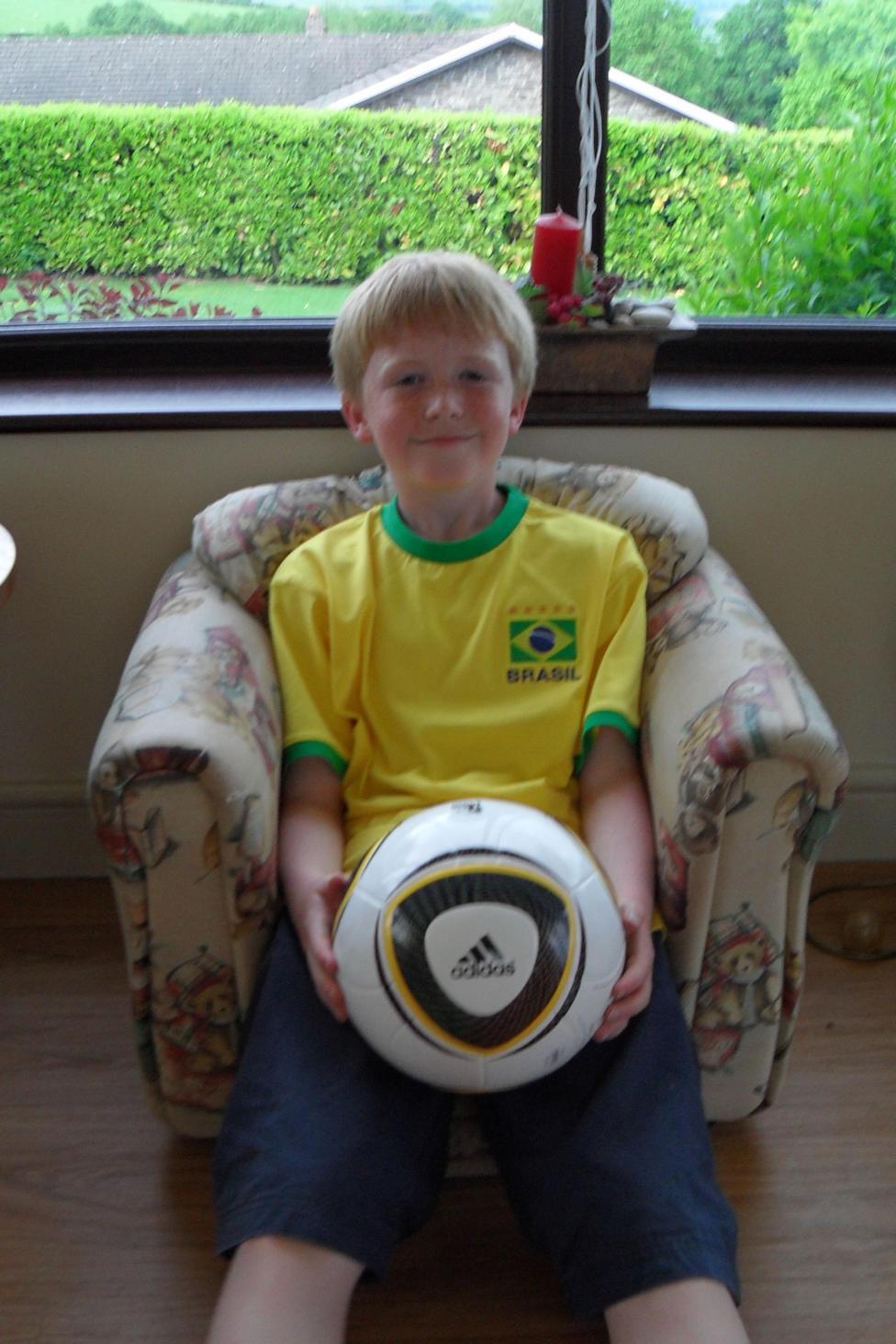
Phillips has maintained an interest in sports equipment since childhood, recalling receiving the Jabulani World Cup ball for his 10th birthday.
Understanding the Impact of Heading Footballs
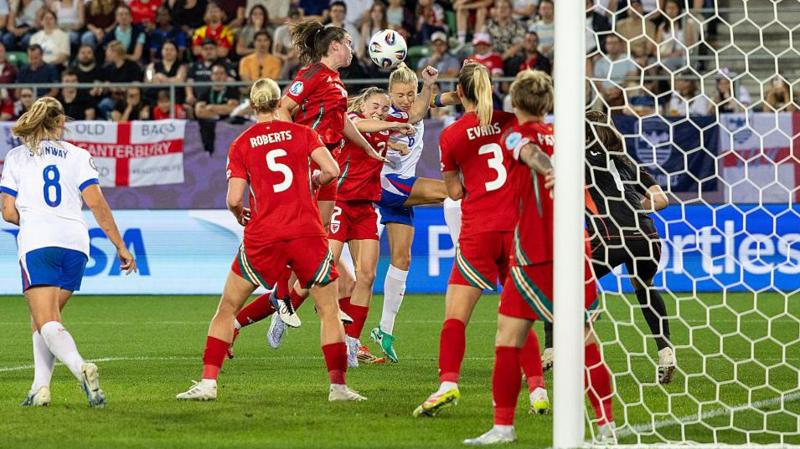
Heading a football is a brief action that seldom causes concussions, yet it may contribute to dementia in players decades later. Phillips explained that the cumulative effect of repeated, lower-level impacts over a career could be significant.
Pathological examinations have indicated that footballers exhibit a distinctive pattern of brain damage, particularly concentrated in the frontal region.
"So we were curious about whether there might be these pressure waves. Nobody had ever thought about looking at that before."
Funded by England's Football Association, the research analyzed various footballs used throughout the sport's history to determine if risk levels have changed over time.
Phillips described his role:
"My job is to fire footballs at test dummy heads and see what happens."
Despite initial doubts from established researchers unfamiliar with the concept of pressure waves, Phillips persisted.
"No-one knew they needed a smartphone until someone built one. It's a little bit like that."
Experimental Methods and Findings
The team designed experiments employing an advanced head model equipped with pressure sensors. They used a large ball cannon to propel footballs at the model skull at speeds ranging from 29 mph (47 km/h) for gentle passes, 40 mph (64 km/h) for corners, and 51 mph (82 km/h) for shots.
Phillips noted the importance of varying speeds:
"We see the energy transfer characteristics change with speed so varying this is important."
When a player heads the ball, a pressure wave travels through the skull into the brain.

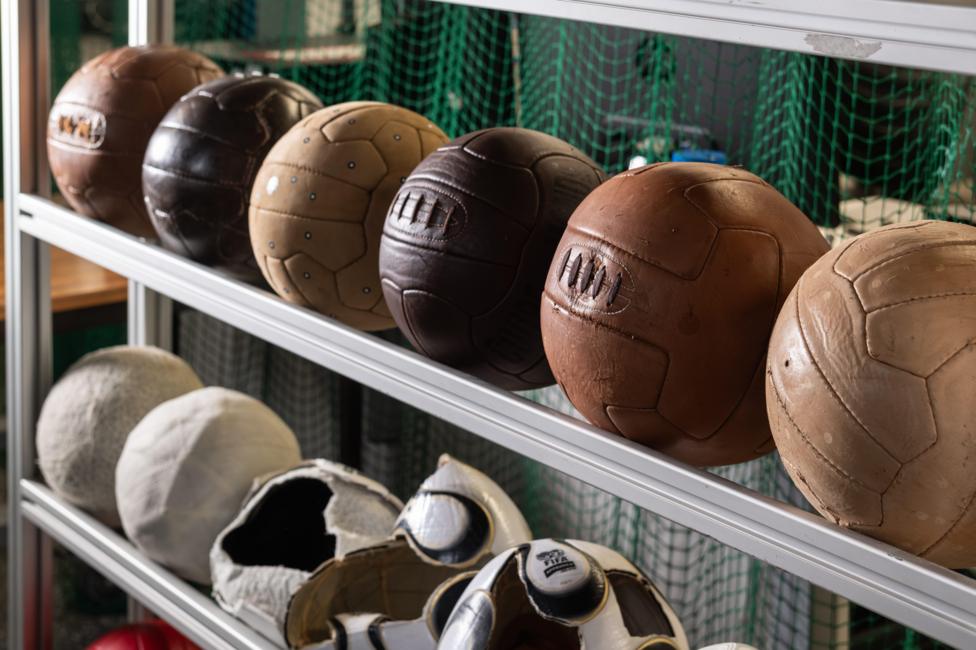
The study tested 20 different football types, spanning old leather designs to modern balls. Contrary to popular belief, the older, heavier leather balls that absorbed water were not necessarily more damaging.
Although wet leather balls increased impact compared to dry conditions, modern footballs—whether wet or dry—transferred similar or greater energy levels.
In dry conditions, leather balls transferred up to 55 times less energy than the highest-impact modern designs.

"For context, I've tested footballs in a number of different tests for a number of years and if you get 10% difference, that's a big difference. These balls all pass the laws of the game. So they're all very legitimate footballs."
Ball Construction and Its Effects
The significant differences in energy transfer are attributed to the construction of the balls rather than their brand or era.
Modern footballs typically consist of multiple layers, including a bladder, textile layers, foam, and others laminated together to create a stiff structure. In contrast, leather balls were simpler, made from a single piece of leather.
Phillips illustrated the phenomenon by comparing it to hitting a table and observing ripples in a glass of water placed on it.
He likened the impact of a football on the head to blast exposure from repeated weapon firing, emphasizing that the pressure wave occurs almost instantaneously, prior to any head movement.
Over a career, a footballer may head the ball thousands of times during training and matches, each impact generating these small pressure waves within the brain.
Future Directions and Hopes
Phillips expressed hope that his research will serve as a foundation for developing a football with a safer impact profile.
"It weighs on me, I suppose, that perhaps this research has come a little bit too late for some people. We don't know what their neurodegeneration outcome will be. But it's that hope for future generations thing that really gives me a lot of heart. And I think it hopefully gives everybody something to focus on and a direction to go with it."
He emphasized football's benefits for physical and mental health, noting that even studies indicating higher neurodegenerative risk among players show relatively small percentages.
Phillips advised caution but discouraged panic, stating:
"There are things that can be done about this pressure wave."
He called for further research to translate laboratory findings into real-world applications.
"What we do is we measure energy in a lab with dummy heads. What effect that has on the brain remains to be seen," Phillips said. "But having said that, we know that pressure waves are a well-established cause of brain injury, both short and long term in other contexts."
Considerations of Anatomical Differences
The experiment used a dummy head based on average MRI data of an adult Japanese male, provided by the Tokyo Institute of Science, a partner institution.
Phillips highlighted interest in anatomical differences between males and females, particularly in skull thickness and geometry, which may influence impact effects.
"One of the big things I'm really interested in is the differences between males and females," he said. "One of the big things with the female skull is that it is anatomically slightly different both in thickness and geometry. So that might have an effect, but we haven't studied that yet. I think it is a really key thing to look at."
Collaborations and Expanded Testing
Phillips aims to collaborate with neuroscientists to investigate trauma thresholds and establish energy levels that cause brain damage.
He also intends to expand testing to a larger scale, enabling parents and teams to assess risks and potentially contribute to safer ball development.
"I hope that people can see the importance of it and don't let the opportunity go," he said. "We shouldn't assume that change just happens because this hasn't happened yet and it won't happen without people getting involved."
In the short to medium term, Phillips envisions a football on the market designed to reduce impact risks.
Such a ball would require different materials and layers to protect players while maintaining bounce and performance, preserving the integrity of the game.
The final design depends on future research outcomes.
Reflecting on the origin of his idea during lockdown, Phillips said:
"If you strip it right back to the start when I was sat in lockdown during Covid and had the idea of could you make a football that is 'safer to head'. It would be lovely, a really full circle moment. I think that would be a really powerful moment and a moment of genuine change. If we get this right, we can protect players without changing the game and that's something everyone should be able to get behind."