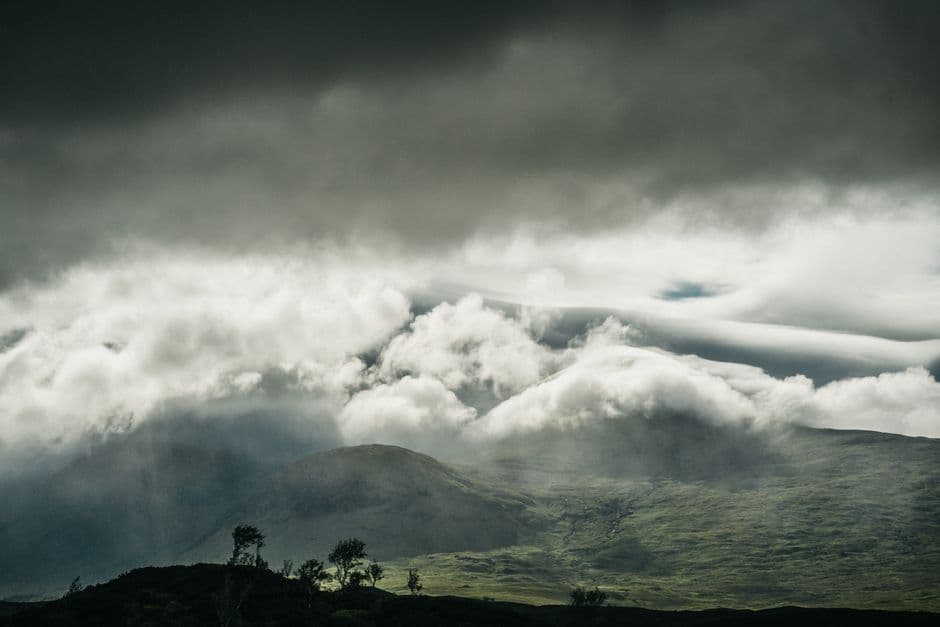
Wildfires Across Southern Europe Prompt Evacuations and Restrictions
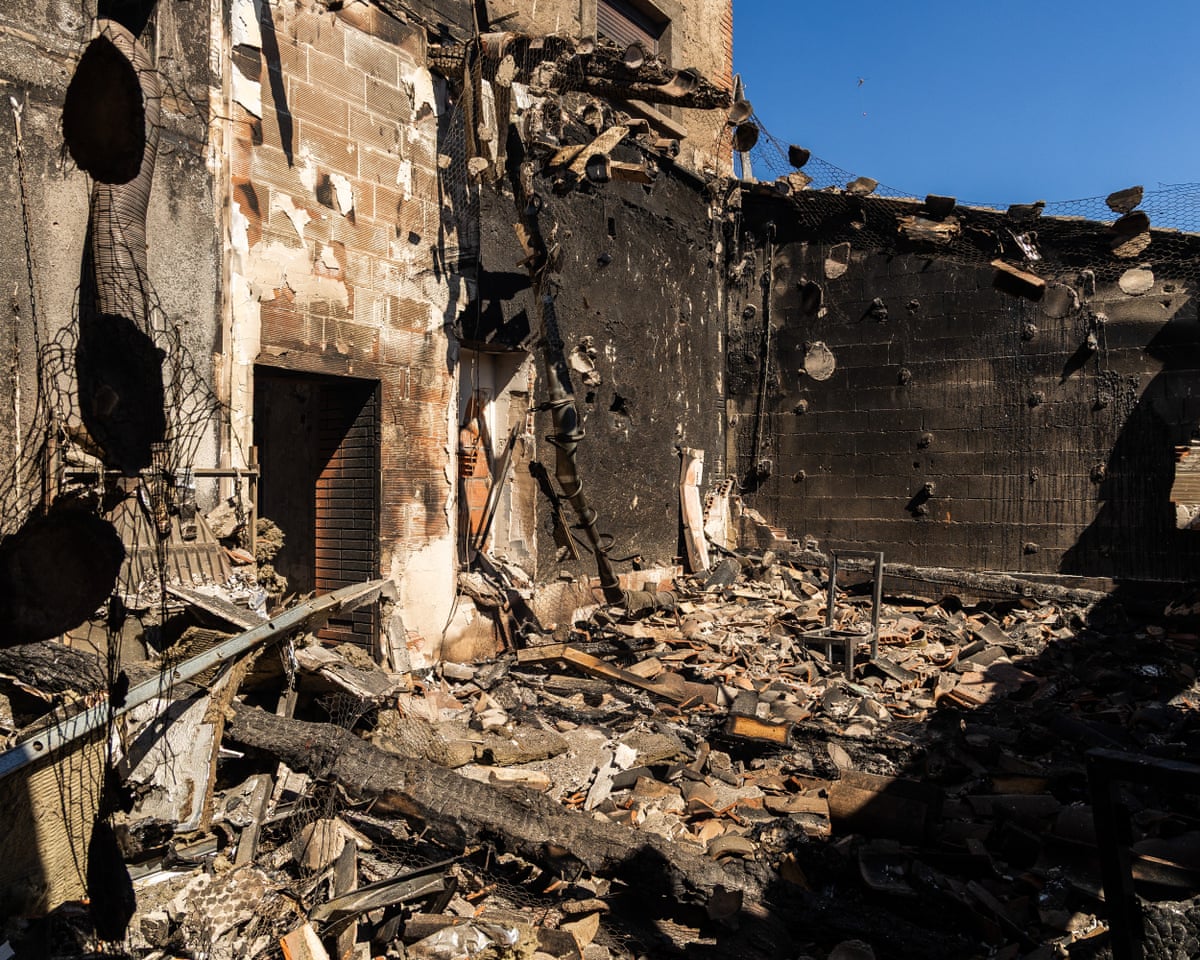
Wildfires raging across southern Europe have compelled thousands to evacuate their homes and led officials to prohibit spectators from attending a stage of the Tour de France, amid warnings of "powder keg" conditions following a record-breaking early summer heatwave.
Hundreds of firefighters are actively combating fires that have consumed nearly 20,000 hectares (49,500 acres) across France, Spain, Portugal, and Greece. Forecasts indicate strong winds that may exacerbate the flames, with temperatures expected to rise again this week.
In the remote foothills of the French Pyrenees near the Spanish border, approximately 700 firefighters are struggling to contain an uncontrolled wildfire that has scorched 5,000 hectares and necessitated the evacuation of over 10,000 residents.
“This morning, conditions are deteriorating again,” said the French interior minister, Laurent Nuñez, on Monday, adding that with wildfires now blazing in five departments, twice as much land had burned in France so far this season compared with the same time last year.
The European Union announced on Monday the deployment of four waterbombing aircraft to France from Cyprus and Sweden to assist firefighters near the city of Perpignan. European Commission president Ursula von der Leyen stated, "Europe stands with France."
The Pyrenees fire has nearly tripled in size since Sunday. A local resident, Patrice from the village of Trévillach, described the rapid spread of the fire:
“It came within 300 metres [984ft] of the houses. We were shocked by how fast it spread, it was staggering – bordering on panic.”
The wildfires follow an early May heatwave and another in June that shattered temperature records across western Europe, resulted in thousands of excess deaths, and left extensive areas vulnerable to fires.
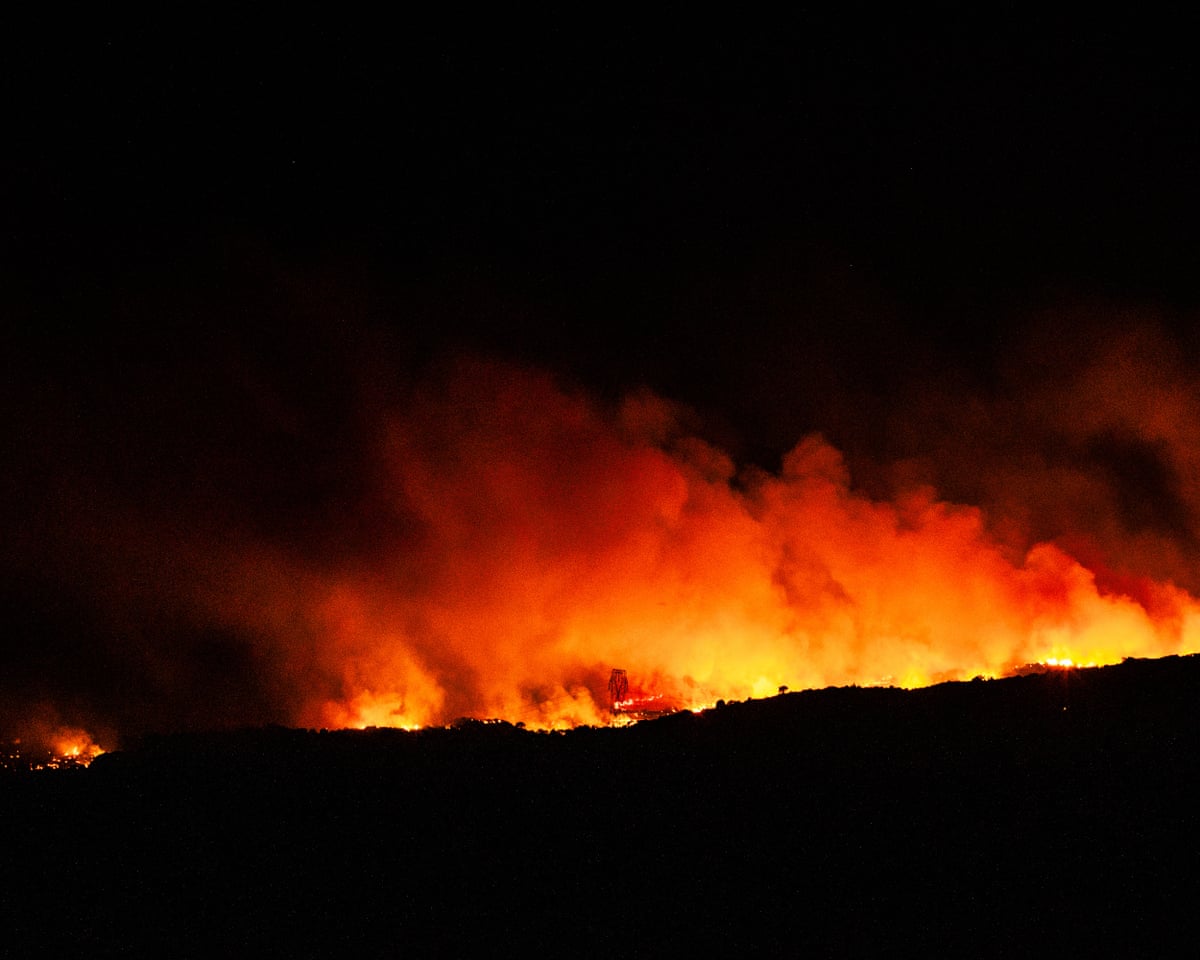
Chantal Mauchet, the prefect of the Hérault department in southern France, where several fires have burned at least 300 hectares, noted on Monday that the wildfire season had "essentially started three or more weeks early."
The World Weather Attribution group of scientists stated that the extreme June temperatures would have been "virtually impossible" without the influence of climate change. Temperatures are forecast to reach 40°C locally this week.
“Climate change is here, we are living the consequences and it is only the start of July,” said Eric Belgioino, the fire chief for Pyrénées-Orientales. “This season is going to be a long one for the soldiers fighting fires. You have to help us.”
Due to the ongoing fires, the eastern Pyrenees prefect, Pierre Regnault de la Mothe, ordered Tour de France spectators to "not go near the route or to the finish area" of Monday’s third stage of the race through the Pyrenees from Spain into France. The event was limited to the passage of riders and essential vehicles only.

On the Spanish side of the border, fire has consumed 2,200 hectares, 97% of which is within the protected natural area of Les Gavarres. Eduard Martinez, head of operations for the Catalan fire service, reported the blaze perimeter extends 40 km (25 miles).
Firefighters indicated their efforts were complicated by rising temperatures and numerous "smoking hotspots" within the fire perimeter but announced late Sunday that the blaze was stable and expected to be extinguished during the week.
South of Catalonia, in Spain’s eastern Castellón province, over 500 people were evacuated after a wildfire spread into the Sierra de Espadán national park.
In central Portugal’s Vouzela area, more than 1,200 firefighters supported by nearly 400 vehicles and 15 aircraft have been combating a fire that began on Thursday and had burned 13,000 hectares by Sunday.
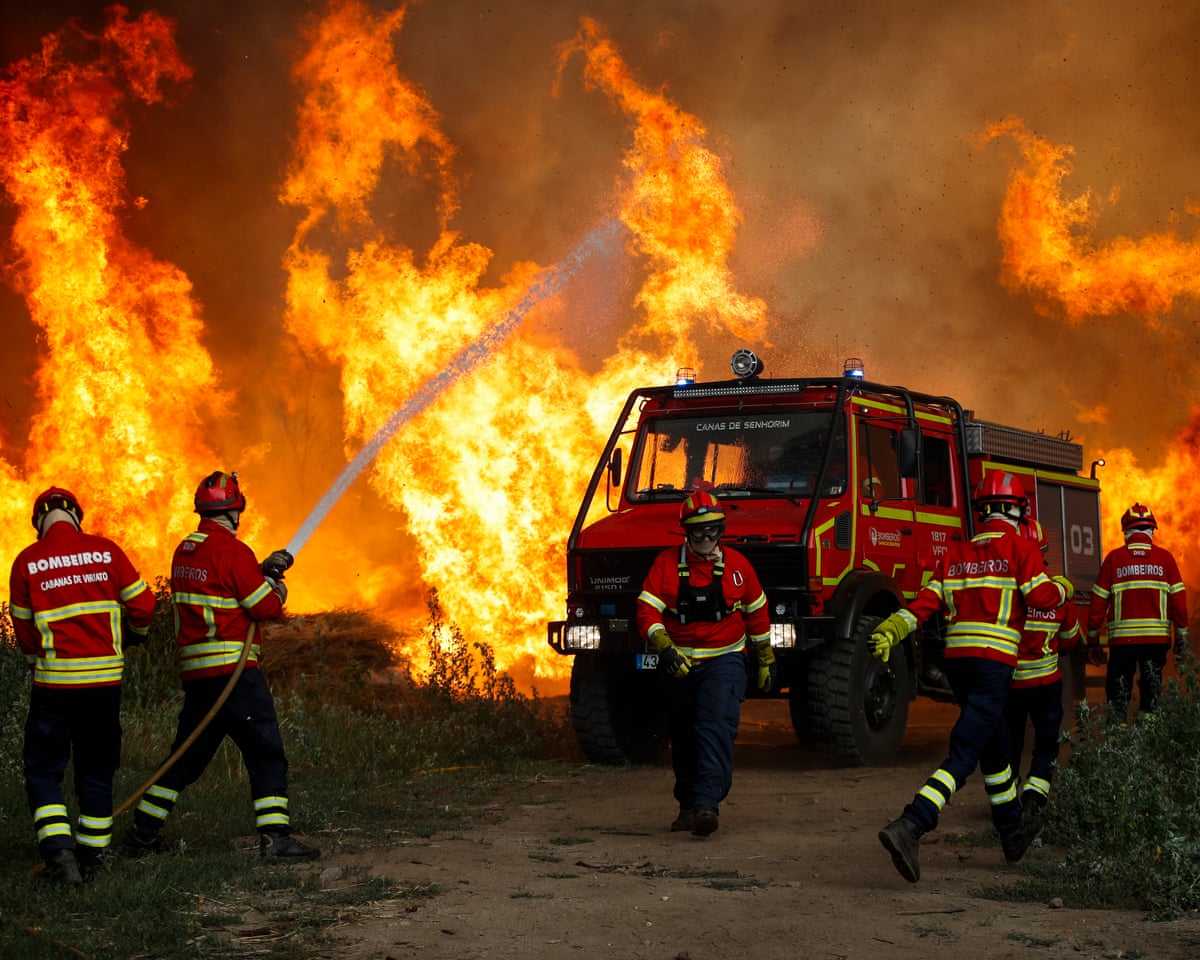
Spain and Italy dispatched firefighters and aircraft to assist, and emergency services reported on Monday that while dangerous spots remain, 80% of the blaze is under control. Portugal’s interior minister, Luís Neves, described the situation as a "powder keg."
Elsewhere, large fires destroyed hundreds of hectares of forest, vineyards, and scrub on the Croatian island of Hvar and at Tale in Albania. In Greece, which largely avoided last month’s heatwave, flames from a forest fire spread to two factories in the northern city of Thessaloniki.
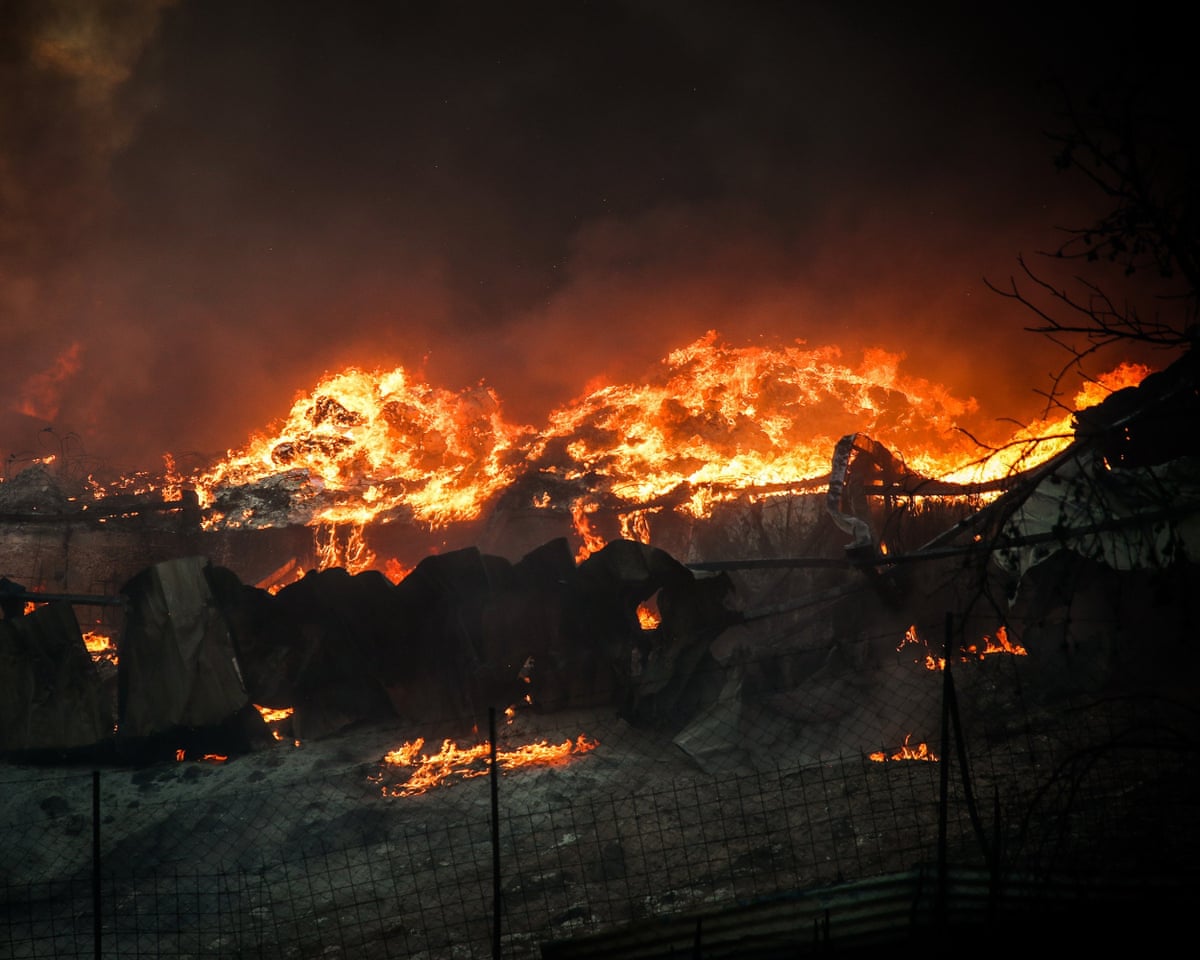
Greek authorities issued evacuation alerts for three suburbs and advised residents in parts of Thessaloniki to stay indoors and close windows and doors due to toxic smoke from one of the factories, a recycling plant.
Another significant wildfire broke out Sunday afternoon west of Athens, with 210 firefighters, volunteers, specialized teams, and 29 aircraft deployed to combat the blaze affecting pine forest in the Mandra area.