Insect Migrations: A Hidden Phenomenon
Every year, trillions of insects undertake vast journeys across mountains, deserts, and oceans, largely unnoticed. Only recently, as their populations face significant declines, have scientists begun to track these remarkable movements.
On a clear, sunny day in October 1950, ornithologists Elizabeth and David Lack witnessed an extraordinary event at the 2,200m-high Puerto de Bujaruelo mountain pass on the French-Spanish border in the Pyrenees. They observed up to 500 butterflies fluttering past, followed by dragonflies outnumbering the butterflies ten to one by mid-afternoon, with thousands of tiny flies filling the gaps between.
This day marked the first recorded observation of large-scale insect migration in Europe, revealing skies filled with tiny travelers undertaking long-distance journeys previously unknown to science. It took decades before the concept of insect migration gained recognition.
Today, it is understood that insects, many with wings smaller than a human fingernail, are among the planet’s most prolific migrants, with trillions traveling great distances annually, including over deserts, mountain ranges, and oceans.
Can Butterflies Cross the Atlantic?
In 2013, Spanish entomologist Gerard Talavera was searching for butterflies on a beach in French Guiana when he spotted painted lady butterflies, species not known to inhabit South America. This observation initiated a decade-long investigation into whether butterflies could cross the Atlantic Ocean, a feat previously unproven and challenging existing knowledge about insect capabilities.
Talavera assembled a multidisciplinary team of biologists, geneticists, and atmospheric scientists to reconstruct this seemingly impossible journey.
Their findings, published in 2024, provided the first direct evidence that any insect had crossed the Atlantic. Talavera noted,
“It’s likely it happens quite often.”Ten years prior, it was confirmed that painted ladies crossed the Sahara as part of their annual migration.
Painted ladies cannot survive winter in colder climates and migrate as seasons change, guided by environmental cues such as day length, temperature, and availability of plant food. They strategically utilize winds to reach their destinations.
Upon arriving at breeding grounds, fresh vegetation enables females to reproduce extensively, with a single female capable of laying thousands of eggs. Subsequent generations may continue the migration cycle as seasons change.
Can Moths Navigate by the Stars?
Some insect migrations are visible. In Australia, the bogong moth migration has been known for centuries. First Nations people traditionally smoked moths out of caves for food during festivals. These moth swarms can be so large that meteorologists have recorded them.
By the 1970s, it was established that nocturnally migrating birds use stars for navigation, leading scientists to suspect bogong moths do the same.
Studies revealed that bogong moths can maintain a straight flight path for several meters, demonstrating that insects with brains one-tenth the size of a grain of rice can use the starry sky as a compass over hundreds of kilometers night after night.
Dr David Dreyer, a research engineer from Lund University in Sweden, described this as a groundbreaking discovery:
“Try to walk from Amsterdam to Vienna in a straight line without your phone or a compass, at night-time and without ever having been to Vienna, good luck!”
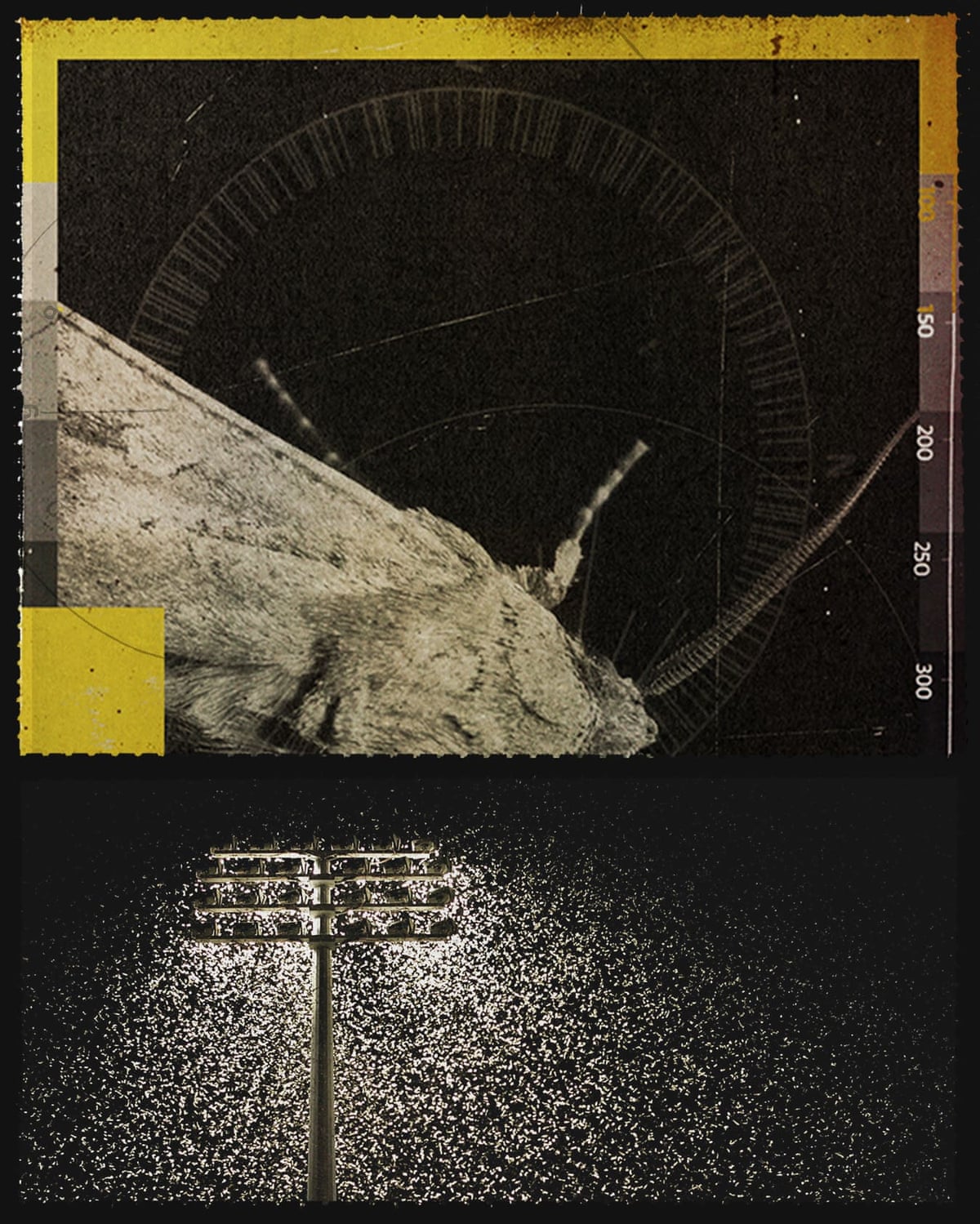
On cloudy nights, moths rely on Earth’s magnetic field for navigation. However, light pollution poses challenges, as moths passing over large towns during their spring journey to the Australian Alps may become disoriented or trapped. This phenomenon occasionally causes mild panic when moths swarm around buildings in Canberra.
Bogong moth populations have suffered catastrophic declines in recent years, likely due to severe drought, habitat loss from agricultural expansion, and increased pesticide use. At the onset of the 2017 drought—the most severe on record—there was a drastic reduction in the bogong moth population.
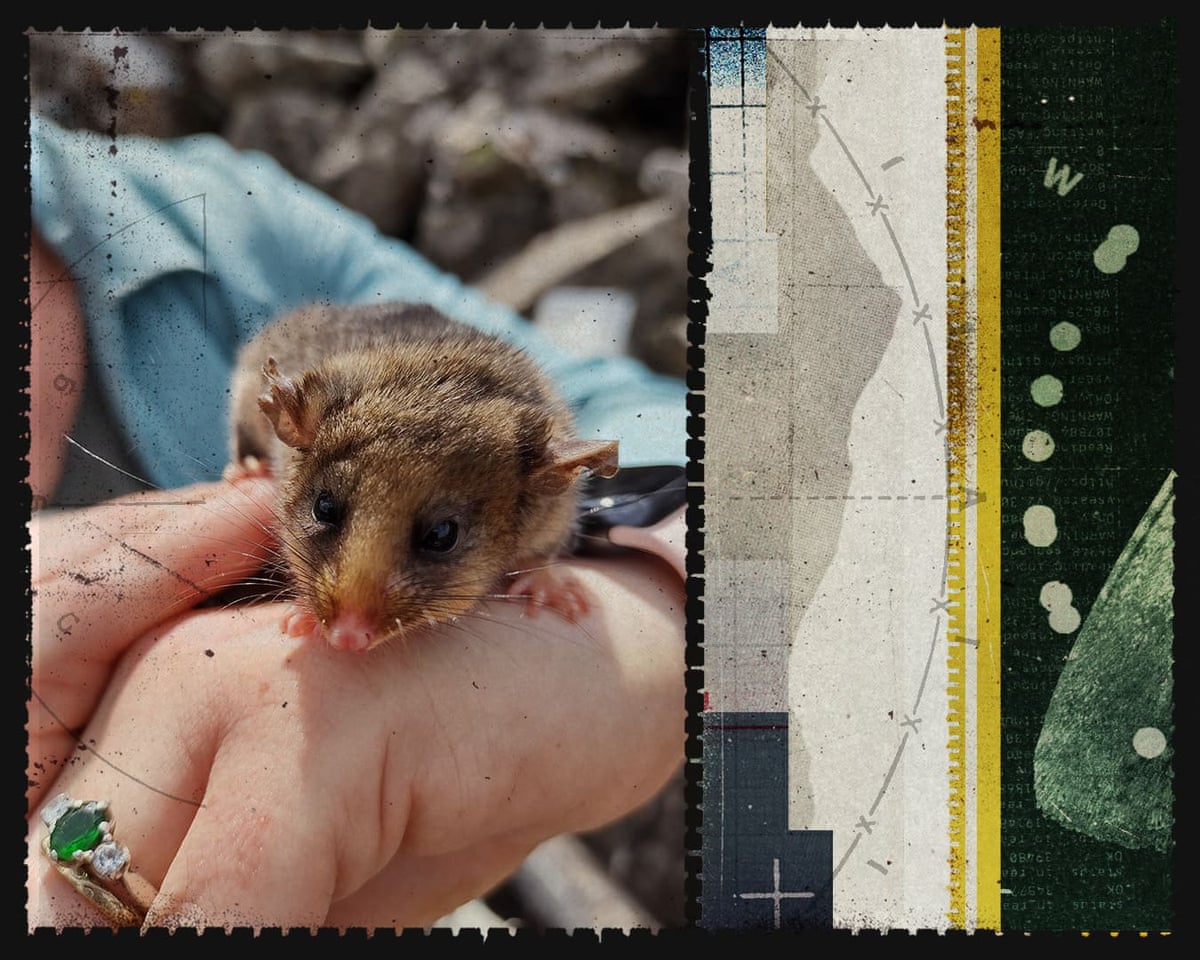
This decline has impacted other species, such as the mountain pygmy possum, which depends on moths for food upon emerging from hibernation in early spring. Following the drought, baby pygmy possums were found dead in their mothers’ pouches.
In recent years, bogong moths have shown signs of partial recovery, though their numbers remain below pre-crash levels. With droughts in southeast Australia expected to worsen, the moth’s future remains uncertain.
How Are Insects Tracked?
Unlike birds, insects are generally too small to tag and too numerous to monitor individually, making their study uniquely challenging.
Over time, scientists have developed innovative methods to study insect migrations. Some have followed insects in aircraft, such as dragonflies riding winds across Switzerland, while others have used fluorescent powder to mark insects for later capture.

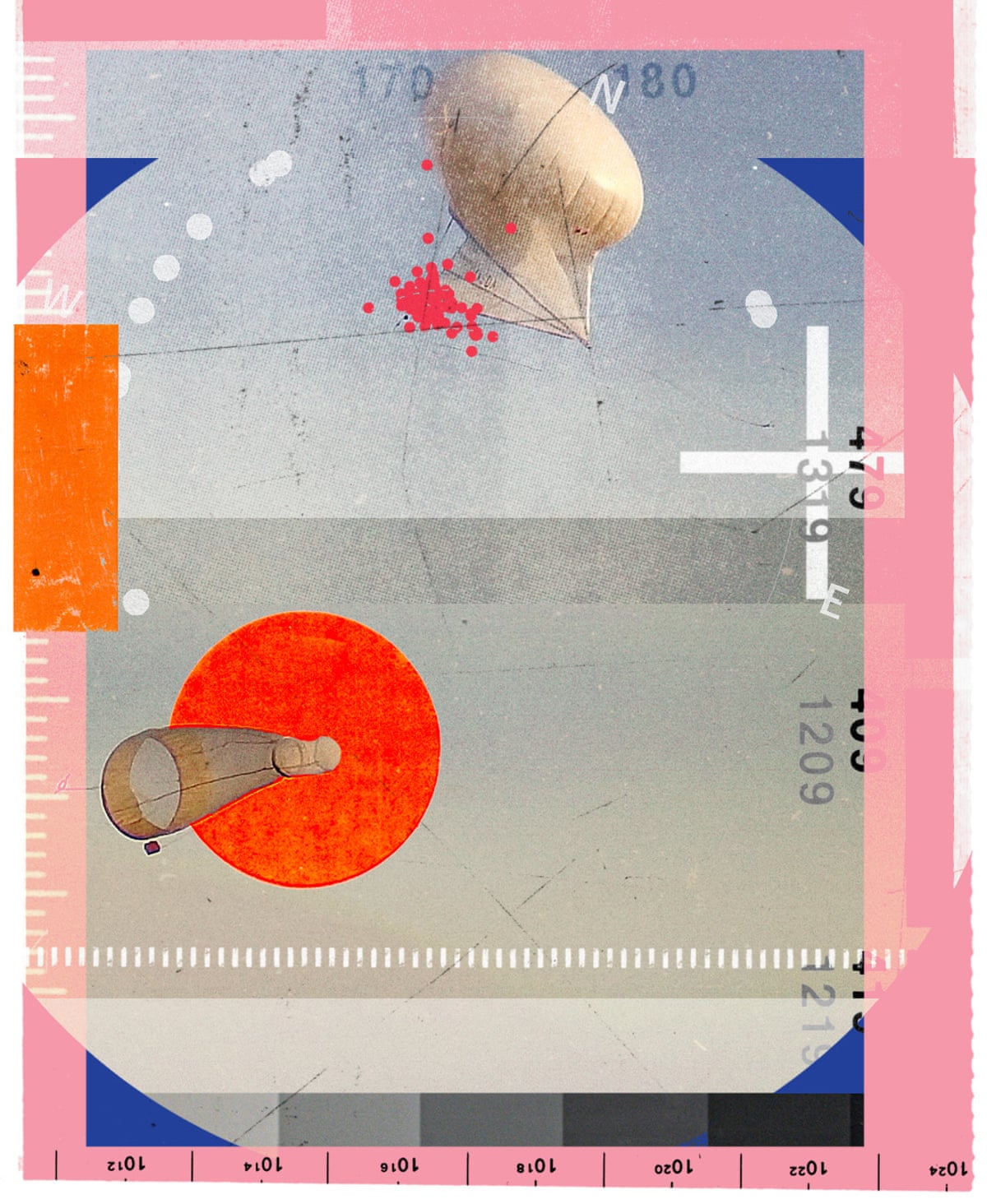
Dr Jason Chapman, a behavioral ecologist at the University of Exeter, revolutionized the field by employing radar and a blimp to quantify the invisible conveyor belt of insects flying hundreds of meters above the ground.
For over a decade, Chapman's team operated two radars at Cardington airfield in Bedfordshire, scanning a kilometer into the sky like searchlights to record any crossing insects. They suspended a one-meter-wide net from a five-meter-long blimp, functioning like a trawler net to fish insects from the air.
The net operated continuously for seven months, collecting hundreds of insects, including species too small to be detected by radar. Chapman personally examined thousands of insects and enlisted volunteers to identify less common specimens.
The research revealed that over three trillion insects migrate annually over southern England. Chapman described this as the first study to examine insect migration as a mass of species, a largely unknown phenomenon before then.
There are approximately 24,000 insect species in the UK, most of which remain unstudied. About 5% of these species are migratory. Chapman noted,
“Some of the migratory species are among the most abundant and successful,”including ladybirds, lacewings, and aphids. Insect migrations typically span multiple generations, so no single individual completes the entire journey.

Return to the Pyrenees
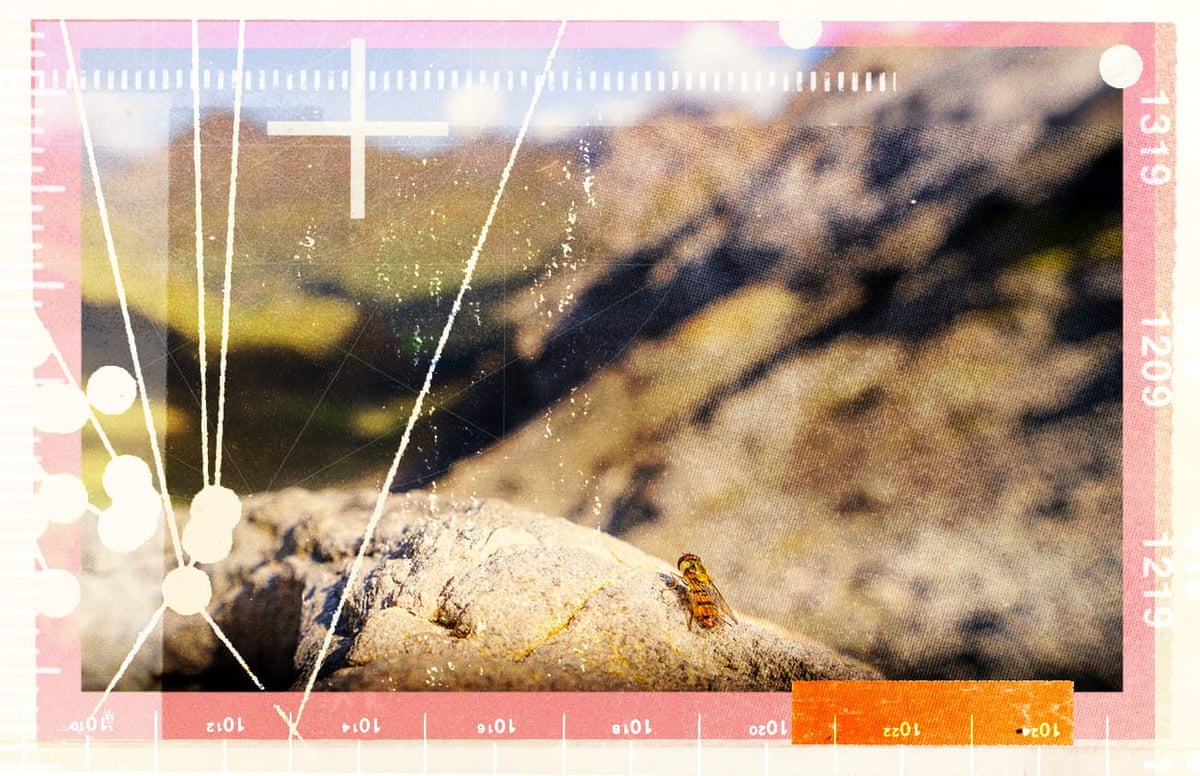
Seventy years after the Lacks’ observations, scientists revisited the Puerto de Bujaruelo mountain pass with nets, traps, and systematic counting methods to study the invisible migrations. They found that the air was filled with a diverse array of insects.
Biologist Dr Will Hawkes described the experience:
“The air was full of magic.”
An estimated 90% of insects flying through the Pyrenean pass are pollinators. As they migrate, they transport pollen hundreds of kilometers, enhancing the genetic diversity of plants. Species such as drone hoverflies contribute to waste decomposition and nutrient recycling, benefiting plants and animals.
Other migratory insects like hoverflies consume pests harmful to crops and serve as food for migratory birds such as chaffinches and goldfinches traveling in the same direction.
Challenges and Declines
Climate change, habitat loss driven by industrial farming, and pesticide use have contributed to declines in insect populations worldwide. A study from Germany reported a 75% decrease in aphid-eating migratory hoverflies over the past 50 years.
For centuries, insect migrations occurred largely unnoticed. Now, as scientists begin to unravel these long-distance journeys, insect populations are diminishing rapidly.
Illustrations by Alex Williamson.
Video of the Puerto de Bujaruelo mountain pass by Dr Will Hawkes.
Photos of the painted lady butterfly by Gerard Talavera and Lucas Foglia, author of Vanishing Wings.
Photo of Guiera senegalensis by Claire Felloni.
Video of bogong moths flying over caves by David Dreyer.
Video of dragonflies and butterflies flying over the Puerto de Bujaruelo mountain by Karl Wotton.
Thanks to Andrea Adden for her data and guidance on the bogong moth’s neural activity.
Find more stories and follow biodiversity reporters in app for additional nature coverage.