Mining Waste Dam Collapse in Zambia Sparks Environmental Crisis
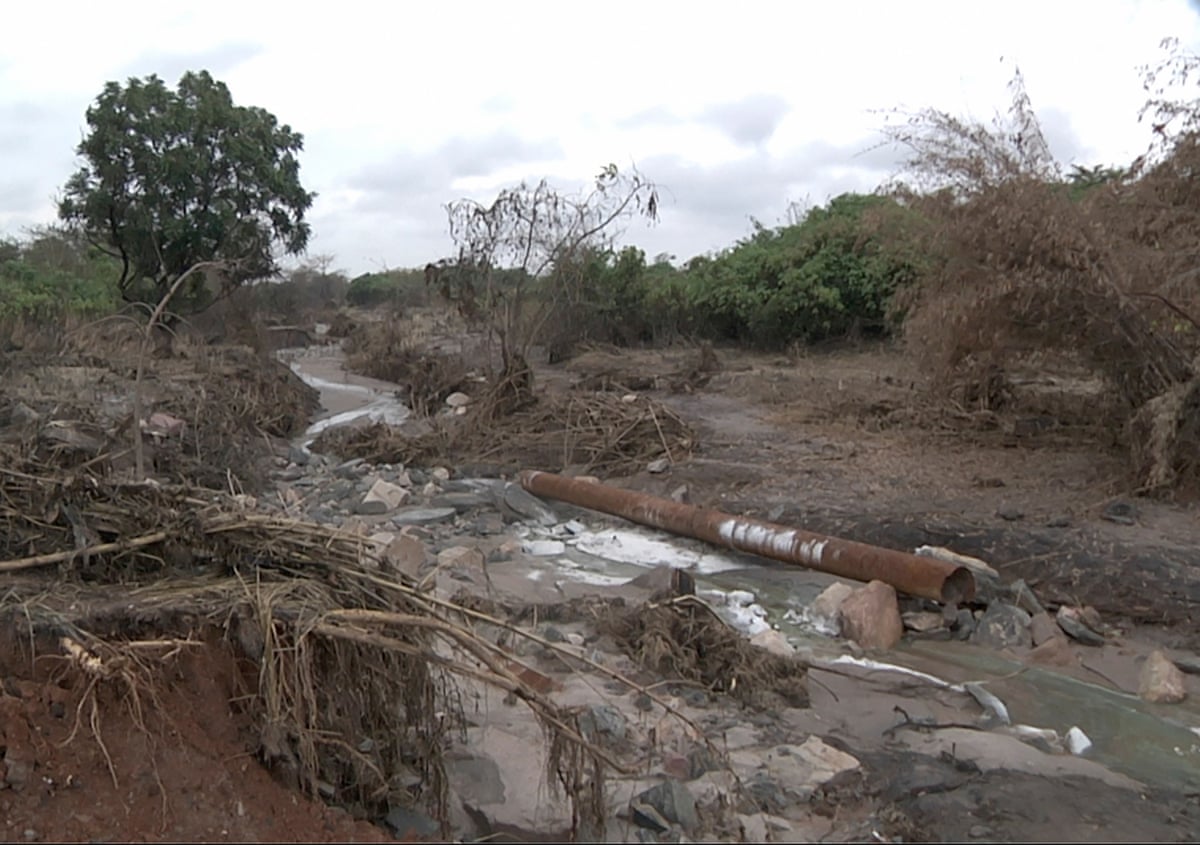
When the barrier failed in February 2025, a torrent of toxic waste surged into the Chambishi stream, a tributary of Zambia’s longest river, the Kafue. Over 50 million cubic litres of acid and heavy metals escaped from a tailings dam at the Chinese state-owned Sino-Metals Leach copper mine in Zambia’s copper belt, causing extensive environmental damage.
Thousands of fish died and floated to the surface, while acid plumes traveled downstream, killing crocodiles and other wildlife. The spill led to a national environmental emergency, disrupting drinking water supplies for Kitwe, Zambia’s third-largest city with a population of approximately 500,000.
Pollution was detected up to 60 miles downstream. Helicopters were deployed to disperse lime into the water to neutralize the acidity. The affected area is home to rare species such as the Kafue lechwe antelope, the Zambian barbet bird, and the wattled crane.
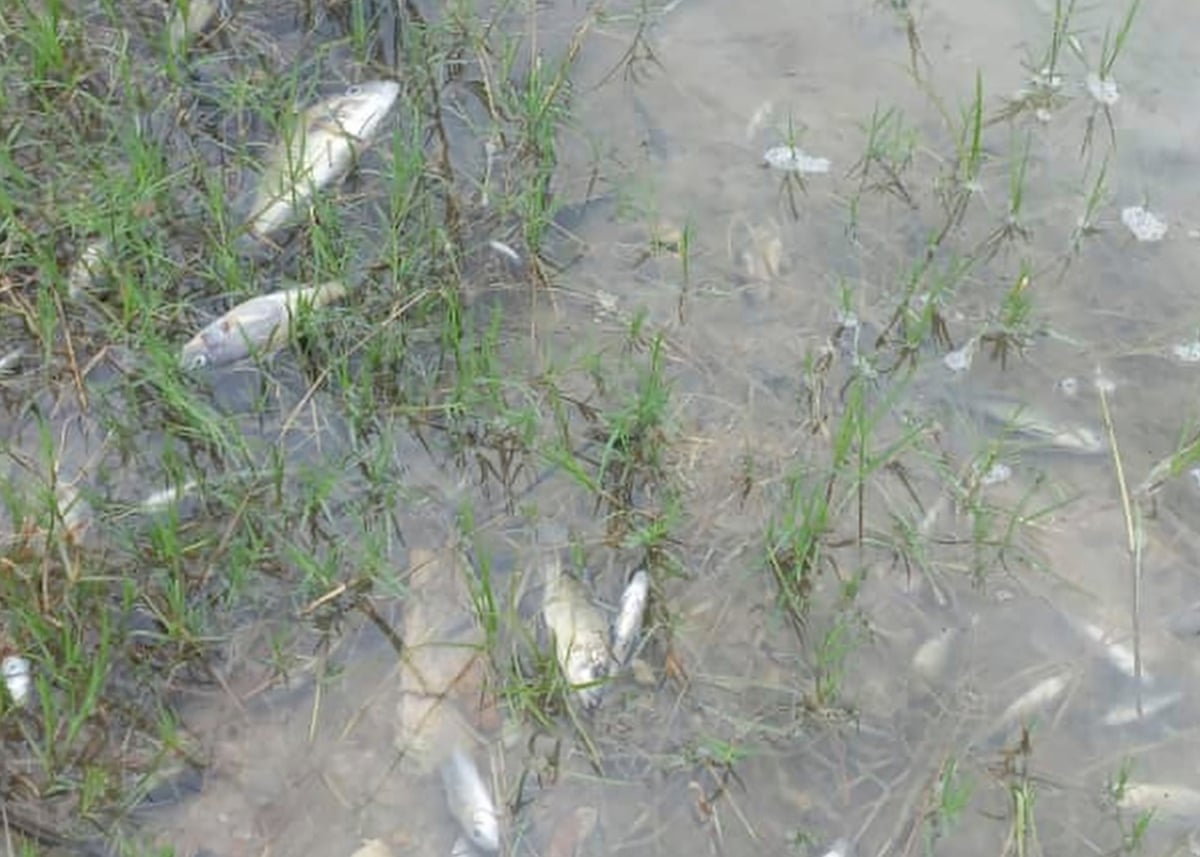
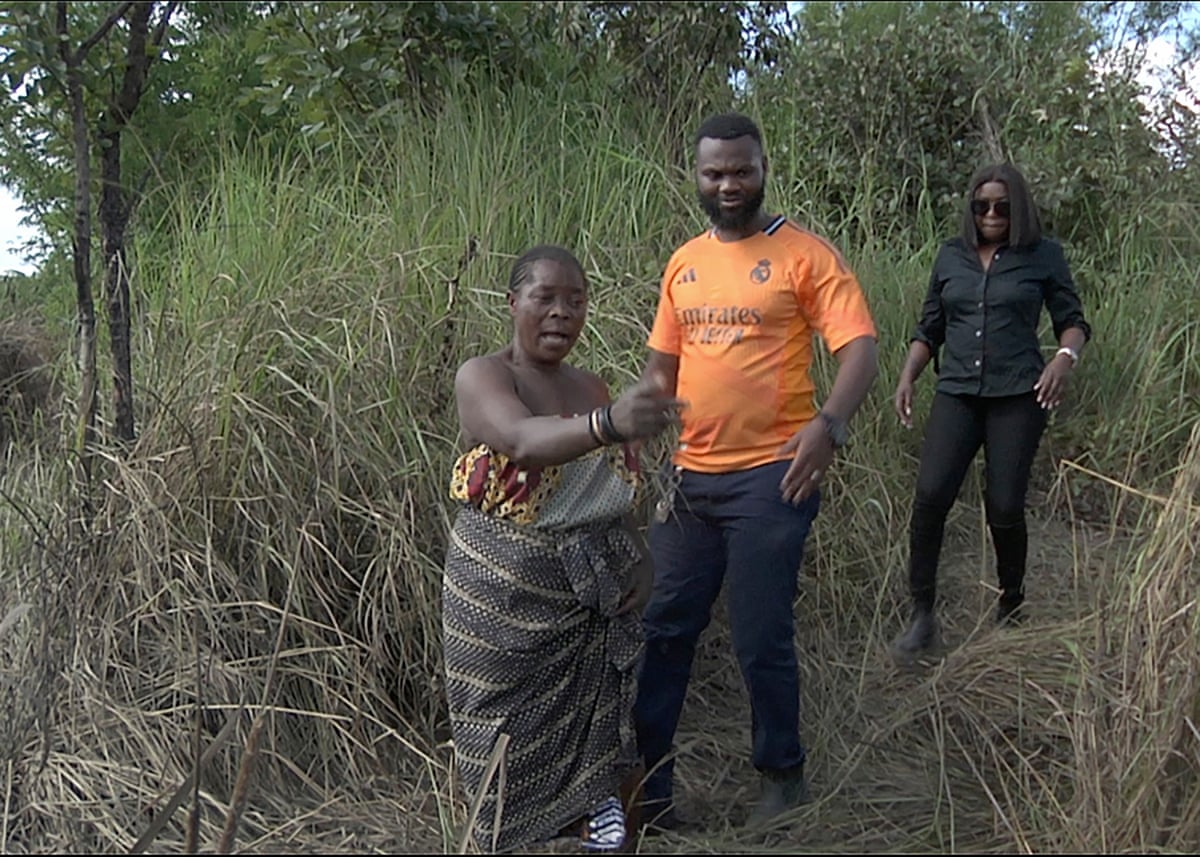
“It looked like diesel mixed with oil. We had already planted our crops, but they died. When you now turn up the soil to till it for planting, it has become yellowish and has a pungent smell,”said Mary Milimo, a 65-year-old smallholder near the confluence of the Mwambashi River and the Kafue.
“There are no more fish here,”added Patrick Chindemwa, 66, a nearby farmer.
“I planted maize in October using irrigation. All the maize dried up. The ground is yellow and soil here is like grease; it is slippery and when it rains, it melts. We need help.”
Sino-Metals did not respond to requests for comment.
Tailings Dams: Persistent Environmental Threats
Nearly a year after the Kafue disaster, it remains a stark example of the mining industry's long record of environmental catastrophes caused by improperly stored waste. Tailings dams, which store mining waste often containing toxic substances, are widespread globally. These dams are designed to last indefinitely but are increasingly vulnerable due to extreme weather events.
Tailings dams are engineered structures intended to contain mining byproducts such as mud, rock, and wastewater. Some are constructed like traditional water dams, while others use rock and waste materials. Many rank among the largest engineered structures worldwide.
The composition of tailings varies by mine type but frequently includes high concentrations of heavy metals and other substances hazardous to ecosystems and human health.
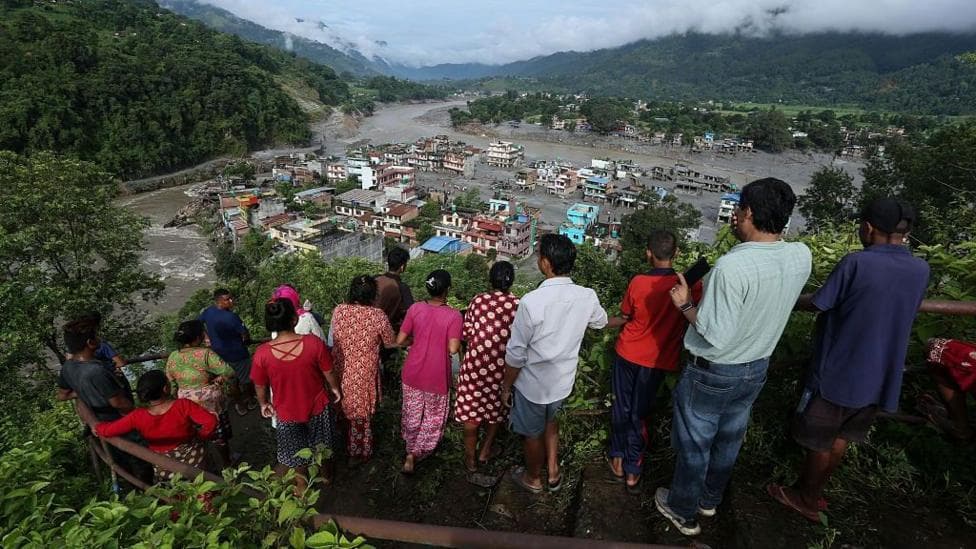
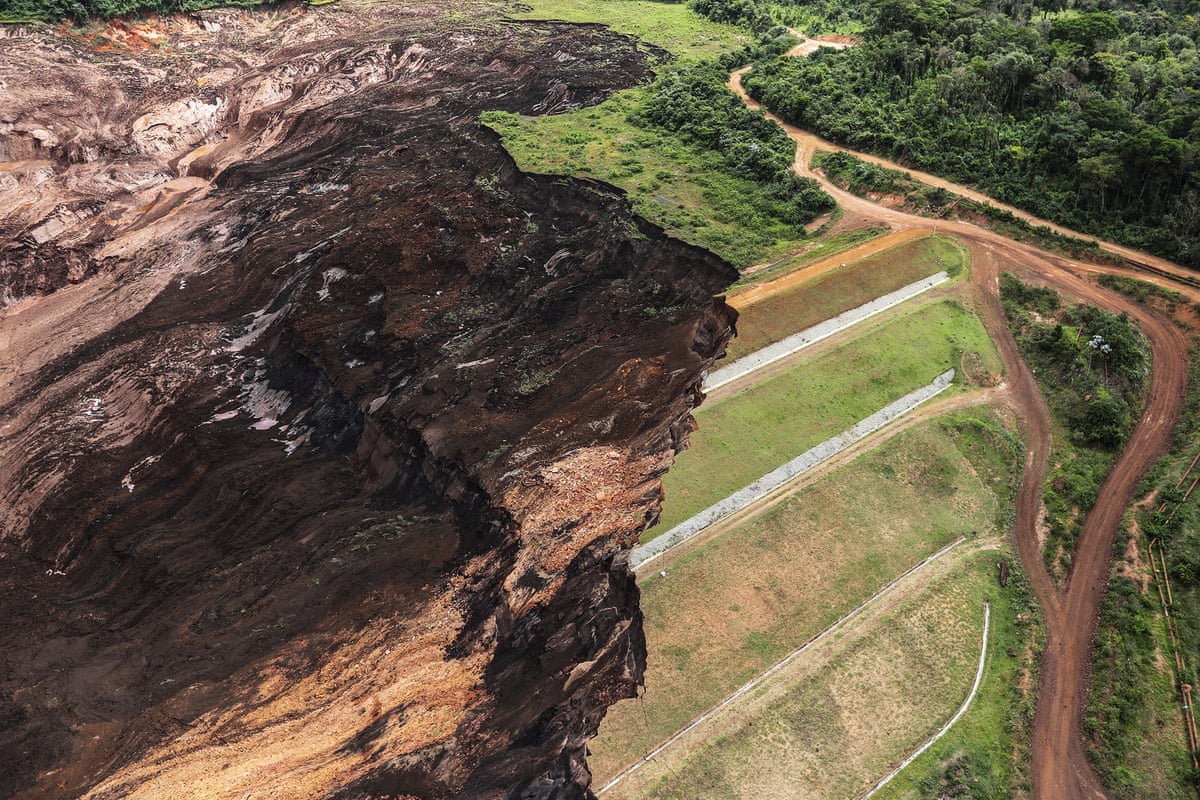
Failures of tailings dams can cause catastrophic environmental damage, releasing vast amounts of pollutants that contaminate water, soil, and wildlife habitats. In severe cases, such incidents have resulted in significant loss of human life. For example, in 2019, a tailings dam collapse near Brumadinho, Brazil, killed 272 people when mud flooded a mineworkers’ canteen and nearby communities.
Climate Change Increases Tailings Dam Risks
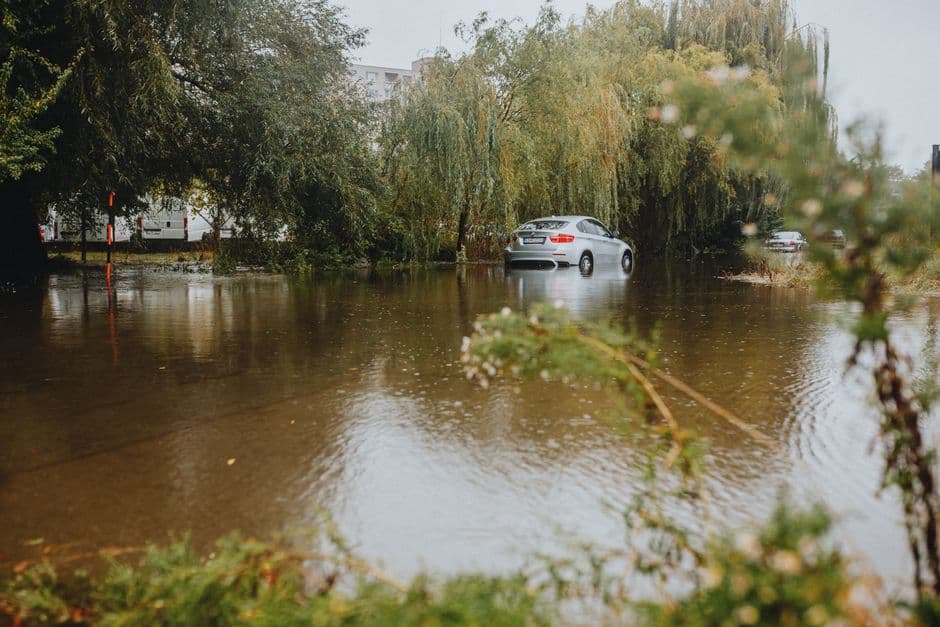
Although tailings dams are theoretically permanent, climate change-driven extreme weather events such as flooding and intense rainfall have increased their instability. Experts warn this heightens the risk of future failures.
Research by Tim Werner and Victor Wegner Maus, who have contributed to mapping the mining industry’s global footprint, identified at least 108 tailings dams located within key biodiversity areas worldwide. This figure likely underestimates the true number due to data limitations and represents approximately 5% of known tailings facilities.
Historical incidents underscore the environmental toll of tailings dam failures. In 2015, a dam burst in the Mariana region of Brazil released pollution along more than 400 miles of rivers, causing widespread ecological destruction. This event increased extinction risks for 13 aquatic species and negatively impacted 346 others.

The environmental consequences of tailings dams can persist for decades. Heavy metals contained in the waste do not degrade and can bioaccumulate through food chains, inhibit plant growth, and alter soil microbial populations.
Expert Perspectives on Mining Waste Management
Professor Elaine Baker, a marine scientist at the University of Sydney and co-developer of the first public global database of mine tailings dams, stated:
“The way we do mining is still very similar to the Romans. We get a whole lot of waste and we dump it somewhere and we hope that it’s not going to hurt anybody. They do not just go away. They have to be maintained in perpetuity. So, we’re leaving our descendants huge piles of waste.”
“They are inherently less stable than water dams. We often build them in valleys where you make a dam wall and dump the tailings behind it. They are some of the largest engineered structures on the planet. When they burst, you get this slurry of mud which will just go down the hill.”
The mining industry’s secretive nature complicates efforts to fully understand the global scale of tailings dams. However, increasing demand for construction materials and minerals essential for renewable energy technologies suggests mining activity—and associated waste—will expand in coming decades.
Tailings Dams in Protected Areas and Investor Pressure
Bora Aska, a PhD student at the University of Queensland researching tailings dams in protected regions, found that many such dams are located in areas of high biodiversity and are at elevated risk of failure.
“Shockingly, we found that 9% of all tailings dams worldwide were in protected areas. The majority had been created after the protected area was formed. They were also very high-risk tailings facilities, according to industry standards,”she said.
Institutional investors, including the Church of England’s pension fund and the Swedish National Pension Funds, have advocated for greater transparency and improved tailings management following the Brumadinho disaster. Collectively overseeing $25 trillion in assets, these investors urge mining companies to adopt the highest safety standards.
Illegal and artisanal mining operations exacerbate the problem due to minimal waste management protocols and lack of regulatory oversight.
Industry Response and Ongoing Challenges
Emma Gagen, research director at the International Council on Mining and Metals (ICMM), an industry organization promoting sustainable development, noted that Brumadinho marked a turning point in tailings dam management.
“Any loss of life from a tailings facility is unacceptable. We’ve seen a lot of improvements in standards for conventionally managed tailings,”she said, referencing a 77-point standard developed by the industry for best practices in waste management.
“As much as it might look dire, I do think we have made really significant progress since the standard has come into place.”
Despite these advances, Gagen acknowledged that most mining companies are not ICMM members, and only a minority of tailings dams globally meet the council’s standards. These benchmarks are designed to address challenges posed by increasing extreme weather linked to climate change.
In 2025, Zambian authorities investigating the Kafue disaster found no evidence that qualified engineers managed the tailings dam, noting structural cracks and uncompacted walls. Experts warn that without significant reforms, similar disasters are likely to recur.
Professor Baker commented:
“There’s no reason why we’re seeing tailings dams in so many wilderness areas and protected areas. The industry goes where it wants to go, wherever they find deposits. They don’t really care.”
Corrections and Further Information
This article was amended on 13 March 2026 to correct the global industry standard on tailings management, which comprises 77 points, not 73 as previously stated.
For more information and ongoing coverage, readers are encouraged to follow biodiversity reporters and access app for nature-related news.