Introduction to the UK's First Megafire
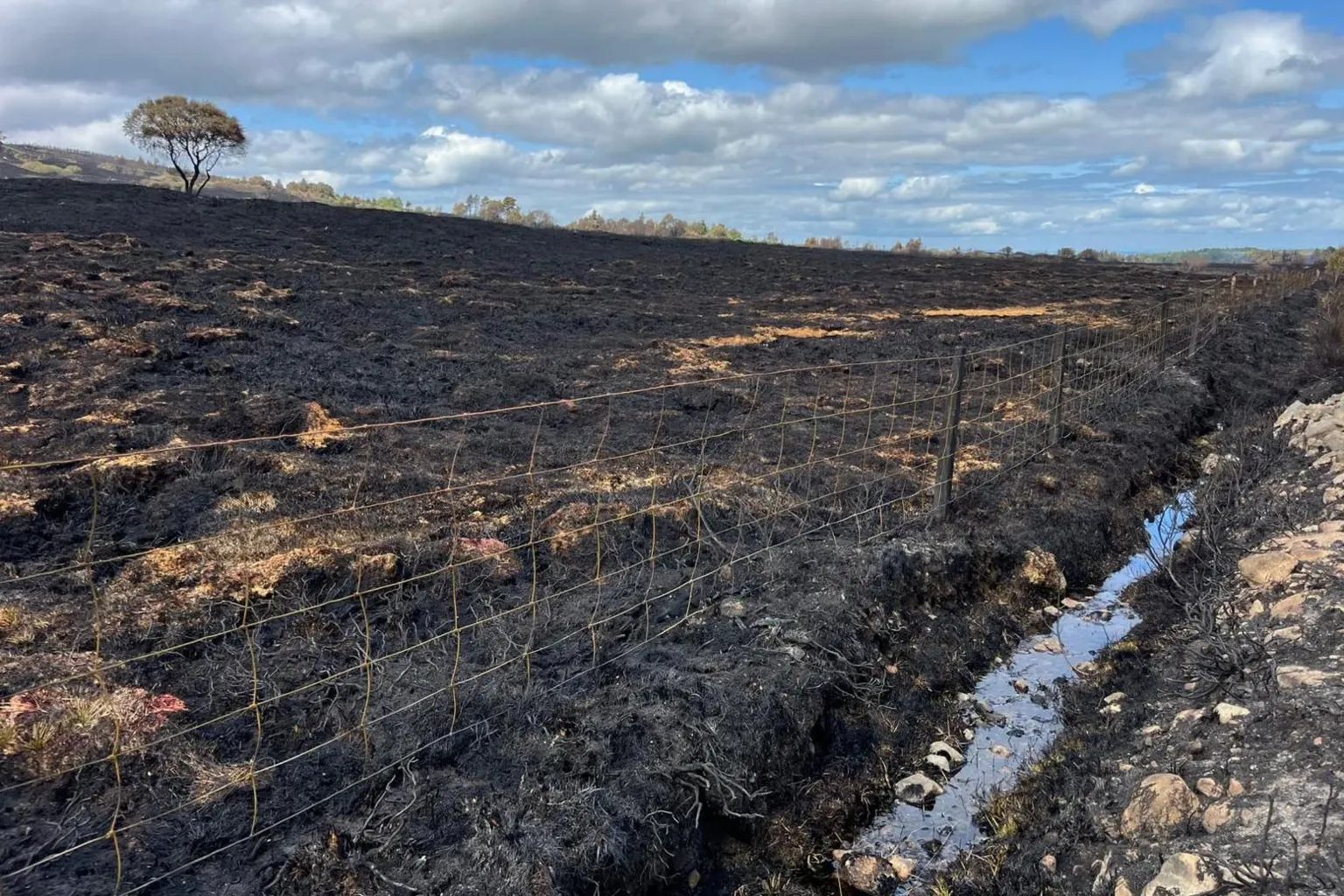
A wildfire that raged for four days across parts of the Highlands and Moray in 2023 has been identified by researchers as the UK's first megafire. The fire, which occurred on Dava Moor, consumed an area of land equivalent to what typically burns across the entire UK in a year.
In addition to the extensive land damage, the fire released significant amounts of greenhouse gases that had been sequestered in peat soils for approximately 1,000 years, contributing to climate change concerns.
"Megafire" is a term commonly used in the United States to describe fires that are extreme in size, behavior, and their impacts on both land and communities.
The findings of this research have been published in the scientific journal Nature Geoscience.
Details of the Wildfire Event
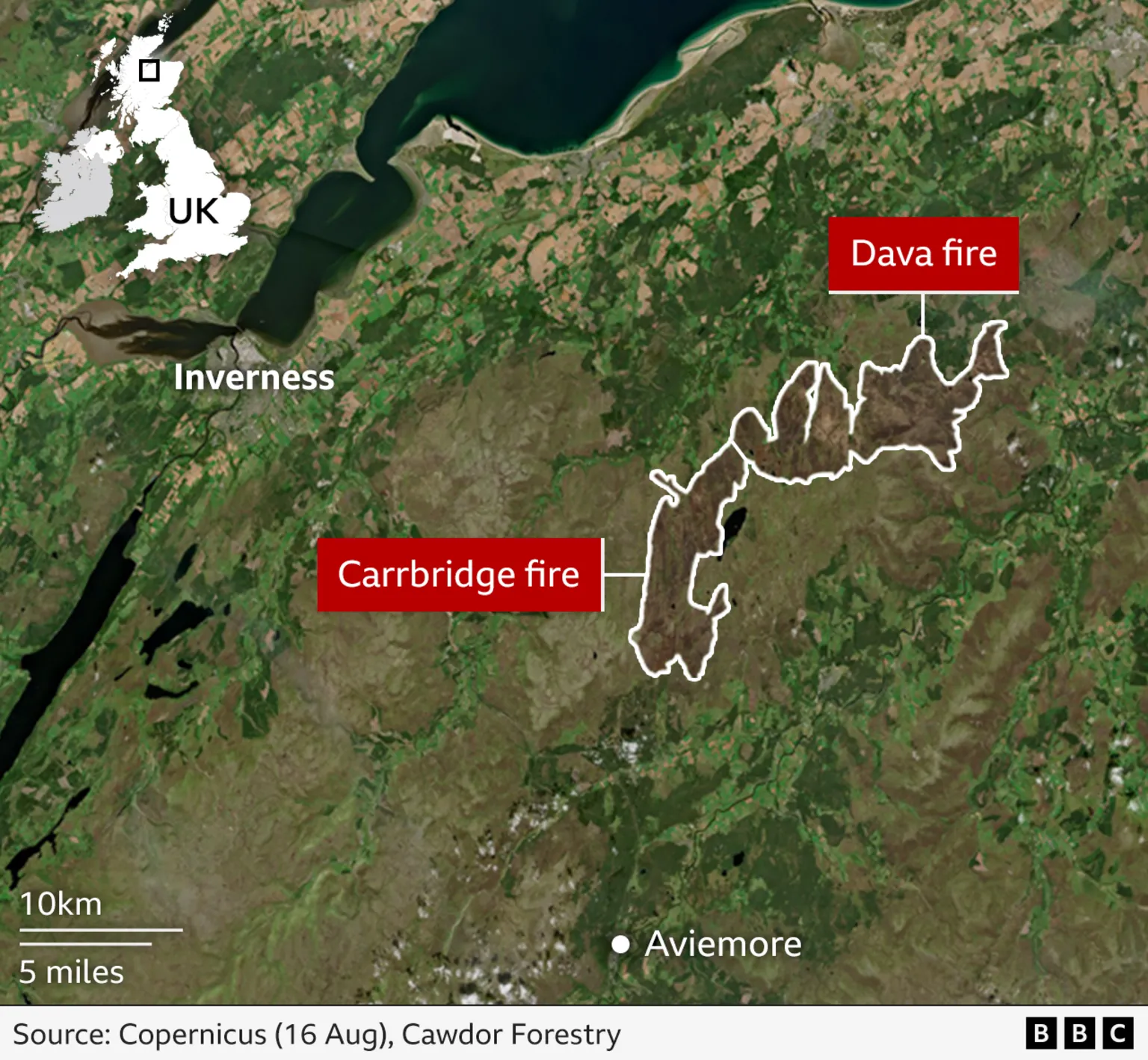
The fire affected a vast moorland area surrounding Grantown-on-Spey and Forres, beginning on 28 June 2023. This event followed closely on the heels of another wildfire near Carrbridge, which reignited multiple times over an 11-day period before being fully extinguished.

Scottish Land and Estates (SLE) estimated that, combined, these wildfires burned approximately 29,225 acres (11,827 hectares), an area nearly 30 times larger than Strathclyde Park in Lanarkshire.
Research and Collaboration
The study was led by scientists at the Stanford Doerr School of Sustainability, part of Stanford University in California. Collaborators included experts from universities in England and the Netherlands. Funding for the research was provided in part by the UK Space Agency and the US space agency NASA.
Researchers utilized a combination of fieldwork and satellite data to analyze the fire. They concluded that "unusually dry conditions" and the presence of "flammable vegetation" allowed the fire to penetrate deep into the peat soils.
The wildfire emitted carbon equivalent to 85% of the average annual emissions from fires across the UK between 2001 and 2021.
Expert Commentary
"Peatlands are found all over Earth, from the tropics to the Arctic Circle, and they each have distinctive characteristics and vulnerabilities when it comes to climate change," said Adam Pellegrini, assistant professor of Earth system science.
"The outbreak of the Dava Moor fire gave us a unique opportunity to study one of these fire-impacted peatlands up close."
"This study demonstrates why there needs to be more attention paid to preserving peatlands and addressing wildfires in areas where peatlands have served as long-term carbon reservoirs."
Government Response and Future Measures
Earlier in 2024, the Scottish government issued a warning about the serious and escalating threat posed by wildfires in Scotland. In response, it launched a new strategy aimed at managing this growing problem more effectively.
The strategy focuses on improving coordination between the Scottish Fire and Rescue Service and other agencies involved in wildfire response, aiming to enhance preparedness and mitigation efforts.