Toxic pet flea treatment chemicals widespread in Welsh rivers
Toxic chemicals used in pet flea treatments have been detected extensively in rivers across Wales, posing harm to wildlife, according to scientists.
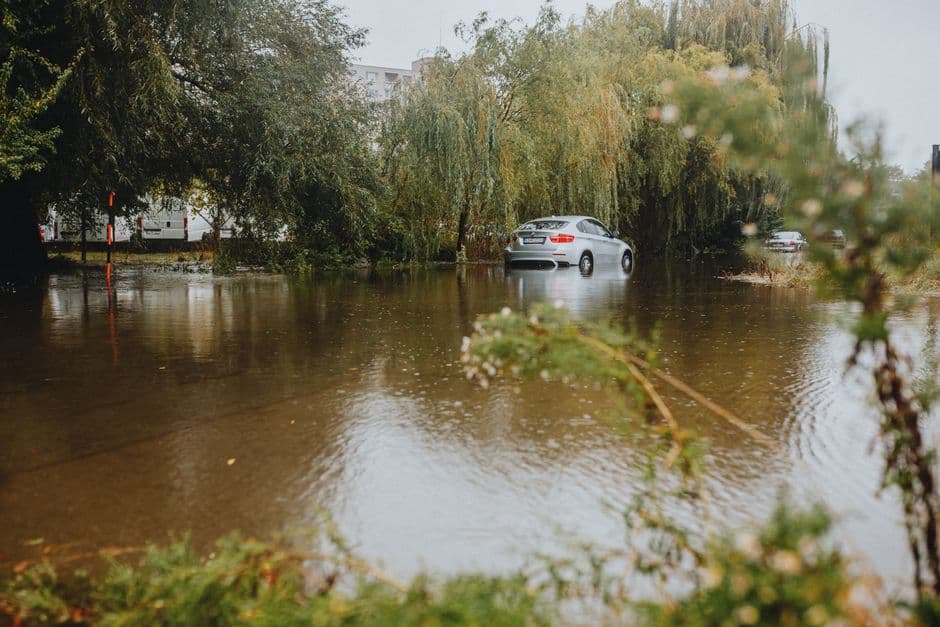
A recent study revealed that the issue is more severe in urban areas, where pesticides enter waterways through misconnected sewers and effluent from wastewater treatment plants, following the washing of pets and their bedding.
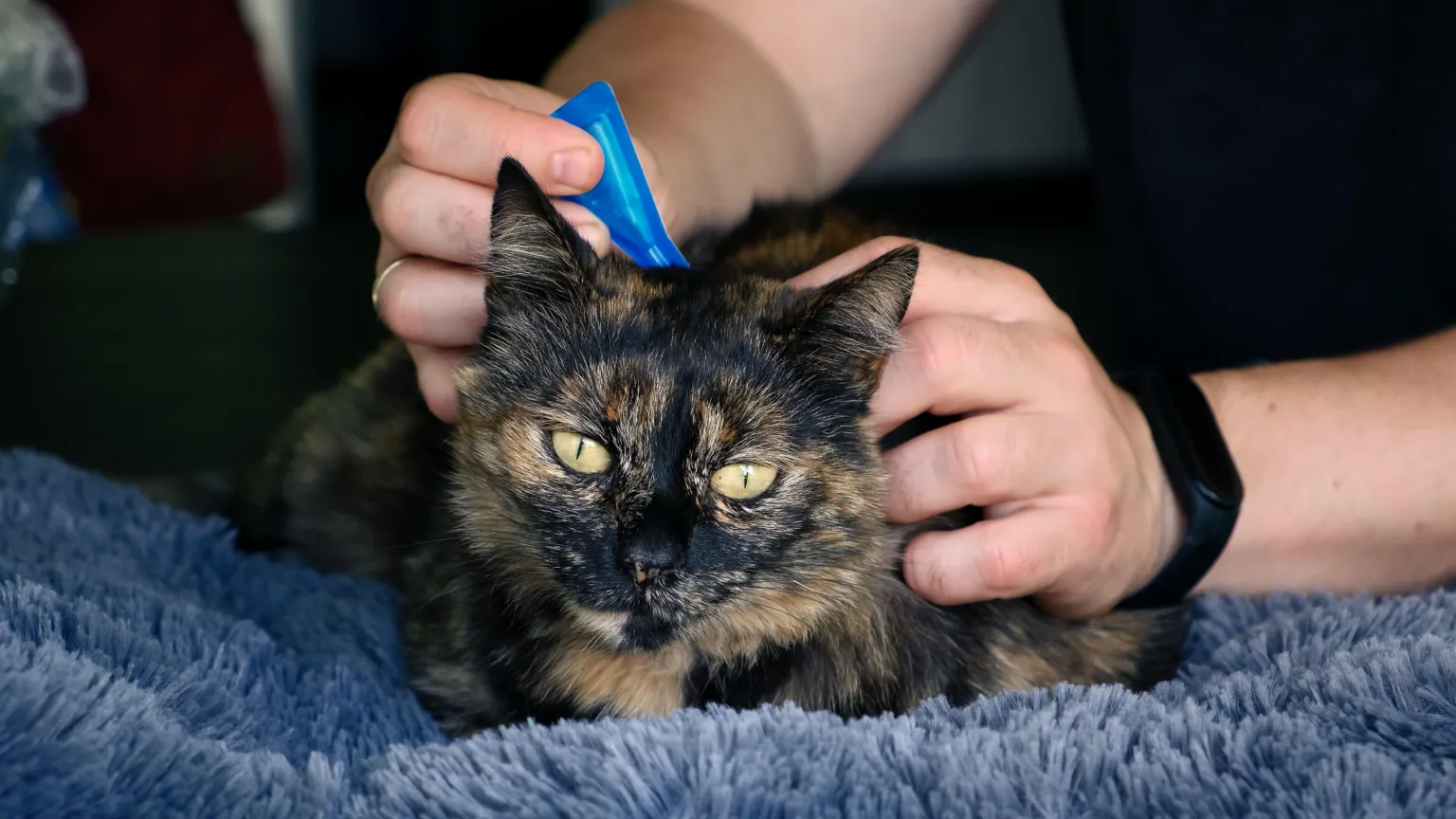
Each year, over 3.5 million doses of spot-on flea treatments—liquid chemicals applied to the back of an animal's neck—are sold in the UK. In response to environmental concerns, senior veterinarians are revising their guidance to pet owners regarding the routine use of these treatments.
Natural Resources Wales (NRW) indicated that these findings will support its efforts to monitor river health and reduce pollution.
Welsh Water stated that this contamination does not affect the quality of drinking water.
"It was quite staggering to see [the chemicals] in these concentrations that are ecologically significant and toxic enough to start harming river wildlife," said Molly Hadley of Cardiff University's Water Research Institute.

Research methodology and findings
The research team conducted a three-year investigation, sampling 62 locations across nine rivers in Wales to determine how pesticides used in flea treatments—specifically imidacloprid and fipronil—are entering waterways.
Both insecticides have been banned for outdoor agricultural use in the UK but continue to be widely used in pet products.
This study follows increasing evidence of contamination in rivers across England and coincides with the 2025 publication of a UK-wide plan aimed at better understanding this issue.
The chemicals were detected in over 75% of Welsh river water samples, with concentrations exceeding safe levels in nearly half of the samples collected from urban areas.
The contamination was more pronounced downstream in developed regions, where waterways receive discharges from sewage treatment plants and misconnected sewers.
Alongside the flea treatment chemicals, the team also tested for caffeine, becoming the first to establish a "down the drain" pathway through which these chemicals reach rivers, rather than attributing contamination solely to pets swimming in natural waters.
It is estimated that up to 500,000 properties in the UK may have sewer misconnections, where appliances or bathrooms are incorrectly connected to surface water drains instead of foul sewers, often due to home extensions or do-it-yourself plumbing.

Prof Steve Ormerod, who led the research, explained: "What we think happens… is that people who are applying spot-on treatments to dogs, cats, rabbits or ferrets then either wash their animal in the shower, wash their animal's bedding or they wash their hands.
"Through those down the drain routes the chemicals reach small urban streams in particular."
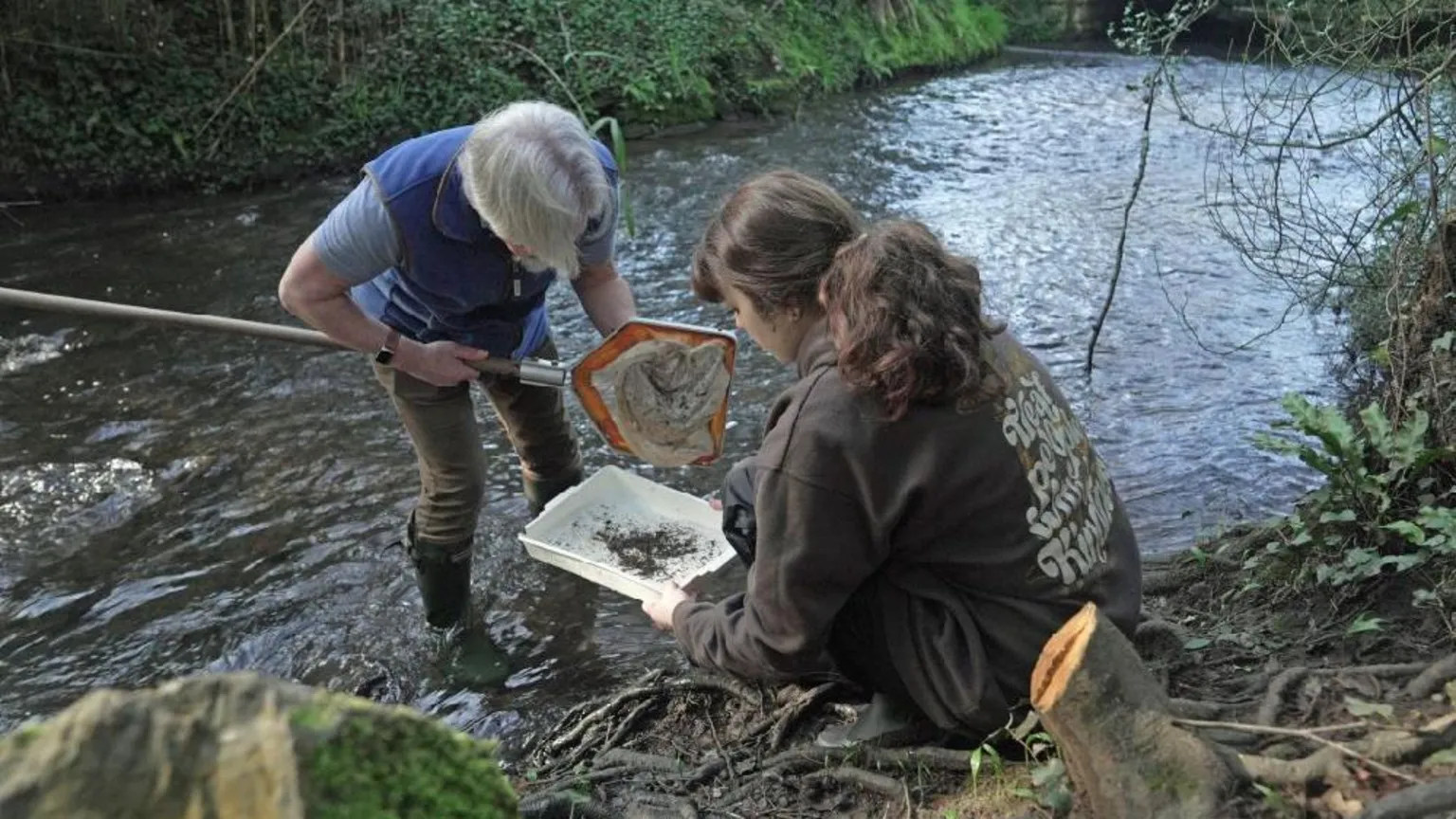
The highest chemical concentrations were found in Roath Brook, a small stream in Cardiff.
Concentrations sometimes reached levels up to 45 times above safety thresholds, with evidence showing lethal effects on aquatic insects.
"The community of insects present in the stream changes as soon as the pet flea treatment chemicals are reaching toxic thresholds," Ormerod stated.
"In some cases we've got a 90% reduction in one particular mayfly species and also in one particular caddisfly, and a 30% reduction in two other mayfly species."
Hadley added: "This could have a very big impact.
"Imidacloprid and fipronil are universal pesticides – if you start putting those things into river environments then you're going to start seeing the collapse of ecosystems because invertebrates are the foundation of those ecosystems."
Local resident Rosie de Lloyd, walking her dog Meg near Roath Brook, expressed surprise upon learning about the issue.
"I only ever shower her bottom half, not where the flea treatment goes," she said.
Another resident, Linda Papadakis, stated that she avoids spot-on treatments for her dog Betsy, preferring tablets instead.
"I hate any kind of pollution to be honest, there's blue and green algae here, there's bird flu, ducks and swans dying."
Guidance for pet owners
In response to environmental concerns, the British Veterinary Association (BVA) recently updated its recommendations regarding spot-on flea treatments.
Dr Gwen Rees, junior vice president of the BVA in Wales, remarked that this is "something vets are thinking about a lot."
Previously, routine year-round use of these treatments was advised, but veterinarians now advocate a more "risk-based approach."
"Each animal is going to have different circumstances and be at different risk of picking up fleas, for example it depends on the weather, whether your cat goes outside and so on," Rees explained.
Consulting a veterinarian can help determine if treatment is appropriate at a given time or if alternative approaches are preferable to promote responsible medicine use.
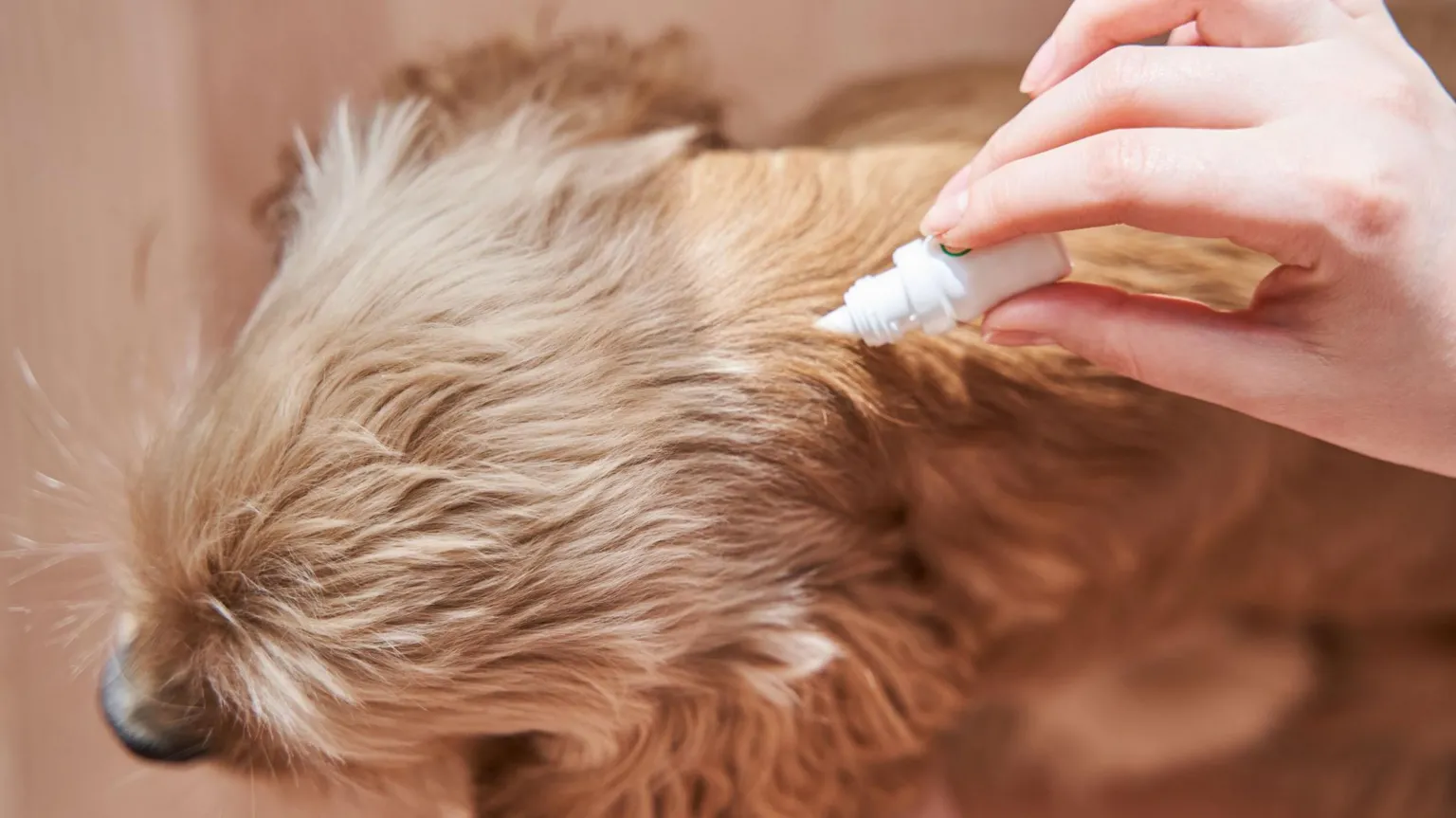
"For animals that swim a lot or who are bathed a lot and that water gets washed down the sink... it may be appropriate to move away from spot-on treatments and towards something like a tablet treatment," she said.
She noted that alternatives to spot-on treatments are usually available, but since they involve different chemicals, a veterinary consultation is recommended to address the specific needs of each pet and the parasites they face.
"Flea treatments were important medicines," she cautioned.
"It is an animal health and welfare issue if you have animals with flea infestations.
"It's not [that we're saying] never use [them], but rather use them when appropriate."
Addressing the environmental challenge
Ormerod emphasized the responsibility of veterinary bodies, regulators, and ecologists to find solutions to this "quite a significant environmental problem."
"For several decades, rivers in Britain were recovering ecologically from the gross pollution problems of the 20th Century, but this trend has slowed and might even be reversing," he added.
"Human and veterinary pharmaceuticals could be partly responsible."
A spokesperson for NRW, which participated in the research, stated that "improving the long-term water quality of Welsh rivers remains firmly at the top of our agenda and we continue to drive improvements through robust regulation and responsive action on pollution incidents."
They added that the research "strengthens the growing evidence on emerging pollutants in our rivers" and "helped to build a clearer picture of the pressures facing Welsh waterways."
Welsh Water noted that it is part of a broader water industry research program investigating chemical substances in the aquatic environment.
Washing pet bedding, disposing of leftover flea treatments, and hand washing after application can all introduce these chemicals into wastewater systems, a company spokesperson explained. Additionally, allowing dogs to swim in rivers shortly after flea treatment also contributes to contamination.
"Redirecting misconnections to the correct drainage system can reduce environmental impact," the company said, providing advice on identifying misconnections.
"It is important to highlight this issue does not impact the quality of drinking water," they added.