Toronto’s Snow Mountains: A Rapidly Formed Urban Phenomenon
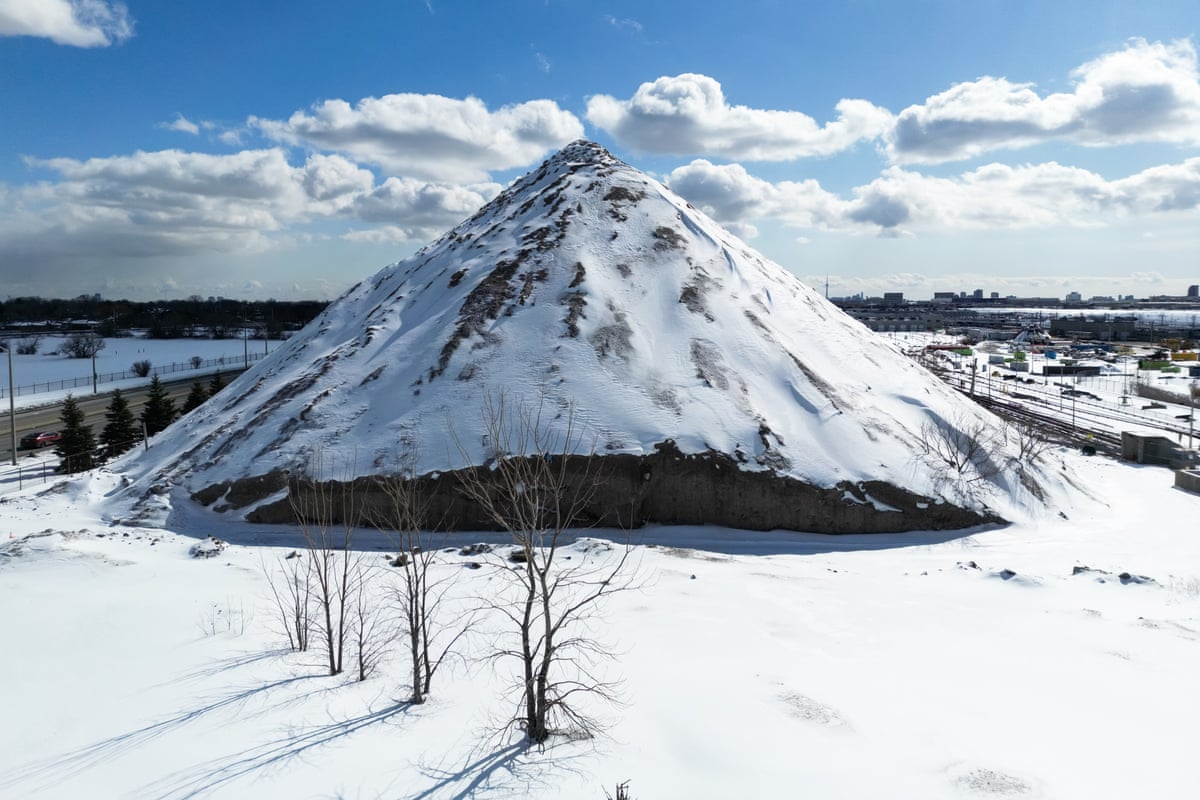
Most mountains require tens of millions of years to form, but Toronto’s newest mountain emerged in just days. Towering above the crowns of evergreens, this mountain lacks the traditional limestone or granite skeletons found in natural formations. It has no spires, cornices, or headwalls. Instead, it consists of enormous piles of snow mixed with a toxic blend of road salt, antifreeze, oil, discarded coffee cups, and lost keys. These accumulations represent the remnants of recent natural forces that have battered the city and now stand as a significant environmental concern.
Record Snowfall and Urban Snow Removal Efforts
In late January, Toronto experienced one of its most intense snowstorms in recent history. In some locations, nearly 23 inches of snow fell, driven partly by a collision of weather systems. By mid-February, the city had removed approximately 264,000 tonnes of snow from 1,100 kilometers (680 miles) of roads, sidewalks, and bike lanes.
A comparable storm struck New York City at the end of February, depositing over 25 inches of snow in certain areas during a two-day event accompanied by hurricane-like winds.
Major cities exposed to severe winter conditions have long faced the challenge of snow accumulation on streets and sidewalks. The practical solution involves transporting the snow, sometimes for weeks, to storage facilities located on the outskirts of urban areas.
Toronto’s Snow Mountains and Their Environmental Impact
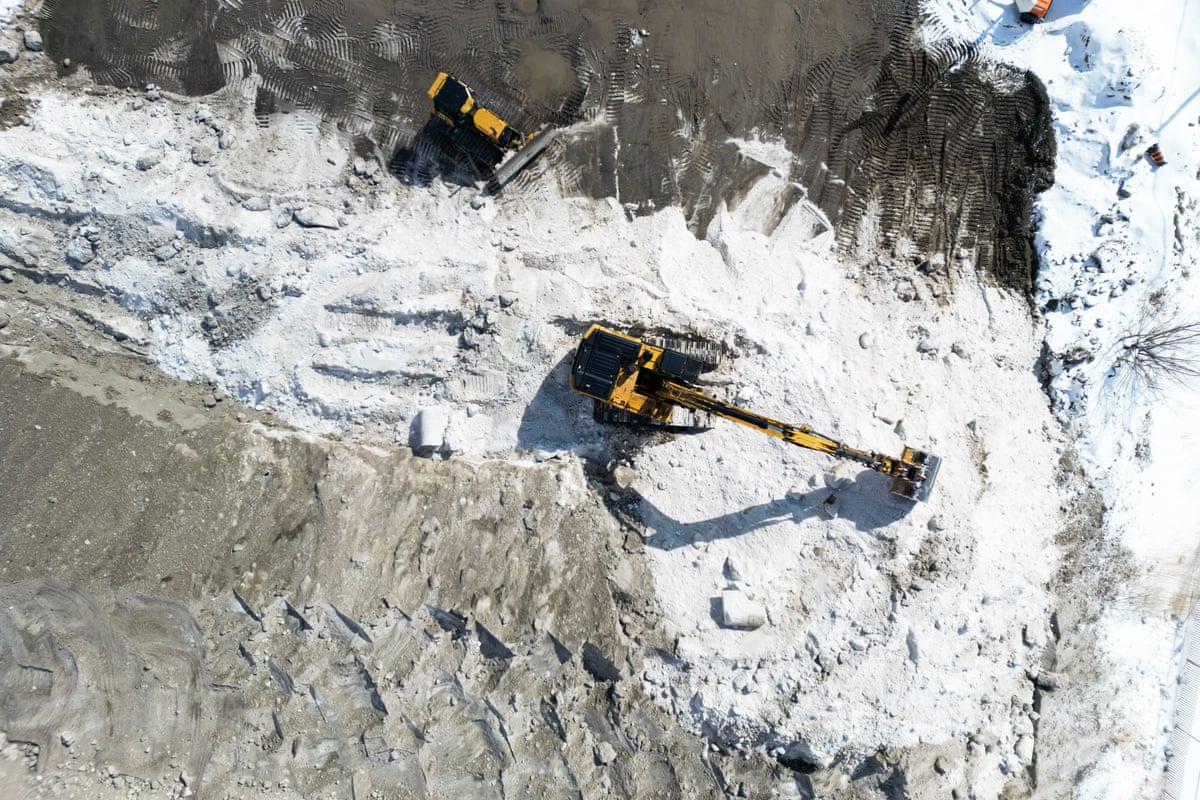
Toronto has six major snow mountains scattered throughout the city, most of which are kept discreet to discourage illegal dumping. One site, however, located on the northwestern outskirts of the city, is highly visible to drivers traveling along the highway. This facility can accommodate up to 144,000 cubic meters of snow across its two-acre area.
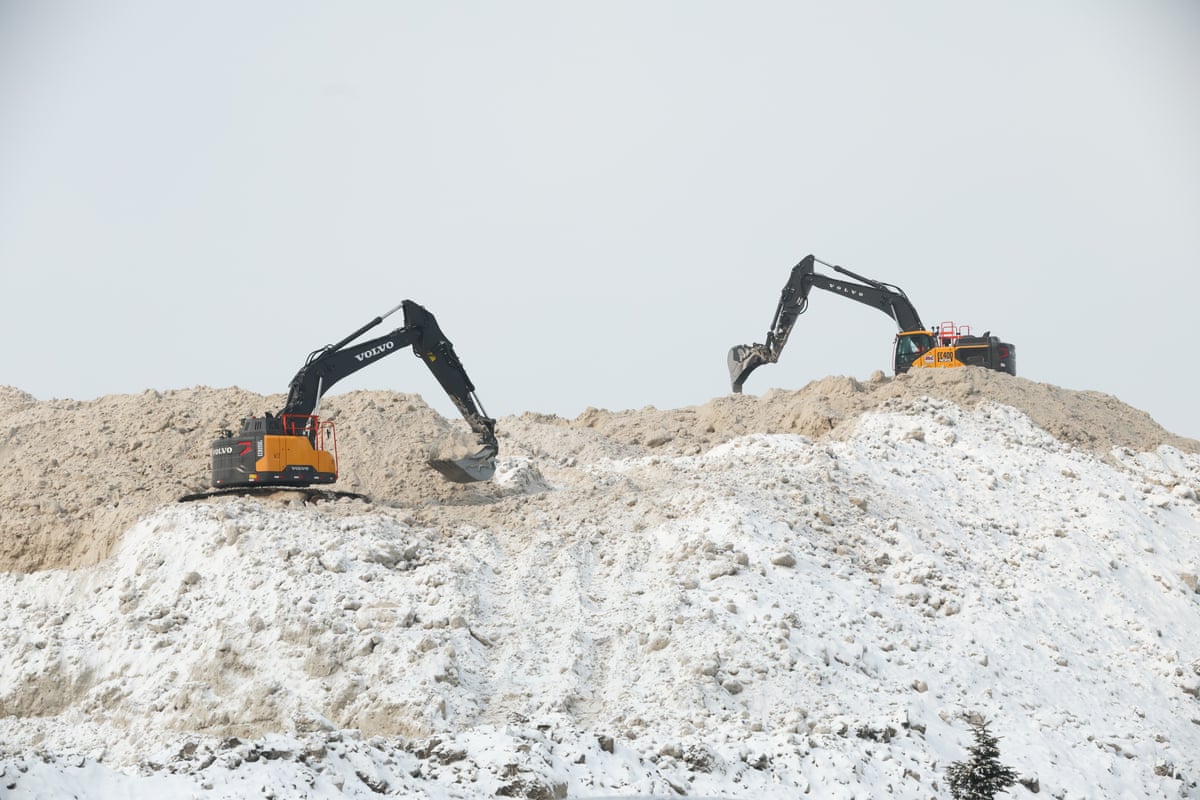
Reaching heights close to 100 feet—equivalent to a 10-storey building—the site is a hive of activity, with yellow excavators working in unison against the ashen snow. Steam plumes rise from industrial melters, which are large devices roughly the size and shape of shipping containers designed to gradually reduce the snow mountain’s size. Operators at the site work long shifts, and during severe storms, the machinery operates continuously, 24 hours a day, seven days a week.
Balancing Public Safety and Environmental Concerns
“Certainly, there’s a need to remove the snow to minimise risk on roads and sidewalks, especially from a public safety perspective,”said Donald Jackson, a professor of ecology at the University of Toronto.
“But the challenge is what they’re trying to balance against: the ultimate impact to aquatic ecosystems.”
Toronto, Canada’s largest city, has undertaken efforts to restore its natural flood mitigation capabilities and revive riparian ecosystems. The city employs various measures to prevent contaminants such as automotive oil from entering water systems. However, salt remains a pervasive contaminant, as it passes through most stormwater treatment processes.

So far this season, Toronto has used more than 130,000 tonnes of salt. Despite the proximity of the world’s largest salt mine located less than 150 miles west of the city, local governments are currently facing a shortage of salt.
“We know cities are trying to reduce their usage and reliance on salt. But it works,”Jackson explained.
“But while we know roughly how much the city uses, we have no idea how much is being used to salt private driveways and places like grocery store parking lots.”
Jackson also noted that concerns over legal liability often lead private operators to overuse salt.
Environmental and Health Risks of Road Salt
The rock salt applied to roads, chemically sodium chloride, is identical to table salt but poses distinct risks to the environment and human health. High concentrations of chloride are toxic to freshwater fish species. Recent testing conducted by Jackson and doctoral researcher Lauren Lawson revealed that chloride levels were lethal to the majority of aquatic species at 30% of tested sites. Nearly all sites exceeded federal guidelines for chloride concentration.
Additionally, in areas where residents rely on wells for drinking water, sodium levels increase over time as salt infiltrates groundwater supplies.
Snow Mountain Erosion and Salt Contamination
John McPhee, in his book Annals of the Former World, wrote:
“Remember about mountains: what they are made of is not what made them.”The forces that created these snow mountains are not the same as those that threaten their existence. A recent thaw caused erosion of parts of Toronto’s snow mountain, releasing large quantities of salt into nearby waterways.
“You can have places where it’s elevated to 10, or even 100, times the background level,”Jackson said.
“But we’ve also seen locations in where the amount of salt in the water exceeds seawater concentration.”
Future Outlook and Climate Change Implications
Experts warn that although the climate crisis is expected to cause overall warmer temperatures, it is also likely to increase the frequency and severity of brutal storms similar to those that recently overwhelmed infrastructure in Toronto and New York. These storms will necessitate greater use of salt, which, like many human-introduced substances, will persist in the environment for extended periods.
“The trajectory isn’t good, based on sort of what trends have been over time. We’re looking at increasing concentrations that we see in our rivers, in our lakes. And there isn’t any reason to expect that to stop,”Jackson said.
“Even if we stopped applying salt right now, it would take years to decade to flush out of all of our soils and the groundwater.”