Uncontrolled Rocket Re-entry and Atmospheric Pollution
When a SpaceX rocket failure ignited the skies over western Europe last February, uncertainty remained regarding whether the debris contributed to atmospheric pollution. Recent scientific investigations have now directly linked the uncontrolled re-entry of the rocket to a plume of lithium detected less than 100 kilometers above Earth.
This marks the first occasion researchers have established a direct connection between a known piece of space debris crashing to Earth and measurable pollution levels in the atmosphere.
Scientists caution that with SpaceX CEO Elon Musk's commitment to launching one million satellites in the coming years, this form of contamination may represent only the beginning of a larger issue.
Investigation of the Falcon 9 Failure
The research team was already examining pollution from space debris when they identified that a SpaceX Falcon 9 rocket had failed during flight on 19 February 2025. As the rocket re-entered Earth's atmosphere, it disintegrated into fireballs visible over Ireland, England, and Germany before debris ultimately reached the surface.
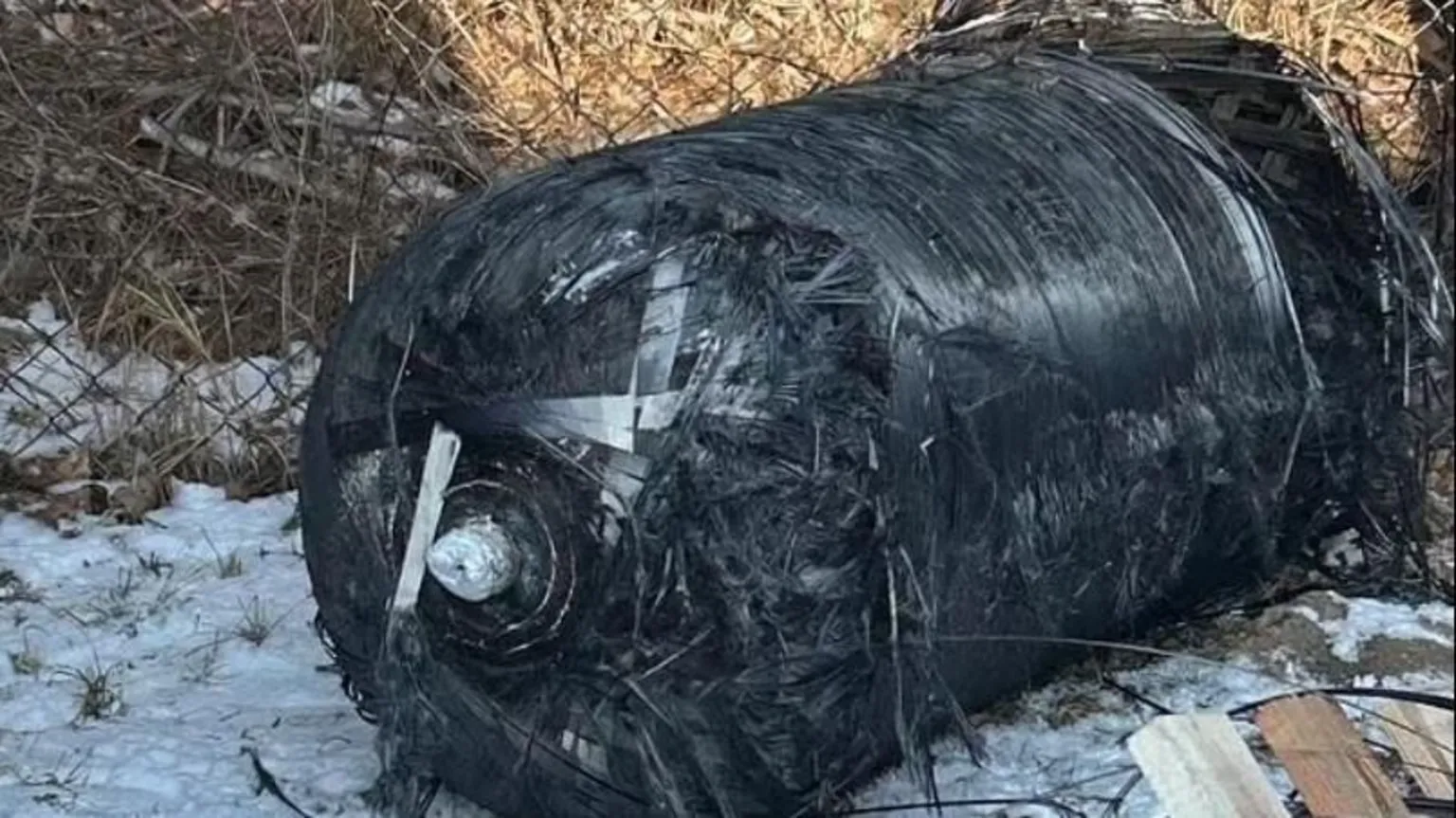
A resident in Komorniki, Poland, discovered a fragment approximately 1.5 meters by 1 meter behind his warehouse.
"We saw the news that this rocket had crashed into Poland. It had flown almost directly over us, and we thought, 'oh, this is a great chance'", explained Prof Robin Wing at the Leibniz Institute of Atmospheric Physics in Germany.
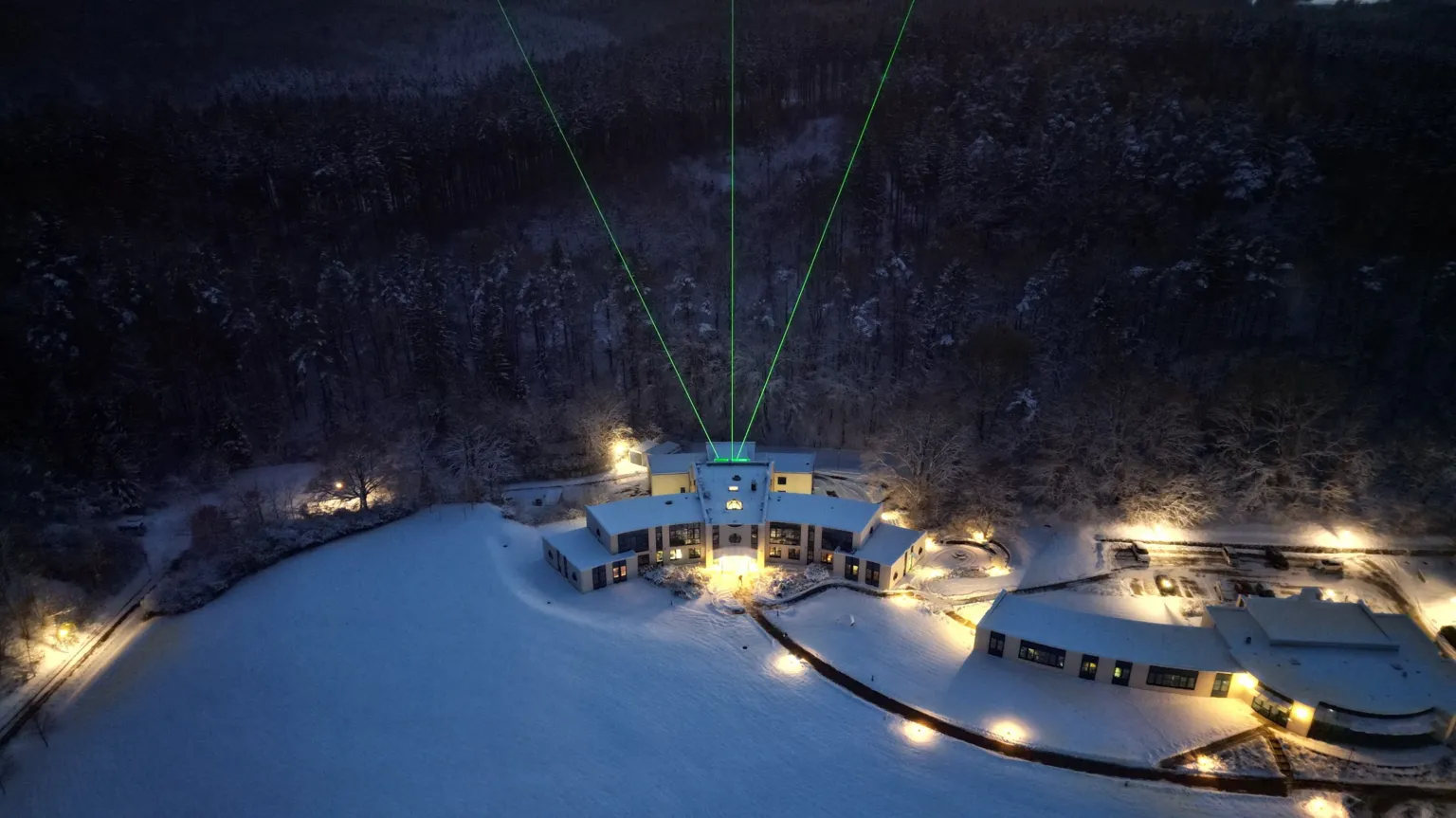
The team employed a laser to detect metal atoms released from the rocket body, which was constructed from aluminium-lithium alloy. Collaborating with Prof John Plane at the University of Leeds, they measured an increase in atmospheric lithium around the rocket's path amounting to 30 kilograms.
Prof Wing noted that the atmosphere naturally receives approximately 50 to 80 grams of lithium daily from small meteors.
"So, from a single Falcon 9 rocket, this is quite a lot more," he stated.
Potential Atmospheric Impact
Prof Wing expressed particular concern about aluminium and aluminium oxides interacting with the ozone layer.
"Our largest concern is aluminium and aluminium oxides interacting with the ozone layer," Wing said.
Currently, the long-term effects of this pollution on Earth's atmospheric composition remain unknown, but the outlook is unlikely to be positive. The contamination could disrupt aerosols in the atmosphere and their capacity to regulate climate and temperature.

"This is a new scientific field. It's hard to speculate because it's changing so quickly," Wing added.
He drew parallels to the chlorofluorocarbon pollutants released from refrigerators in the last century, which caused significant ozone layer depletion and were eventually banned.
"I hope that if we start our measurements now, perhaps we can get ahead of the curve and identify any potential problems before they become serious," Wing said.
Previous research has suggested that approximately 10% of atmospheric aerosols are already contaminated by space debris.
Responses and Wider Context
SpaceX has not responded to emailed requests from for comment. The researchers also forwarded their findings to the company but did not receive a reply.
It is estimated that nearly 30,000 pieces of debris are currently free-floating in space, generated by rocket breakups or satellite disintegration.
Scientists warn that this debris congests space, brightens the night sky, and poses collision risks to rockets, the International Space Station, and Earth itself.
SpaceX is the leading company globally for rocket launches, including missions involving human spaceflight and maintaining a constellation of 10,000 Starlink internet satellites. Elon Musk recently announced an application to launch one million satellites to support artificial intelligence data centers in space.
Experts caution that as human activities increasingly extend beyond Earth, more debris will inevitably fall back, causing atmospheric pollution during re-entry.
Last year, researchers from NASA, the University of Plymouth, and the University of Texas urged the United Nations to incorporate the protection of Earth's orbit into its sustainable development goals.
Some scientists advocate for stricter enforcement of existing space treaties or the introduction of more comprehensive regulations addressing space debris.
"Space regulations don't cover the new problems emerging - interference with astronomical observations, risk of collision in orbit, risk of stuff falling on our heads, and now it is becoming clear, atmospheric pollution," said Andy Lawrence, Professor of Astronomy at the University of Edinburgh.
"The international community is working hard trying to set standards and new regulations, but space commerce is changing faster than we can keep up," he added.
The research detailing these findings has been published in the journal Communications Earth & Environment.