Impact of Bird Flu on Gannet Colonies
Gannets on Bass Rock were first exposed to the H5N1 bird flu virus in 2022. Populations at two of the world’s largest gannet colonies are not expected to recover from the effects of the 2022 bird flu outbreak for nearly two decades.
A recent study conducted by the Royal Society for the Protection of Birds (RSPB) reported that seabirds on Bass Rock, located off Scotland’s east coast, and Grassholm, off the Pembrokeshire coast in Wales, experienced an "unprecedented deadly blow" during the outbreak.
The outbreak caused a fourfold increase in adult gannet deaths, leading to a 26% reduction in the Bass Rock colony size and a 38% decline at Grassholm.
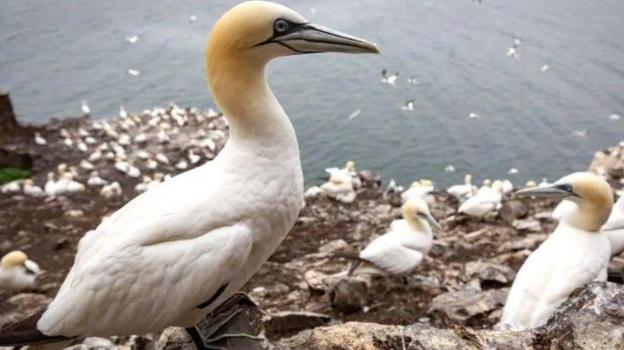
Although it was already known that tens of thousands of birds died during the outbreak, the study cautioned that these colonies would not fully recover until at least 2041.
Background on the H5N1 Virus
The H5N1 bird flu virus was initially identified in poultry in Asia in 1996 before spreading globally to wild bird populations. It was first confirmed in gannets at Bass Rock on 4 June 2022, and subsequently at Grassholm in July 2022.

Long-Term Effects on Gannet Populations
Researchers emphasized that adult breeding birds are crucial for population growth in colonies, and the spike in adult mortality will have lasting consequences.
They recommended that the global conservation status of Northern gannets—which is currently classified as "least concern" on the International Union for Conservation of Nature (IUCN) Red List—should be reconsidered in light of the outbreak’s severe impact.
Bass Rock and Conservation Efforts
Bass Rock hosts the world’s largest colony of northern gannets and was recently acquired by the conservation charity RSPB Scotland. The island, located three miles off the coast of North Berwick, had been privately owned by the Hamilton-Dalrymple family for 320 years.
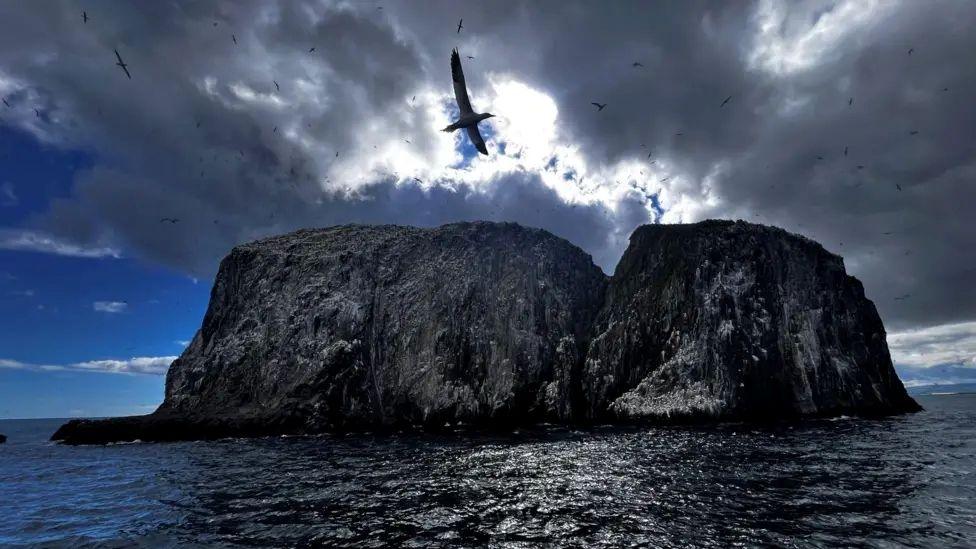
Recent surveys have highlighted the critical situation facing the UK’s seabirds, with many breeding populations continuing to decline.
Expert Commentary
Jude Lane, lead author of the study and marine conservation scientist at the RSPB, stated:
"The bird flu outbreak in 2022 dealt an unprecedented deadly blow to UK seabirds and these findings show that key gannet colonies on Bass Rock and Grassholm will be impacted for decades to come.
While we can't prevent diseases like bird flu, with long-term monitoring at key colonies and across wider populations we can better understand the impacts.
With that knowledge we are in a far better position to address the many other pressures facing seabirds and halt the devastating declines of recent years."