Tragic Flooding in Southern Spain Highlights Climate Crisis
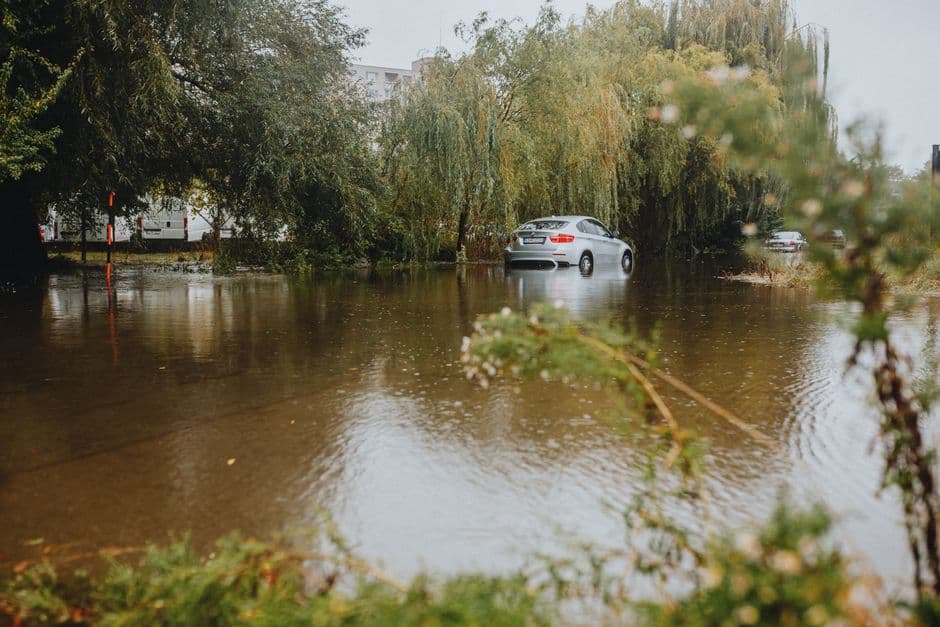
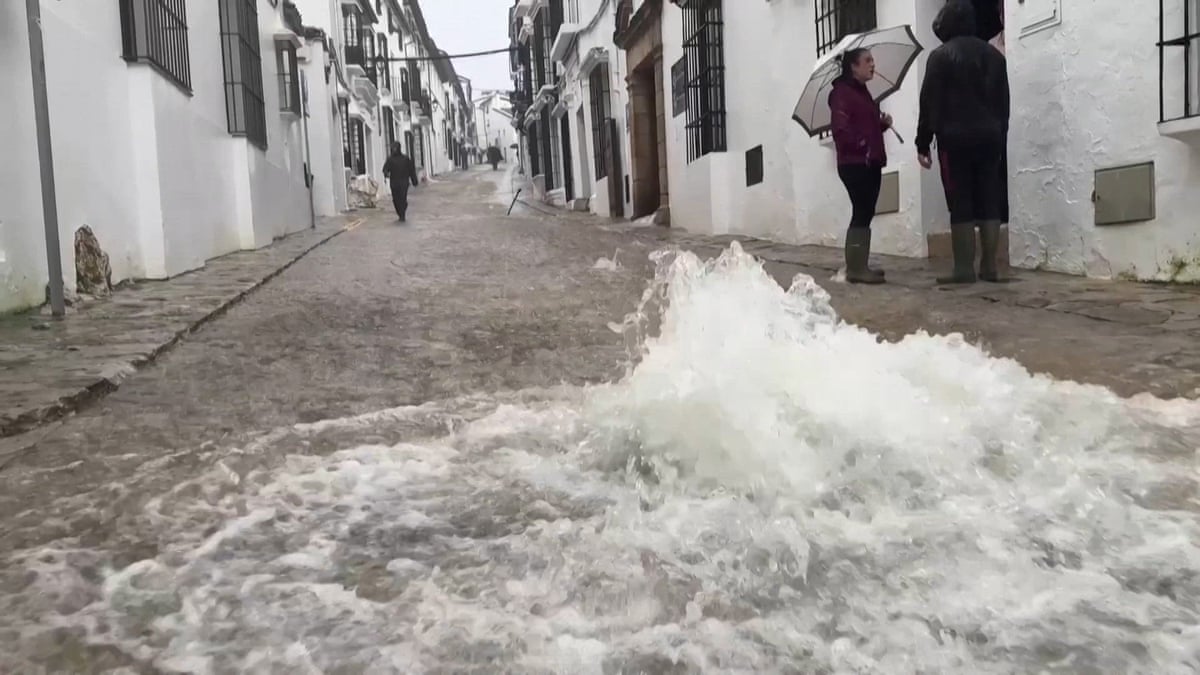
During the quiet week between Christmas and New Year, two lifelong friends from Spain, Francisco Zea Bravo and Antonio Morales Serrano, did not return home after dining out. On 27 December, the pair had enjoyed a meal with friends in Málaga but were caught in severe weather on their drive back to Alhaurín el Grande. Heavy rains transformed the usually calm Fahala River into what the local mayor described as an “uncontrollable torrent.” Police discovered their overturned van the following day, and after an extensive search, their bodies were recovered.
“We are used to some floods. Not many,”said Conchi Navarro, headteacher of Los Montecillos secondary school, who had expected Zea Bravo to succeed her upon retirement.
“But since December, these borrasca [low-pressure storms] have come one after the other.”
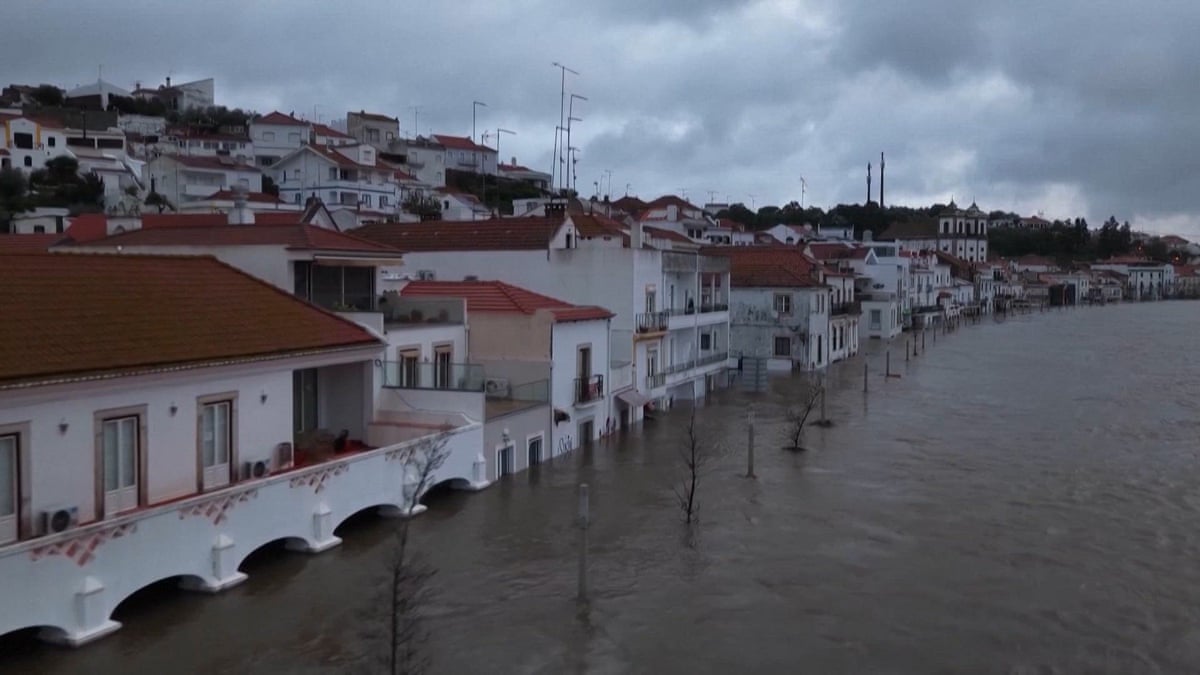
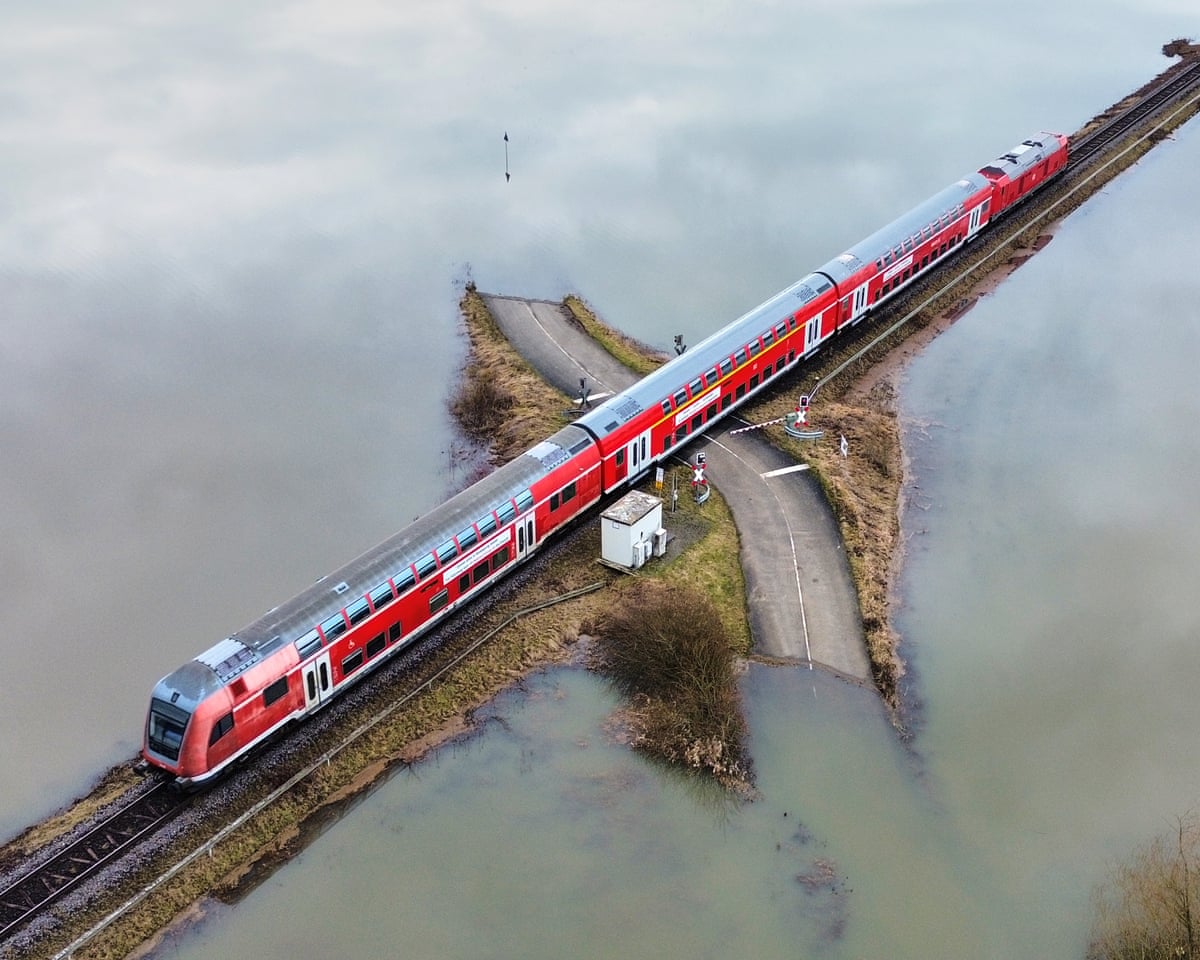
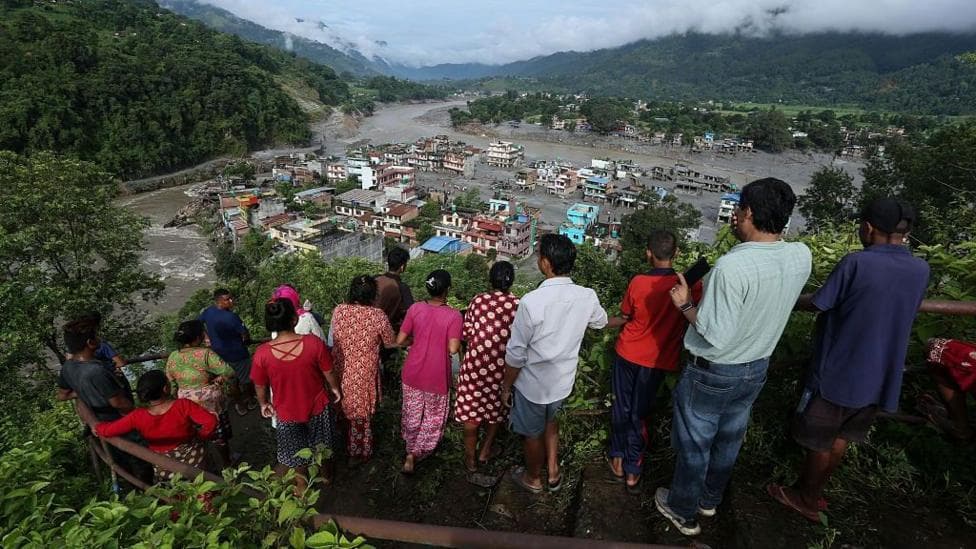
The loss of Zea Bravo, an active maths teacher involved in a book club and rock band, and Morales Serrano, a café and ice-cream parlour owner, has resonated deeply in their community. This tragedy is part of a broader pattern of increasingly severe weather events across western Europe. Recent storms have claimed at least 16 lives in neighboring countries, while soils have reached unprecedented saturation levels, prompting flood alerts demanding “absolute vigilance.” Some regions have broken records for continuous days of rainfall.
This pattern of extreme weather—wet winters and hot summers—is becoming Europe’s new normal. Yet, despite worsening conditions, voices opposing environmental regulations have grown louder and more influential.
Climate Change Denial Grows Amid Escalating Weather Extremes
“We’re moving toward self-destruction of the planet,”Navarro said, reflecting on over 60 years of witnessing climate change effects firsthand.
“It’s not something ‘they’ told me, it’s something I’ve seen. How can anybody say this is an invention?”
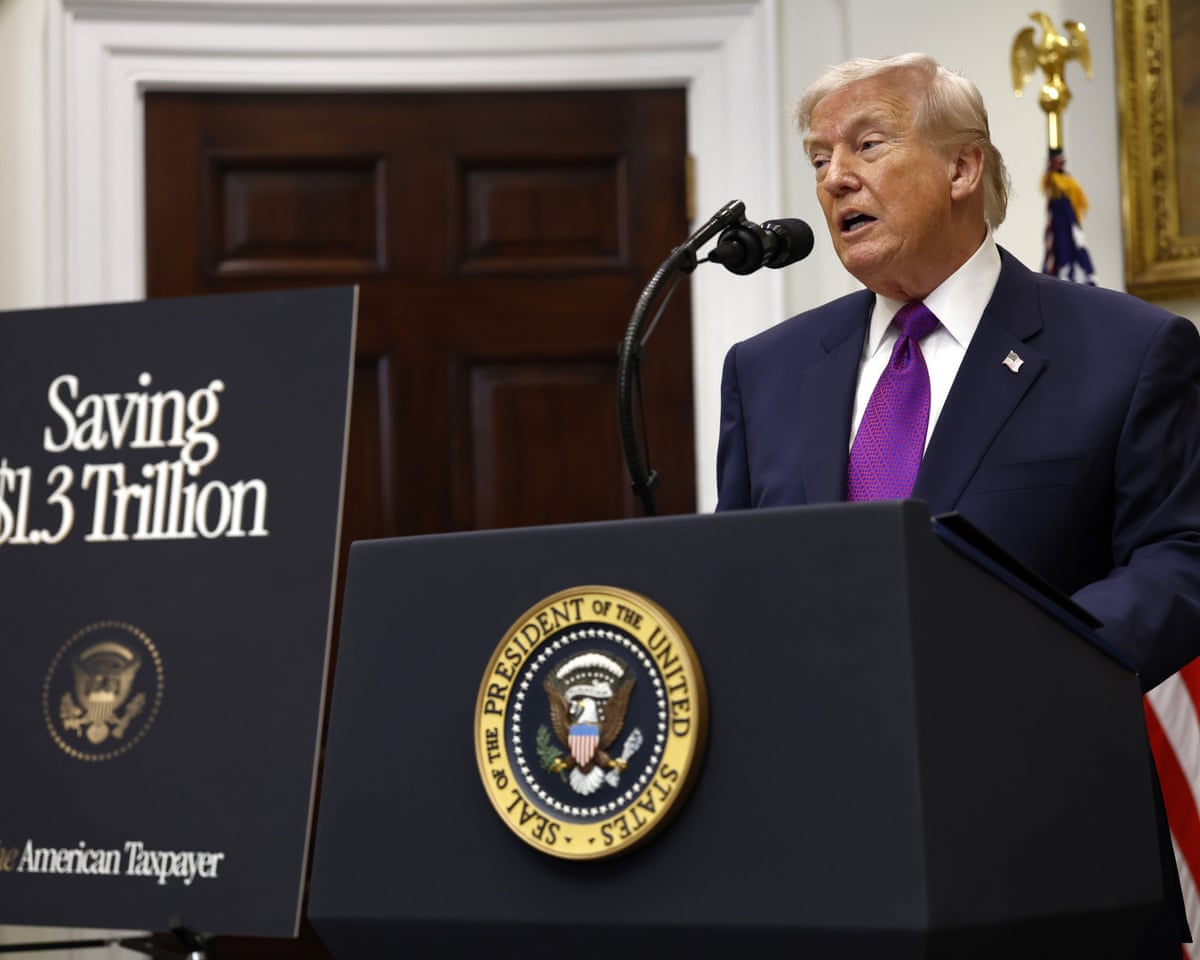
In the United States, climate denial has been particularly pronounced. President Donald Trump has intensified attacks on climate policies, including withdrawing from the Paris Agreement and revoking key pollution control findings. His administration has promoted a “drill, baby, drill” approach globally. US Energy Secretary Chris Wright, a former fracking executive, has pressured Europe to relax methane standards and sustainability rules that could hinder American liquefied natural gas exports. Recently, he urged the International Energy Agency to “drop the climate” from its models.
Meanwhile, in Europe, where public opinion strongly supports climate science and pollution reduction, a subtler form of denial has emerged. Far-right parties have gained influence, prioritizing opposition to climate policies alongside immigration. Centrist leaders, wary of these parties’ success and eager to appease polluting industries, have aggressively rolled back green regulations. For example, ahead of a meeting in Antwerp between European Commission President Ursula von der Leyen and business leaders, the EU’s carbon price—a key pollution reduction tool—came under attack from the powerful chemical industry.
Unrelenting Storms and Floods Mark Europe’s New Climate Reality
As rivers overflow and evacuation alerts become frequent, Europe faces an unprecedented storm season. Meteorologists named storms Alice, Benjamin, and Claudia in southern Europe during October and November, followed by David, Emilia, and Francis in December. January saw five storms—Goretti, Harry, Ingrid, Joseph, and Kristin—strike in rapid succession, with another five—Leonardo, Martha, Nils, Oriana, and Pedro—occurring in the first two weeks of February. This pace nearly matches the record 17 storms of the 2023-24 season, with forecasters already reaching the second half of the alphabet.
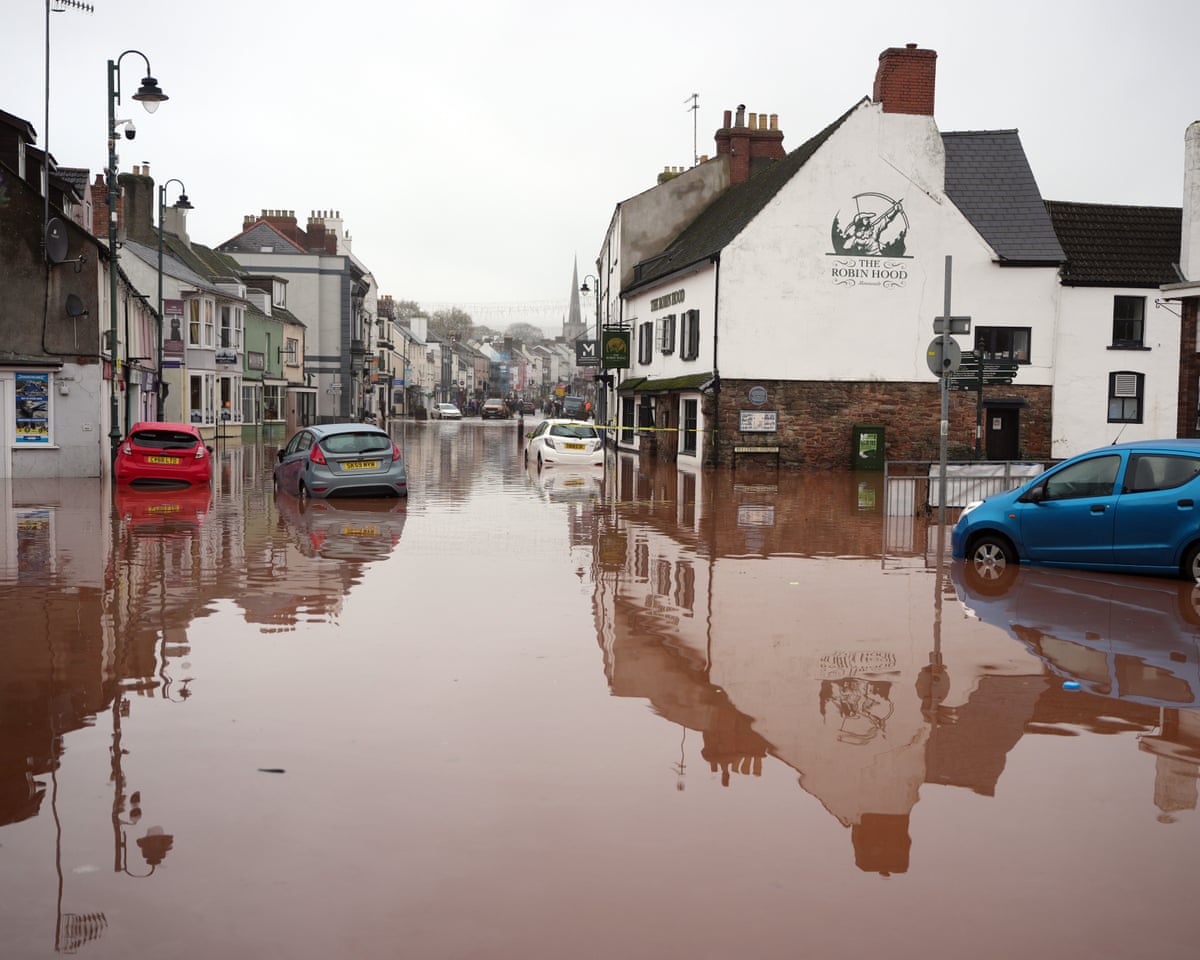
The storms impacting the Iberian Peninsula and the persistent rains in the UK result from a southward shift in the jet stream, a fast-moving air current. This shift coincides with high pressure over northern Europe, which blocks weather systems in place. Global warming exacerbates the damage as warmer air holds more moisture, leading to heavier rainfall. Saturated soils unable to absorb more water increase flood risks exponentially.
Scientific Warnings and Governmental Denial
Scientists criticize European governments for underestimating the scale of the threat. Christophe Cassou, a climate scientist and research director at the French National Centre for Scientific Research, described recent flooding in France as unprecedented in area and caused by record cumulative rainfall since the year began.
“What is surprising is that the authorities are surprised by such an outcome,”Cassou said.
“We are not experiencing the worst possible scenario, but simply a probable one, entirely within the range of what can be expected from climate simulations.”

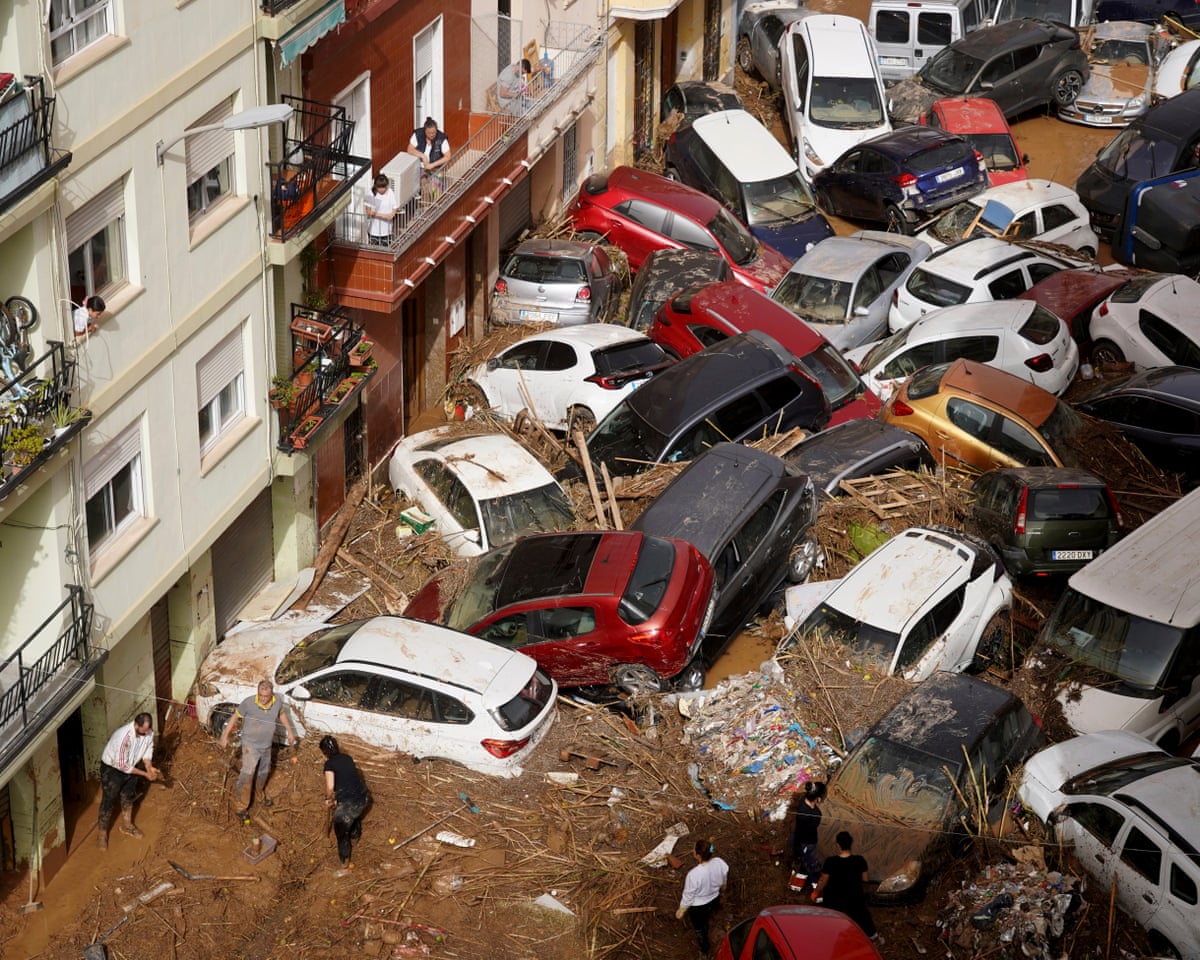
In Spain, memories of negligence remain vivid. On 29 October 2024, Empar Puchades, a 70-year-old former healthcare worker in Valencia, attended a press conference where the regional president assured that the storm would soon pass. Concerned, Puchades checked official meteorological data and, aware of her flat farmland location in a highly urbanized area, consulted a friend in a higher village who warned of an “unimaginable flood.” She warned neighbors and asked her middle son not to work the night shift, but he left early to cover a colleague.
“If my son had left at his usual time, he would have been caught in the full force of the water,”she said.
The floods that night claimed 229 lives in Valencia. The disaster sparked public outrage over delayed alerts and underscored the damage fossil fuel pollution inflicts on wealthy nations. A study published in Nature Communications found that global warming increased rain intensity by 21% and expanded the area receiving over 180mm of rain by 55%.
That night, Puchades took her dog upstairs and opened the shutters to observe a tongue of water approaching her home. She described it as
“not very high, with a lot of debris, making a very strange noise and with an unrecognisable smell.”The water came slowly at first, then rapidly.
“I will always say that what struck me was how fast it was.”
Lessons from Past Disasters and Calls for Urgent Action
Spain’s lack of preparedness echoes Germany’s experience three years prior, when climate-amplified rains killed 134 people in the Ahr valley after inadequate warnings. These and other disasters have led the EU’s scientific advisers to label Europe’s climate adaptation efforts as “insufficient, largely incremental [and] often coming too late.”
In a report released on Tuesday, advisers urged officials to prepare for a world 2.8-3.3°C hotter than preindustrial levels by 2100—double the warming target set by the 2015 Paris Agreement—and to conduct stress tests for hotter scenarios.
Maarten van Aalst, a member of the European Scientific Advisory Board on Climate Change and head of the Dutch meteorological agency, emphasized the rapid increase in climate risks under such warming but noted Europe still has choices.
“Even with the much milder but quite significant warming that we’ve seen so far, we’re already seeing extreme events that surprise us and that kill people when they possibly shouldn’t have if we had anticipated better,”he said.
“I hope we will not get to 3C … but there’s a significant chance that the world at large will not meet its targets.”
Global temperatures are approaching the 1.5°C threshold, with the planet having warmed approximately 1.4°C since preindustrial times. Most experts doubt this goal remains achievable. As climate losses increase, scientists stress that
“every fraction of a degree”of warming matters.
Community Impact and Future Concerns
Navarro, who had relied on Zea Bravo’s support during demanding times at school, remembers his friendly and calming nature. The school held a memorial for him in early January after term resumed, leaving students silent and motionless. After a difficult fortnight following the floods, recovery has begun.
“Now we will wait for the fires in summer.”