Relentless Rain in Cardinham
For the small Cornish village of Cardinham, the rainfall this year has been unyielding. The Met Office is anticipated to confirm that it has officially rained there every day for the past fifty days. The last dry day residents experienced was 30 December 2025. So far, they have already received more than the usual rainfall expected for the entire month of February.
The only positive note is that this streak remains below the previous longest wet spell recorded in Cardinham, which lasted seventy-two days in 2000.
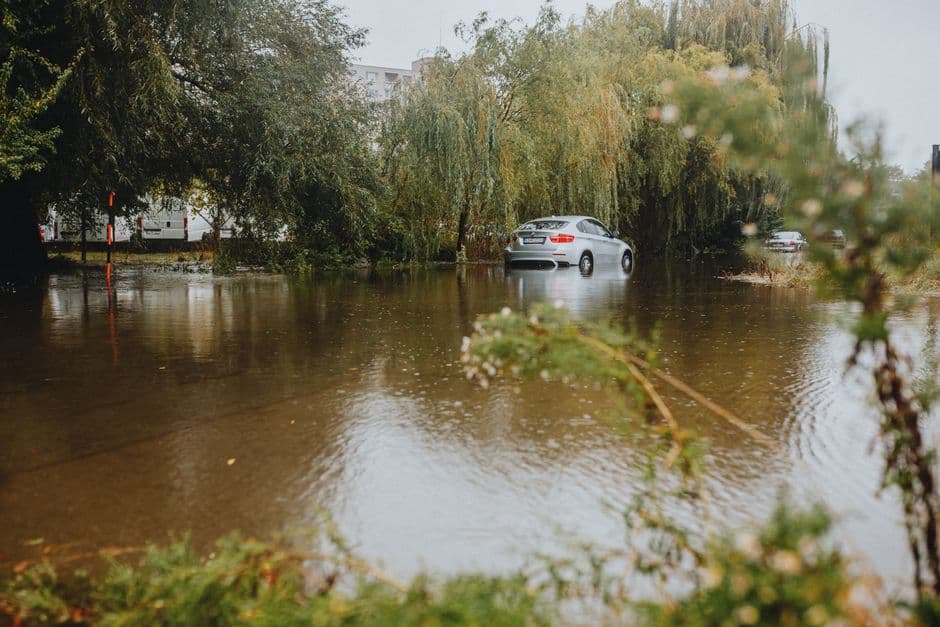
Across the UK, the persistent rain over recent weeks has led to ongoing flooding, with no significant relief expected until at least mid-March.
Flooding may worsen as unsettled weather is forecast to continue for at least another month.
Few Have Escaped the Near Relentless Rain
The wet conditions are not limited to Cardinham. Exeter, Liscombe, Camborne, and Okehampton, all located in the south-west, have experienced between 43 and 49 consecutive days of rain. Katesbridge in Northern Ireland has now recorded 40 days of wet weather, having already received over two and a half times its average February rainfall.
At Ryhill in West Yorkshire, rain fell every day for 36 days prior to Wednesday. Northern Ireland endured its wettest January in 149 years, and at Aboyne in Aberdeenshire, over half of the average annual rainfall has already been recorded.
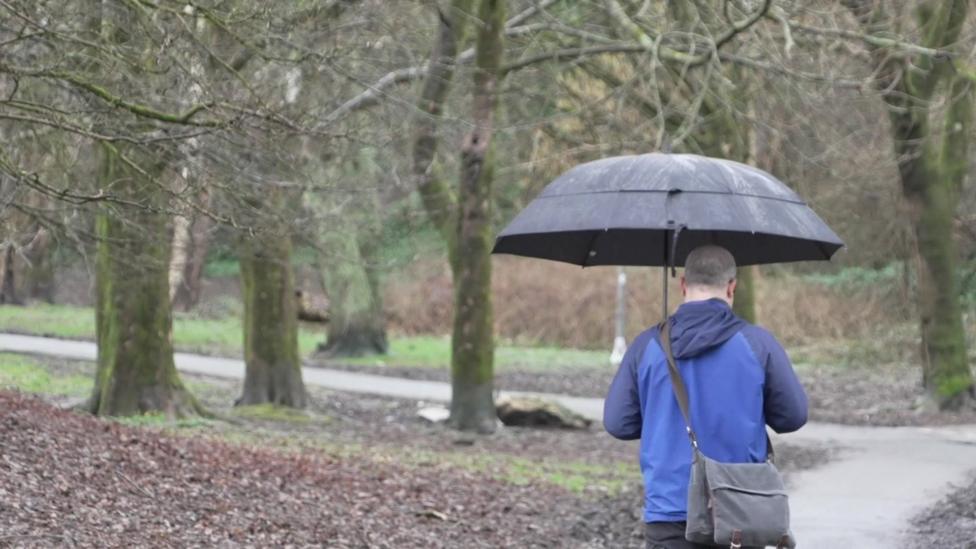
A wet walk through woods in Cardinham
Why Has It Been So Wet?
The primary cause of the persistent rain is a "stuck" weather pattern that developed across Europe shortly after the New Year. A large area of high pressure became established over northern and eastern parts of the continent, with cold air becoming strongly entrenched beneath it.

Simultaneously, surges of Arctic air in the USA and Canada intensified a strong Atlantic jet stream, directing rain-bearing low-pressure systems toward western Europe. The high-pressure area blocked the progress of these lows, causing repeated spells of wet weather over the same regions—namely the UK, Spain, and Portugal.
However, this blocked system has also meant that some parts of the UK have avoided the worst of the rain. Areas of north-west England and western Scotland have experienced below-average rainfall, with some parts of the Highlands going nearly three weeks without rain.
This soggy start to the year reflects long-term trends indicating that UK winters are becoming warmer and wetter due to climate change. A warmer atmosphere can hold more moisture, resulting in heavier and more intense rainfall events.
When Will It Stop Raining?
This weekend, some parts of the UK may experience their first taste of spring warmth, with temperatures reaching 15 or 16°C in certain locations. However, this does not signify a return to consistent sunshine and dry weather. Rain will continue across the UK during the weekend, despite milder conditions brought by south-westerly winds.
The Met Office has stated that there is no indication of prolonged dry weather until at least mid-March, with conditions remaining very "changeable".
"The blocked weather pattern that has been the reason for all our problems so far this year has finally changed," the Met Office said. "Low pressure systems will now sit in different areas and also progress across the UK more than they have done. The result will be a different distribution of rainfall across the country, with some western hills likely to experience the wetter conditions."
There should also be some drier and brighter days, but with rivers still very high and ground saturated in many parts of the country, any additional rain could increase the risk of flooding.
Following the unusually dry conditions across much of 2025, which led to drought in several areas, the transition to flooding has been rapid.
Are wetter winters and frequent flooding here to stay?