Overview of the Current Heatwave and Fires
In this week’s newsletter: The south-east of Australia is enduring its most severe heatwave since the 2019-20 'black summer', while the government continues to endorse fossil fuel projects.
Don’t get Down to Earth delivered to your inbox? here
Australians are accustomed to extreme weather, with a national identity shaped by cycles of droughts and flooding rains. However, since the catastrophic 2019-20 bushfires, which burned an area nearly the size of the UK, the onset of warmer seasons has been met with increasing apprehension. This summer has brought exceptionally severe heat and fire events that are harsh even by Australian standards.
More, after this week’s most important reads.
Essential Reads
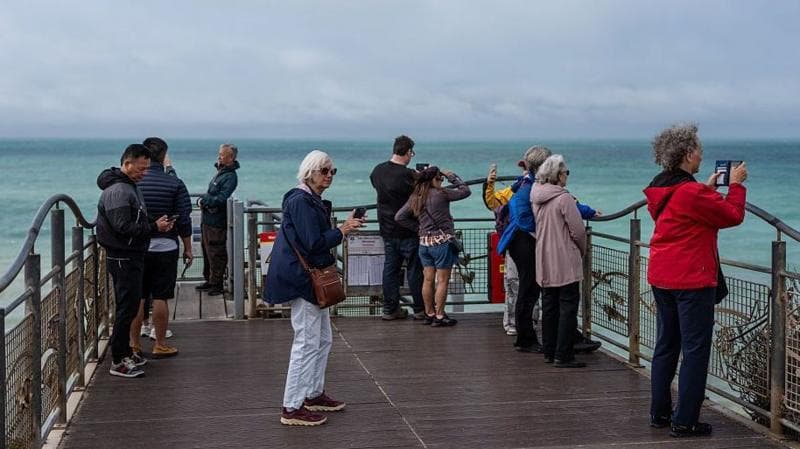
During the first week of January, the south-east of Australia experienced the most intense heatwave since the 2019-20 'black summer'. Major cities recorded extreme temperatures: Melbourne reached 41°C (106°F), Adelaide 43°C, and other regions saw temperatures exceed 45°C.
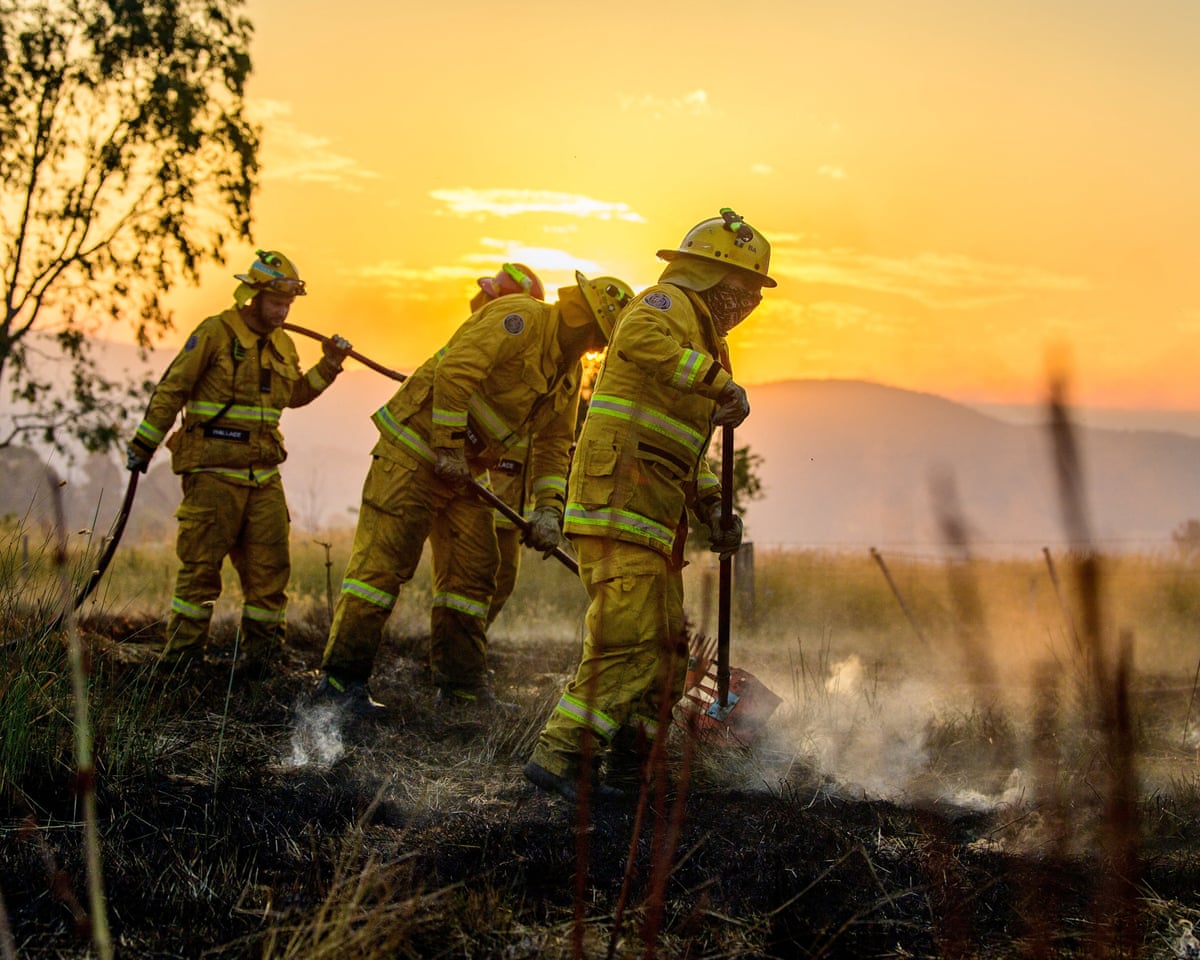
The hot, dry conditions were conducive to fire outbreaks. On 9 January, under 'catastrophic' fire danger ratings, emergency crews responded to nearly 200 fires in Victoria. Volunteer firefighters in towns such as Alexandra and Yea battled flames that ultimately destroyed their own homes. Some fires burned for extended periods before containment.
By the end of January, climate scientists confirmed that the extreme heatwave was exacerbated by greenhouse gas-induced warming. Shortly after their findings were published, a new heatwave struck, breaking records. The opal-mining town of Andamooka in South Australia, with a population of 262, recorded 50°C — only the eighth time such a temperature has been documented in Australia.

In Victoria, the state’s all-time heat record was surpassed at two locations, reaching 48.9°C. Melbourne experienced temperatures up to 45°C. On 27 January, the day of the peak heat, the atmosphere felt suffocating and oppressive, comparable to the sensation of having one’s face blasted by a hairdryer. Direct sunlight temperatures can be significantly higher than official measurements.
There are known biological limits to human heat tolerance. In Australia, heat is responsible for approximately 65% of weather-related hospitalizations and causes more fatalities than all other natural hazards combined. Despite the extreme temperatures, major sporting events like the Australian Open proceeded with stringent heat protocols. This raises concerns about the viability of holding such events during increasingly frequent and severe heatwaves driven by global warming.
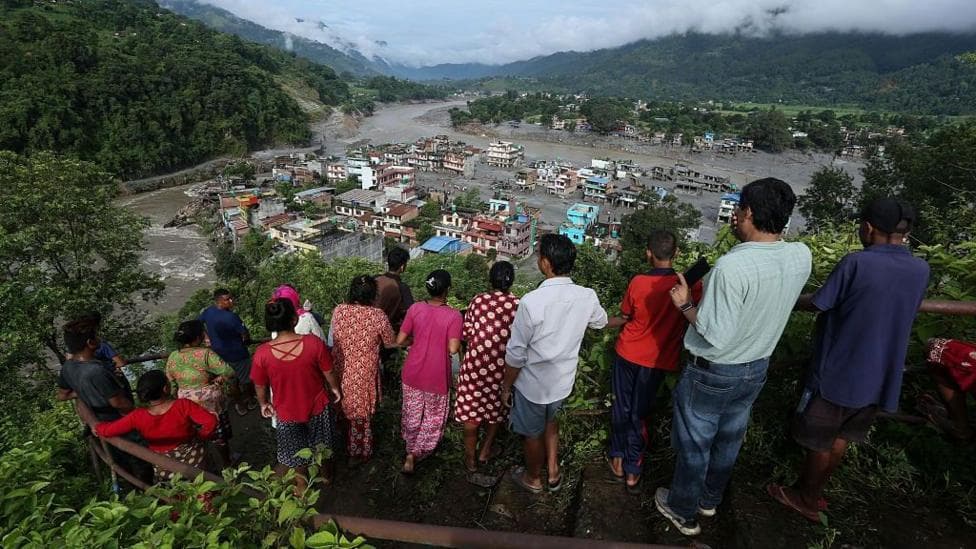
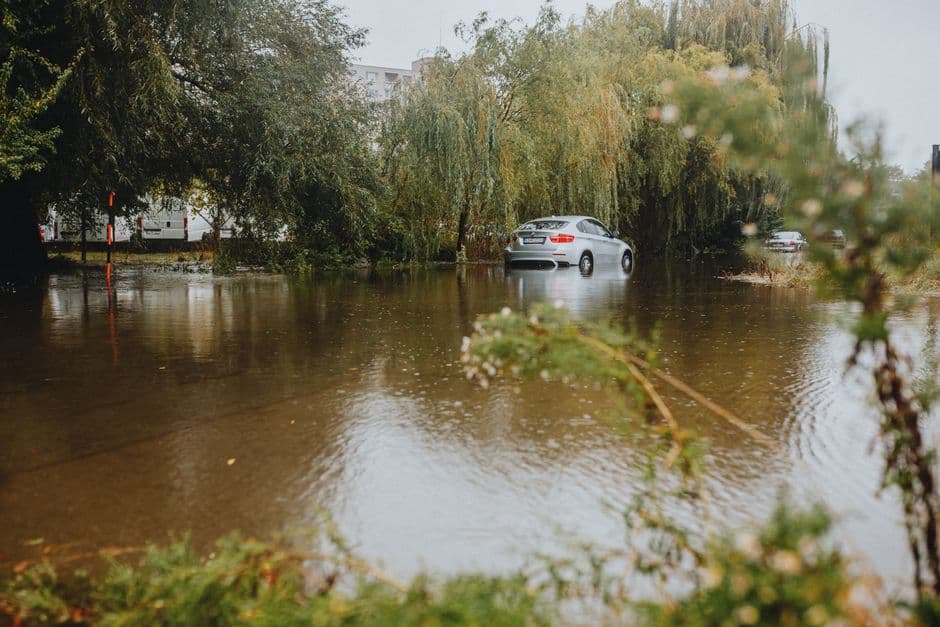
Although the season is ongoing, assessments of this summer’s impacts have begun. In Victoria alone, 435,000 hectares (1 million acres) have burned, with over 900 structures destroyed. Analysis using data from the Insurance Council of Australia indicates that fires, floods, heatwaves, and storms have caused approximately $1.6 billion (£833 million) in insured losses so far this summer. Additionally, the season has seen seven cyclones, flooding in multiple states including incidents where floodwaters swept vehicles into the sea in Victoria, and a persistent algal bloom along the South Australian coast lasting nearly a year.
The full extent of the effects on Australian wildlife remains uncertain. Thousands of flying foxes have died during extreme heat events. Some plant species are feared extinct. There have been numerous reports — similar to those during the 2019-20 fires — of dehydrated koalas drinking water provided by humans, as these marsupials typically obtain most of their hydration from moisture in eucalyptus leaves.
This year’s heat has been moderated somewhat by a La Niña weather pattern, but Australians must prepare for increasingly severe summers. A positive development is Australia’s progress in reducing reliance on its traditionally coal-dependent electricity system. During the heatwaves, the electricity grid managed high demand effectively, aided by a rapid increase in solar power generation. In the week of the second heat event, solar energy supplied 30% of the main grid’s electricity; in the last quarter of 2025, renewables contributed over 50% for the first time.
However, the centre-left Labor government continues to approve new fossil fuel projects, primarily to support a still-thriving fossil fuel export sector. Since its election in 2022, it has authorized 33 coal and gas developments or extensions. Just last week, it approved the Vickery Extension Project, estimated to emit approximately 236 million tonnes of CO2 over its lifetime — nearly half of Australia’s current annual emissions.
The conservation community has responded sharply. One advocate stated:
"The government is burning our future and burning their own credibility."
As in other parts of the world, pressure to transition away from fossil fuels is intensifying. Whether political leaders can withstand this pressure remains uncertain.