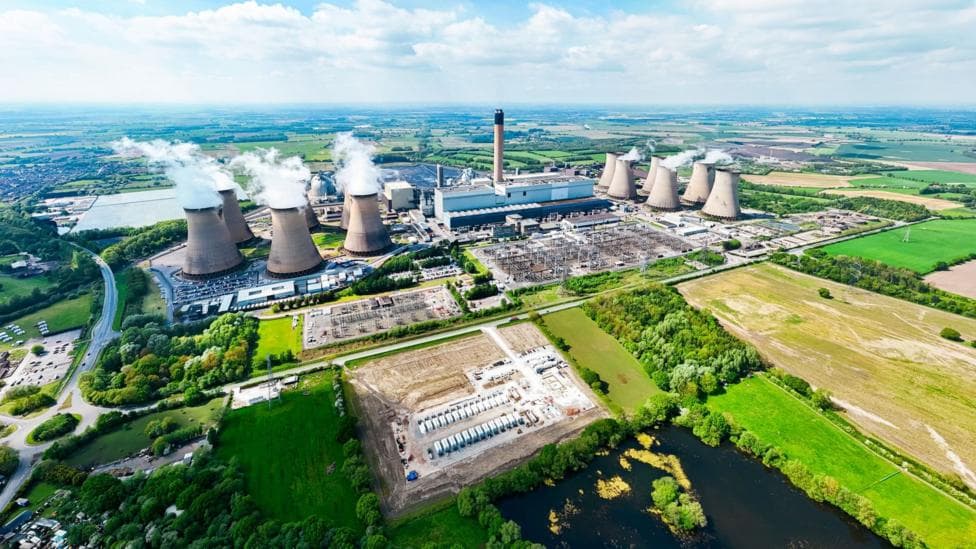
Landmark Pollution Case Targets Major Chicken Producer and Water Company
One of the UK's largest chicken producers, Avara Foods, along with Welsh Water, will face a High Court hearing on Monday over allegations of polluting the rivers Wye, Lugg, and Usk.
More than 4,500 residents and workers near these rivers along the Welsh-English border have joined the legal action, marking what is considered the largest environmental pollution case in the UK by number of claimants and geographic scope.
Avara Foods, a dominant force in local chicken farming, and Welsh Water have dismissed the claims as "misconceived" and "misguided," respectively.
Concerns Over River Wye’s Declining Condition
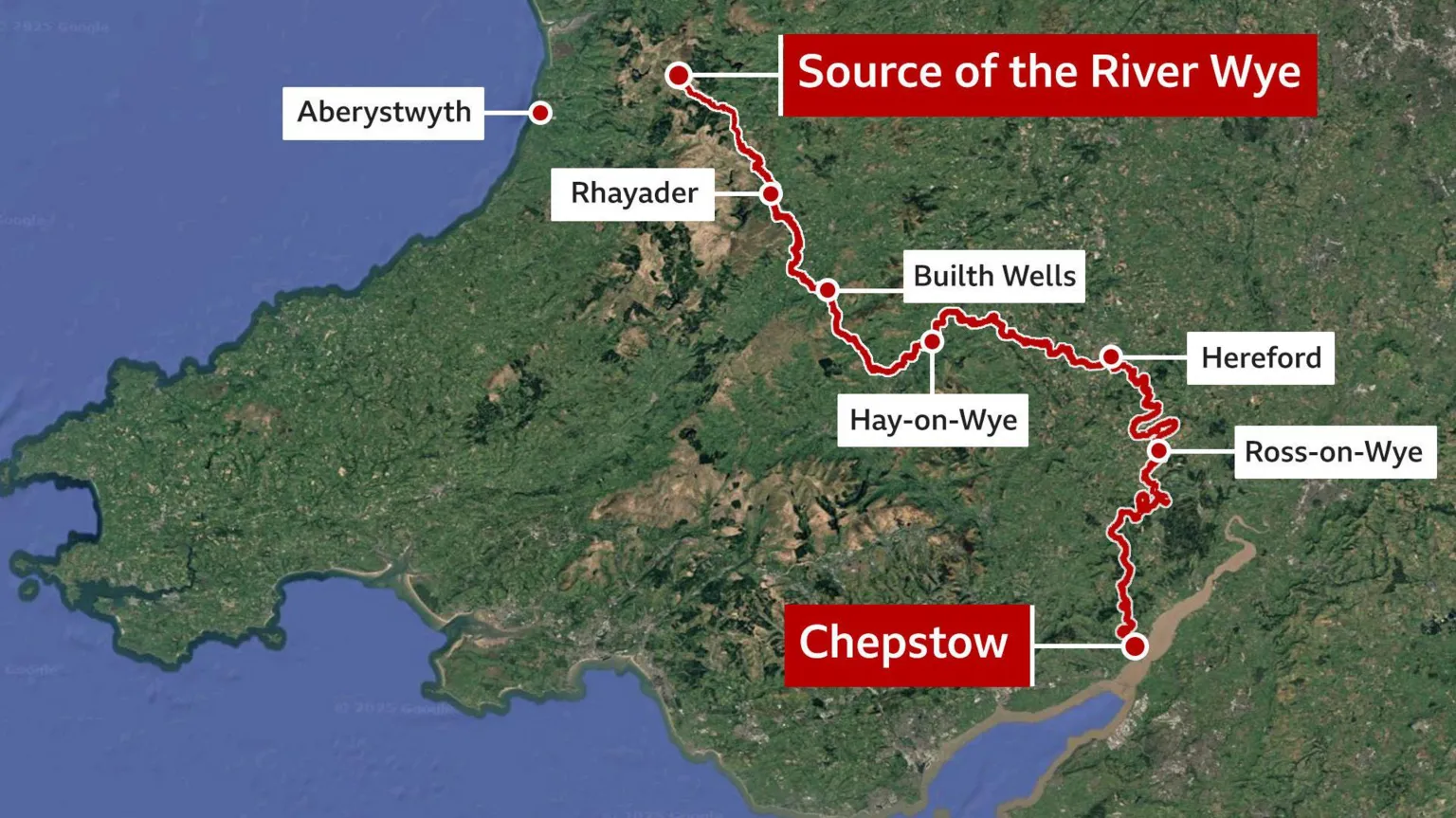
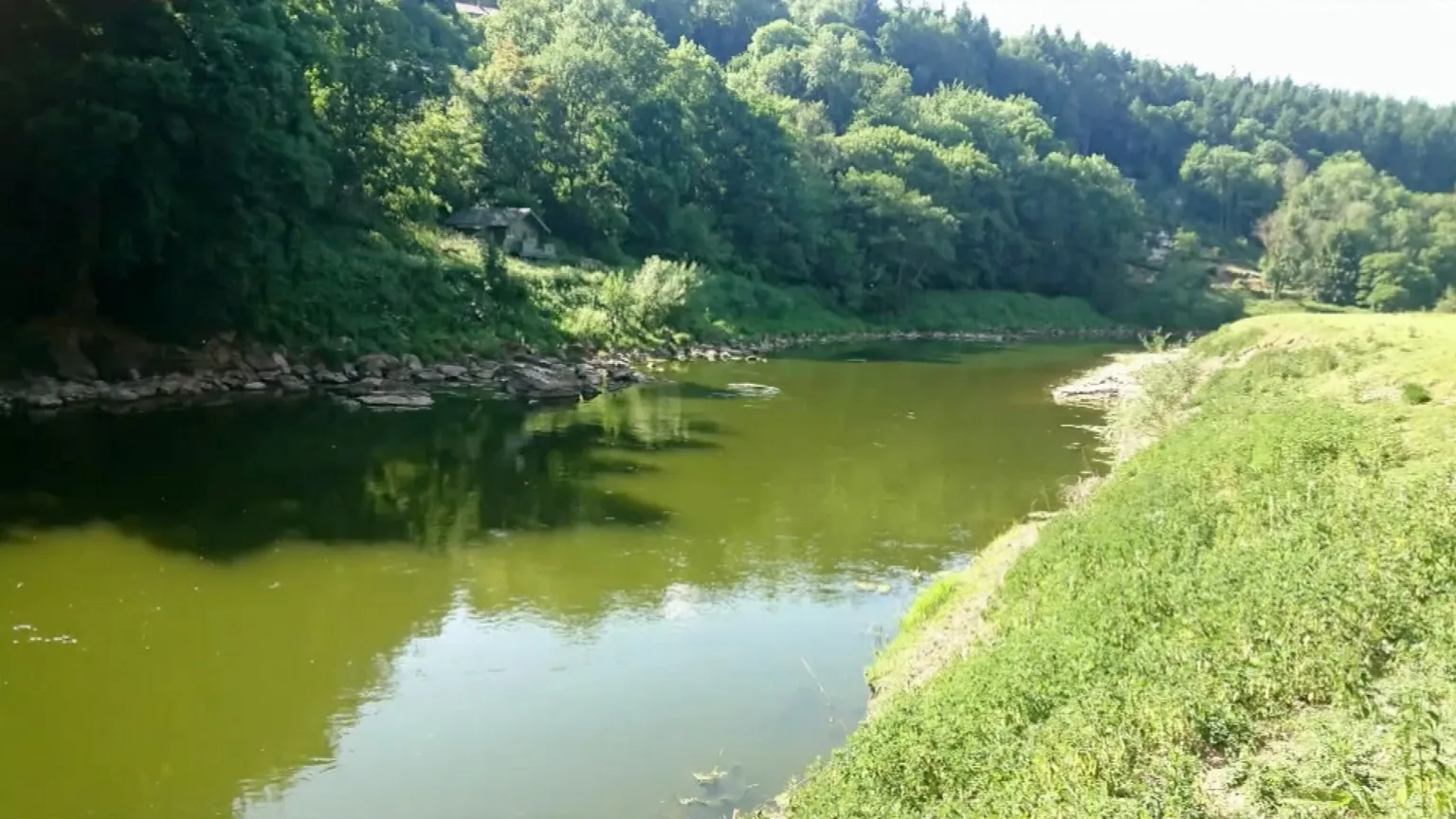
The River Wye, one of the UK's longest and most renowned rivers, has experienced significant environmental issues in recent years. Locals report that the river frequently turns green during summer months and emits unpleasant odors, accompanied by slimy conditions.
The legal claim attributes these problems to the spreading of chicken manure on farmland and sewage discharges. It seeks enforcement of measures to restore river health and compensation for those whose livelihoods and quality of life have been impacted.
The initial procedural hearing is scheduled for Monday at the High Court in London, where lead claimant Justine Evans will be present.
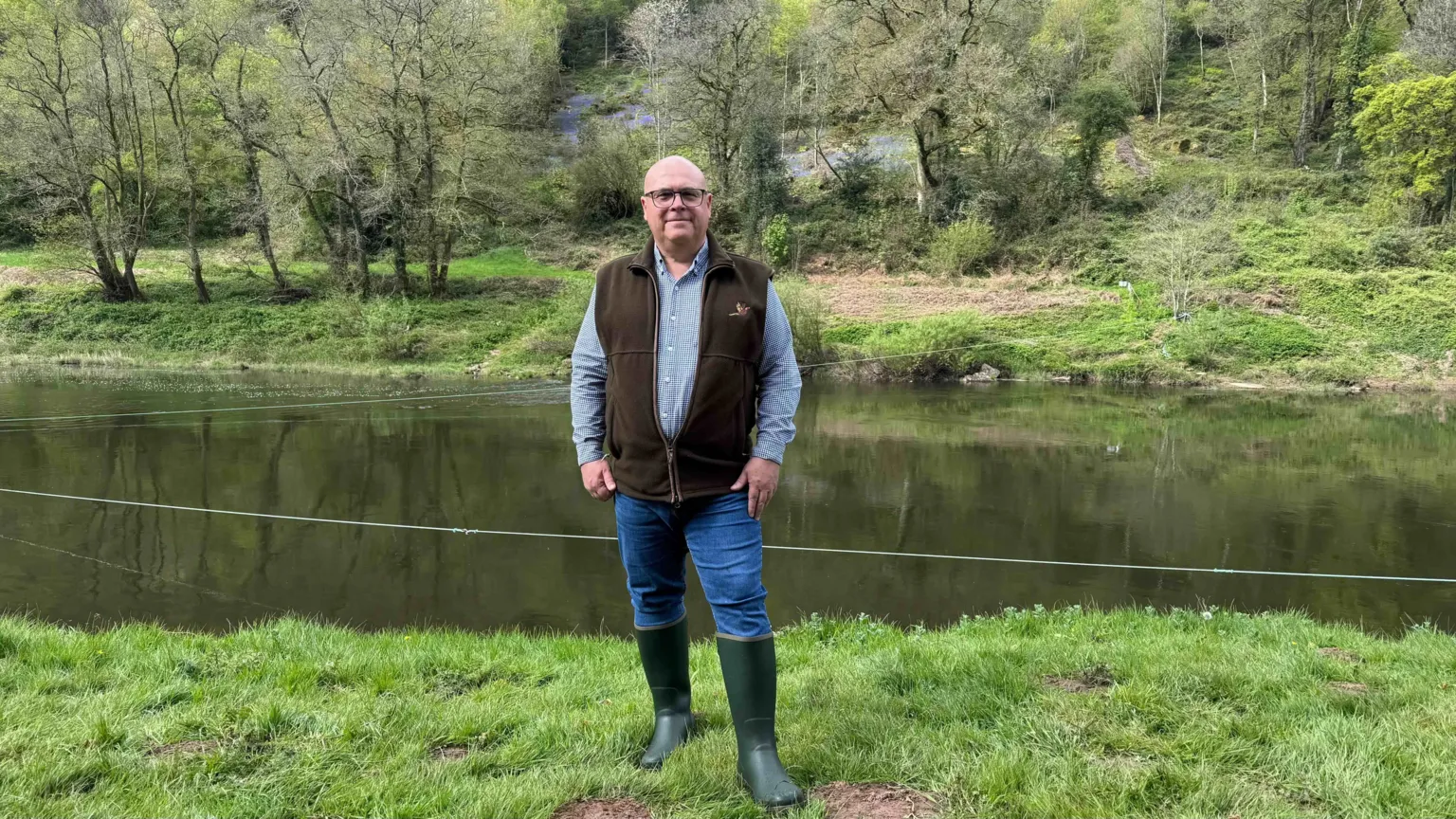
"That just isn't what this river should look like and feel like and smell like," said Ms. Evans, a wildlife filmmaker, speaking from the banks of the Wye near her home. "There's been systemic failure going on. And so in light of that, it seemed like the only course of action is to take legal action and make polluters pay."
Industrial Chicken Farming and Environmental Impact
Campaigners have long highlighted the rapid growth of industrial chicken farming near the River Wye. Approximately 24 million chickens are currently raised in the river’s catchment area, mostly housed in large sheds. This represents about a quarter of the UK's entire chicken population.
Historically, manure from these chicken sheds was applied as a low-cost fertilizer on nearby arable farmland. The legal claim argues that nutrients from this manure often washed into waterways, introducing elevated levels of phosphorus, nitrogen, and bacteria into the rivers. Combined with warm weather, these nutrient loads have caused "algal blooming," turning the water green.

In 2023, Natural England, the UK government's advisory body, classified the River Wye’s condition as "unfavourable - declining." The 2024 River Wye Action Plan cited excessive nutrients from farming and wastewater discharges, alongside climate change effects such as increased water temperature and reduced flow during hot, dry summers.
Legal Representation and Claims Against Poultry Companies
Legal firm Leigh Day is representing the claimants on a no-win no-fee basis. While arable farmers applied the manure, Leigh Day contends that Avara Foods and its subsidiary, Freemans of Newent, should be held accountable for the resulting environmental damage.
"The poultry companies that are being sued in this claim knew what the outcome of their operations were going to be when they expanded the poultry production in this area," said Celine O'Donovan, a Leigh Day lawyer. "As a result, the responsibility for the decline of these rivers needs to lie with the people that knew what was going to happen and have made the money from it and controlled the supply chain that resulted in it."
The companies face accusations including negligence, causing private and public nuisance, and trespass where riverbeds on claimants' properties have been affected.
Responses from Avara Foods and Welsh Water
Avara Foods issued a statement calling the allegations "misconceived" and expressed confidence in their position, asserting that the claim lacks proper scientific foundation. The company noted that river health is influenced by multiple factors and highlighted that phosphorus levels have decreased since the early 1990s.
Welsh Water, accused of contributing to nutrient pollution through sewage spills, described the case as "misguided." The company emphasized its investment of £76 million between 2020 and 2025 to reduce nutrient levels in the Wye, Lugg, and Usk rivers, with plans to invest an additional £87 million from 2025 to 2030.
Impact on Local Fishing and Economy
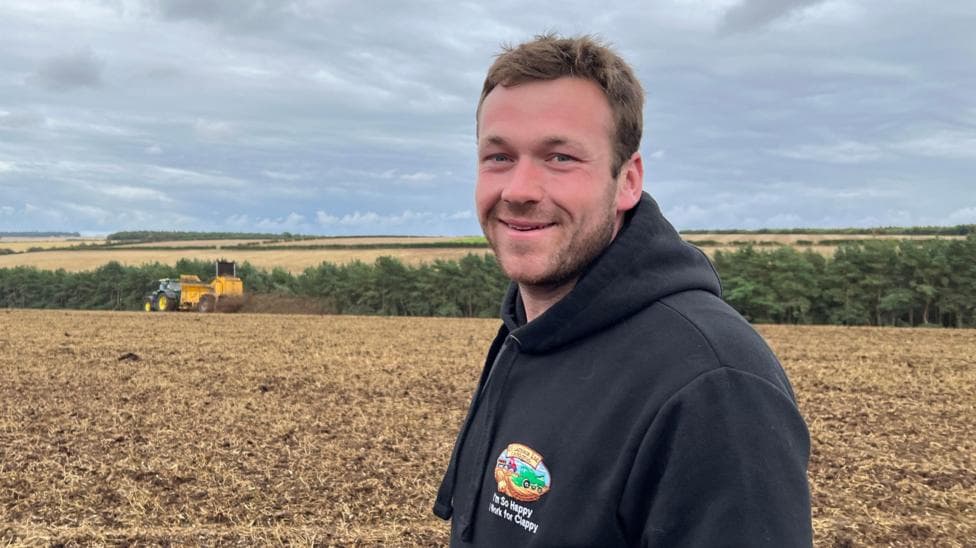
Nathan Jubb, a "gillie" managing fishing along a stretch of the Wye, highlighted the financial and ecological consequences of algal blooming. The river, once famed for Atlantic salmon fishing, now faces critical declines in salmon populations, with only a few thousand migrating annually.
Jubb has joined the legal claim, noting that while salmon numbers have dropped sharply, the green algae make the fish harder to detect and catch.
"We don't know they're there because they don't usually show and we can't see them," Jubb explained. "People are just going away from the river, the anglers are just disappearing," he added with a sigh, "And they're not coming back. Because they're not catching anything."
Additional Information
Additional reporting was contributed by Tom Ingham and Gwyndaf Hughes.
Readers are encouraged to for the Future Earth newsletter for exclusive insights on climate and environmental news from the BBC's Climate Editor Justin Rowlatt, delivered weekly to inboxes. International readers can to the global edition.