Community Effort to Restore Bog Bush Cricket
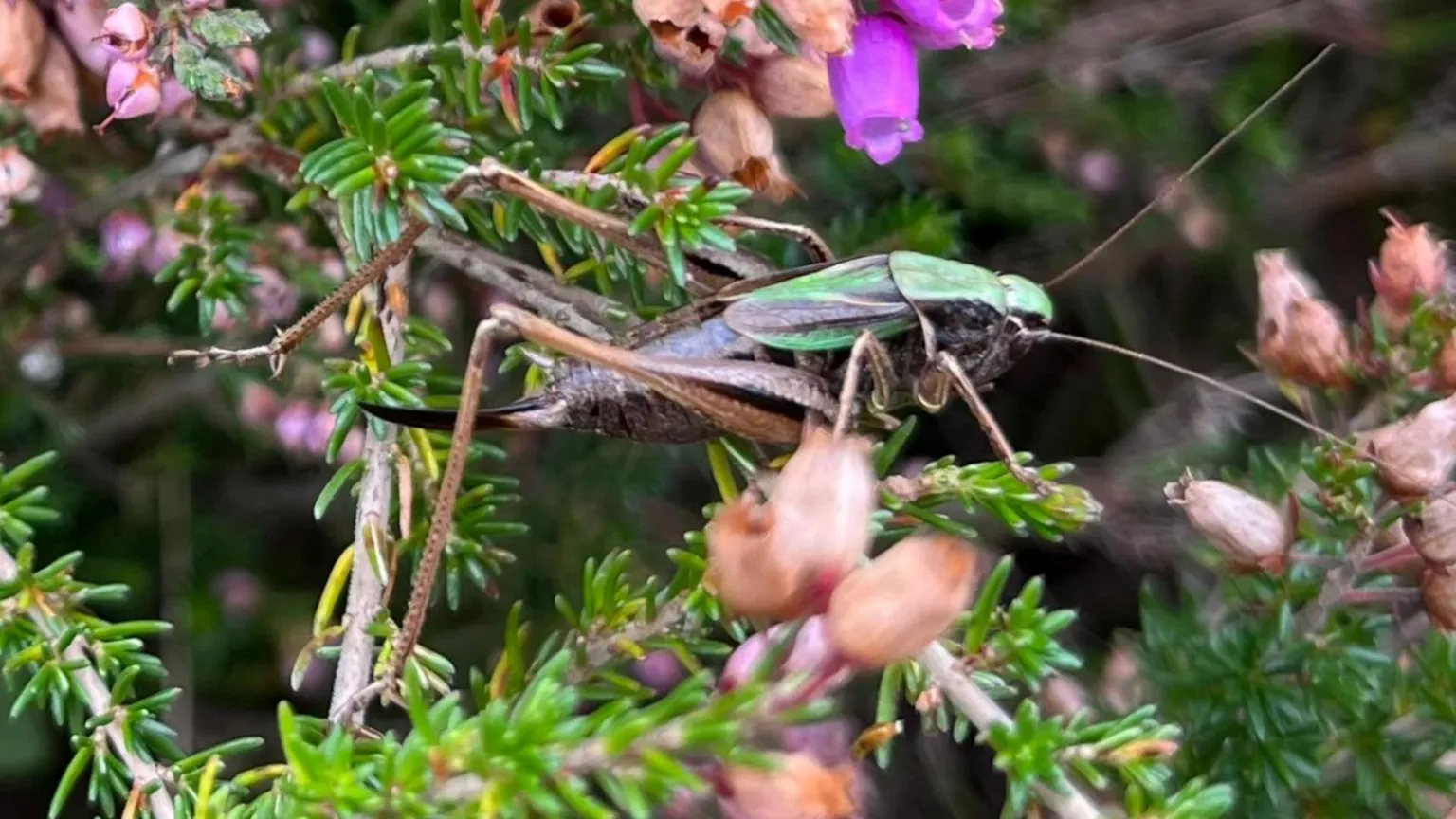
Volunteers have the opportunity to assist in reviving the bog bush cricket, a wetland insect that was once widespread but is now scarce. Citizen Zoo, an organisation that engages communities in local rewilding initiatives, aims to breed the species at home and reintroduce it to habitats across East Anglia.
In the East of England, the bog bush cricket survives in only a few locations within Norfolk, including areas near Aylsham, Sheringham, and Holt.
"It almost always has short wings and cannot fly, so its ability to colonise suitable new sites is very limited - it just needs a little help,"said entomologist Stuart Green.
Currently, the insect can be found at Beeston Common, Holt Lowes, Cawston Heath, Marsham Heath, Buxton Heath, Broadland Country Park, Horsford Heath, and Swannington Upgate in Norfolk.
Citizen Zoo has initiated a trial breeding programme for the bog bush cricket, aiming to develop a scientifically robust method to breed the species in captivity. This model is intended to support future reintroductions into the wild and contribute to population recovery efforts.
The bog bush cricket is one of ten bush cricket species currently found in the UK. Measuring approximately 18mm (0.7in), it prefers to inhabit lowland peat bogs, according to Buglife.
Building on Previous Success
The project builds on Citizen Zoo's Hop of Hope citizen rewilding programme, which has successfully restored more than 8,000 large marsh grasshoppers to wetlands in Norfolk and Cambridgeshire since 2018.
Last year, Natural England announced that the bog bush cricket had returned to the Broads.

Elliot Newton, director of rewilding at Citizen Zoo, expressed enthusiasm about applying proven methods to this new species.
"We are incredibly excited to apply a similar methodology that has already delivered remarkable success with the large marsh grasshopper to a new species — the bog bush cricket."
However, Green, who managed the large marsh grasshopper recovery project, noted that the bog bush cricket presents additional challenges.
"We will be testing a few methods that might get around these problems and allow us to rear significant numbers of the bush cricket for release into the wild,"he said, referring to the insect's cannibalistic tendencies and its longer, two-year life cycle.
Future Plans and Community Involvement
Suitable sites for reintroduction have not yet been selected, though The Fens are considered a promising habitat for the species.
"At a time when ecological decline can often leave people feeling powerless, community-led projects like this offer something vital – hope,"Newton said.
"They show that local people can play a direct role in restoring nature and shaping a wilder future."
Individuals interested in contributing to the project or sharing story suggestions for Norfolk are encouraged to make contact through the provided channels.
For ongoing updates, follow Norfolk news on , Facebook, Instagram, and X.