Surveying Water Voles on the River Meon
The River Meon in Hampshire is the most extensively surveyed waterway in the UK for water voles.
"We get very excited by flattened poo,"is a phrase that might surprise many.
Unexpectedly, I found myself standing thigh-deep in a chalk stream, surrounded by volunteers equipped with poles, waders, and lifejackets.
"Found another,"a volunteer exclaimed, peering into a riverbank.
Andy Reeves, reserves officer for Central Rivers and Downs with the Hampshire and Isle of Wight Wildlife Trust, smiled as he updated his chart.
"That means we've got evidence of breeding water vole which is brilliant,"he explained regarding the flattened droppings.
"Water voles have got scent glands on their feet and they will stamp down on the poo and they'll flatten it around and that is them scent marking their territory."
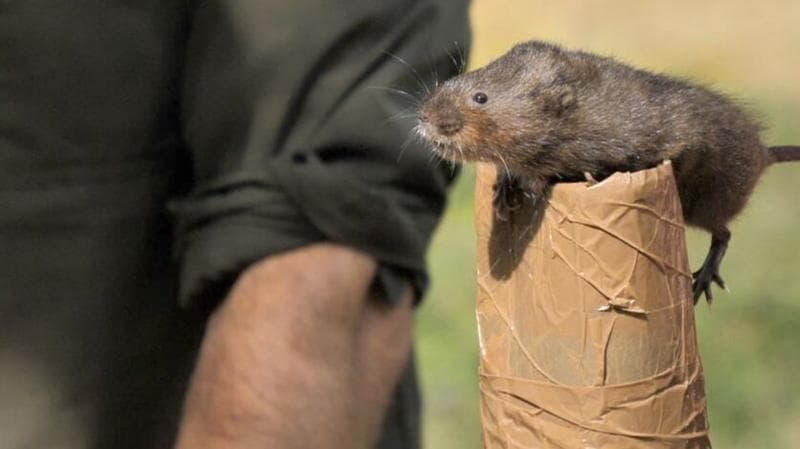
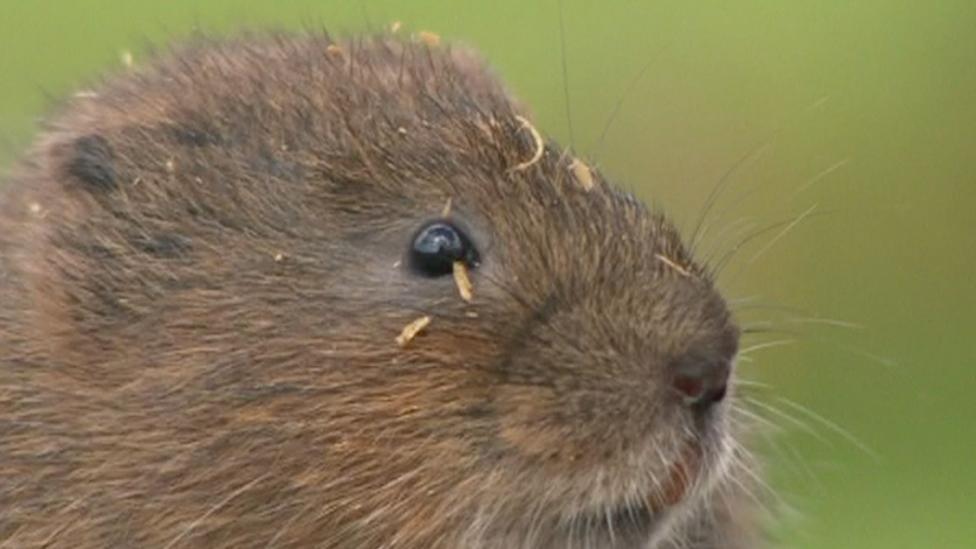
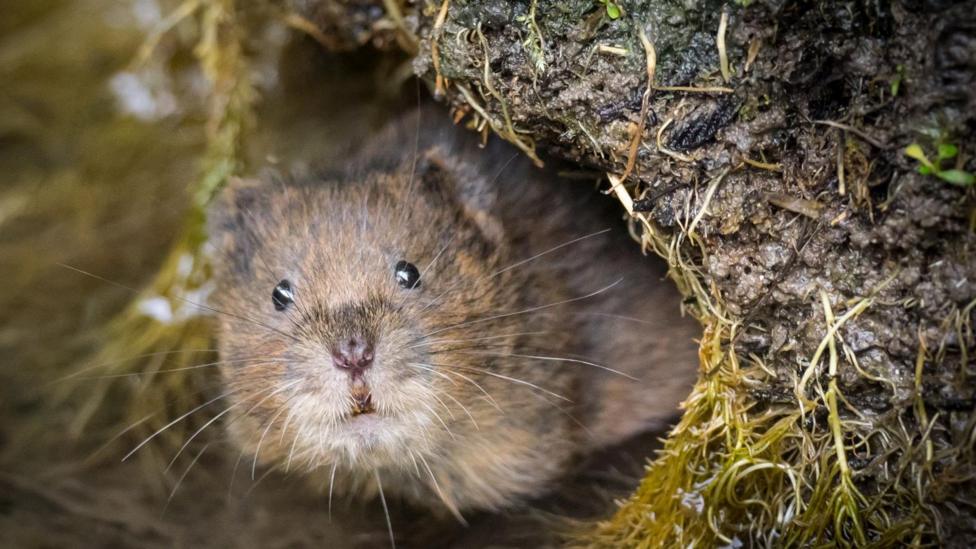
With their blunt noses, small ears, and furry tails, water voles were once a common sight along our rivers.
Monitoring and Signs of Water Voles
I joined volunteers conducting a water vole survey along a stretch of the River Meon at St Clair's Meadow in Hampshire.
Extensive monitoring of this chalk stream has been ongoing for over ten years, beginning with the first reintroduction of water voles in 2013.
The volunteers search for more than just flattened droppings.
Other indicators of water vole presence include small food caches and nibbled plants.
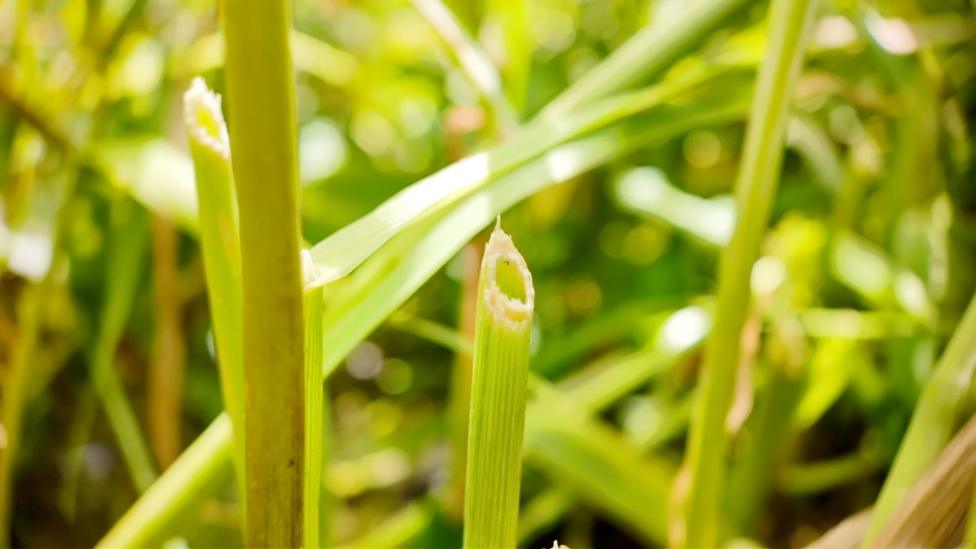
"They are the most extraordinary creatures because they will chop off bits of stem at 45 degrees,"said volunteer Stephen Short, holding up a stalk.

"And it is so accurate in a lot of cases if you can see that. And so that's one of the things that we're looking for."
The nibbled vegetation is often stored in small piles among the reeds for later consumption.
Survey Progress and Conservation Challenges
As the volunteers moved downstream, carefully parting riverside plants to find signs of water voles, frequent discoveries were reported back to Reeves.
The ongoing updates to the survey chart contrast with the dramatic decline water voles have experienced historically.
It is estimated that the introduction of the non-native American mink led to a 90% reduction in water vole populations since the 1970s.
Combined with habitat loss, this has made the water vole the fastest declining mammal in Britain.
Positive Developments on the River Meon
However, the outlook for water voles on the River Meon is improving.
Since 2013, more than 2,800 water voles have been released as part of the Meon Valley Partnership.
This collaborative project involves the South Downs National Park Authority, conservation organizations, and landowners, and appears to have halted and reversed the species' decline.
Regular surveys indicate that water voles are breeding and thriving, with no evidence of American mink along this waterway.
Ecological Benefits of Water Voles
Water voles also positively impact the surrounding habitat by enhancing biodiversity through their interactions with the river ecosystem.
"Constant nibbling of more than 200 species of plants means riverbanks thrive and their waterfront burrows improve soils."
Further conservation efforts and monitoring are planned to ensure the continued success of water voles on the River Meon.
On a lighter note, my waders unfortunately developed a leak during the survey.