Rediscovering Northern Ireland's Ancient Temperate Rainforest
Northern Ireland is home to a rare and ancient woodland known as a temperate rainforest, distinct from the tropical rainforests commonly imagined. This unique ecosystem, also referred to as the Atlantic or Celtic rainforest, ranks among the UK and Ireland's rarest, most biodiverse, and most threatened habitats.
According to the Woodland Trust, ancient woodland comprises just 0.04% of Northern Ireland's total land area. These forests play a vital role in supporting environmental health and the diverse ecosystems they harbor.
Ulster Wildlife has initiated an ambitious 100-year restoration programme aimed at reviving these ancient woodlands. Rosemary Mulholland, Head of Nature Recovery at Ulster Wildlife, is part of the team leading this extensive effort.
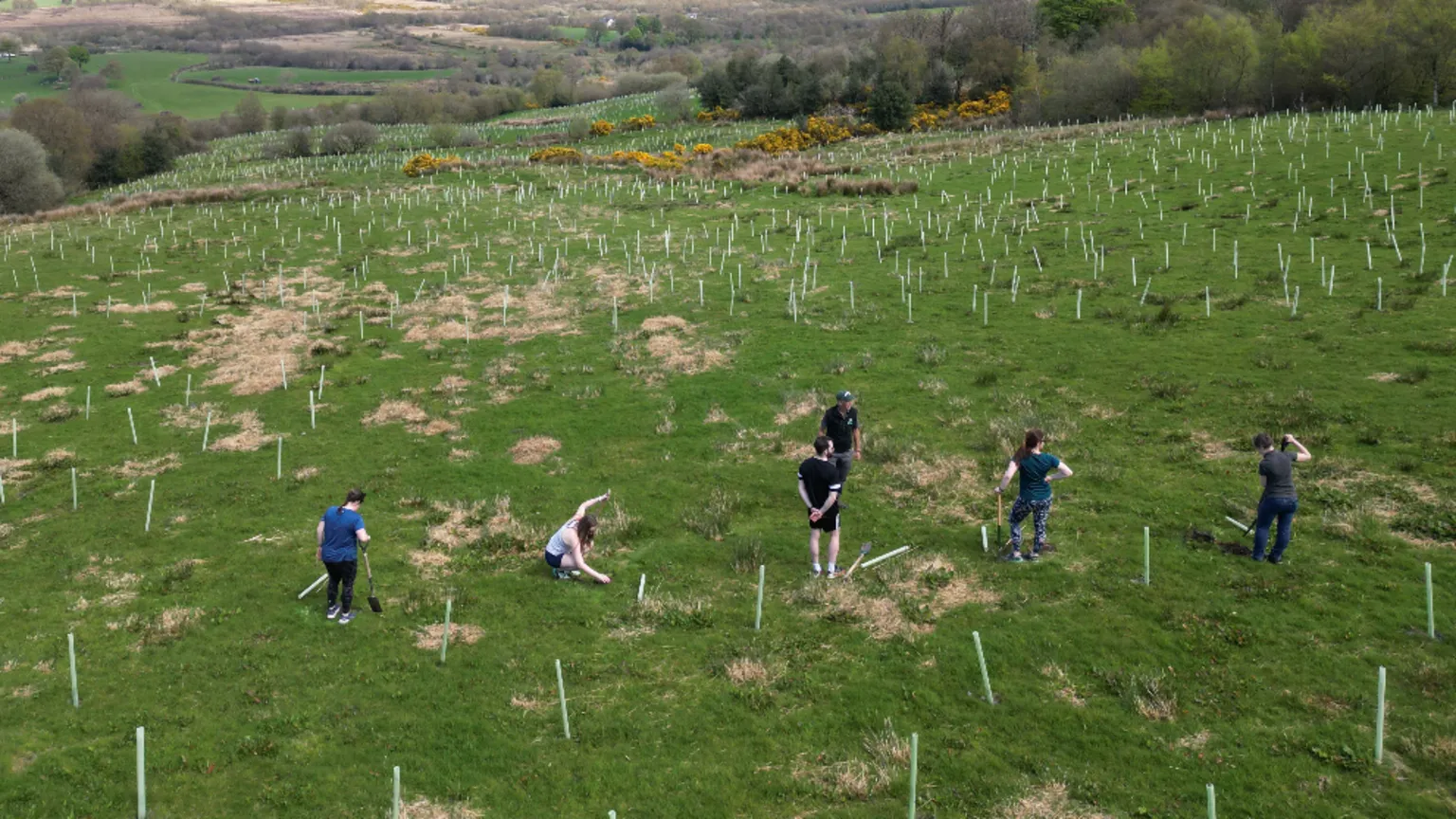
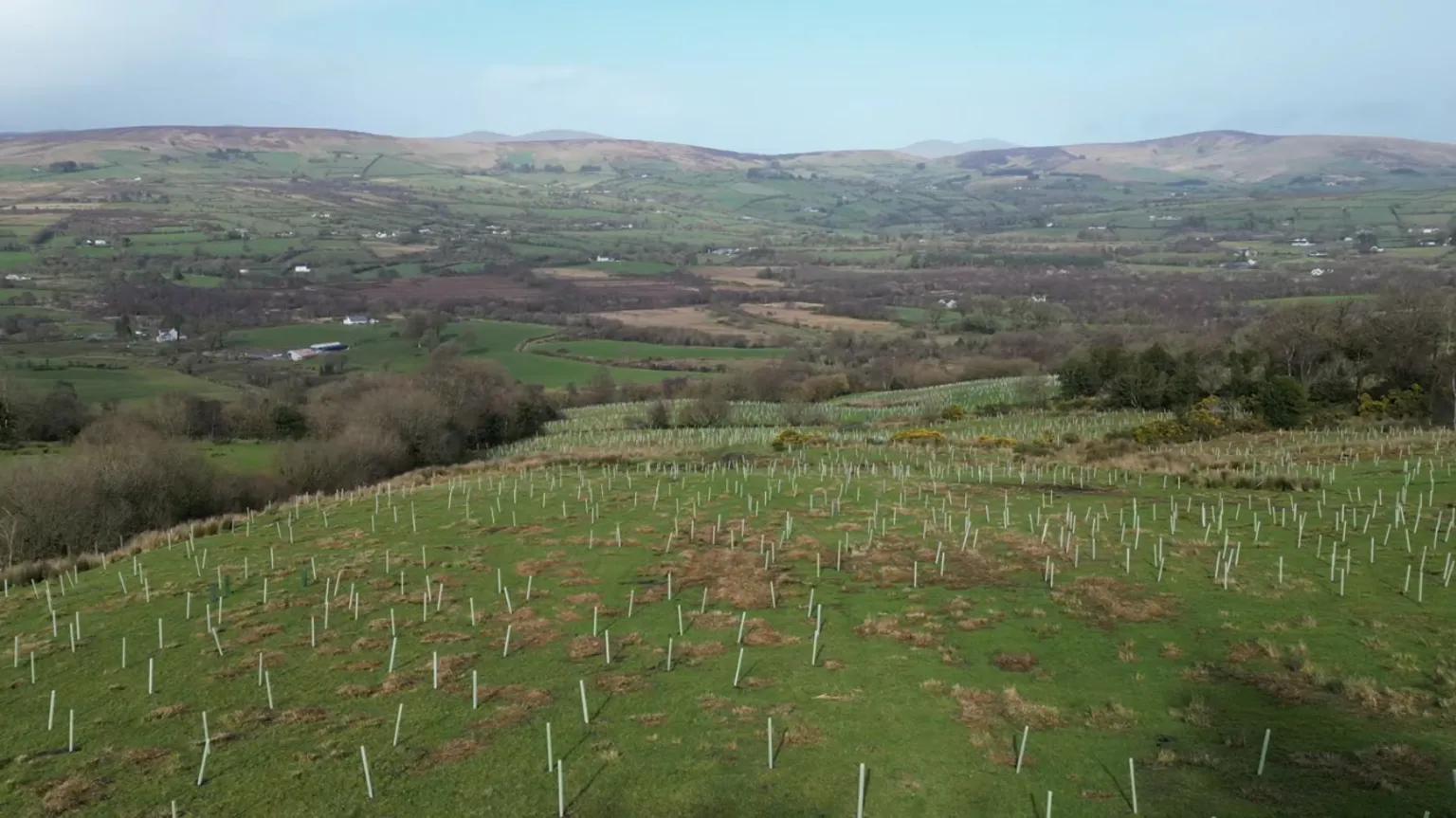
On a 41-acre site at Lenamore Wood near Gortin in Omagh, nearly 30,000 native trees of Irish provenance—including oak, alder, and rowan—have been planted. The first trees were introduced in February and March 2026.
This large-scale project is supported by a significant partnership with Aviva, which has committed approximately £38 million to the initiative.
While the initial signs of growth, such as tree tips emerging from protective plastic tubes, are expected within about a year, full maturation of the forest will take at least a century.
Reflecting on the long timeline, Mulholland remarked:
"It is sad, but in a way it's a great privilege, isn't it, to just be able to take this land and turn it into a habitat that is now largely lost."
What is a Temperate Rainforest?
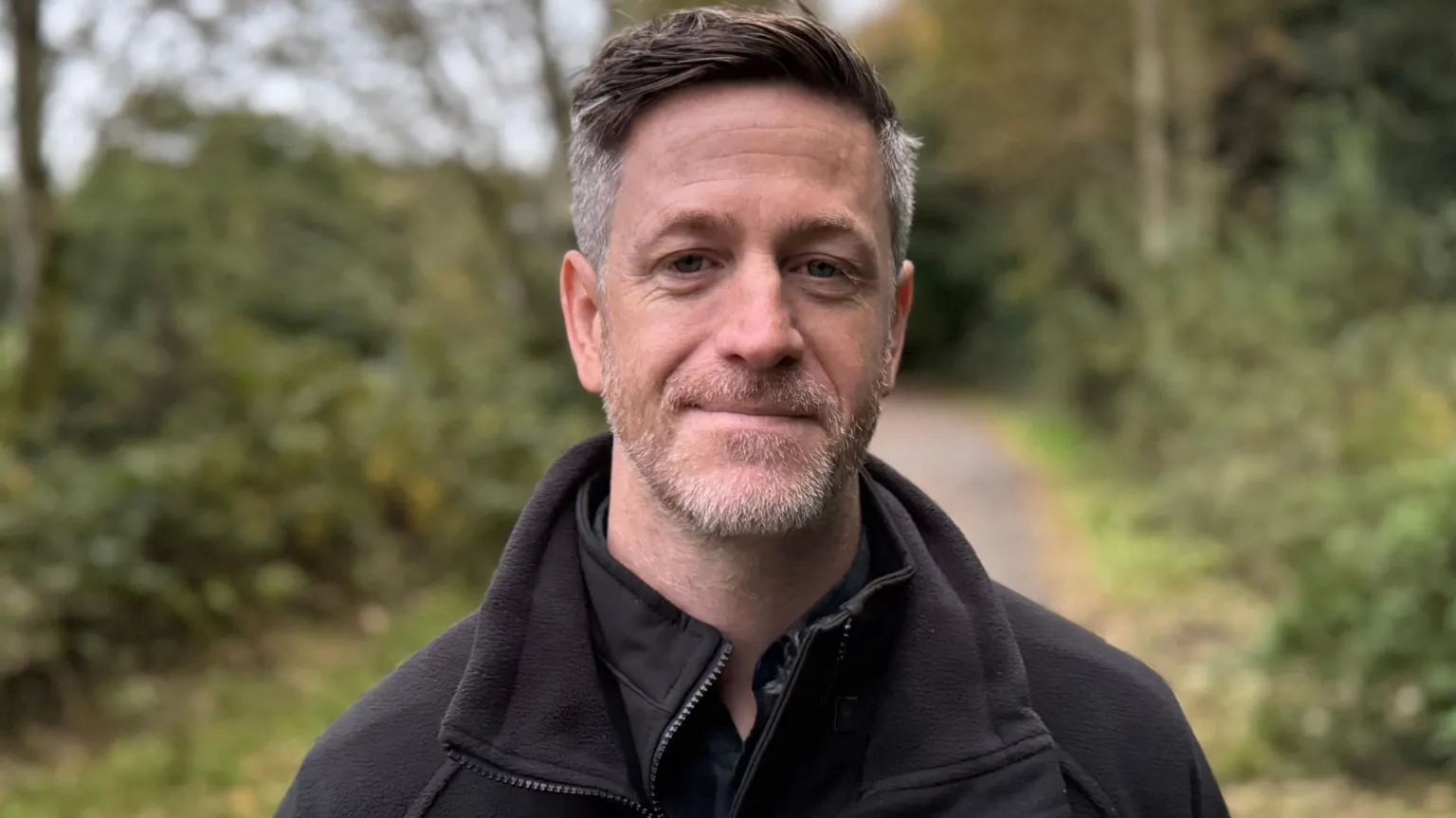
John Martin, director of the Woodland Trust in Northern Ireland, describes temperate rainforests as ecosystems typically dominated by native tree species such as oak, birch, alder, and hazel.
These forests are characterized by high humidity, which supports mosses, lichens, and complex woodland structures including ravines, rivers, and rocky outcrops. They thrive in regions with high rainfall, mild temperatures, and strong oceanic influences.
Martin emphasized the critical environmental services these forests provide, including biodiversity protection and carbon storage.
"They deliver critical environmental services, including biodiversity protection, so essentially nature protection and carbon storage."
Historical Decline of Temperate Rainforests
Martin explained that these rainforests have existed for thousands of years. Following the last ice age, as the climate warmed, trees gradually colonized Ireland. By approximately 8,000 to 9,000 years ago, dense woodland likely covered most of the island.
These ancient forests were dominated by oak, hazel, elm, birch, and pine, functioning similarly to what is now recognized as temperate rainforest in the wetter western regions.

Between 6,000 and 3,000 years ago, Neolithic farmers began clearing land for agriculture and grazing, which, along with the development of settlements, hindered forest regeneration.
Martin noted that the most significant losses occurred between the 16th and 19th centuries, marking a critical collapse phase for Ireland's rainforests.
Private Efforts in Rewilding and Restoration
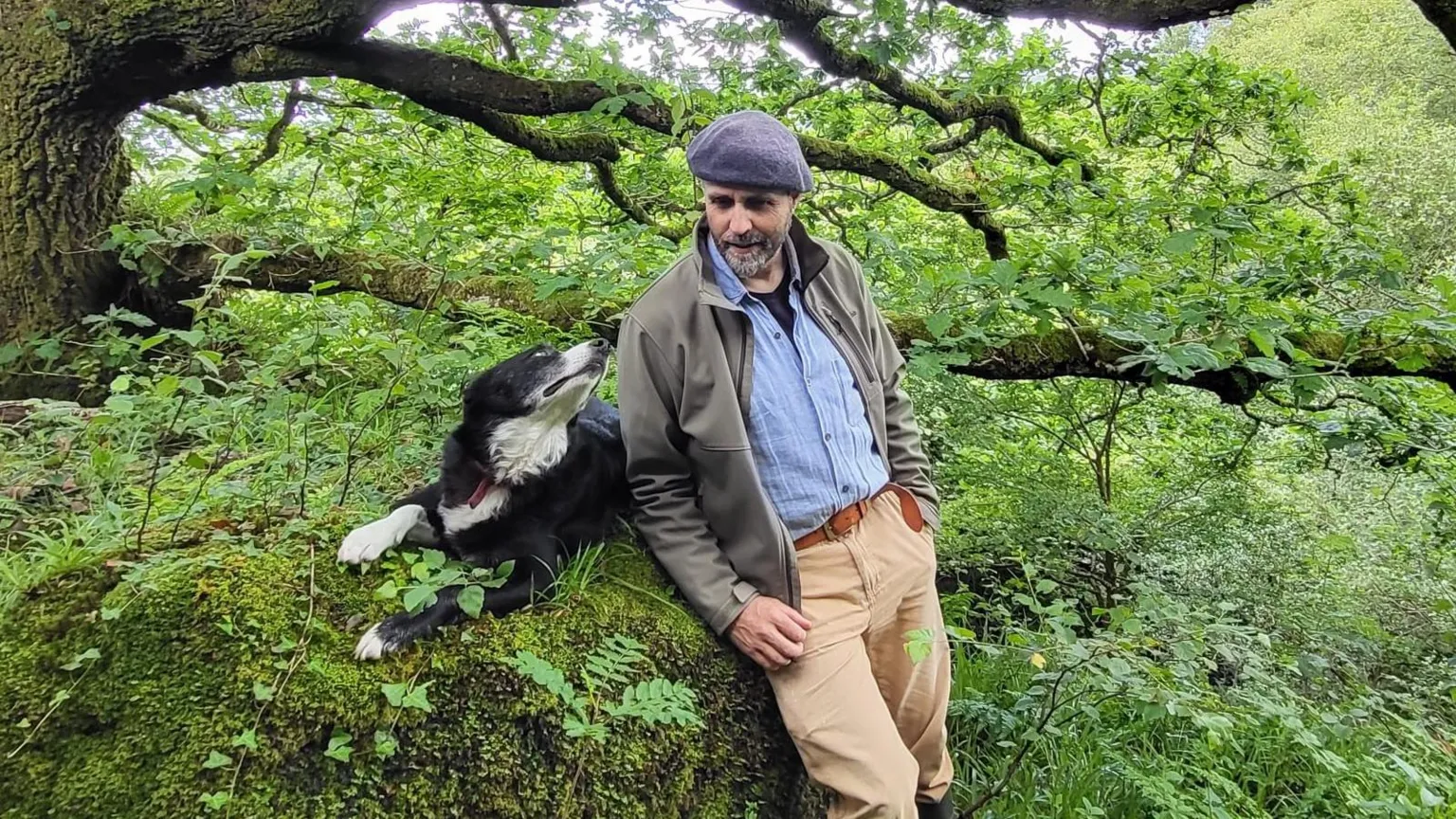
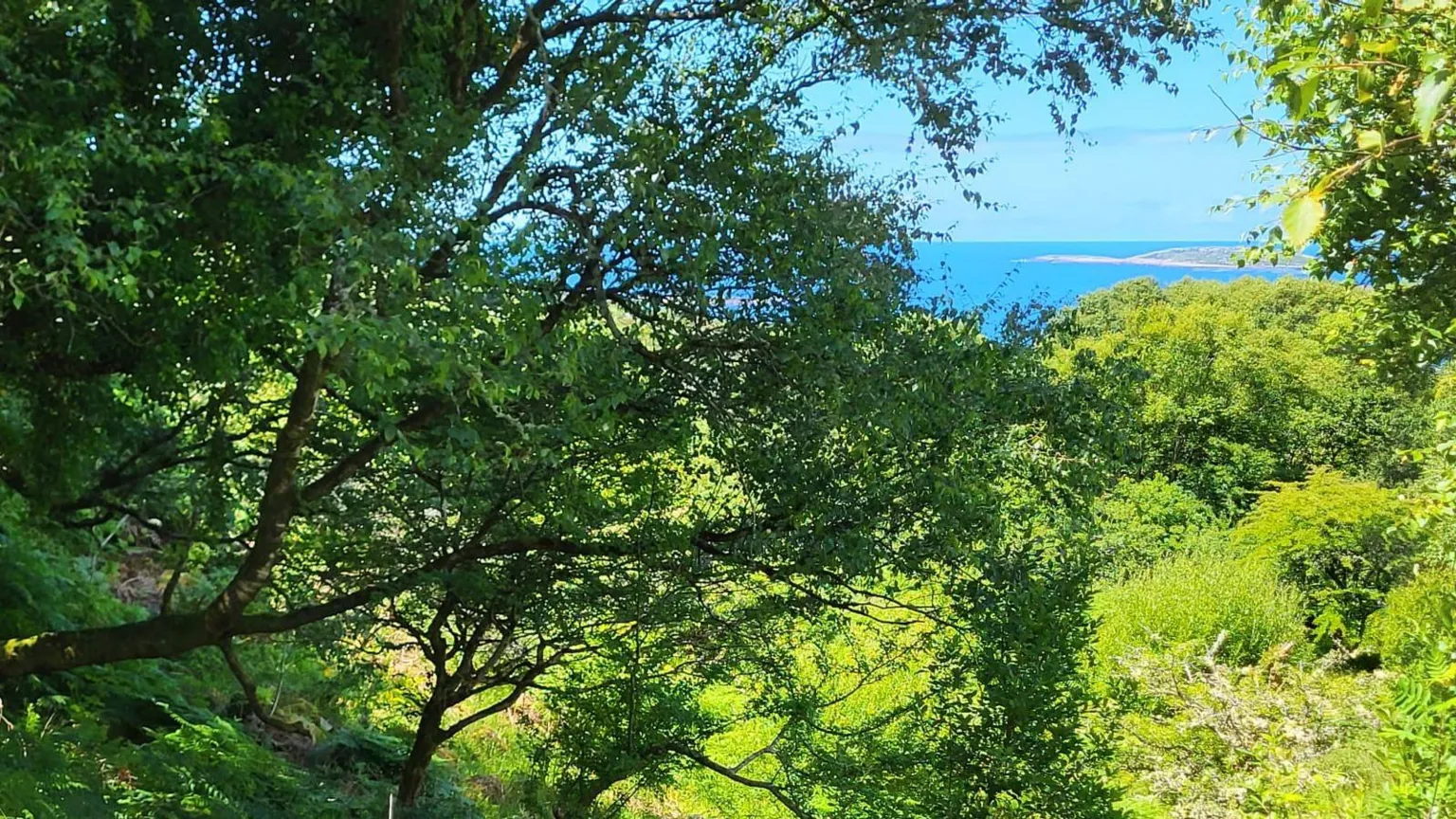
Eoghan Daltun has been privately rewilding his 73-acre farm on the Beara Peninsula in west Cork for the past 17 years, focusing on restoring temperate rainforests. His farm overlooks the Atlantic Ocean and the Skellig Islands.
Originally from Dublin, Daltun sold his house in 2009 to pursue a life closer to nature for himself and his two sons.
His restoration efforts began in response to severe ecological damage caused by feral goats, which consumed tree seedlings and prevented forest regeneration.
"I just wanted a life that was closer to nature for myself and my two sons,"he said.
The Importance of Temperate Rainforests for Survival
Daltun highlighted the essential role these rainforests play in human survival, whether recognized or not.
"Whether we realise it or not, we depend totally on natural ecosystems for our very survival. By removing them and repressing their return, we're threatening our own future survival,"he explained.
He considers the restoration of temperate rainforests his life's work and aims to demonstrate what once existed and what could be restored.
"I place this in a context of catastrophic global nature loss and ecosystem erasure, which I think is one of the worst things happening right now globally. The worst threat to the biosphere is global nature loss, but also to humanity."
Monitoring and Future Plans at Lenamore Wood
Mulholland outlined the monitoring strategies planned as the Lenamore Wood project progresses. These include fixed-point photography, allowing visitors to capture and upload images via QR codes to maintain an ongoing photographic record of changes.
Additional monitoring will involve bird and butterfly surveys, moth trapping, and the use of remote sensors to track bat activity at night.
She emphasized the project's significance in addressing climate change, noting that the trees capture carbon, mitigate flood risks, and support thriving ecosystems.
"The trees capture carbon, they help with flood risks and they allow our ecosystems to thrive."
Looking ahead, Mulholland expressed hope for more projects like this and indicated that Ulster Wildlife is actively seeking additional land for restoration.
A car park will be developed in due course, and the site will soon open to the public, offering opportunities to walk, connect with nature, and observe the trees' development over time.
Although the full restoration will take centuries, the site is intended to be enjoyed by generations to come.