A journey down one of the last wild rivers in the American west
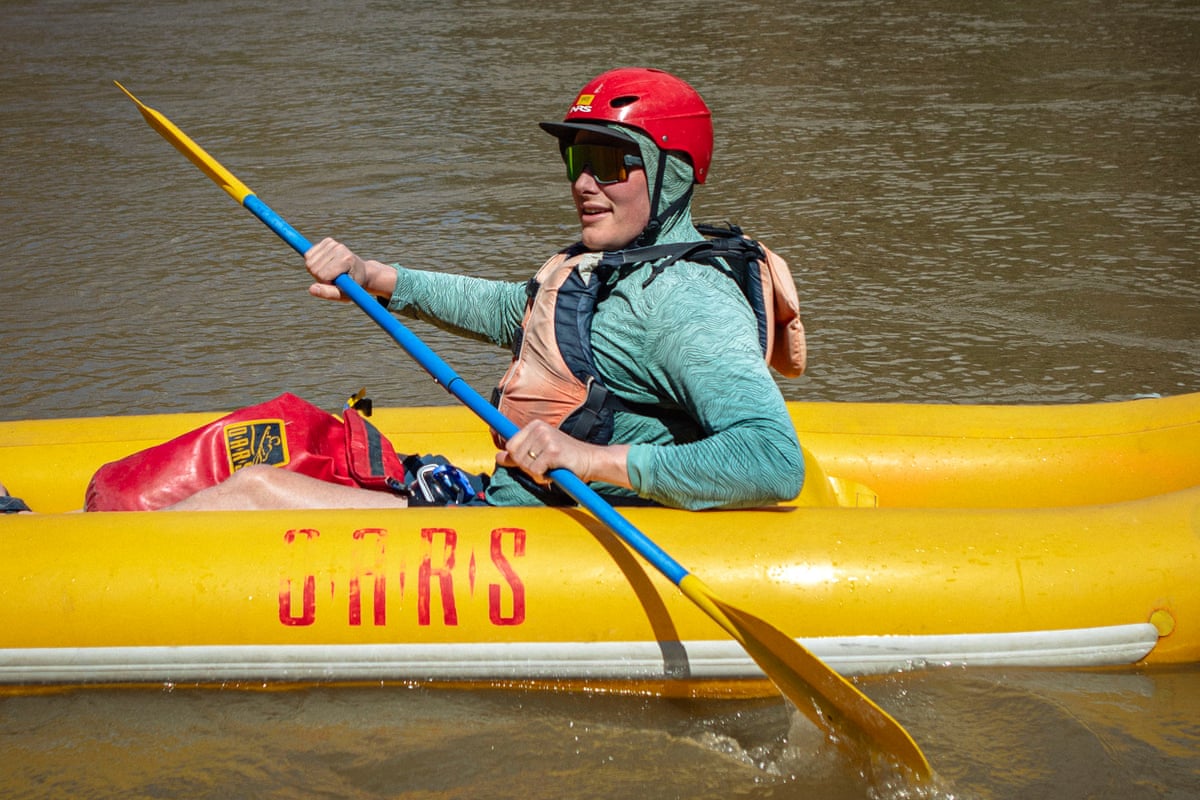
On an early morning in mid-May, a group of near strangers packed camping gear and clothes into waterproof bags, applied sunscreen, and boarded bright-yellow rafts to navigate one of the last free-flowing rivers in the American west.
Unhindered by large dams or diversions, the Yampa River meanders across 250 miles (400 km) of alpine tundras, cottonwood forests, and ancient red-rock canyons, originating in Colorado’s Rocky Mountains and joining the Green River in Utah, following a course largely unchanged for millions of years.
However, it was not only the Yampa’s historical significance or its stark beauty that attracted the group of about 30 people—including scientists, policymakers, tribal representatives, a rancher, a well-known actress, and a reporter—but also the high stakes posed by its uncertain future.
The Yampa is a vital tributary of the Colorado River, a vast and imperiled water system supplying more than 40 million people across seven states, numerous tribes, and parts of Mexico. The basin irrigates over 5.5 million acres (2.2 million hectares) of farmland, supports an estimated $1.4 trillion in economic activity, and provides critical habitat for over 150 threatened or endangered species.
The Colorado River is severely overdrawn, requiring significant reductions to restore the basin’s health. Negotiations have been fraught with disagreements on managing this essential waterway amid a warming and drying western climate. A devastating drought and a historically dry year have further strained the system, pushing it into uncharted territory.
While many rivers have been dammed, diverted, or depleted, the Yampa has largely remained wild and free. It is the last river in the basin to maintain its natural seasonal flow cycle, but this status is threatened as regional water demand continues to exceed supply.
The river has already faced pressures from the oil shale industry, expanding communities along Colorado’s Front Range, and farmers impacted by the basin-wide water shortage.
Climate change also affects the river, with flows declining over the past century. This past winter was the warmest on record for the region.
“The bullseye will always be on the Yampa’s back,” said Kent Vertrees, an advocate and guide with the non-profit Friends of the Yampa.
For over a decade, Vertrees and other guides have taken people who influence the Yampa’s future through its soaring rock formations, whitewater rapids, and remote areas, far from the pressures of negotiation tables.
Participants may witness herds of bighorn sheep navigating steep cliffs, beavers swimming through eddies, or moose entering the river’s shallows. They experience the absence of human noise, the geological history embedded in canyon walls, and rest on sandbars that provide essential habitat for endangered native fish.
During the five-day journey, visitors gain more than just physical impressions of the river; organizers hope they come to appreciate the Yampa as it is.
“It’s important that we can still have wild places,”said Vertrees.
“This river is a relic of the past – and we need to protect it.”
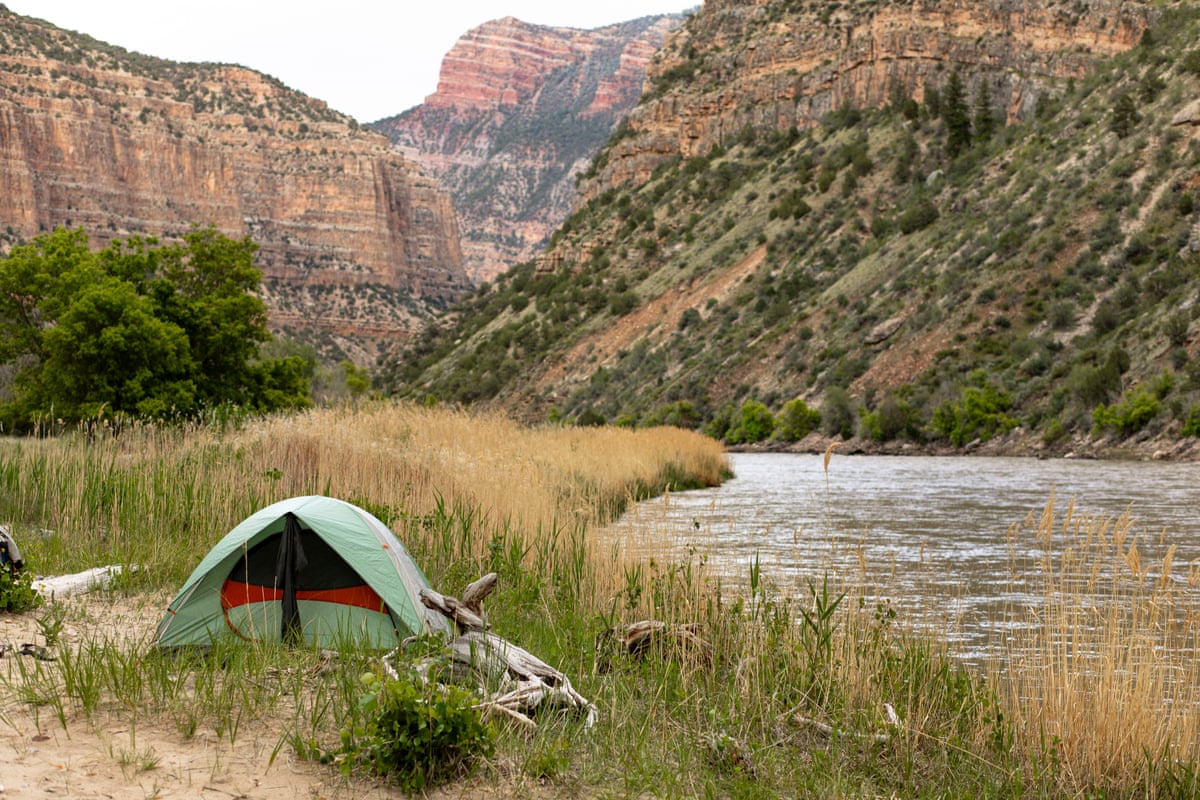
Rapids, wilderness and vibrant history
The unpredictable nature of high-country conditions was evident during the roughly 70-mile journey through the rugged wilderness of Dinosaur National Monument. Strong winds rattled tents during wet nights of camping, snow dusted canyon tops, and waterfalls surged with spring runoff.
The trip began under clear skies, but on the third day, thunder unleashed heavy rain as the group approached the river’s most challenging rapid. The downpour did not drown out the deep rumble of churning water echoing off canyon walls, signaling the formidable Warm Springs rapid ahead.
One by one, boaters paddled close to Tiger Wall, a revered stone slab marked by signature stripes of “desert varnish” — a residue formed over more than a millennium — jutting 2,000 feet into the fog. Tradition holds that touching the wall brings good luck and safe passage through the ever-changing Class IV rapid.
Moments like this helped transform the group into a cohesive crew, an essential part of the experience. Respect and understanding grew as participants huddled together in turbulent weather, learned to paddle in unison, and shared stories around campfires over a thermos of tequila.
“One of our board members used to say that the environment is the medicine and recreation is the spoon,”said Lindsey Marlow, executive director of Friends of the Yampa.
“Everyone comes to this environment to enjoy it, but then it starts to make them open their eyes to a larger world.”
While the adventure draws participants, advocates emphasize that the underlying goal is to highlight how the Yampa’s unallocated flows support the entire Colorado River basin.
From its headwaters to its confluence with the Green River, and onward to where those waters join the Colorado River, the Yampa represents one of the most intact remnants of the river system’s original state, according to Michael Fiebig, director of the Southwest River Protection Program for American Rivers and a trip guide.
“The Yampa truly is the ecological engine that keeps that reach going.”

Endangered Colorado pikeminnow, a native fish that can live over 40 years and grow more than 4 feet long, relies on the river’s rock-strewn sandbars for spawning. Natural spring floods clear vegetation and facilitate fish migration. The river’s waters also nourish nearby wetlands, vital nurseries for other endangered fish species such as the razorback sucker and bonytail.
“The dynamics of the free-flowing Yampa River sustain both native fish communities and the physical habitats upon which they depend,”said Dr. Robert Schelly, resource stewardship and science program leader at Dinosaur National Monument, who joined the trip. He added that the Yampa is a
“linchpin of Upper Colorado River Basin ecology.”
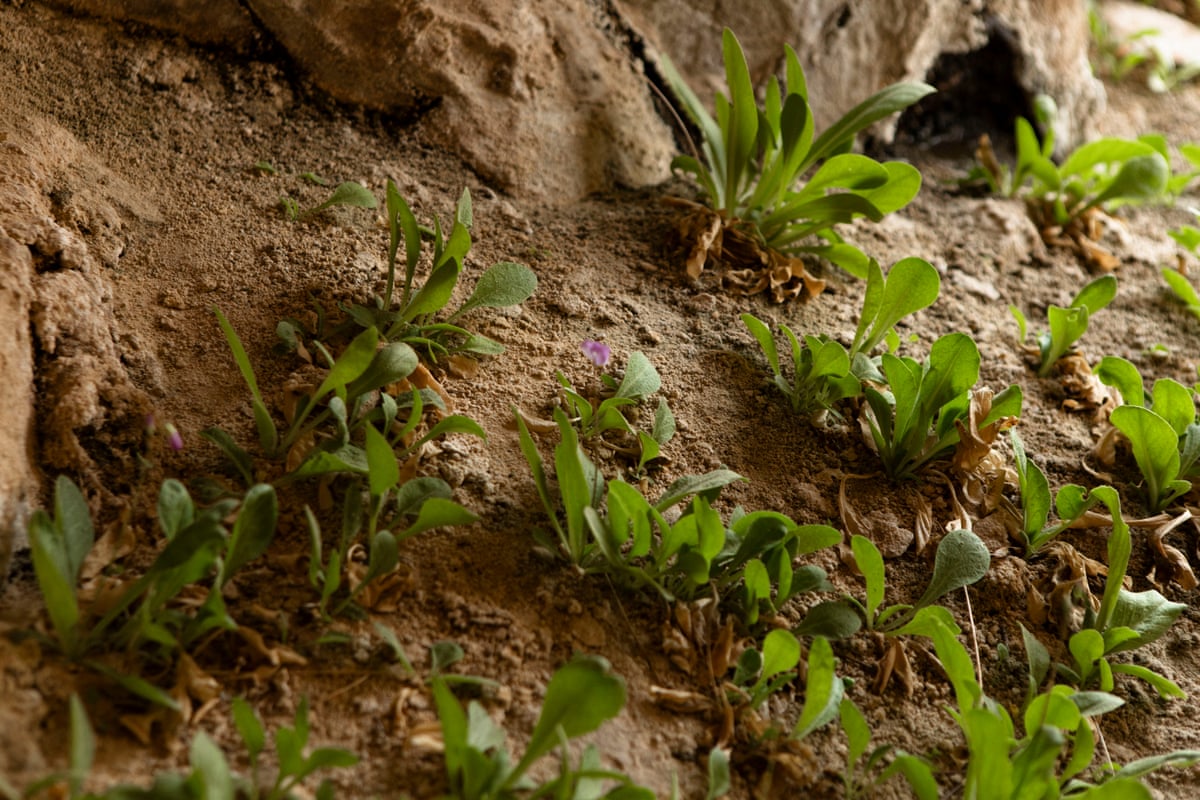
Stops along the route were designed to showcase the river’s vibrant ecology and history. Hikes into slot canyons and dark caves served as time machines, allowing participants to touch ancient fossilized creatures etched into sandstone and view petroglyphs left by Indigenous peoples who lived along the river centuries ago.
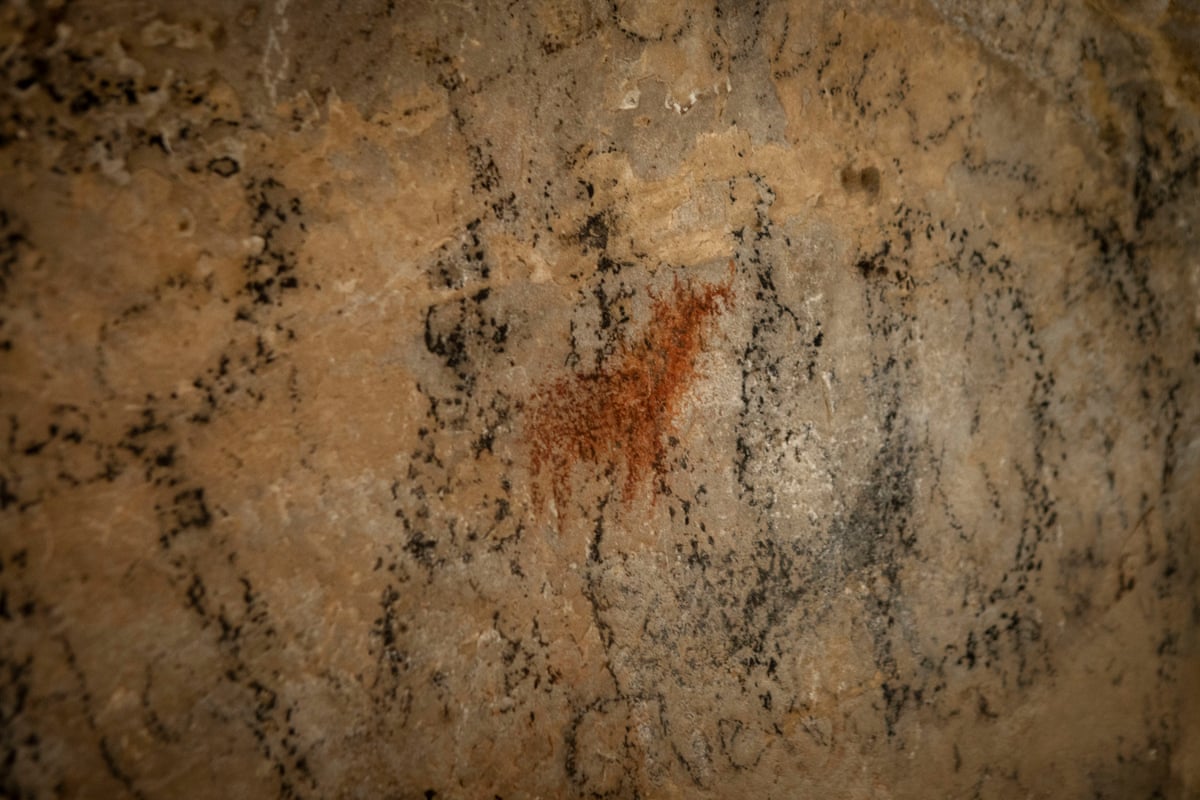
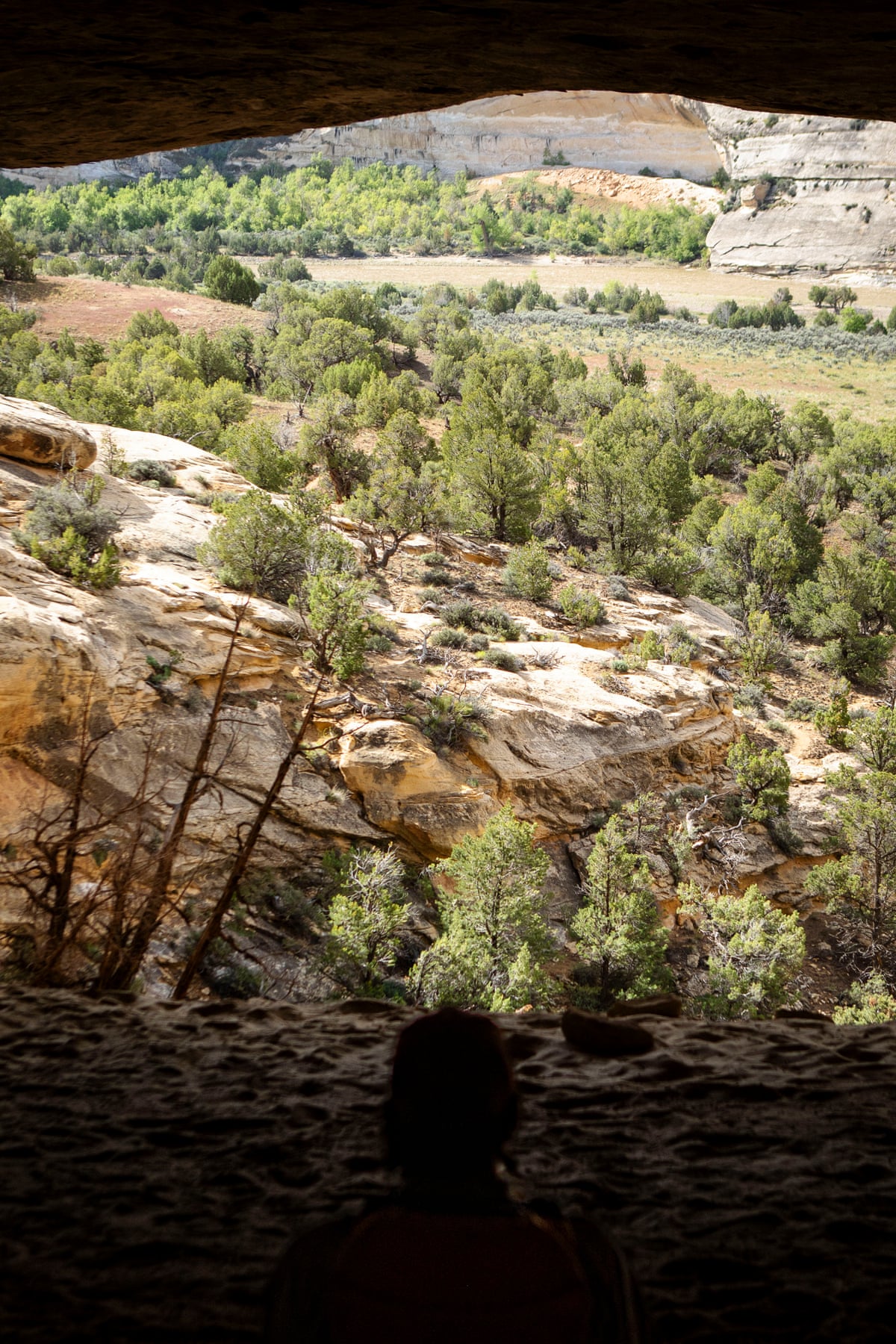
The terrain itself holds deep history. Cryptobiotic soil, a living black crust that retains moisture in arid landscapes, formed billions of years ago.
More recent artifacts tell stories not of what once was, but what was prevented. A silvery wooden ladder, leaning against the brick-red Uinta rock, was left by surveyors in the 1950s scouting the site for a proposed dam. Had the dam been constructed, the entire journey’s landscape would have been submerged beneath a reservoir like Lake Powell or Lake Mead, erasing ecosystems and history.
During a lunch stop, Fiebig recounted how early conservationist efforts saved the Yampa and laid groundwork for environmental advocacy.
“It was the first big win,”Fiebig said, noting the Yampa’s role as the birthplace of the conservation movement.
“They were the first to show that there can be a constituency for the natural world.”
This legacy inspired the trip’s organizers.
“People protect what they love and they love what they know,”Fiebig said.
“That’s what we are doing here.”
‘It’s all interconnected’
On the fourth day, the group reached the Yampa River’s end. Tradition calls for floating in reflective silence during the final stretch.
As the Yampa’s chalky, sediment-rich waters merged with the Green River’s green flows, raindrops softened into swirling snowflakes, dusting canyon tops with white.
“I can’t describe it – the immense emotion that you feel,”said Crystal Tulley-Cordova, principal hydrologist for the Navajo Nation Department of Water Resources, recalling the confluence’s impact. She described it as both an ending and a beginning, underscoring the trip’s purpose.
“All of these people who are from so many different backgrounds, still have this connection to a tributary to the Colorado River,”Tulley-Cordova said.
“To the fish, the wildlife, the fowls of the sky and the plants – it’s all interconnected.”
Sunshine broke through the clouds as the group reached camp, signaling the storm’s end. However, they would soon return to the challenges and negotiation tables left behind five days earlier.
Before the final run on day five, guides led the boats onto an embankment for a last shared moment. On their first night, gathered in a circle as the sun set behind canyon walls, Vertrees had asked each person to share their story and what brought them to the river.
Now, sitting on the sand at the journey’s end, the question was what they would take home.
“To understand that we all value that same resource, that same water, and that we have that special connection to it – I think that really is key,”said Joelynn Ashley, chair of the Navajo Nation Water Rights Commission, in the weeks after the trip. She had set photos of the confluence as her phone’s screensaver.
For Amy Moyer, chief of strategy for the Colorado River District, which manages water rights in the state, the trip was a reminder of the basin’s vastness and the impact of decisions made there.
“It really hits home why our short time here is well served to make sure that this river can stay alive and serve future generations.”
Nate Pearson, assistant director for water policy at Colorado’s Department of Natural Resources, agreed. The trip helped him appreciate the natural environment’s value.
“The integrity of our watersheds is directly correlated to the health of our communities, even if they’re hundreds or thousands of miles away,”he said.
Another successful trip had concluded, but significant challenges remain. Vertrees expressed hope despite difficulties.
“With how the weather beat us down for 36 hours and how we all came together to cherish the moment and overcome the difficulties, it’s kind of a metaphor for what’s happening in the Colorado River basin this year,”he said.
“Sharing in the beauty of the Yampa canyon and all of its wonderful attributes and stories and lessons is a great reminder that we can overcome whatever we put our minds to.”