

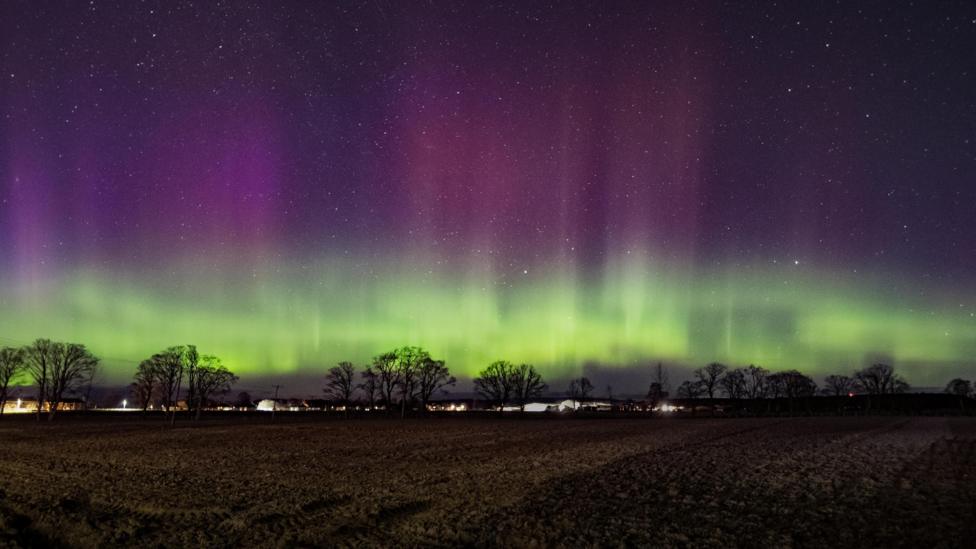
The Northern Lights seen on Monday night in Aberdeenshire
The Northern Lights were visible again in the UK on Monday night following a recent increase in solar activity. Since Friday night, spectacular aurora displays have been observed as far south as southern England.
Eruptions from the Sun's surface, which send energy towards Earth, are now beginning to decline. This decrease suggests fewer opportunities for aurora borealis sightings in the immediate future.
However, the Met Office Space Weather Prediction Centre indicates there is a low probability of a "glancing blow" of solar energy on Tuesday night, which could result in the aurora reappearing in northern Scotland.
What does each colour tell us?
When charged particles emitted by the Sun are directed by Earth's magnetic field towards the polar regions, they collide with gases high in the atmosphere. These collisions release energy in the form of light, producing the Northern Lights.
The colour of the aurora depends on two factors: the type of gas involved and the altitude at which the collision occurs. Each colour reveals distinct atmospheric interactions, making the night sky a natural laboratory for understanding our atmosphere.
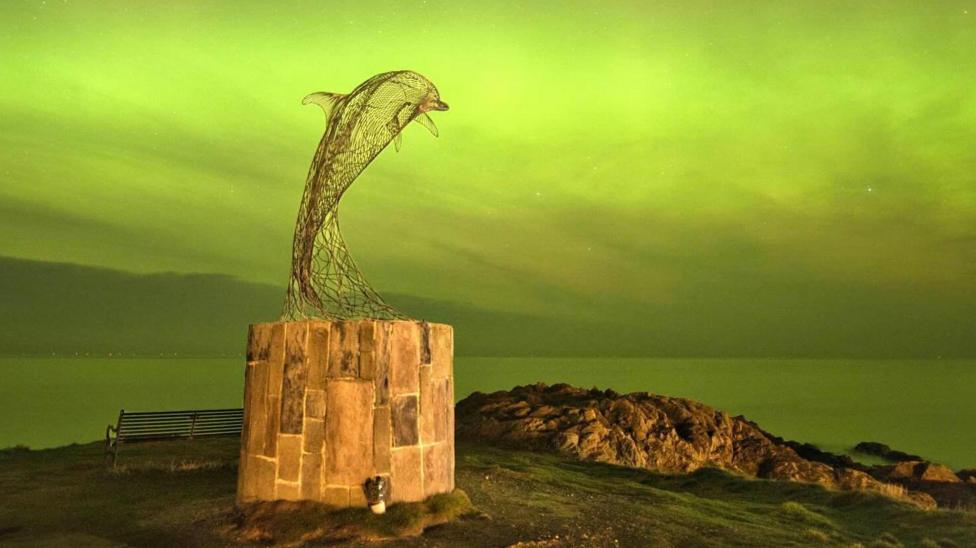
The most commonly observed colour is green, which results from collisions with oxygen at altitudes between 60 and 120 miles (100 and 190 km) above Earth.

Red auroras tend to occur during particularly intense geomagnetic storms when the solar wind is strong enough to push particles to higher altitudes. These red hues appear above 150 miles (240 km) where solar particles collide with oxygen at greater heights.
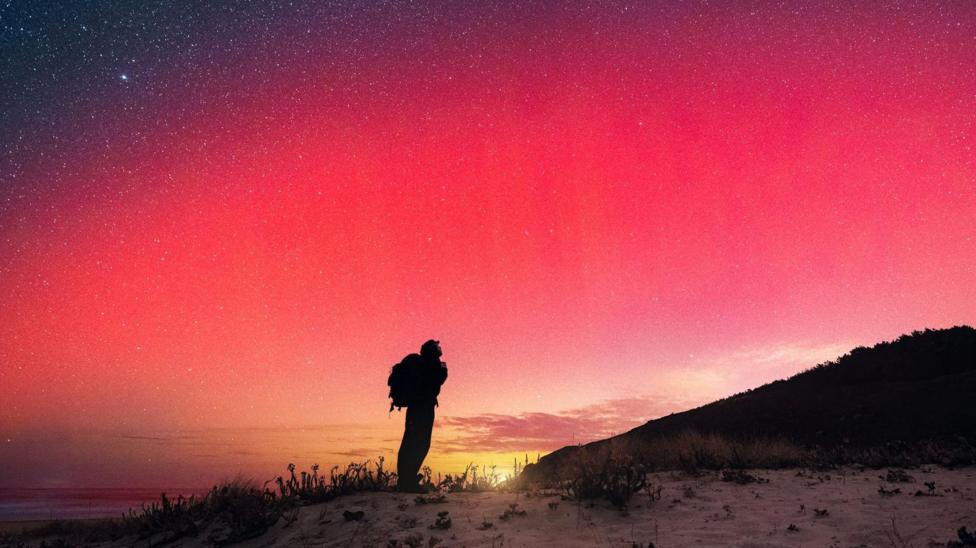
Red auroras are rarer and more difficult to observe than green ones but are especially striking when visible.
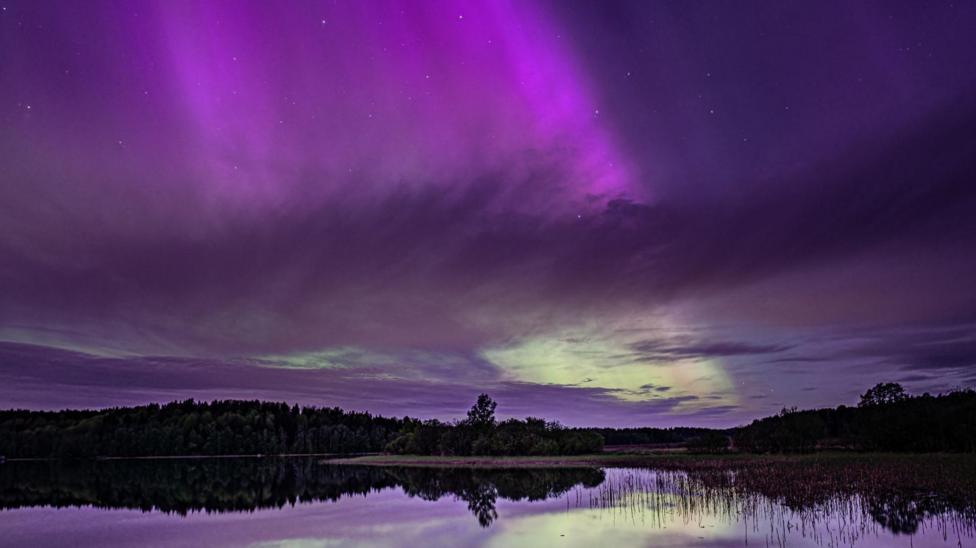
Purple aurora colours are associated with fast, active aurora nights. They occur between 60 and 100 miles (100 and 160 km) altitude when solar energy interacts with nitrogen rather than oxygen.
Blue Northern Lights appear below 60 miles (100 km), making them the lowest altitude aurora colour. This rare phenomenon is caused by solar energy colliding with nitrogen.
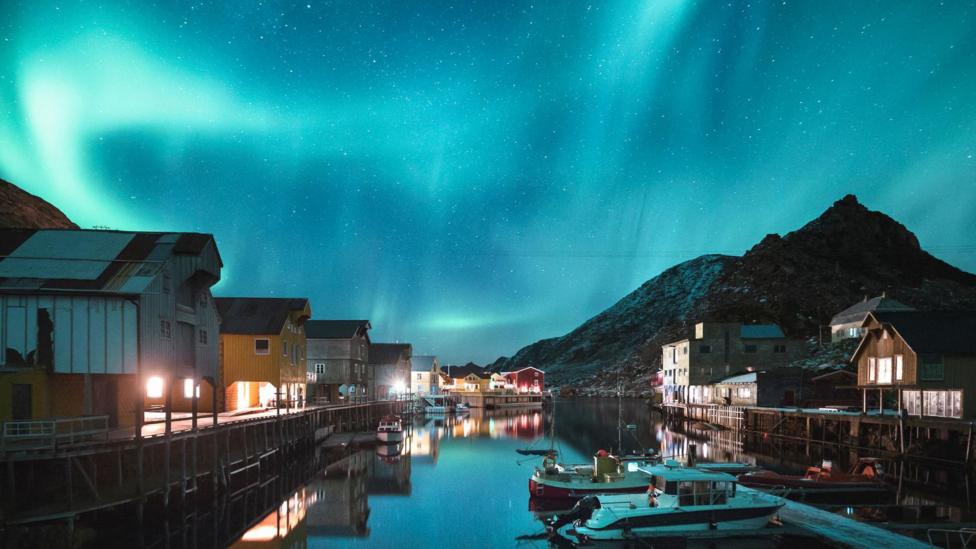
Observing blue auroras is an exceptional experience due to their rarity.
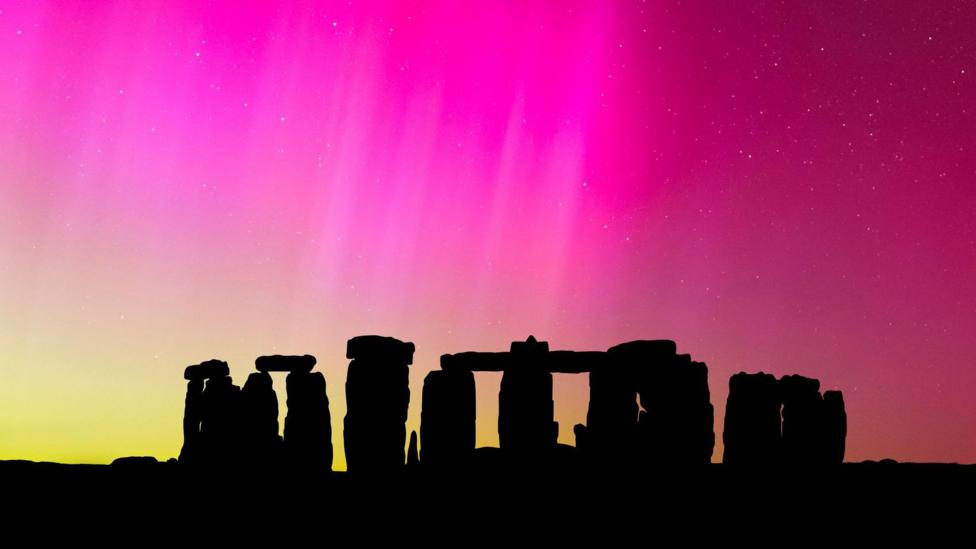
Occasionally, the Northern Lights display pink and yellow hues, such as those seen over Stonehenge, adding further variety to the aurora palette.
Each aurora display is unique, shaped by the interplay of solar activity, Earth's magnetic field, and atmospheric gases. The colours provide insight into these dynamic processes, turning the night sky into a vivid scientific spectacle.


