

Mining Threatens Palawan’s Biodiversity Amid Energy Transition
In the global effort to meet the demands of the energy transition, biodiversity-rich areas such as Palawan in the Philippines are increasingly targeted for mining critical minerals.
Moharen Tahil Tambiling carefully descends from a fishing boat into the water, navigating the reef surrounding the bay at low tide in Brooke’s Point on Palawan, a long, rugged island in the southwest of the Philippine archipelago. The coral lies just beneath the surface, scraping the wooden hull of the boat.
Underfoot are brain-like coral mounds and curling coral fingers. Leaning over the boat’s side, the men identify various coral types—some once vibrant orange, others delicate pink. Now, nearly all are dull khaki, coated with a thick layer of silt. Another man jumps into the water, stirring sediment that rises like thick smoke over the reef.
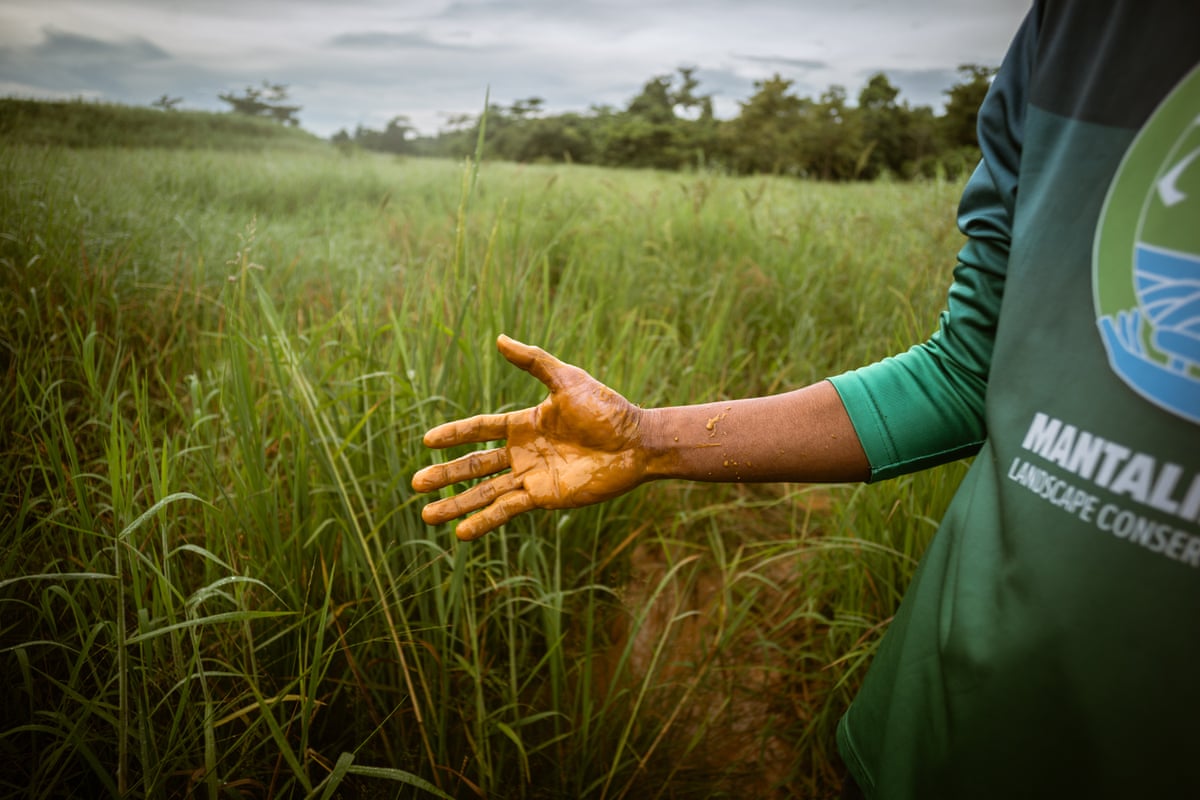
Tambiling, a farmer and Indigenous leader from a nearby village, plunges his hands into the water and lifts a thick, viscous clump of grey and orange material.
“Laterite,”
he says, his expression grim against the drizzle.
Wading to the sandy shore beside the reef, he uses a flip-flop to scrape the surface. Beneath a thin grey crust, the scuff reveals bright orange soil.
“See? Laterite,”
he repeats, shaking his head.
This is nickel laterite: a red ore formed near the Earth’s surface through intense humidity and tropical weathering of rock. Such deposits are often located in biodiversity hotspots with rich, intact rainforests.
Laterite deposits provide about half of the world’s nickel supply, a mineral in high demand for manufacturing batteries, particularly for electric vehicles and clean energy infrastructure.
Palawan: A Vital Ecological Frontier Under Threat
The demand for nickel has attracted international mining companies to Palawan. Despite the Philippines’ many tropical rainforests and coral reefs, Palawan is considered unique. It may contain nearly half of the country’s remaining untouched old-growth forest, 30% of its mangroves, and up to 40% of its coral reefs.
Locally known as “the last ecological frontier,” Palawan is a wilderness reservoir where diverse wildlife and rich biodiversity have been protected from human expansion, deforestation, and extraction. Minibuses in Puerto Princesa, the island’s largest city, bear the slogan “The Last Frontier.”
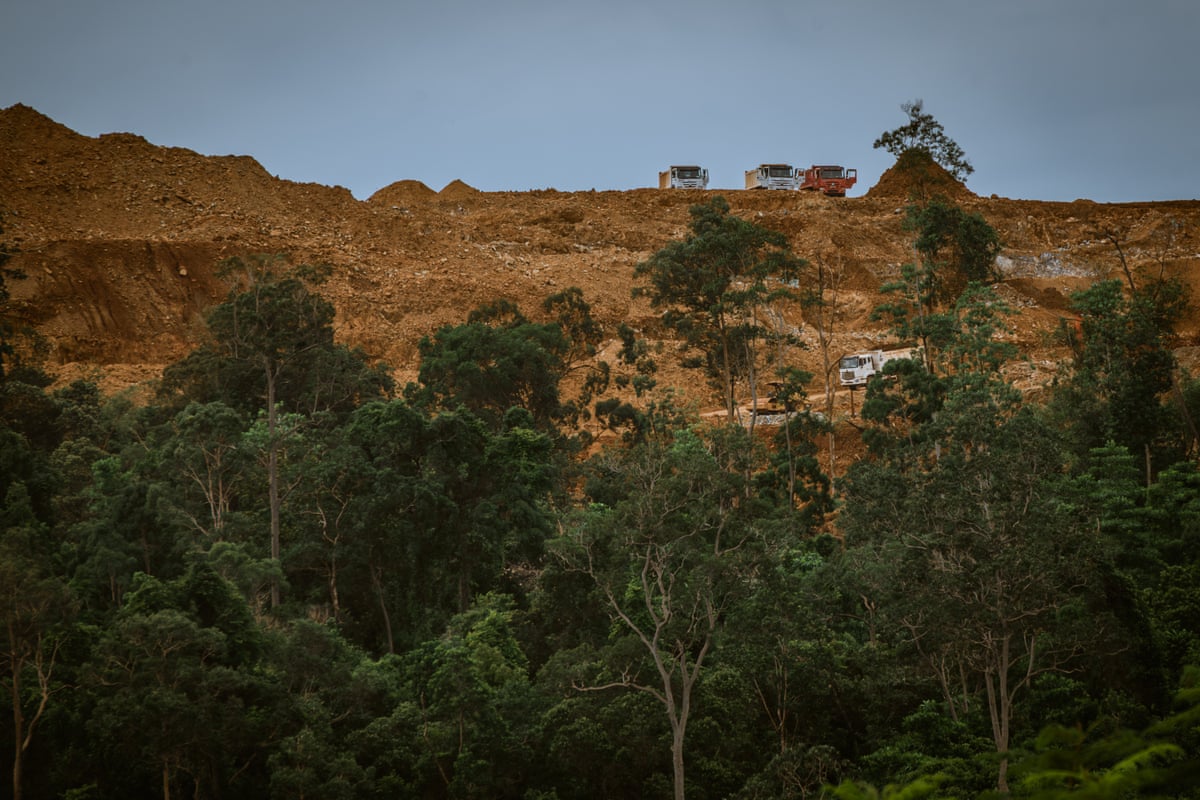
In 2015, Global Ferronickel Holdings acquired Ipilan Nickel Corp, securing a large deposit on Mt Mantalingahan, one of Palawan’s highest peaks near Brooke’s Point. This mine is among 11 active projects on the island exempted from a 2025 mining moratorium. From above, the Ipilan mine appears as a large, deep red scar on the mountain.
Local communities report that contamination has spread beyond the open pit, affecting surrounding ecosystems. Red globules of laterite silt can now be found in rice fields, slow-moving river bends, and reefs once teeming with fish and crustaceans.
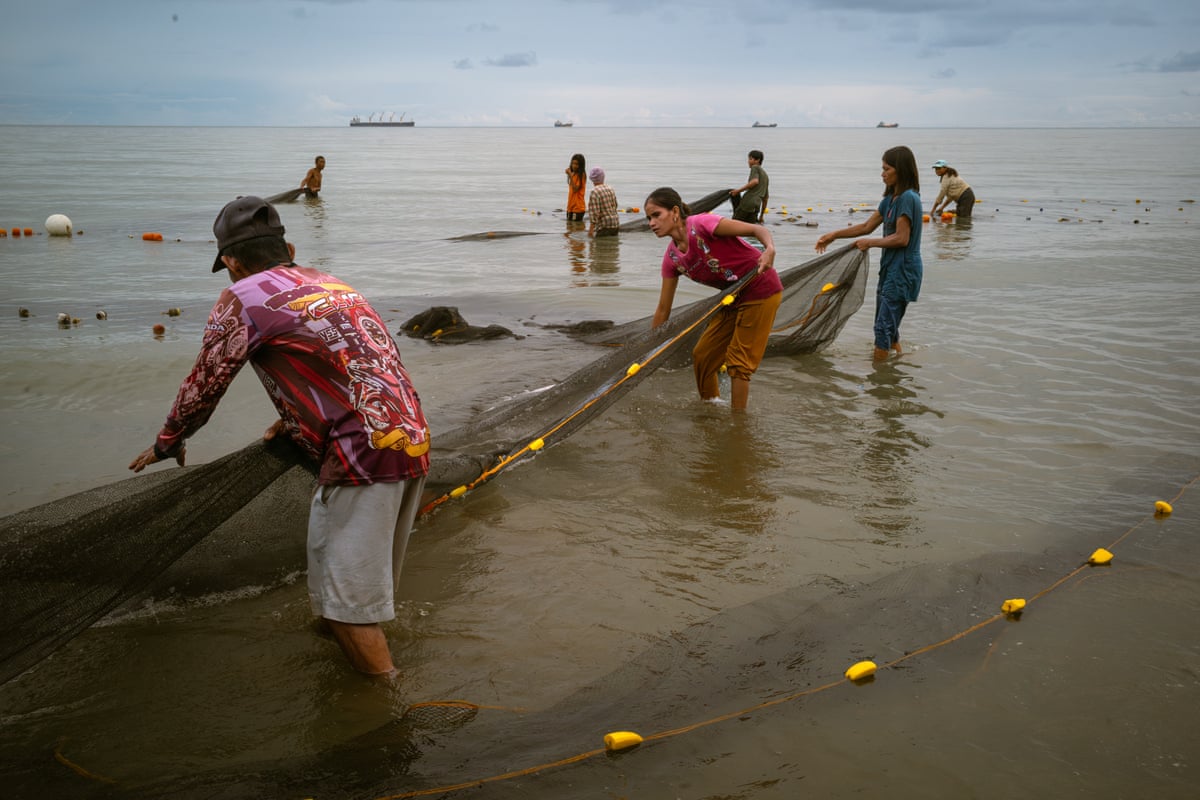
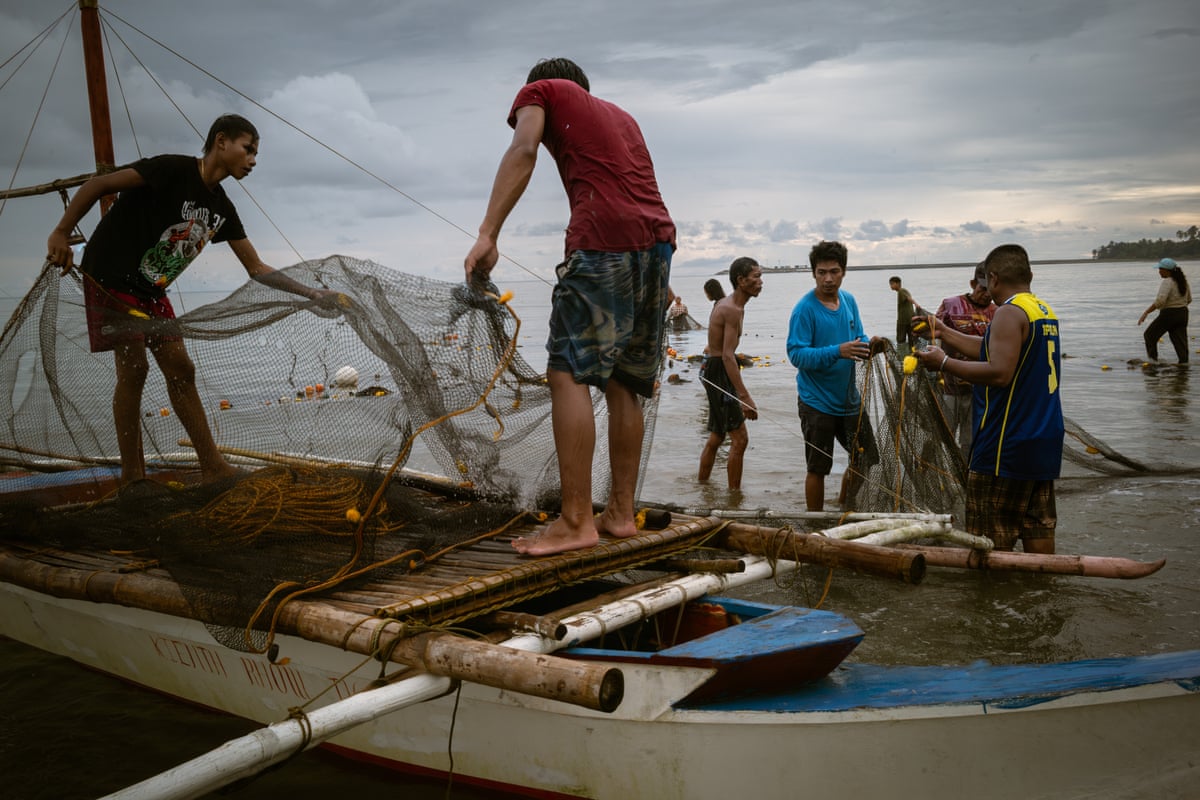
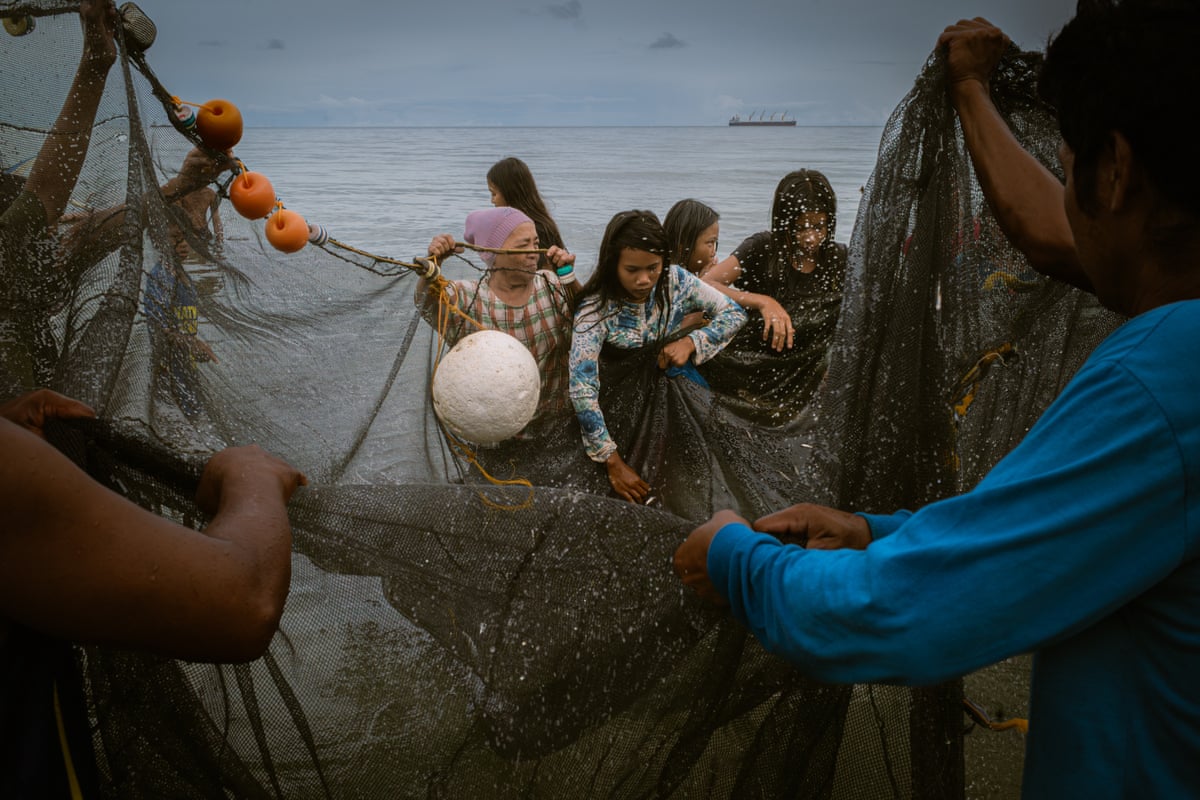
Roddy Masap, 58, a lifelong fisherman, notes a decline in fish populations since the mine expanded and shipped 50,000 tonnes of nickel ore to China about four years ago.
“There used to be fish near the shore, but now we can’t get fish here – we have to go out deep into the sea,”
he says. Previously, a good day’s catch could yield 40kg (88lb) of fish; now, it often totals only 7kg. Crayfish traps, once productive, now come up coated in silt, with nesting holes clogged by laterite mud.
Energy Transition Drives Mineral Demand, Threatening Biodiversity
Addressing the climate crisis requires alternatives to fossil fuels, but clean energy technologies demand minerals such as copper, rare earth elements, lithium, and nickel.
Models suggest that limiting global warming to 1.5°C above preindustrial levels will require a 500% increase in mineral extraction by 2030, with a market value of approximately $1.7 trillion (£600bn) by 2040. Many new mines are located in areas with significant biodiversity and intact habitats.
Olivia Lazard, a Carnegie fellow studying Earth’s sustainability limits, explains:
“We are seeing for the first time, in real time, where the geographies of extraction may take place. Essentially, they’re pushing against the last natural frontiers of the world.”
Extraction is rapidly encroaching on previously isolated regions, such as Palawan, the Congo basin, Indonesia, and the Amazon. A recent study identified over 3,267 mining operations within key biodiversity areas, representing nearly 5% of the global mining footprint. Some mines are in remote locations like the tepui mountains of Venezuela, isolated ecosystems where unique species evolved over millennia.
Environmental and Community Impacts of Mining in Palawan
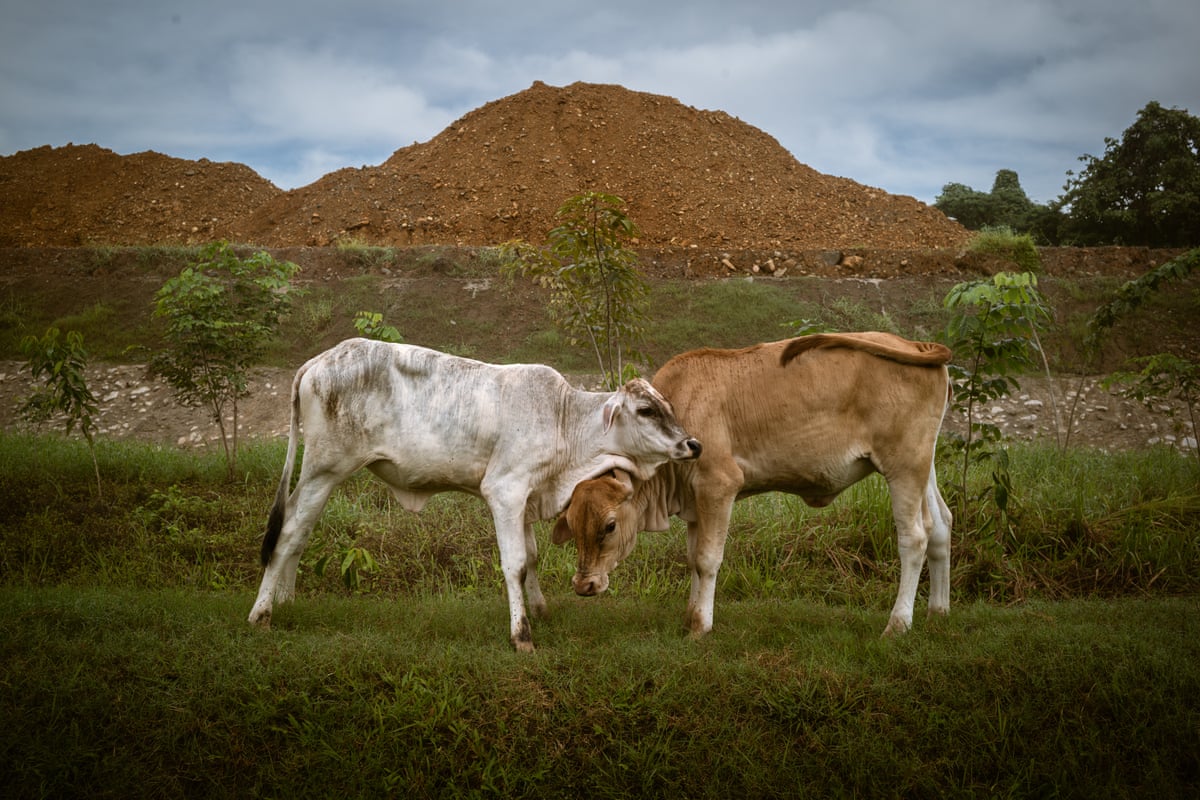
Near Tambiling’s rice fields, a large mountain of red dirt is a stockpile of mined nickel. An orange-stained road carries trucks continuously from the stockpiles to ships in the bay.
The ore pile is surrounded by a pond intended to capture runoff, but locals report that heavy rains cause orange liquid to spill into the paddies.
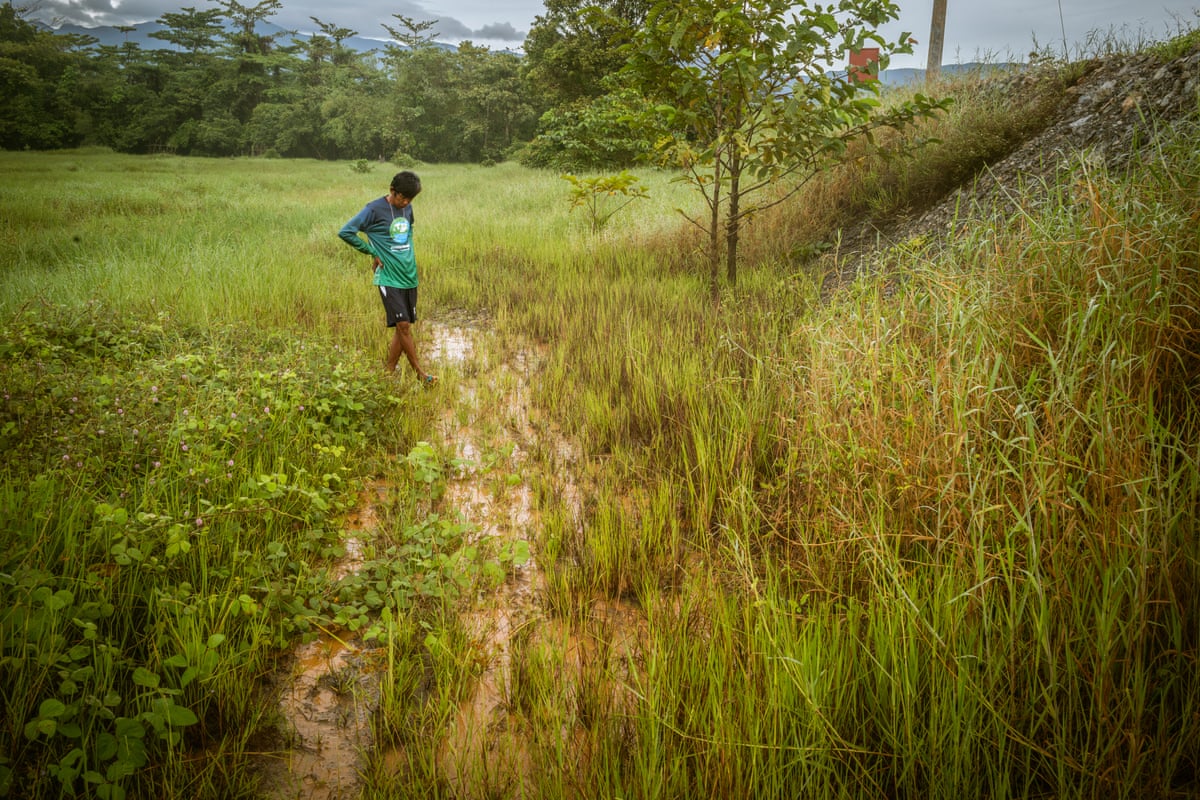
Tambiling wades through the paddies, disturbing a snake. He dips his hand into the water, which is stained orange with laterite.
“Rice doesn’t grow properly here any more. The plants die.”
He notes that his family’s rice yields have steadily declined since mining began. Tambiling and his family also experience painful, itchy rashes after contact with the silt, and his nieces and nephews have developed chronic coughs since the stockpile was established.
The mining company maintains that nickel extraction does not affect health.
“Laterite is not considered toxic and is not the cause of losses for farmers or fishermen, nor does it have any negative effects on human health,”
the company stated.

While undisturbed nickel laterite is not considered toxic, processing or disturbance can release nickel and chromium. International studies have found elevated nickel levels in blood, urine, hair, and breast milk near mining sites. Long-term exposure has been linked to skin conditions, respiratory and cardiovascular diseases, asthma, lung fibrosis, cancer, and neurological disorders including Parkinson’s and Alzheimer’s diseases.
Tambiling recalls the company’s assurances:
“They said that mining will have no effect on the rice fields, that there’s no effect or damage to the health of the people, that the environment will not be damaged.”
He adds that wildlife has become rarer, with some native species no longer seen.
Indigenous Perspectives and Forest Significance
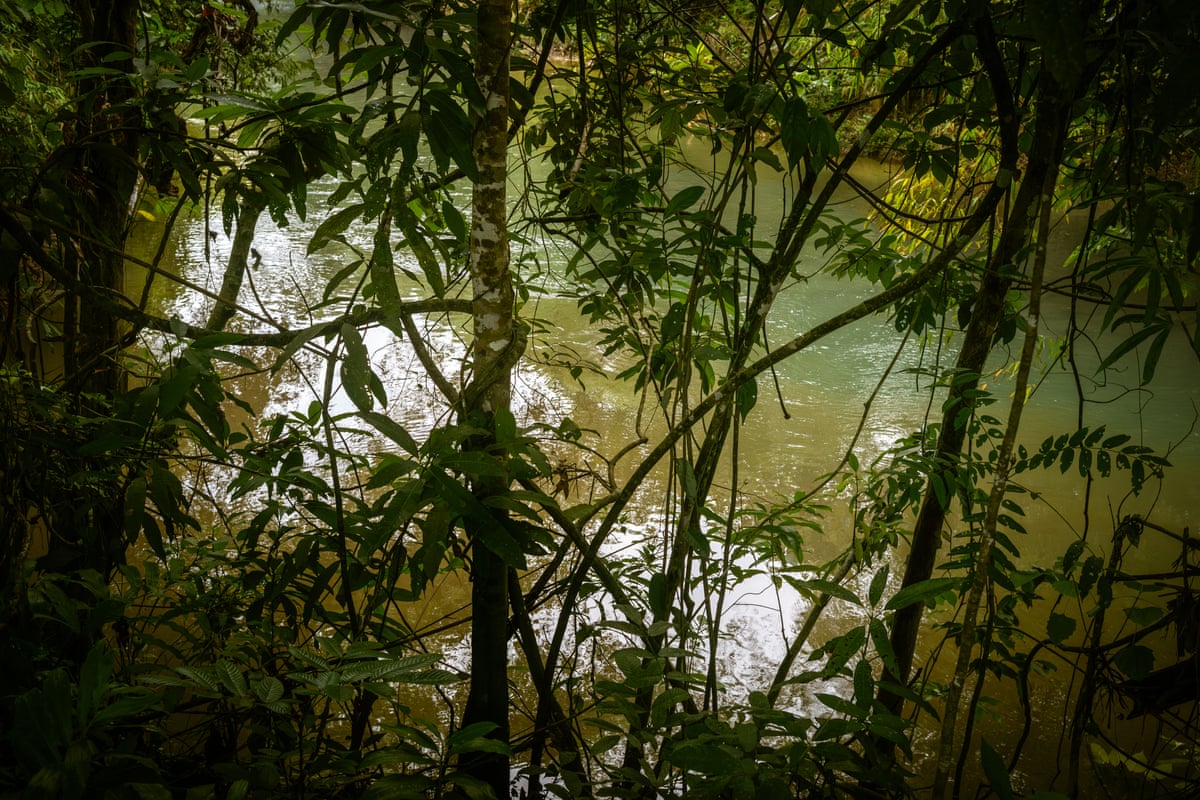
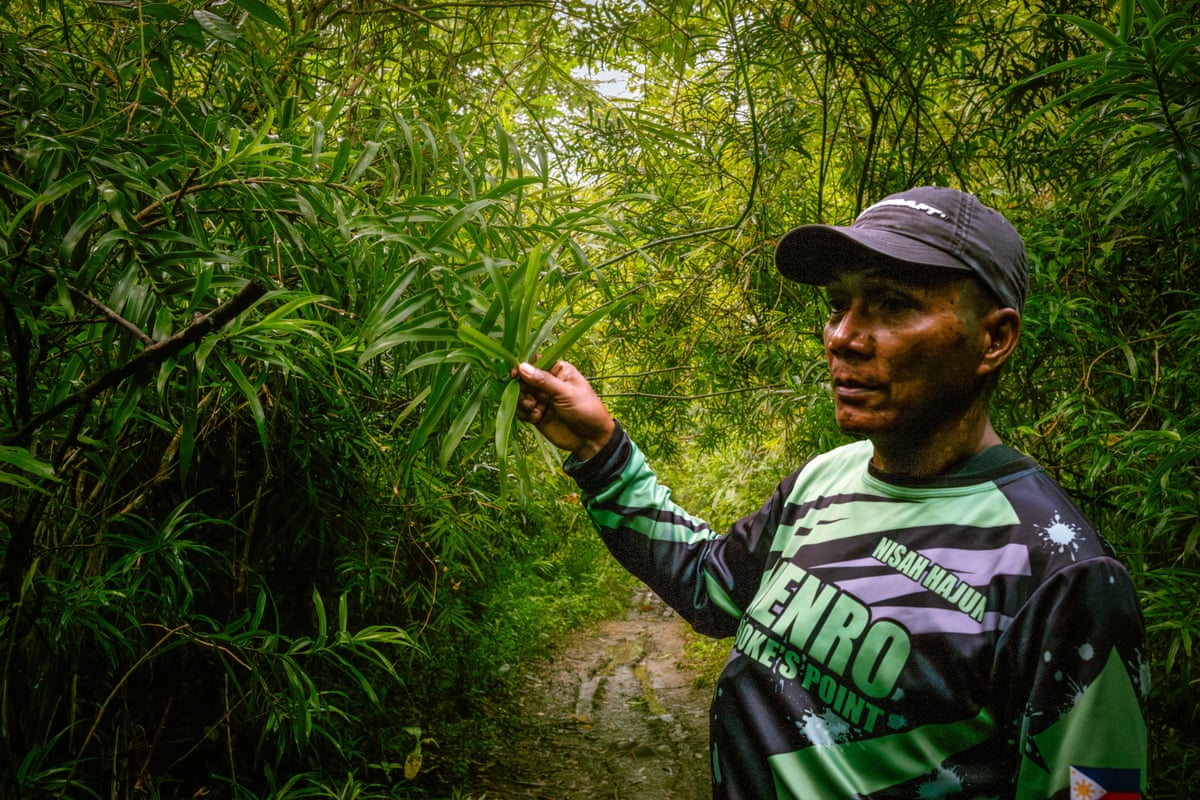
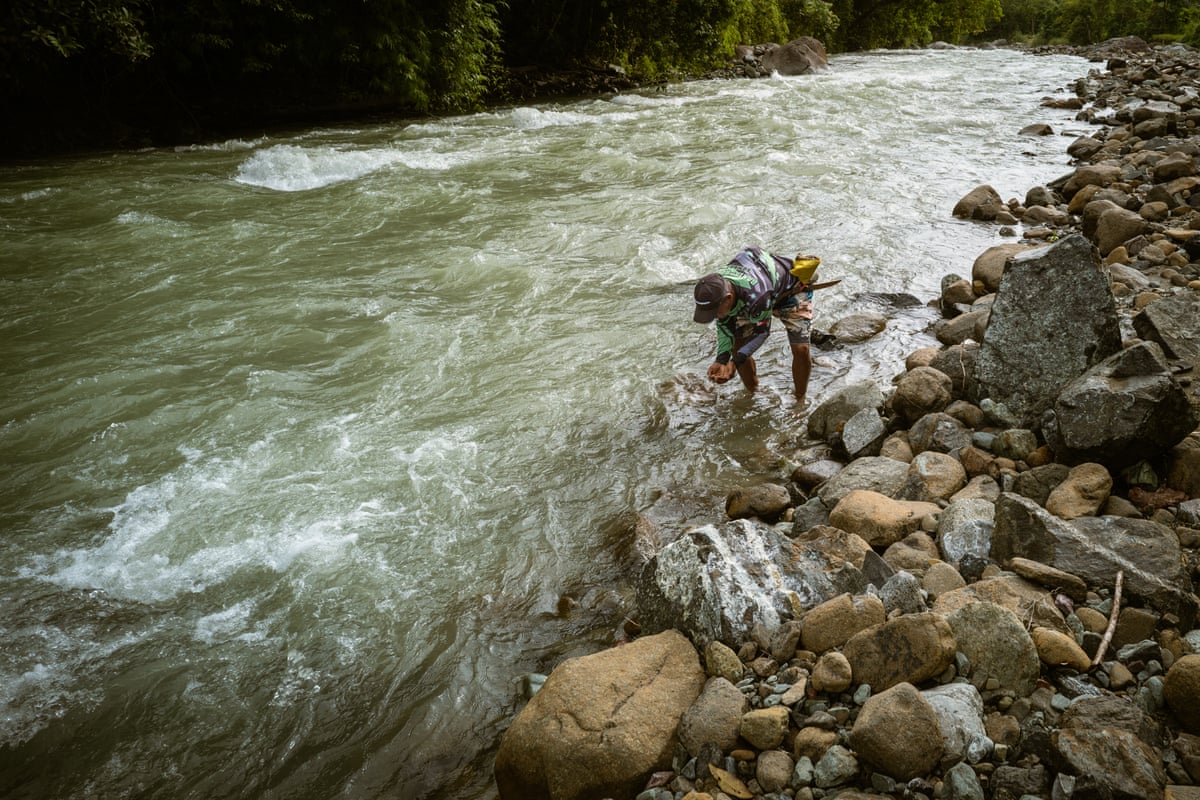
Following the river upstream toward the mountain, the forest thickens and the water turns blue-white, rushing down the slope. Tambiling is accompanied by Nelson Sombra, an Indigenous leader who has documented the mine’s effects for years. Sombra points out plants used for medicine and food.
At one point, Sombra cuts a thick bamboo-like stalk and lets its sap drip into Tambiling’s eyes.
“Eyedropper. The forest is our supermarket and pharmacy.”
He notes that biodiversity remains intact in the area, with sightings of wild boar, hornbills, talking mynahs, Palawan bearcats, and pangolins.
“The mining company can give us all the money in the world,”
Sombra says,
“but once the mountain is gone, they cannot buy it back.”
In a written statement, the mining company asserts:
“No evidence or direct link exists between our nickel stockpiles and any adverse impacts on the crops, rivers or marine environments of the area.”
They attribute environmental changes to climate-related events and natural soil erosion in flood-prone laterite soil. The company states it employs strict drainage systems to protect water quality and that government sampling in rice fields has not detected laterite contamination.
Mining Footprint and Broader Environmental Consequences
The mining sector often argues its footprint is small—about 0.5% of global land use—especially compared to agriculture, which destroys more wilderness. However, mining impacts often extend beyond the immediate site.
Nickel laterite mining requires clearing forest and removing topsoil, along with its microbial networks and seeds. Locals report that deforestation reduces water retention on the mountain, causing sediment to contaminate rivers and seabeds and contributing to flooding.
In 2024, the Philippines’ local coastal and fisheries department commissioned divers to inspect the seabed at Brooke’s Point. An internal report reviewed by found dead coral predominates the sea floor near the mine’s dock, with all soft coral absent.
The mining company counters that its sea sampling shows diverse fish populations and denies damage to the marine ecosystem.
Mines often open access to isolated forests, enabling logging, hunting, and farming. Sombra warns:
“I have seen what happens in other parts of the island when logging and mining is allowed in. Suddenly, you look at the mountain and everything has been cut down.”
Legal Challenges and Indigenous Resistance
Protecting Palawan is critical, says Grizelda Mayo-Anda, an island-based lawyer who founded the Environmental Legal Assistance Center, representing Indigenous groups in litigation against the mine.
“There are about 17 mega-diverse countries that support around 70% of the world’s biodiversity,”
she explains,
“In that context, Palawan plays a very significant and, of course, critical role as an ecological frontier, [not only] to maintain our mega-diversity standing, but to maintain the world’s biodiversity.”
Some scientists question whether such ecologically significant areas should be off-limits to mining to preserve planetary health, including carbon storage, species diversity, and water distribution.
“Are there certain places that are small, yet ecologically significant enough to have knock-on effects at a planetary level?”
Lazard asks.
“Can we afford to make up for those losses?”
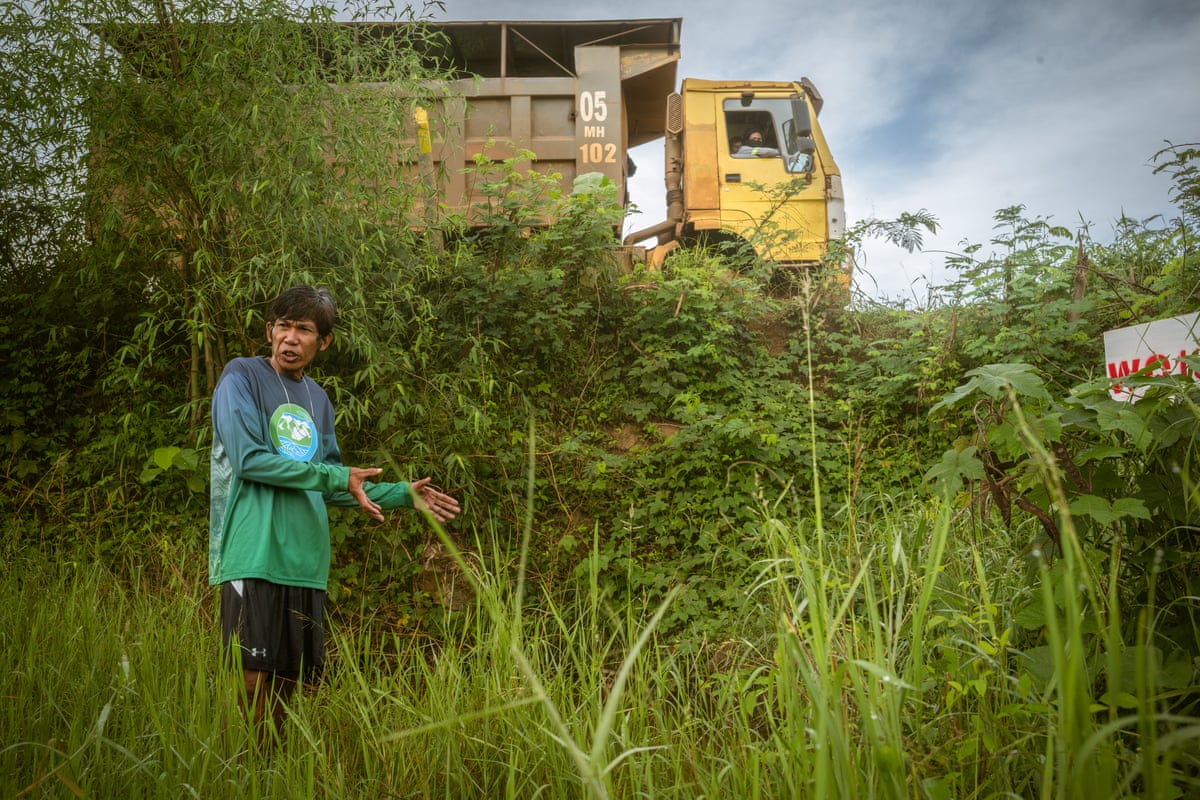
Since Ipilan’s operations began, communities have protested environmental impacts. In 2018, the local mayor revoked the mine’s license, citing old-growth forest destruction.
The Philippines’ Commission on Human Rights issued a writ expressing concern that the mine could cause “serious and irreversible harm” to the environment and residents. In 2023, the National Commission on Indigenous Peoples ordered the mine to cease operations. However, the company has successfully challenged all shutdown orders.
After protesters blocked the haul road, Moharen, Sombra, and 22 other Indigenous activists were sued by the mining company for over 10 million pesos (£125,000), accused of trespassing and property takeover, with allegations of stone-throwing at guards. This amount is prohibitive for villagers living in woven bamboo houses without running water or electricity.
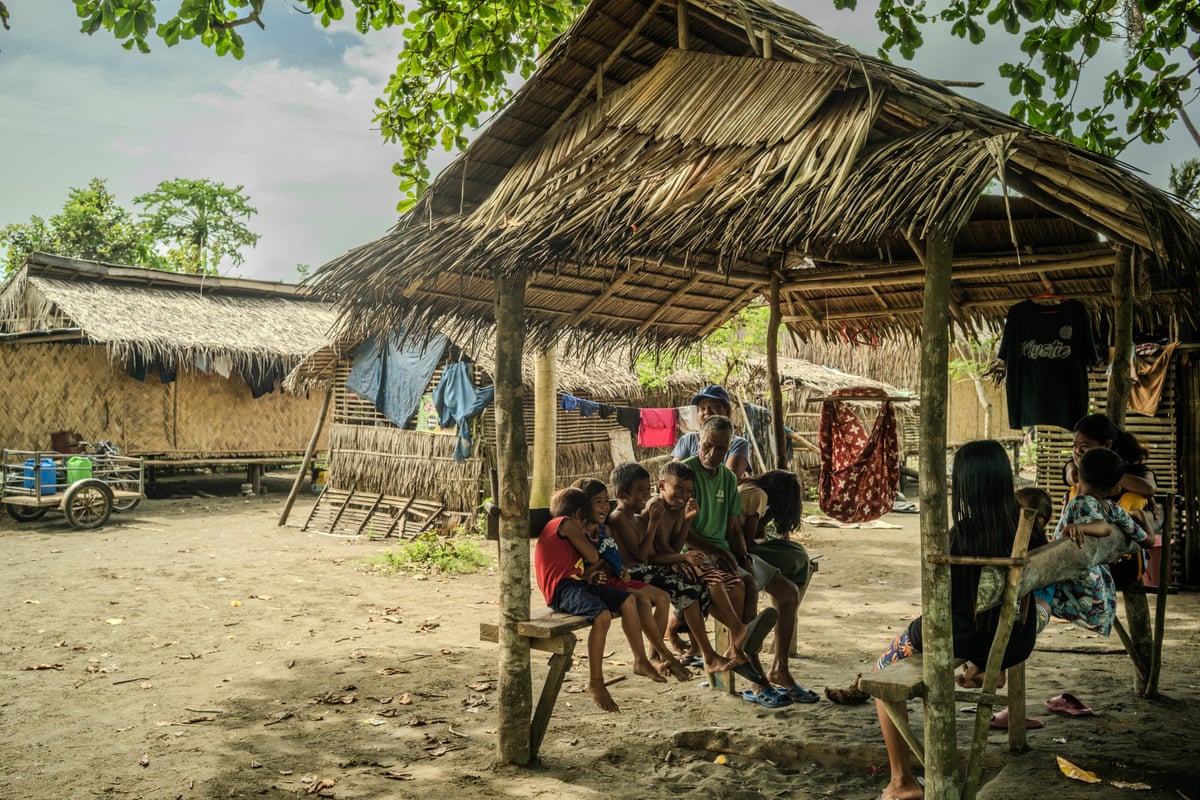
“We have nothing – we do not have 10 million pesos,”
Moharen says.
Community Divisions Over Mining Benefits
Not all Brooke’s Point residents oppose mining. Some support it, particularly due to the 1% royalty paid to Indigenous communities.
“The impact is good. Instead of asking for help, we are the ones who are now giving help,”
says Julhakim Usop Godo, 49, a council member receiving mining funds.
“Mining helps. I have two children that have graduated. It helps the community; it helps with medical assistance.”
However, many locals view the mine as a severe threat to biodiversity and forest-dependent communities. Indigenous groups have protested repeatedly since 2018, with clashes continuing this year. Sombra remains unconvinced by financial incentives:
“The money is going to be gone in a while, but nature is going to be here forever.”


