

Marine strategy must deliver action for seabirds, charity says
A new Marine Protected Area (MPA) strategy for Northern Ireland "must deliver real, tangible action," a bird charity has said.
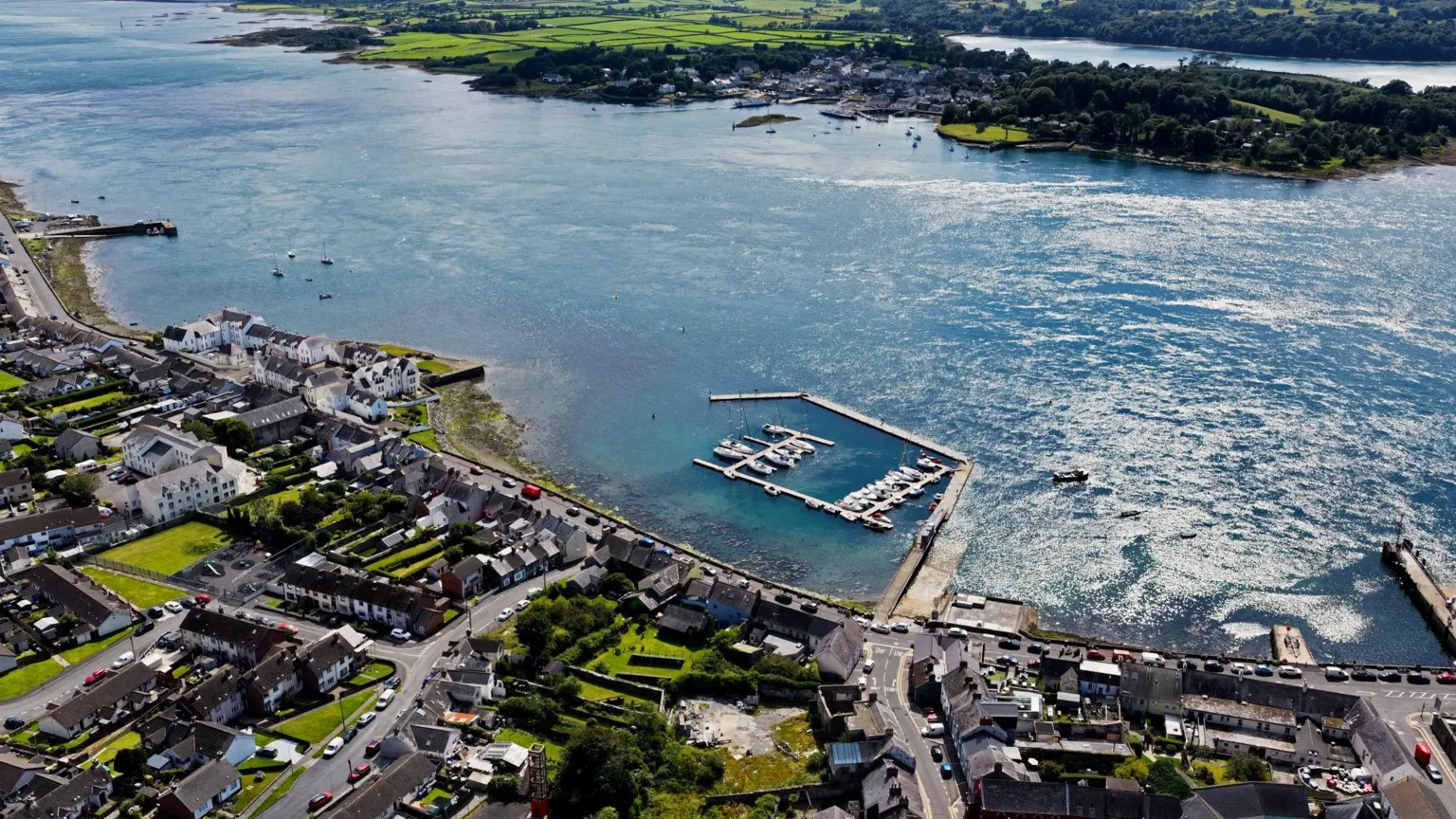
The updated strategy, launched by the Department of Agriculture, Environment and Rural Affairs (Daera), aims to ensure that areas such as Strangford Lough will receive enhanced protection within the next five years.
Forty-eight MPAs have already been identified as part of an "ecologically significant" network of sites "deserving of enhanced protection."
"They must be properly managed, monitored and enforced if we're to secure a future for our sealife and seabirds,"said Dr Sharon Thompson from the Royal Society for the Protection of Birds (RSPB) Northern Ireland, describing the situation as a "critical moment". She emphasized that designating areas is only the initial step.

The strategy outlines how the network will be managed through to 2030 with the goals of safeguarding key habitats and species, addressing remaining ecological gaps, and supporting nature-based solutions to mitigate the effects of climate change.
Dr Thompson highlighted recent reports of large numbers of dead and dying seabirds washing ashore from Spain to Scotland as "devastating."
"It also shows how urgently we need to build resilience so these birds can withstand unpredictable shocks,"she added.
As the MPA strategy moves into the implementation phase, Dr Thompson stressed the need for officials to "properly and critically assess the pressures affecting or contributing to the declines of seabird populations."
"Once identified we need to implement appropriate management measures to bring about seabird recovery,"she said.

"What matters now in Northern Ireland is action, designating MPAs is not the end but the starting place for ensuring our protected areas are properly managed, monitored and enforced."
What is a Marine Protected Area?
A Marine Protected Area is a defined site managed for long-term nature conservation.
There are six types of MPAs in Northern Ireland.
The Daera minister, Andrew Muir, described the strategy as an "important milestone" in protecting Northern Ireland's "outstanding" marine environment, noting that it encompasses a wide variety of habitats.
"In Strangford Lough, we have seagrass beds that support overwintering Brent Geese, rocky reefs with kelp forests and a range of species from starfish, anemones and crabs to seals and dolphins,"he said.
"The North Channel is home to the Harbour porpoise, and our north coast, the maerl seaweed beds at Red Bay and rare sponges at Rathlin Island are all fantastic examples of the rich biodiversity that our marine protected areas are helping to safeguard.
Seagrass, kelp and native oysters are all also examples of blue carbon habitats, that demonstrate the role that the marine can play in meeting our climate targets."
The first strategy, launched in 2014, established the network of sites.
Its progress was assessed by the Joint Nature Conservation Committee in 2018, which found Northern Ireland was "very close" to delivering "an ecologically coherent network."
The current strategy aligns with the draft Nature Recovery Strategy, published in January.


