

Ospreys Return to Dorset with New Breeding Success
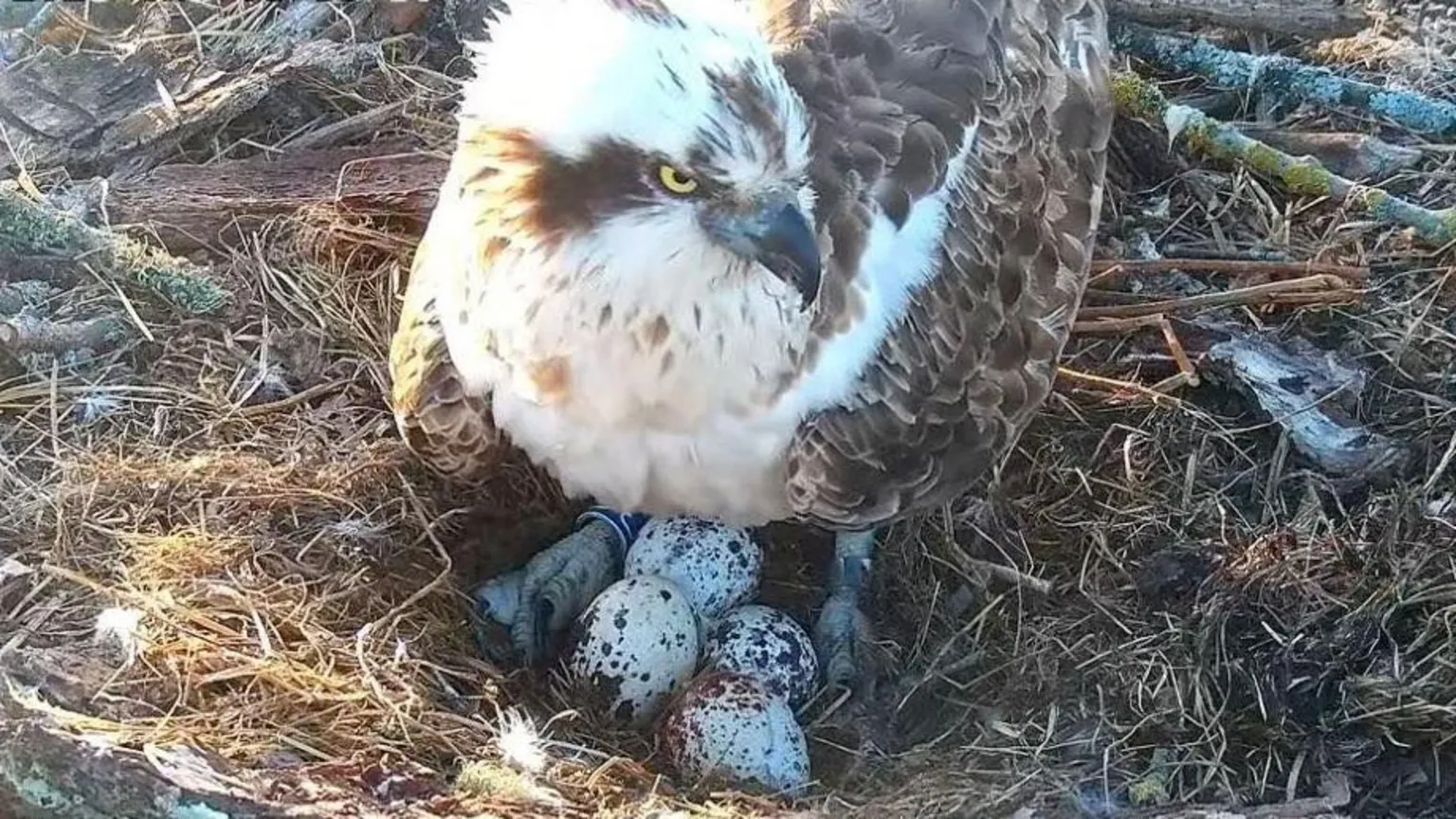
Dorset's cherished ospreys are currently incubating another substantial clutch of four eggs, with many observers eagerly monitoring their nest cam for the arrival of the first chick.
Female CJ7 and male 022 represent the first of two pairs to breed at Poole Harbour, a direct outcome of a five-year translocation initiative launched in 2017.
The reintroduction of these birds of prey to the area has involved a complex process, largely due to the males' natural tendency to return to their birthplace for breeding.
"When you have wiped out a population of something, there are traits that prevent them from returning in that area,"explains Paul Morton, founder of the Birds of Poole Harbour charity.
"It's the males that set up the territories so, over time, we tricked them that this was their natal site."
Years prior to the project's commencement, migrating ospreys were observed passing through Poole Harbour during their journey from Scotland to wintering grounds in North Africa.
"In the autumn we would get two or three ospreys passing through.
It was obvious there was enough food for them so we applied for a licence to bring ospreys from Scotland,"Morton said.
Understanding Osprey Behavior and Translocation Methods
Male ospreys demonstrate natal philopatry, meaning they return to their birthplace to breed, whereas females are drawn to areas where other ospreys are present.
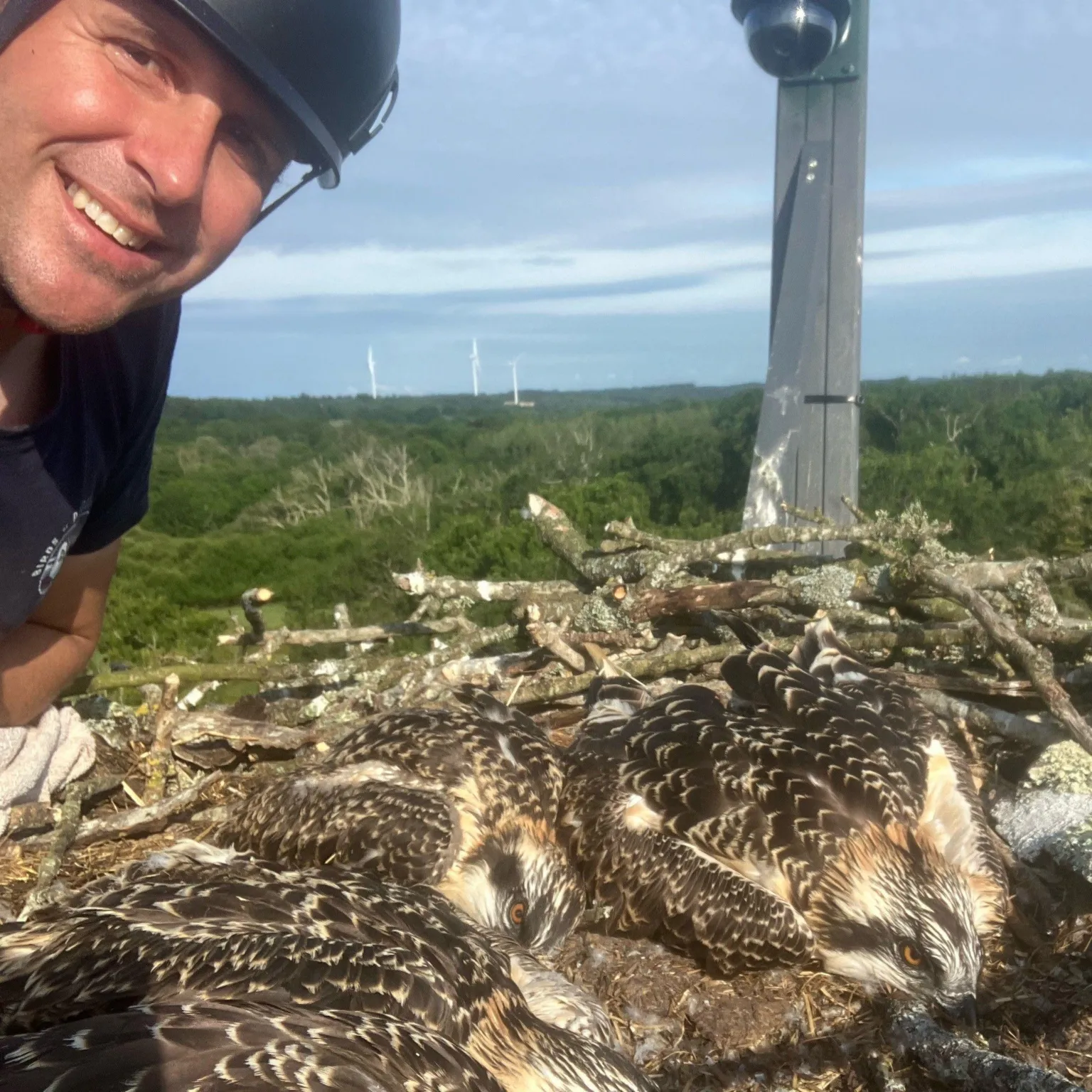
Collaborating with the Roy Dennis Wildlife Foundation, which oversees numerous nests in central-eastern Scotland, approximately 14 chicks per year were legally removed at five weeks old. At this stage, the chicks were unable to fly but could feed themselves.
"They are individually put in a cardboard box that feels like a nest, and driven overnight so it's cooler,"Morton explained.
"They arrive at dawn and are put in holding aviaries for about two-and-a-half weeks with a couple of other birds so they become like a little family and we minimise human contact."

The team prepared 9-10 kg (20-22 lb) of fish daily, cut into thumbnail-sized pieces, gradually increasing the size until the birds could grasp a half trout with their talons and tear it with their beaks.
"We put the pieces through a letterbox so the ospreys can feed themselves – all the time they are being monitored on CCTV because we need to make sure they are eating, pooing and flapping."
Release and Imprinting Process
In July, the ringed and tagged birds were released back into the wild.
"Then the hard work really starts,"Morton said.
"When an osprey flies for the first time, it still returns to the nest three to four times a day to get fed, and this goes on for about a month.
So we would sneak out in the morning and put whole fish on the nests.
That time is the most crucial part of the project because if they flew off into the sunset they would die.
After a week, they would get braver and go several hundred metres.
After a month they are all over the place, mapping the area."
By the time juveniles migrate in August or September, the location is imprinted in their memory so that when they are ready to breed, typically after two or three years, they will return.
Current Breeding Success and Future Prospects
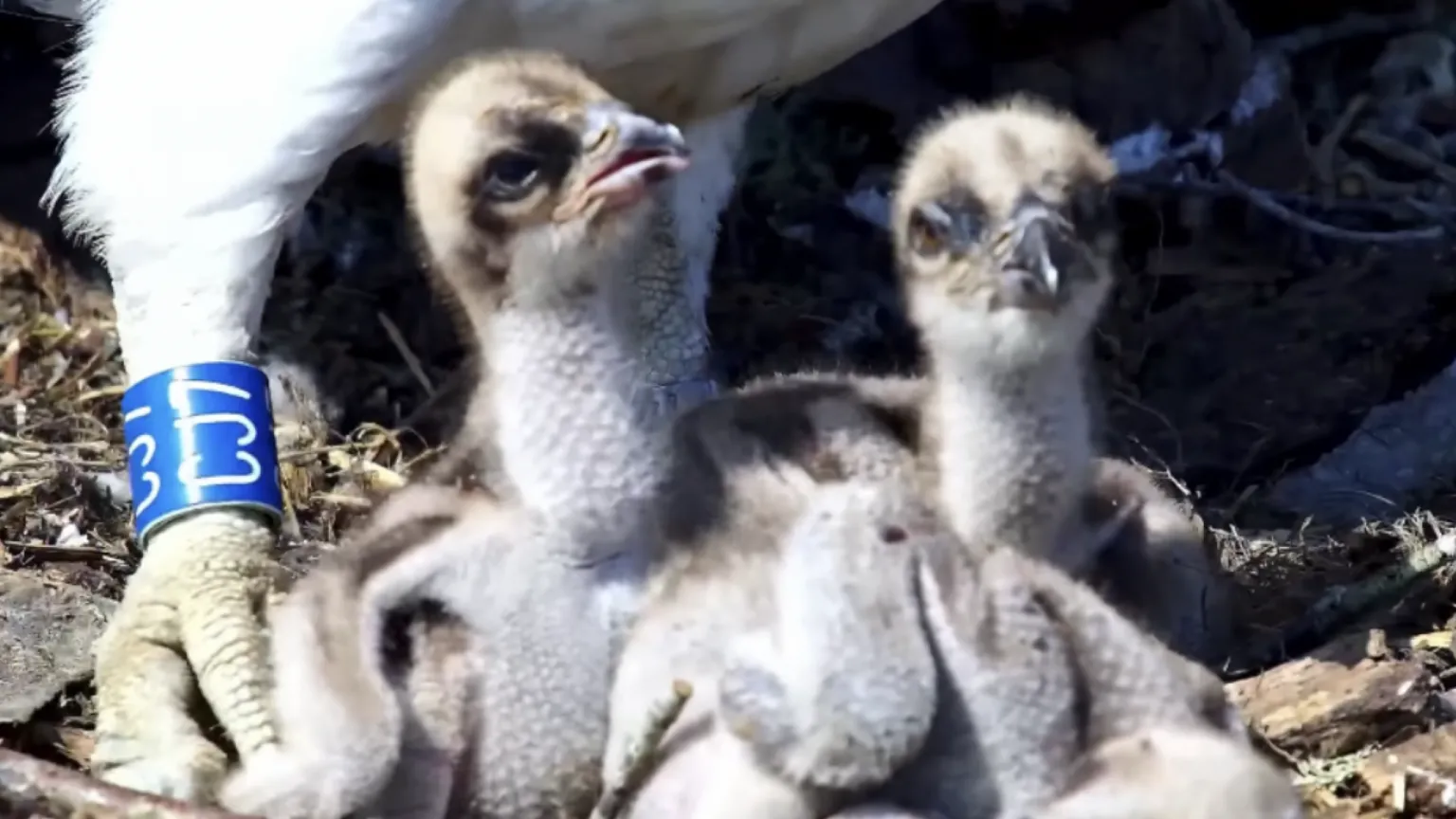
Both breeding males at Poole Harbour originated from the translocation project.
Recently, a three-year-old male, 5H3, which fledged from the nest of CJ7 and 022, was also observed, raising hopes that he will attract a passing female in the future.
As part of the scientific project, the birds do not have names; instead, their ring numbers are assigned sequentially.
Broader Ecological Impact
Reflecting on the project's achievements, Morton remarked:
"It's insane but there's a much greater story than just the ospreys in all of this.
Within hours in the one location we've seen white tailed eagles, red kites, peregrine falcons – all of which have been persecuted in the past.
Species recovery is occurring and the ospreys are symbolic of a bigger set of stories that are going on here."


