Nightjar Numbers Double in South Downs National Park
The population of nightjars recorded within South Downs National Park is believed to have doubled over the last five years as a result of targeted conservation initiatives.
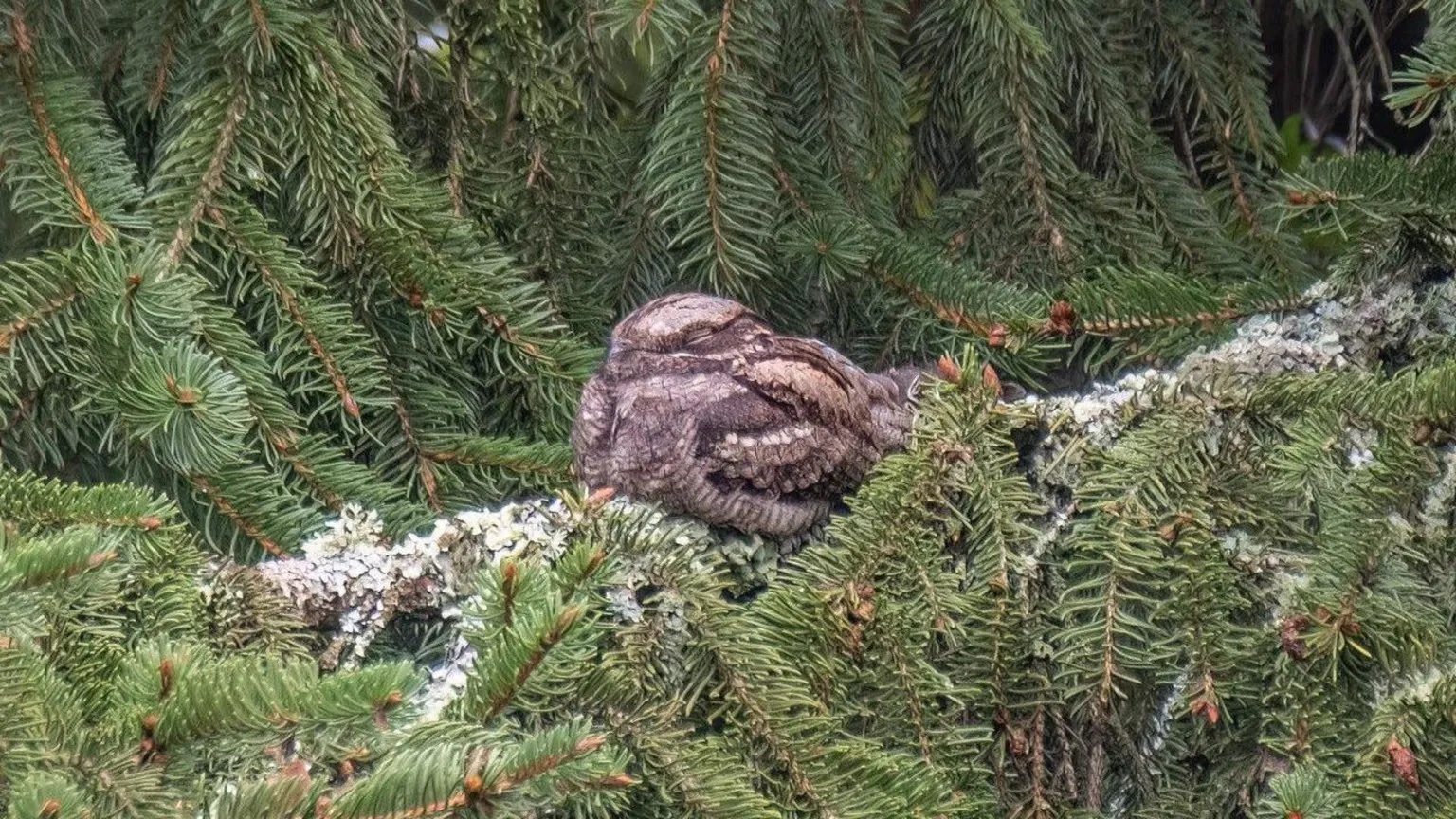
In an ecological survey conducted last year, 78 of these elusive birds, recognized for their distinctive 'churring' song at sunset, were documented within the park.
A representative from the South Downs National Park Authority (SDNPA) described this development as "a remarkable comeback" attributed to "nature recovery efforts and better habitat management."
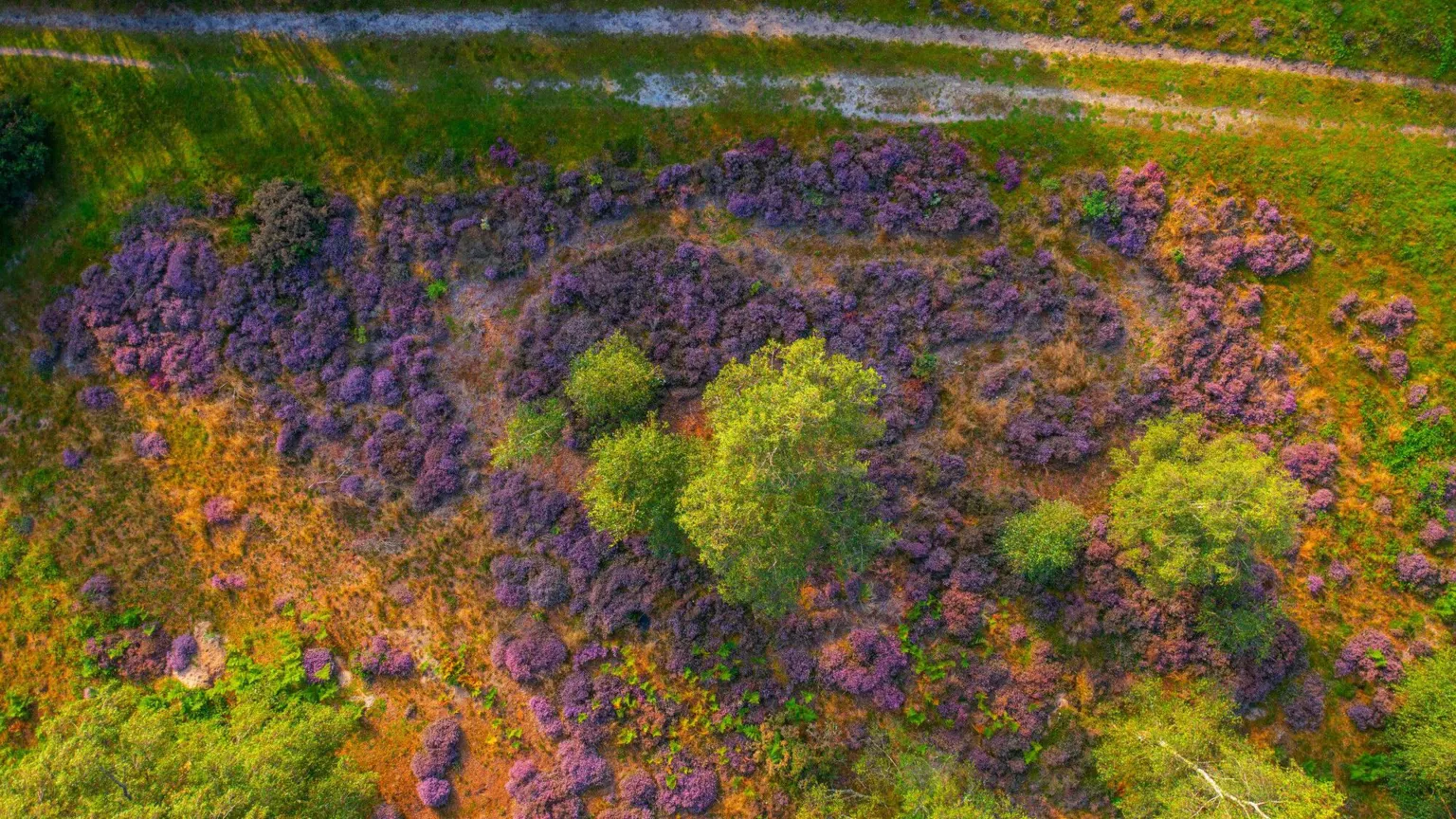
The survey additionally identified 109 nightjar territories, marking the highest number recorded to date, across the lowland heaths of east Hampshire. Key locations include Woolmer Forest and the commons of Shortheath, Bramshott, Ludshott, Broxhead, and Kingsley.
'Supernatural Reputation'
Nightjars are crepuscular, ground-nesting birds that emerge during twilight hours, often observed hunting at dusk and dawn.
Each spring, these birds undertake a migration of approximately 4,000 miles (6,437 km) from the Democratic Republic of Congo, residing in the UK from April through August.
The species is known by several nicknames, the most unusual being "the goatsucker."
The SDNPA spokesman explained the origin of this name:

"Long ago it was thought nightjars would drink milk directly from goats, poisoning them so their udders wasted away and they went blind.
The myth was once common in many countries all over Europe. The legend probably arose from the fact that nightjars were coming close to livestock because they were hunting insects nearby."
Conservation Efforts
The nightjar is classified as an amber species on the Red List for Birds, indicating it is a species of "conservation concern."
Between 1972 and 1992, their numbers declined by 51%, primarily due to the loss of woodland and heathland habitats caused by agricultural expansion and development.
The SDNPA representative described nightjars as "one of Britain's most elusive birds," noting that the recent increase in their population follows dedicated efforts aimed at protecting and expanding lowland heath areas, which serve as critical ground-nesting habitats for the species.
"Engagement rangers have also been out in the landscape over the past decade, encouraging people to care for the landscape, including keeping dogs on leads, picking up dog poo and sticking to pathways to avoid disturbing the nightjars and other wildlife."
He further added that the resurgence of nightjars has coincided with population recoveries in woodlarks and Dartford warblers, both of which are also demonstrating promising increases.
The South Downs National Park spans Hampshire, West Sussex, and East Sussex, encompassing chalk hills and villages across these regions.
Engagement ranger Kirsty Murray expressed enthusiasm about the ecological survey results:
"[They] really show what we can achieve together to help biodiversity bounce back.
These lowland heaths were once widespread across the South Downs but now make up just 1% of the national park."
Murray emphasized the rarity and ecological importance of these habitats:
"They are as rare as the rainforest, supporting some of the UK's rarest species.
It's wonderful to hear the nightjars churring away as dusk falls and we're looking forward to continuing this incredibly positive conservation work alongside local communities and our partners."

You can follow BBC Hampshire & Isle of Wight on Facebook, X (Twitter), or Instagram.