Conservation Efforts in North Wales
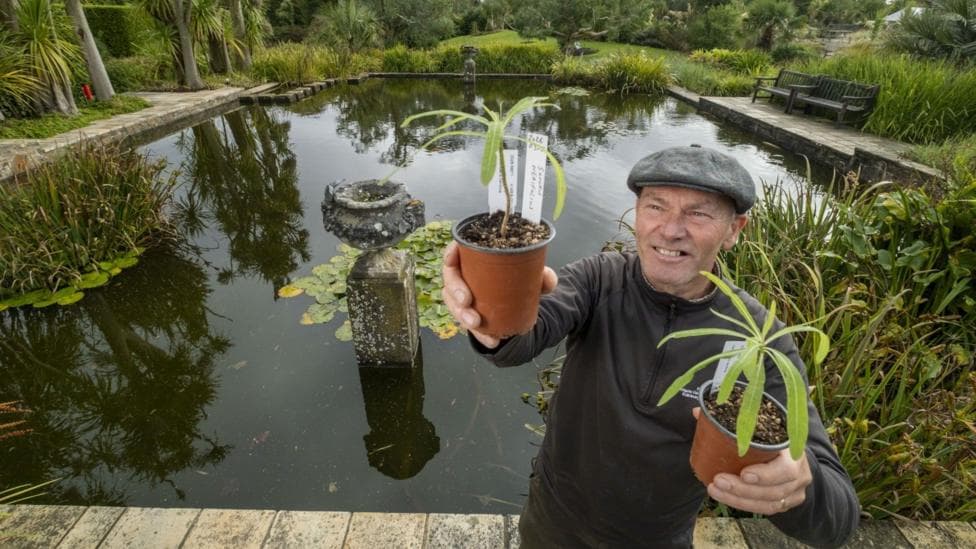
Ian Hughes and his son, Ben, are traveling through the hills of north Wales with various homemade animal-related items in their car, including diagrams, plaster casts, and hand-printed T-shirts. Their destination is Llyn Tegid – known in English as Bala Lake – where Ian wades knee-deep into the water holding two glutinous snails.
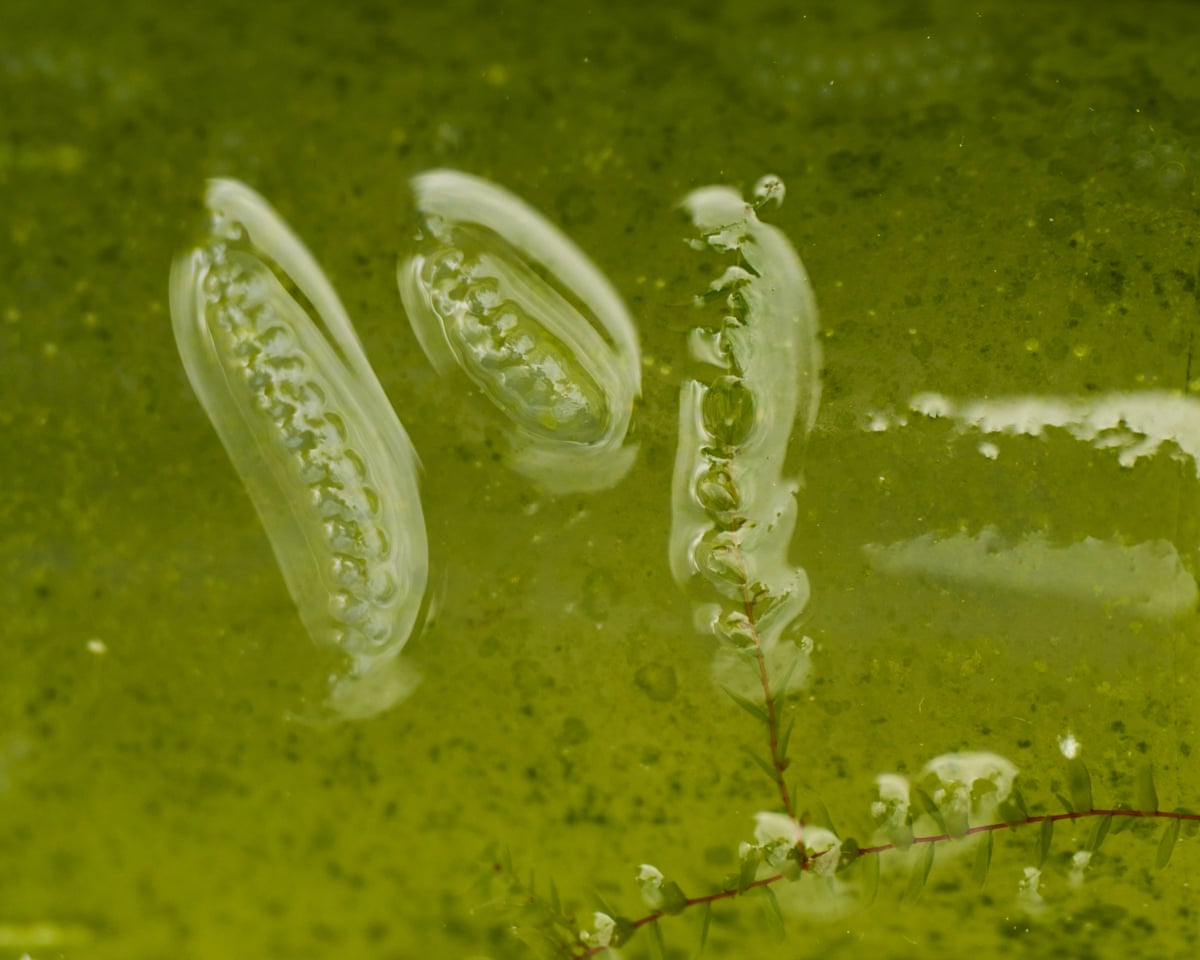
The glutinous snail is a mollusc roughly the size of a fingertip and is among Europe’s most endangered species. Ian Hughes has devoted himself to its protection.
“It’s beyond passion,” he says. “It’s an obsession.”
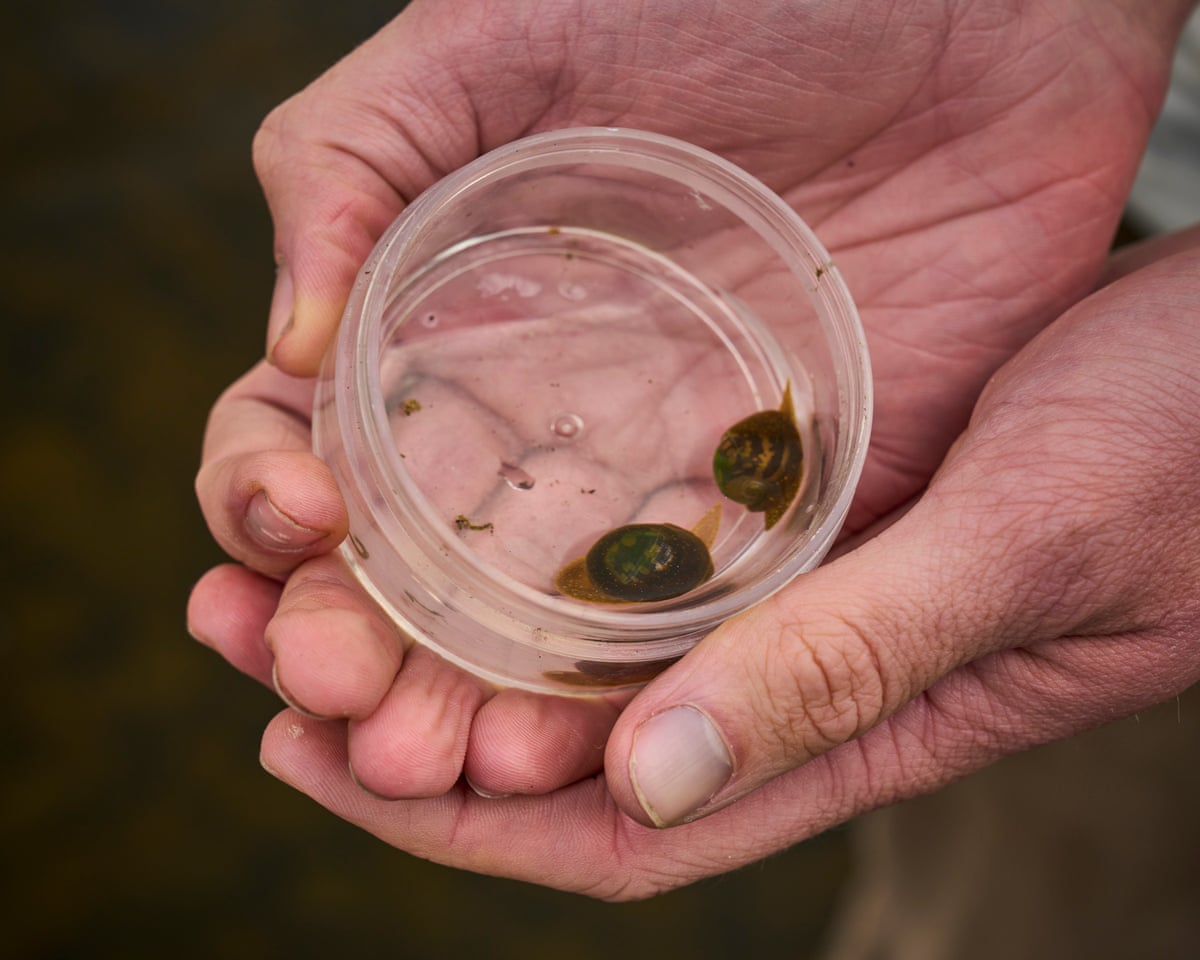
The species is named for the gelatinous, golden-flecked tissue that covers its shell. Due to their habitat’s low calcium levels, the snails have extremely delicate shells, which Hughes carefully handles using a fine paintbrush when relocating them.
Glutinous snails have become extinct in England because of the degradation of freshwater habitats caused by pollutants from agriculture and industry. These contaminants have damaged ponds, ditches, lakes, and streams where the snails once thrived. The lake in Gwynedd where Hughes is working contains the last wild population of glutinous snails in Britain.
A Decade of Dedication
Hughes has spent over ten years conserving this tiny mollusc and other rare species, often supported only by his enthusiastic family. This year, the Department for Environment, Food and Rural Affairs (Defra) has recognized the snail as a threatened species eligible for conservation funding.
Hughes’s conservation journey began with an interest in art during his teenage years.
“I always used to draw as an escape. I didn’t know it at the time, but I was quite shy,”he reflects.
Recognizing his talent, the natural history museum at Wollaton Hall in Nottingham offered him an apprenticeship as a taxidermist and display artist. He later worked in zoos specializing in invertebrates before Natural England started funding his individual conservation projects.
Family Involvement in Conservation
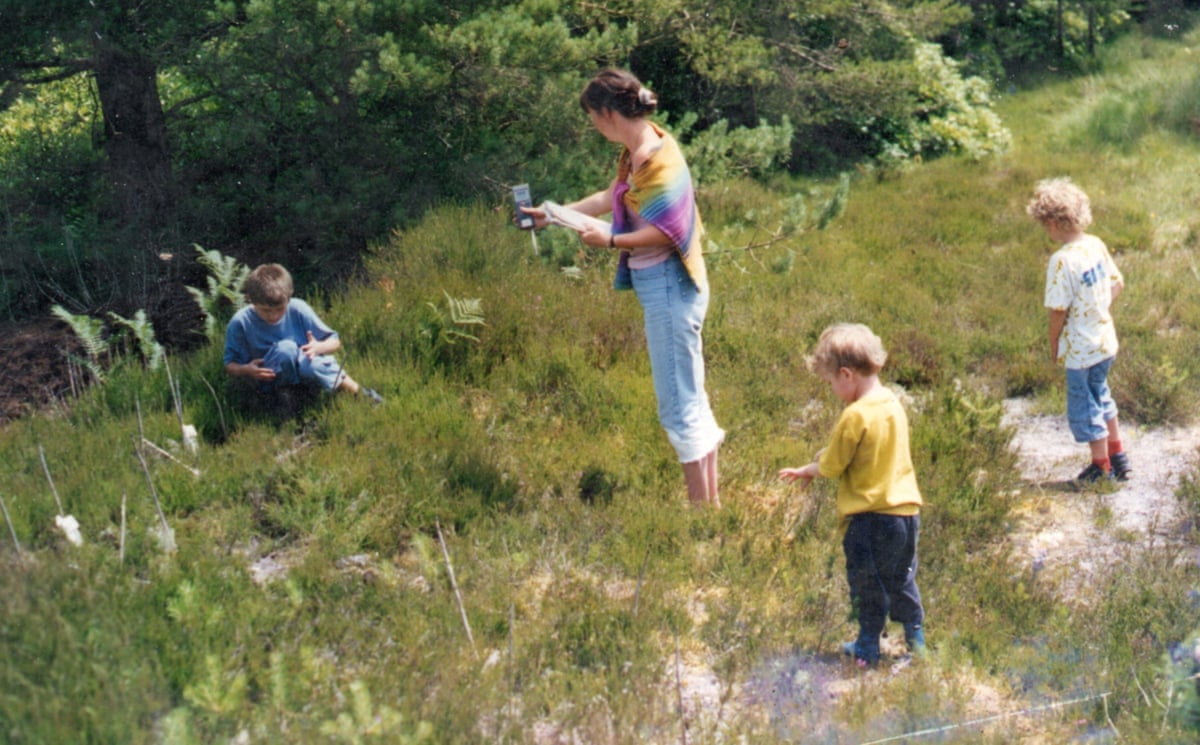
In 2014, Hughes first visited Llyn Tegid to search for glutinous snails accompanied by his second son, George. Since then, at least one of his three sons has joined him on his field trips.
When asked to assist with the glutinous snail project, George, then 18, agreed without realizing it would involve wearing a wetsuit and wading into cold lake water.
“It was very cold, but lots of fun,”he recalls.

Father and son collected water samples and measured depths before constructing and installing shell-shaped concrete refuges for the snails. Though the work was challenging, George values the opportunity to spend quality time with his family.
“The joy of it is that we get to spend so much time together as a family.”
By the end of that year, the snails had adapted to their refuges, providing Hughes with a dependable source for collecting specimens to breed at his home in Llanarth, west Wales.
Breeding and Ark Populations
Hughes’s conservatory serves as an ark, where he breeds glutinous snails and other rare invertebrates in homemade tanks. The space also houses plaster casts of gorillas and a sculpture of Charles Darwin. It has been a sanctuary for species such as scarlet malachite beetles, ladybird spiders, and tadpole shrimp.
Each species requires specific care, and Hughes emphasizes that preventing extinction involves continually relocating the snails.
“If one snail dies in a tank, or two or three die in a pond, they pollute the water,”he explains.
“So we’re continually moving snails from one container to another, preserving that part of the population.”
Over time, Hughes has encouraged zoos to establish their own ark populations and reintroduce glutinous snails into the wild. However, he acknowledges that managing people can be more difficult than managing animals, and he is aware from previous rewilding efforts how quickly a new colony can fail without ongoing care.
He hopes the new Defra funding will enhance these conservation initiatives. The British and Irish Association of Zoos and Aquariums will receive additional support to develop ark populations of the glutinous snail, while the Freshwater Habitats Trust plans to use resources to identify suitable sites for wild reintroductions.
Raising Awareness and Education
Hughes’s passion for invertebrates extends to inspiring others to appreciate them. He authors children’s books about the species he studies, illustrated by his son Ben. The family also sells T-shirts screen-printed by Hughes’s wife, Kerry, featuring their wildlife drawings.
“We try to [sell them at] places where we’ll get people who aren’t already into nature,”Hughes says.
Ben, who has long been committed to the cause, explains why even the smallest species are important:
“Well, why do we matter? We’re part of a huge living system. If you take a cog out of a machine, it doesn’t work any more.”