Significant Increase in Rare Butterfly Population in Kent
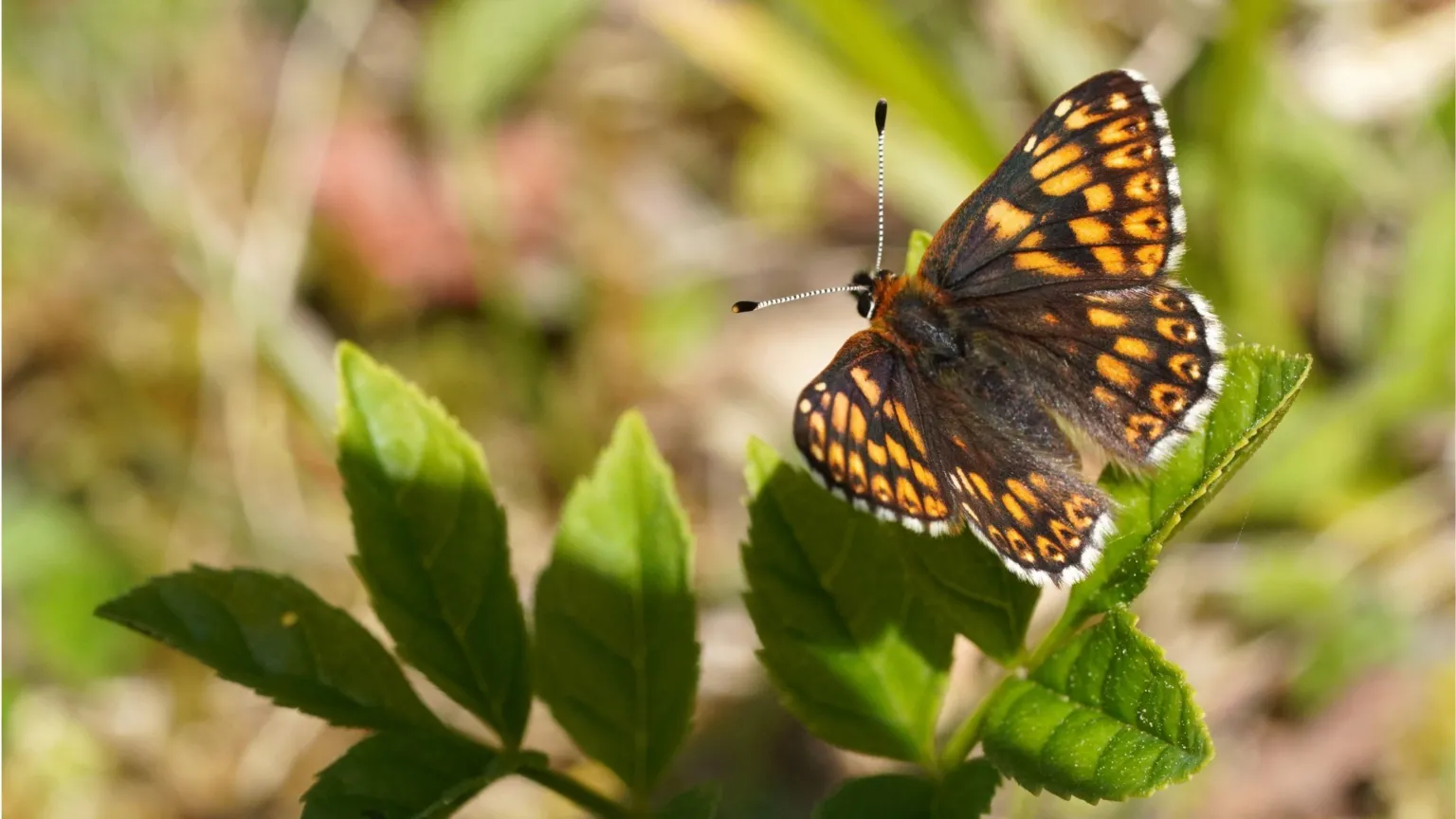
The population of the rare Duke of Burgundy butterfly in Kent has risen dramatically over the past two decades, increasing by more than 90 times, according to Butterfly Conservation, a dedicated conservation charity.
In 2005, fewer than 50 Duke of Burgundy butterflies were recorded in Kent. This number grew to nearly 600 individuals by last year, marking a substantial recovery for the species in the region.
Expert Insight on Environmental Impact
Dr Dan Hore, director of nature recovery at Butterfly Conservation, highlighted the significance of this population growth as an encouraging indicator for the local environment.
"They're an indicator species," he explained. "Butterflies act as a flagship for smaller insects. When [a population] recovers, it tells you you're getting something right."
Habitat Specifics and Conservation Efforts
The Duke of Burgundy caterpillars have a very specialized diet, feeding exclusively on the leaves of cowslips and primroses. However, these plants must be grown under very specific conditions to support the caterpillars' development.
To facilitate the increase in the Kent population, Butterfly Conservation collaborated with Natural England and local farmers to establish new habitats suitable for the species.
Landowners were encouraged to plant these essential food sources along the edges of crop fields or on farmland that was less productive, creating optimal environments for the butterflies to thrive.

Government Support and Environmental Schemes
Dr Hore noted that government initiatives, such as the Environmental Land Management schemes (ELM), have provided additional incentives for farmers to participate in conservation efforts.
"It's helping the farmer by diversifying their income," Hore said. "It's helping the environment by not putting loads of fertiliser to grow food where it doesn't want to grow."
While similar schemes have been implemented across England, Kent stands out as the most successful example of their positive impact on butterfly conservation.
National Context and Conservation Success
Despite the encouraging trends in Kent, the Duke of Burgundy butterfly has experienced a significant decline across the UK, with its distribution decreasing by 89% since 1982, according to Butterfly Conservation.
Dr Hore emphasized that Kent is one of the few areas where the species' population and distribution are increasing, describing the local conservation program as a "success story for nature recovery."
Reflecting on his early work with the species, Dr Hore recalled that in 2003 he recorded only three Duke of Burgundy butterflies in Kent, all confined to a single site.
Today, the population has expanded to hundreds of butterflies spread across dozens of sites throughout the county.
"Individual species are the building blocks of ecosystems," Hore said. "Those butterflies have a role in pollination."
He added: "For us, this is a really symbolic story. You can recover even really restricted species if you get the process right."
Stay Connected
For more updates, follow BBC Kent on Facebook, X, and Instagram, and listen to BBC Radio Kent on Sounds. Story ideas can be sent to southeasttoday@bbc.co.uk or via WhatsApp at 08081 002250.