Golden Eagles Flourish Despite Deaths and Disappearances
Ten years ago, the iconic golden eagle was a rare sight over the rolling hills of southern Scotland. Numbers had fallen to only a few breeding pairs, prompting the need for action to reverse the "dwindling population."
In 2018, a pioneering project was launched to relocate birds from the Highlands to a secret location in the Moffat Hills in an effort to restore the population. Despite setbacks including deaths and disappearances, the number of these majestic birds has now reached record levels.
How Did the Golden Eagle Project Begin?
The initiative commenced in the summer of 2018, more than a decade after initial discussions began. The first chicks were transported from the Highlands to the Moffat Hills, marking a "significant moment" for the species' future.
However, in 2019, an early setback occurred when one bird apparently attacked and killed another. The project team described this as a "very difficult" moment but affirmed their commitment to the scheme's success.
Flying High
Despite the loss of one young golden eagle, additional birds were relocated from the Highlands. By August 2021, eight more chicks had been successfully moved south, bringing the total relocated to 12 and nearly doubling the local population within three years.
By early 2023, the golden eagle population in southern Scotland reached its highest recorded level in centuries, approaching nearly 50 individuals. The project, initially focused on chicks, began introducing older birds as well, and a related festival was established in Moffat.
Deaths and Disappearances
With the population increase, incidents involving birds being killed, injured, or lost have also risen.
In February 2023, an eagle named Sula was found dead on the Queensberry Estate. Investigations ruled out avian flu and foul play, attributing the death to natural causes.
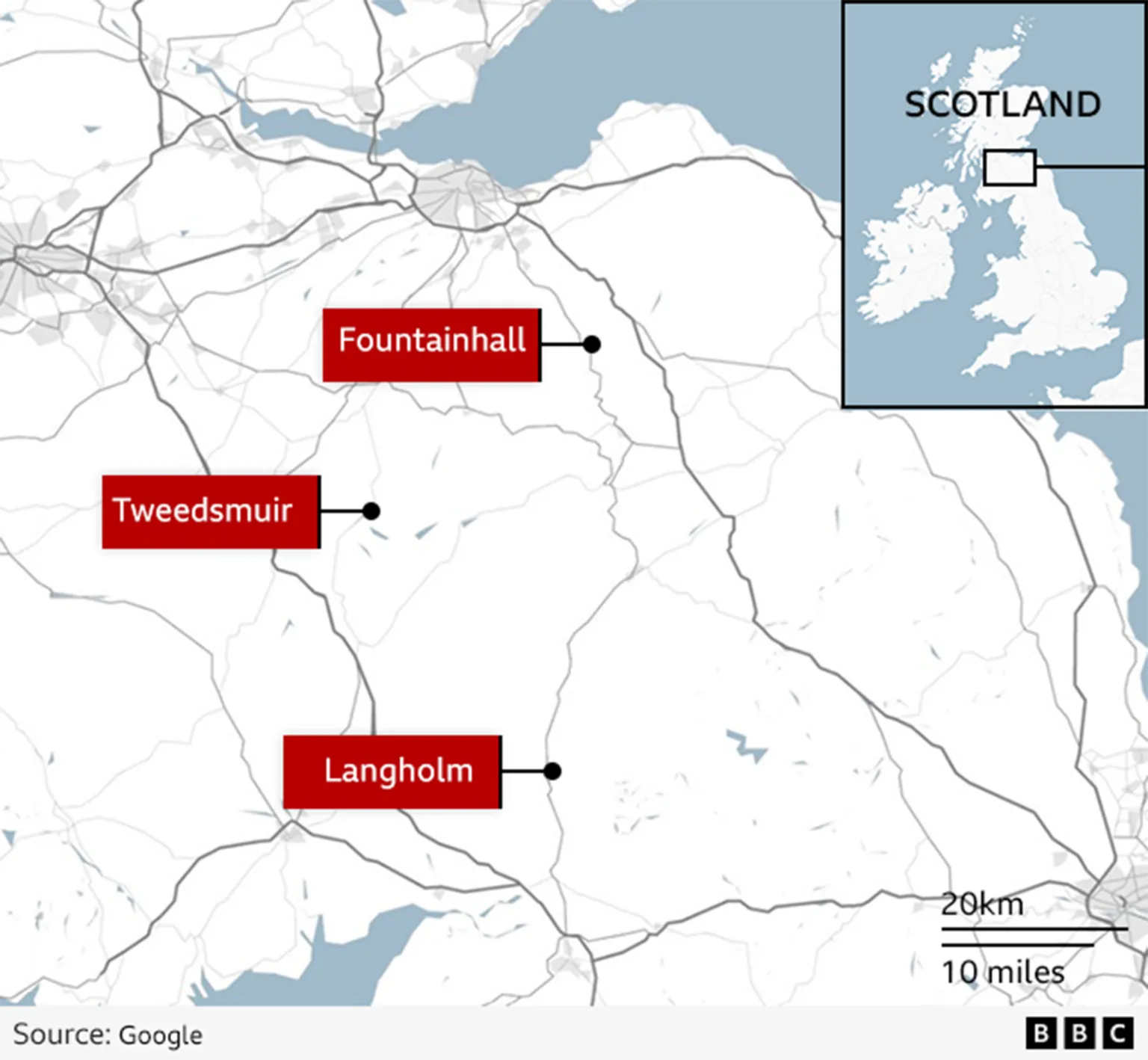
Later that year, the disappearance of Merrick, last seen west of Fountainhall, was treated by police as a persecution incident.
In November 2024, another eagle named Thistle died, believed to be the result of an attack by one or more other birds. That same month, Sparky was suspected to have been struck by a wind turbine in Galloway.

One year later, police data suggested that one of two eagles missing near Langholm, named Tarras, had come to harm.
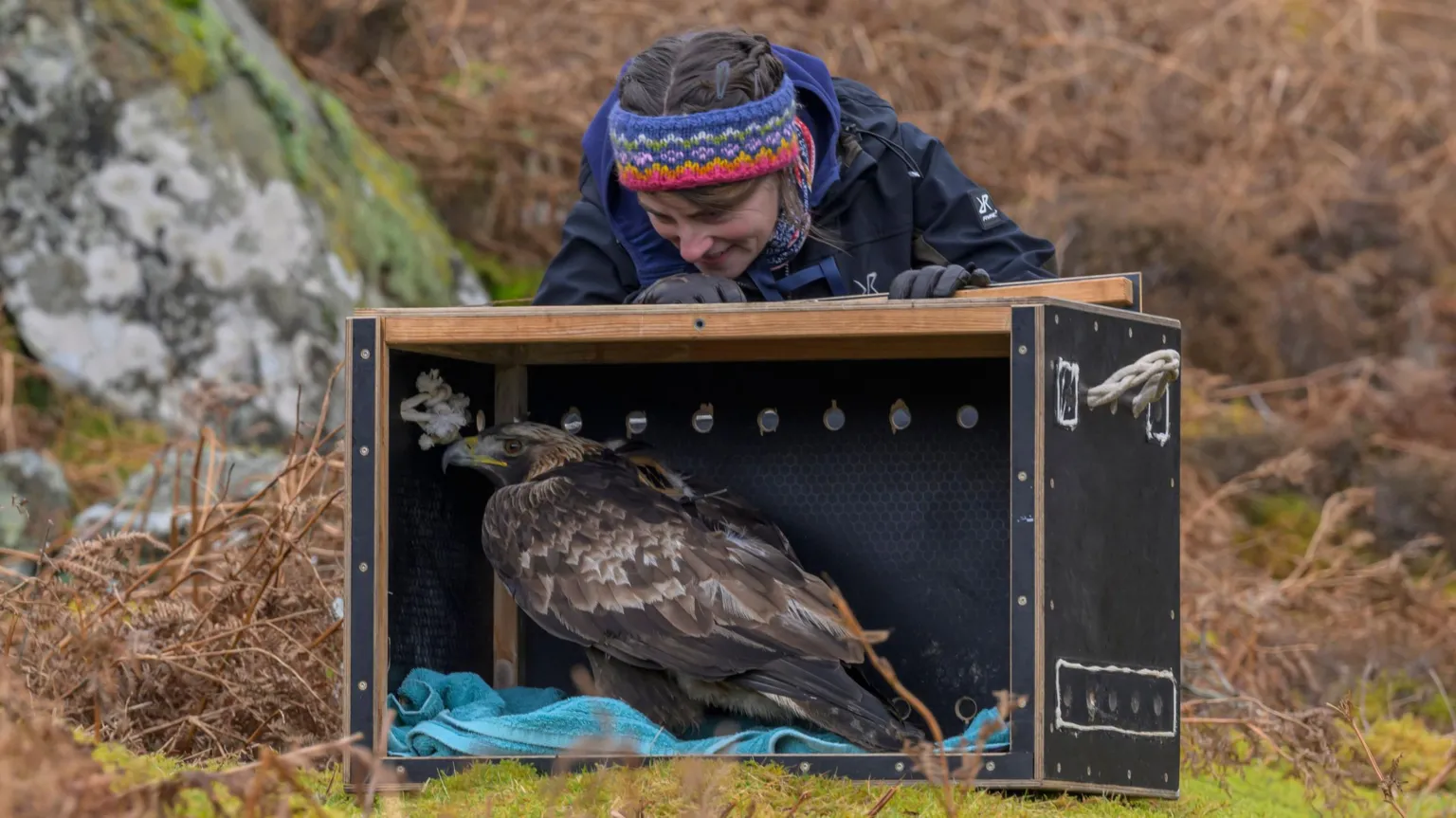
In February of this year, Hamlet was recovering from shotgun injuries sustained in the Tweedsmuir area, with police continuing their investigation.
Concerns have also been raised regarding plans for additional turbines in the Moorfoot Hills and their potential risk to the eagles.
Police stated that investigations into suspected persecution incidents are ongoing and have appealed for information.
Despite these challenges, Dr Cat Barlow, chief executive of Restoring Upland Nature (RUN)—the current home of the South of Scotland Golden Eagle Project—expressed pride in the "groundbreaking success" of the initiative.
"We recently celebrated the arrival of the first locally-hatched chick parented by one of the translocated eagles - a significant milestone for the long-term sustainability of the population."
She noted that some birds have even ventured into northern England, where nesting eagles had been absent for nearly a decade.
"We believe this is just the beginning. As some of the younger birds continue to settle and establish territories, we are optimistic that the population will continue to grow," Barlow added.
Michael Clarke, chair of RUN, acknowledged disappointment over the injuries and deaths but described the overall revival as "simply phenomenal."
"Golden eagles are back and here to stay in the south of Scotland. We hope they continue to spread from here so that people across the UK can experience the enjoyment of seeing these iconic birds soaring in the skies above them."
Golden Eagle 'Shared Vision'
Dee Ward, chairman of the landowners group Scottish Land and Estates, highlighted RUN as a "powerful example" of what can be achieved when landowners and conservationists unite behind a "shared vision."
He emphasized the instrumental role landowners played, noting that 21 of the 24 juvenile golden eagles originated from privately-owned estates, including his own in the Angus Glens.
"That level of contribution reflects a deep and enduring commitment within the sector to the recovery of this magnificent species," Ward said.
Ward also expressed disappointment over "isolated incidents of illegal persecution," including the loss of a bird from his own estate.
"Such actions by a small minority risk casting an unwelcome shadow over what is otherwise an outstanding example of collaborative conservation," he added.
Hamlet was released back into the wild after suffering shotgun injuries.