

Government Supports Golden Eagle Reintroduction with Emphasis on Consultation
Charities and organisations across northern England have expressed approval of the government's backing for the reintroduction of golden eagles, while emphasizing that thorough consultation is vital for the initiative's success.
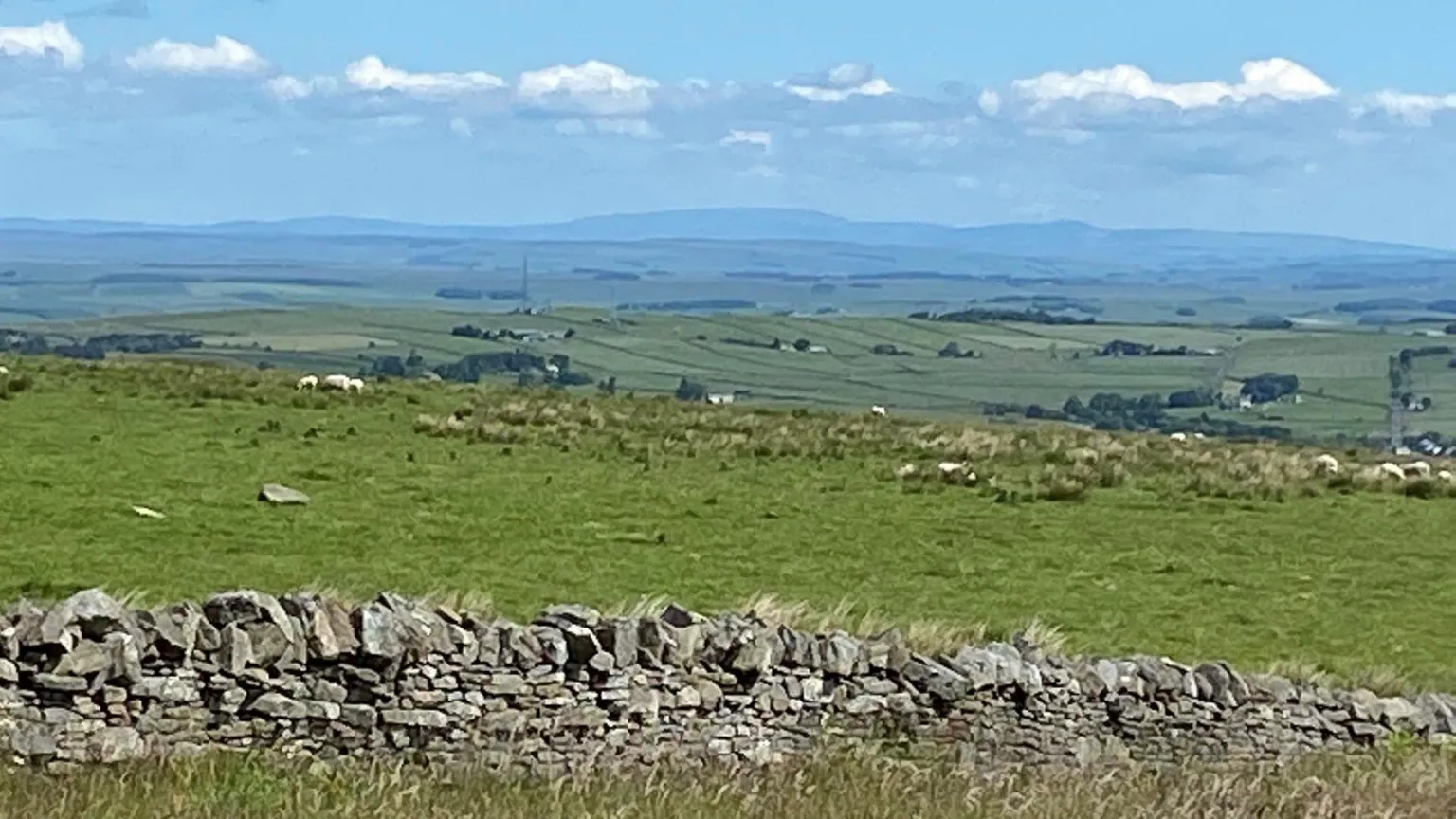
A study conducted by Forestry England identified eight potential release sites, including the North Pennines, the Cheviots in Northumberland, and the Lake District.
The Environment Secretary, Emma Reynolds, has sanctioned an additional £1 million in funding for the programme, which could see juvenile golden eagles released as early as summer 2027.
Chris Woodley-Stewart, Director of the North Pennines National Landscape, described the announcement as "exciting news," but stressed the importance of involving farmers and landowners fully in the planning process.
"Of course we want to maximise the biodiversity of the North Pennines, but these are the people that own and manage the land and it's critical they're on board too," he said.
Historical Context of Golden Eagle Decline in England
Golden eagles were eradicated from England and Wales by the mid-19th century, primarily due to persecution by those who perceived them as threats to livestock or game birds.
Although there was a brief resurgence following the two world wars, when driven shoots largely ceased, the population declined again, with the last resident golden eagle in England disappearing from the Lake District in 2015.
Public Consultation Led by Restoring Upland Nature
Dr Cat Barlow, CEO of the charity Restoring Upland Nature, will lead a public consultation alongside Forestry England regarding the release.
"The first thing will be talking to the people who live and work in that landscape, the game-keepers, the shooting estates, the farmers, the foresters," she said.
She noted that a suitable release site must be "quiet and away from people" and have the support of the local community.

"But there are a lot of steps to go through," she added. "We're not rushing into this, the key is to do it properly."
Considerations Regarding Moorland and Grouse Shooting
Many of the eight identified release areas contain moorland used for driven grouse shooting, a traditional sport where red grouse—prey for golden eagles—are driven towards shooters by beaters.
Andrew Gilruth, chief executive of the Moorland Association, which represents upland landowners in England and Wales, expressed concern that the government's support suggests the project’s approval is a foregone conclusion.
"If you want to win the hearts and minds of the people on the ground, you have to talk to them first," he said. "A similar project in southern Scotland was an exemplar on how to do it. "It was absolutely brilliant but now this consultation feels tokenistic."
Wildlife Charities Express Optimism for Release Sites
While Dr Barlow clarified that no decision has been made regarding the first release site, wildlife charities are hopeful.
Mike Pratt, CEO of Northumberland Wildlife Trust, believes England's most northerly county "must be up there with a good chance."
"They are seen here regularly already, so it seems like a nature progression. "Consultation is important but I really think it's one of those species people would like to see in Northumberland, I think it's time."
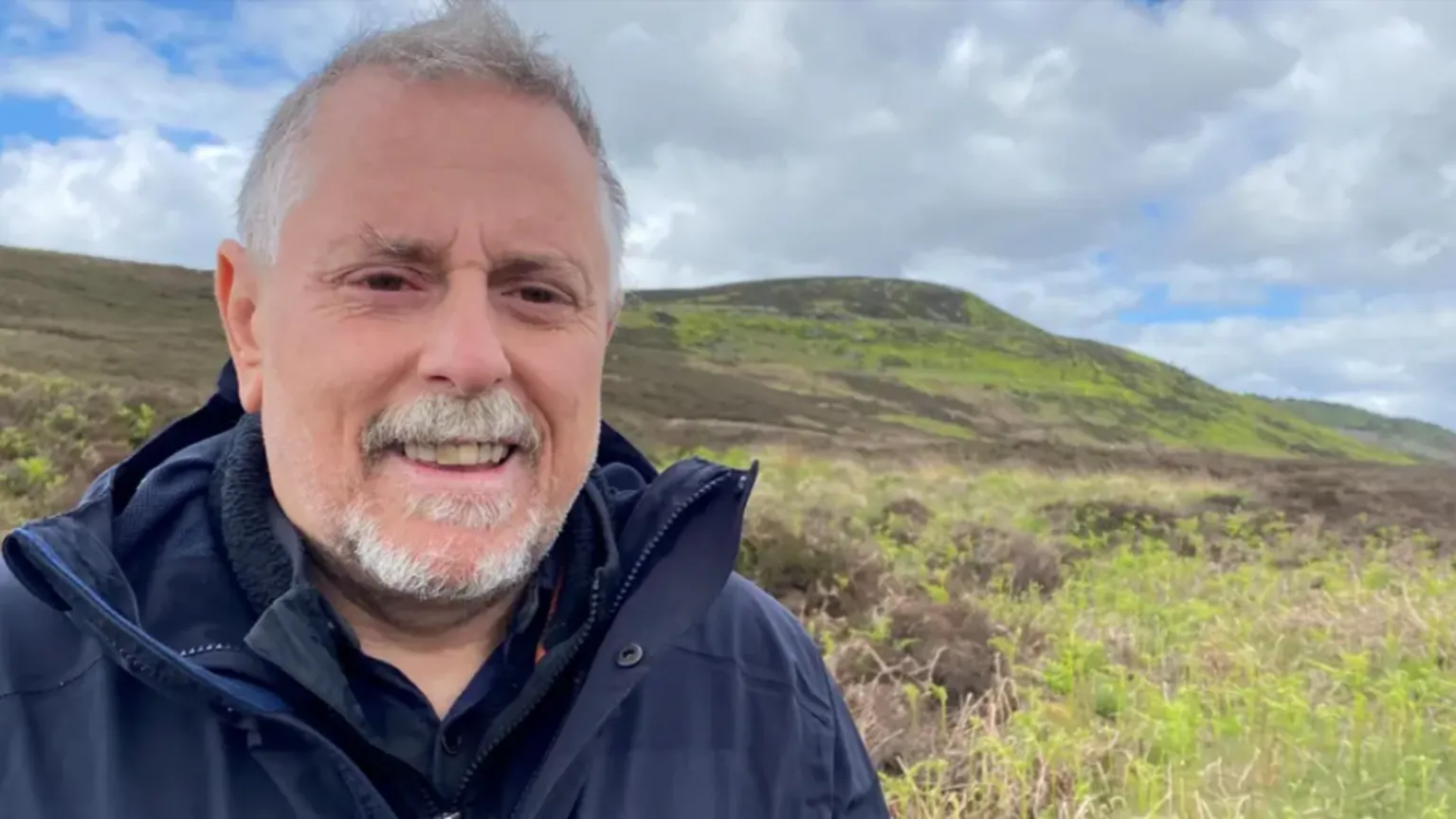
Martin Varley from Cumbria Connect, a nature recovery programme involving landowners, farmers, and conservationists, is similarly hopeful for the species’ return to a county with a "community memory of golden eagles."
"If you bring things back that people remember being there it's so much easier," he said.
Varley acknowledged that the number of visitors to the Lake District may pose challenges. The Forestry England report notes that "levels of recreation are likely to restrict nesting opportunities," especially around Ambleside and Keswick.
Future Prospects and Personal Reflections
Dr Barlow hopes that golden eagles will eventually inhabit all eight identified areas and considers the government's commitment a significant advancement.
"I'm from County Durham, I remember as a child going to watch the golden eagles at Haweswater and it was a magical experience. "It's a species that can live here, should be there and we as humans have eliminated, but now I think there's a real appetite to have them back."
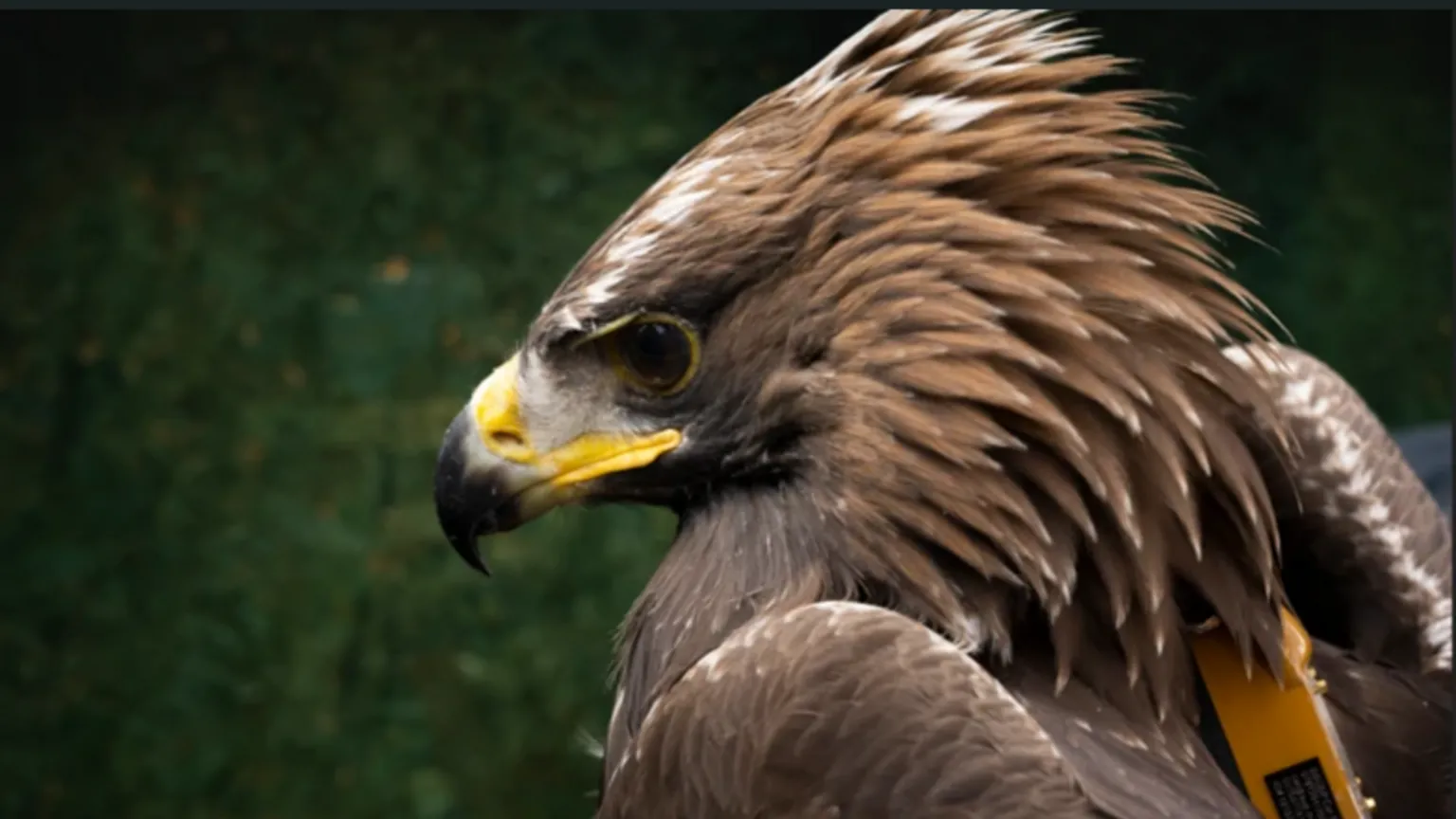
Translocated golden eagles are equipped with tags to monitor their location and welfare, ensuring careful observation post-release.
Follow BBC North East on X and Facebook and BBC Cumbria on X and Facebook and both on Nextdoor and Instagram.


