Discovery of Diverse Species in Scotland's Rainforest
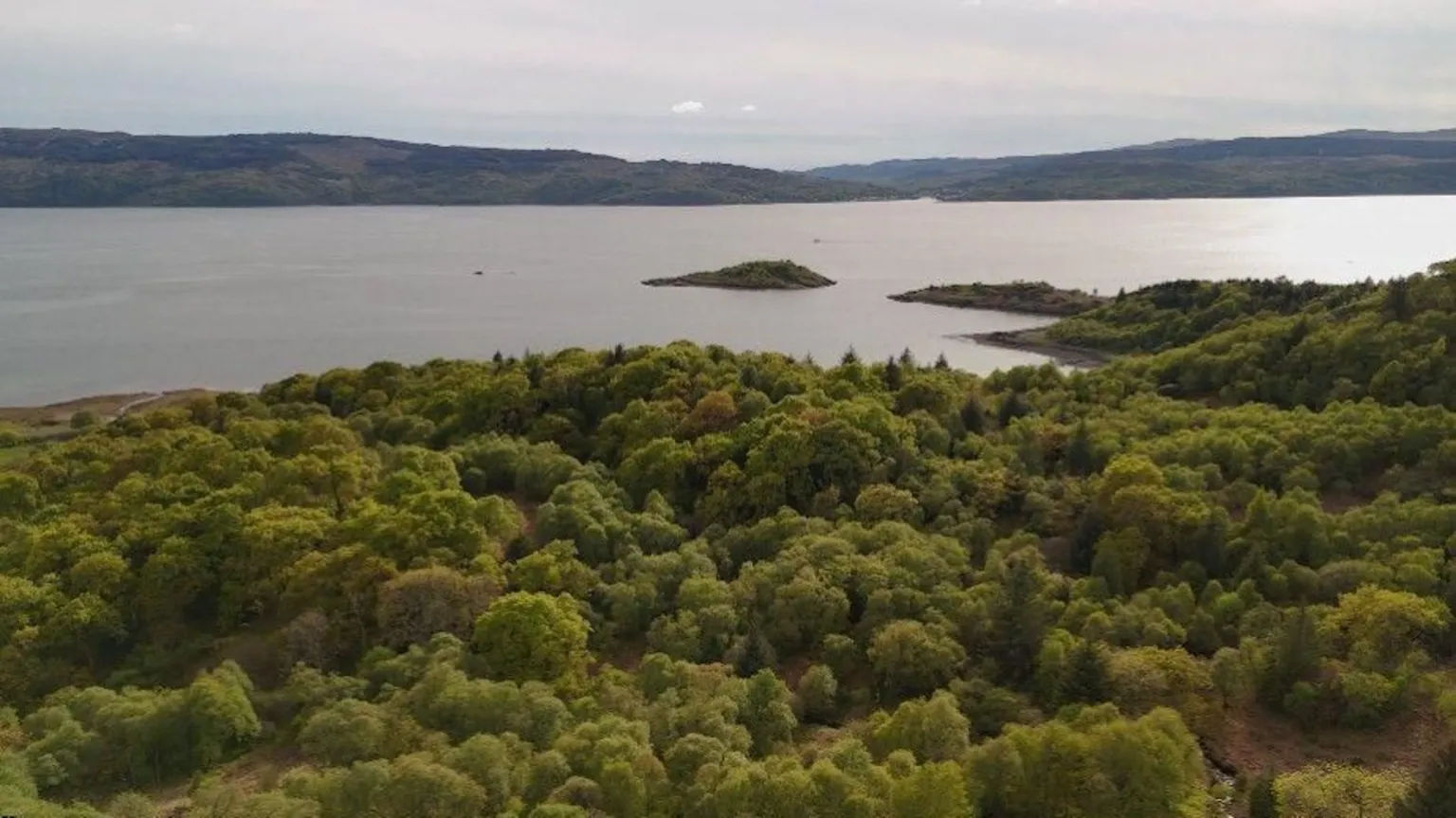
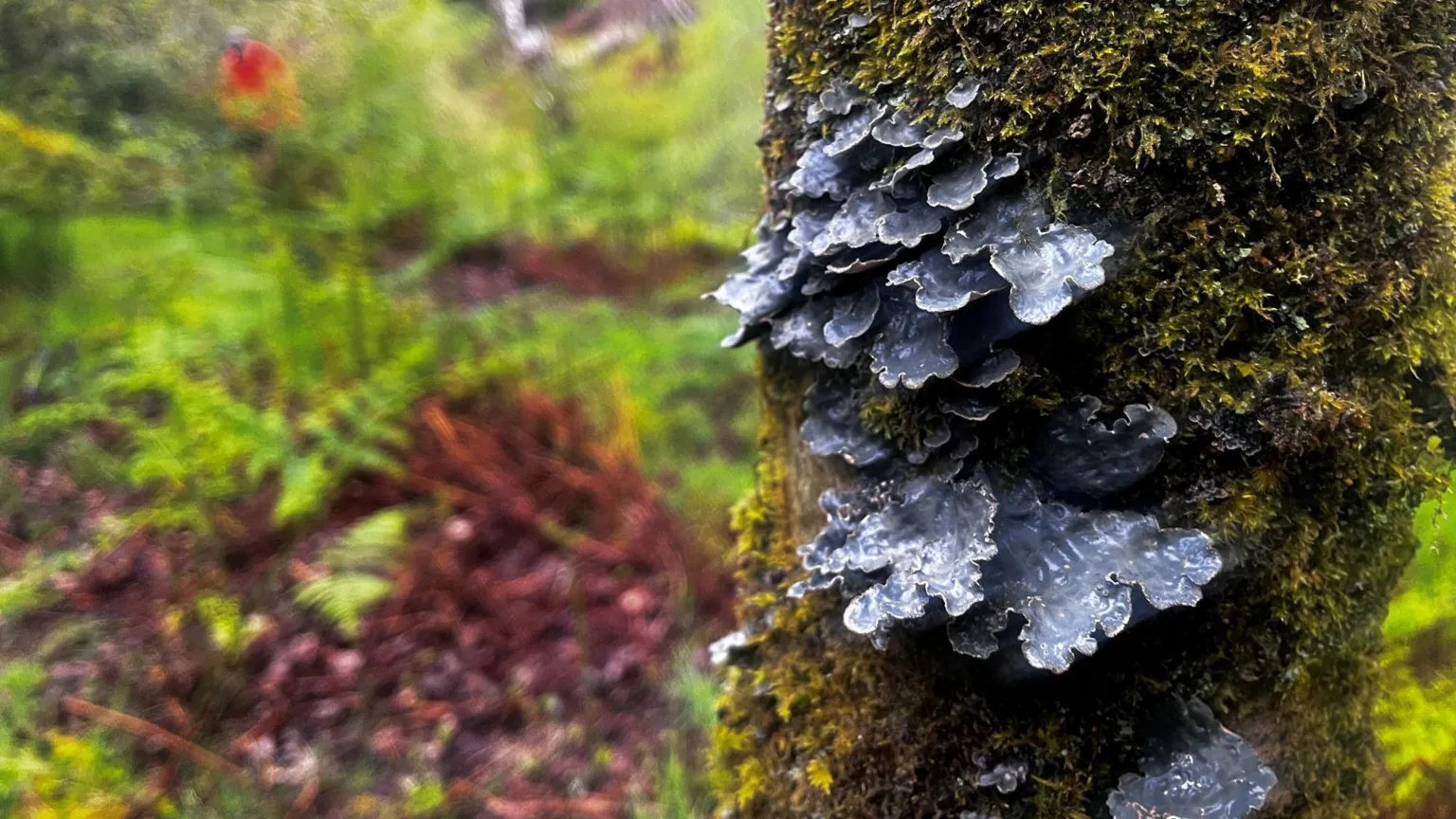
Glow worms, slime moulds, and rare lichens are among 1,109 species identified in a single area of Scotland's rainforest. These findings were recorded on the West Cowal peninsula by the Argyll Countryside Trust (ACT) during the first comprehensive survey conducted in the region in fifty years.
Citizen Science Project and Biodiversity Baseline
The survey forms part of a citizen science initiative aimed at enhancing understanding of the role temperate rainforests play in supporting biodiversity. The project seeks to establish a baseline inventory of the species thriving in these environments.
This effort coincides with the Scottish government's preparations to introduce new targets focused on restoring nature, which has experienced significant decline.
Scotland's Temperate Rainforest Environment
NatureScot estimates that Scotland contains approximately 30,000 hectares of rainforest considered to be of international importance. The region's high rainfall and relatively mild year-round temperatures create favorable conditions for rare lichens and mosses.
Ian Dow, ACT rainforest manager, emphasized the global significance of the remaining rainforest pockets, noting that they are even rarer than tropical rainforests such as the Amazon.
"The high levels of biodiversity and the complexity that we have in our temperate rainforest sites are hugely significant," he said.
"And biodiversity is ultimately the liferaft that we all float on."
Use of Technology in Species Recording
Volunteers participating in the project utilize a mobile application to photograph, log, and record species encountered during forest explorations or casual walks. The app also captures GPS locations of sightings. Artificial intelligence tools provide initial species identification suggestions, which are subsequently verified by experts.
This technology enables faster and more comprehensive identification compared to previous surveys, which date back to the 1970s and were incomplete.
To date, 171 volunteers have contributed over 3,400 records.
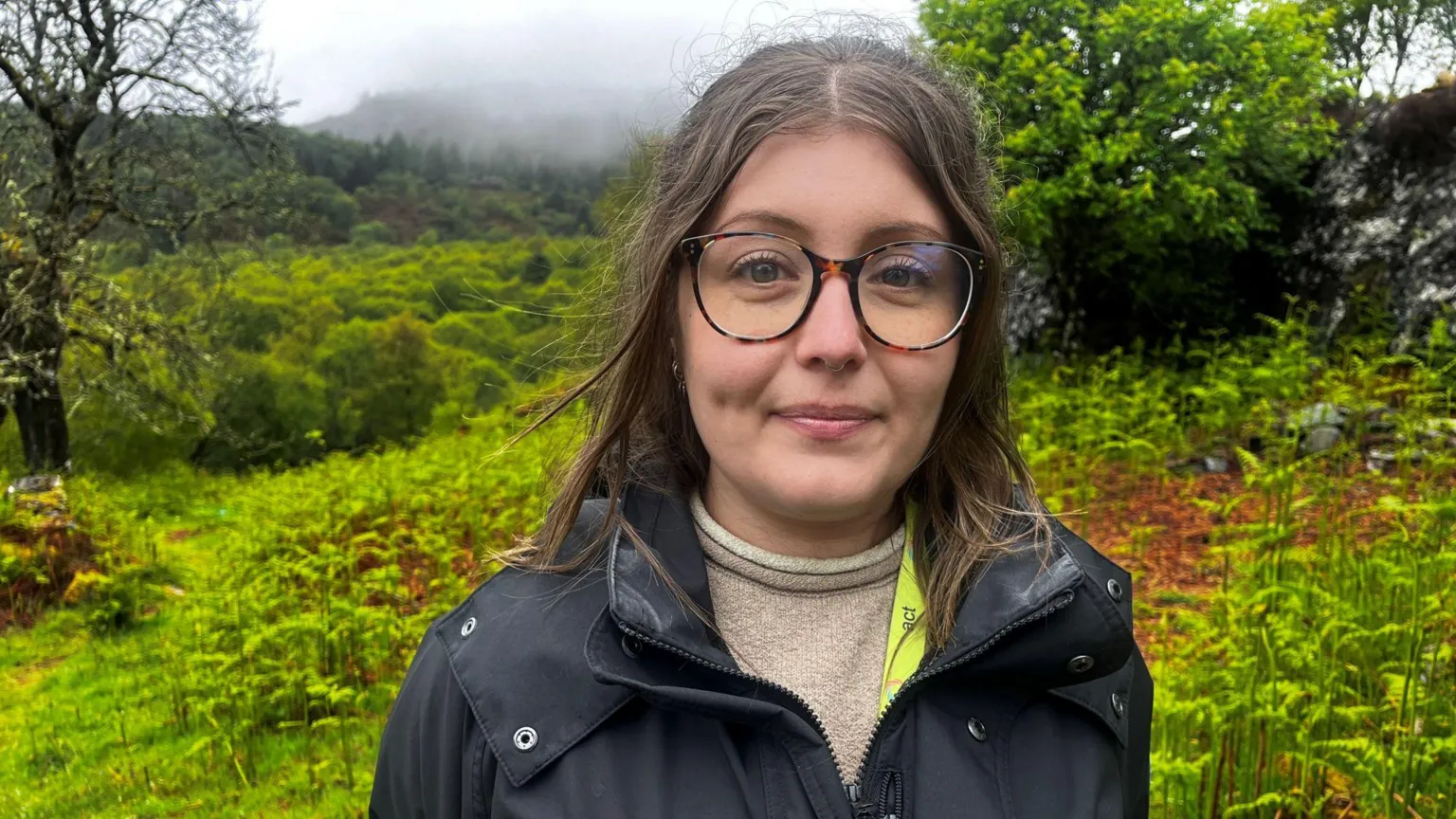
Heather Morrison, volunteer coordinator, highlighted that the extensive data collection will assist in identifying areas suitable for conservation.

"It helps us find fragments of rainforest that we maybe didn't know existed."
Threats to Scotland's Rainforest Remnants
The remaining temperate rainforests in Scotland face two primary threats: overgrazing by deer and the spread of rhododendron.
Deer overpopulation results in grazing on young plants and tree saplings, preventing them from reaching maturity.
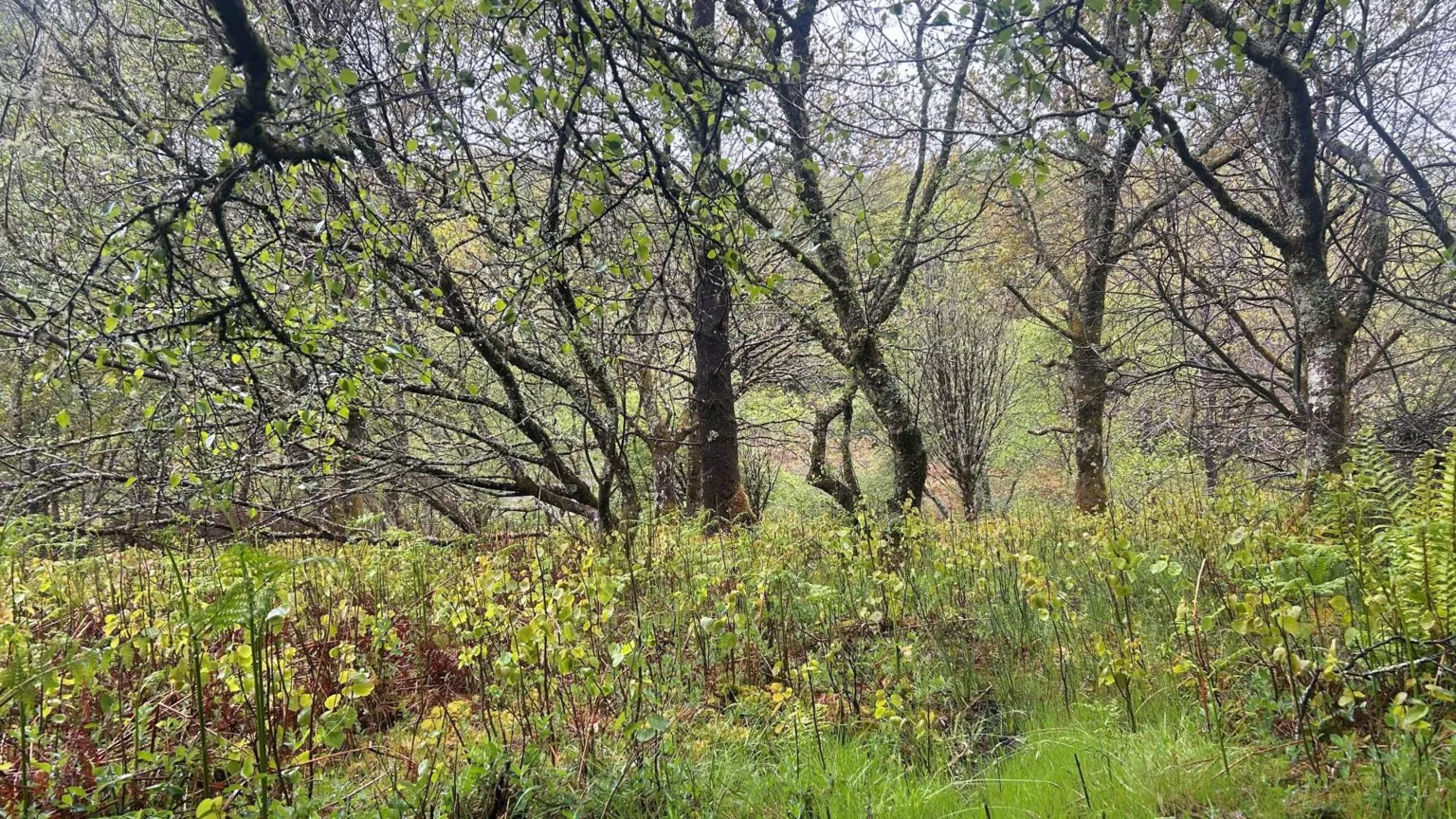
Within the West Cowal rainforest, carpets of young, slow-growing aspen trees—a relatively rare species that supports rich biodiversity when mature—are struggling to survive due to frequent browsing by deer herds.
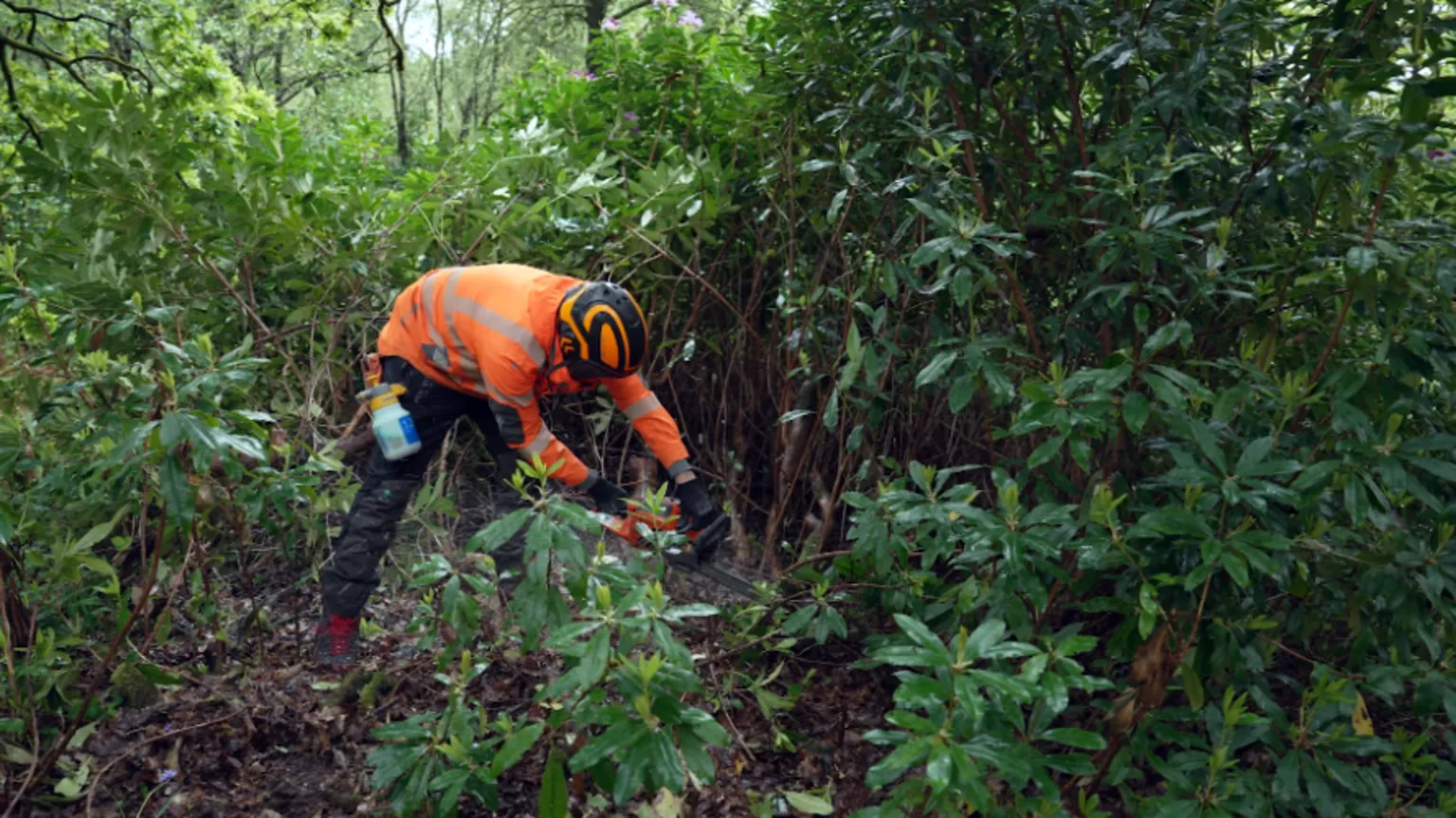
Rhododendron, a non-native shrub introduced as an ornamental plant during the Victorian era, has proliferated extensively across the north-west Highlands. It often dominates native species and woodlands.
Trees for Life has described the impact of rhododendron on native woodlands and biodiversity as "catastrophic," while the Alliance for Scotland's Rainforest reports that 40% of the rainforest area is affected by this invasive plant.
Year-round teams are engaged in cutting and eradicating rhododendron to enable the recovery of native woodlands and associated wildlife.
Scotland's Biodiversity Decline and Legislative Response
Scotland ranks among the most nature-depleted countries globally, positioned 28th from the bottom out of 240 countries and territories.
The 2023 State of Nature report documented a 15% decline in average species abundance since 1994. Species groups such as lichens, bryophytes (mosses), and flowering plants—well-suited to the rainforest environment—have experienced significant distribution declines since the 1970s.
In January, the Scottish Parliament enacted the Natural Environment Bill, which aims to halt and reverse biodiversity losses. The legislation mandates legally binding targets, to be detailed in secondary legislation, for the restoration of habitats including temperate rainforests.
Additional reporting by Julie Anne Barnes.