

Plans to Remove Whale Carcass from Anholt
Danish environmental officials are preparing to remove the carcass of a humpback whale from the island of Anholt amid concerns about potential health risks.
The whale was discovered last weekend, two weeks after a private rescue attempt aimed at saving the humpback that had been stranded for several weeks along Germany's Baltic Sea coast.
"It's around 20-30m (65-100ft) from the beach but it's drifting along the beach,"said a woman on Anholt who wished to remain anonymous.
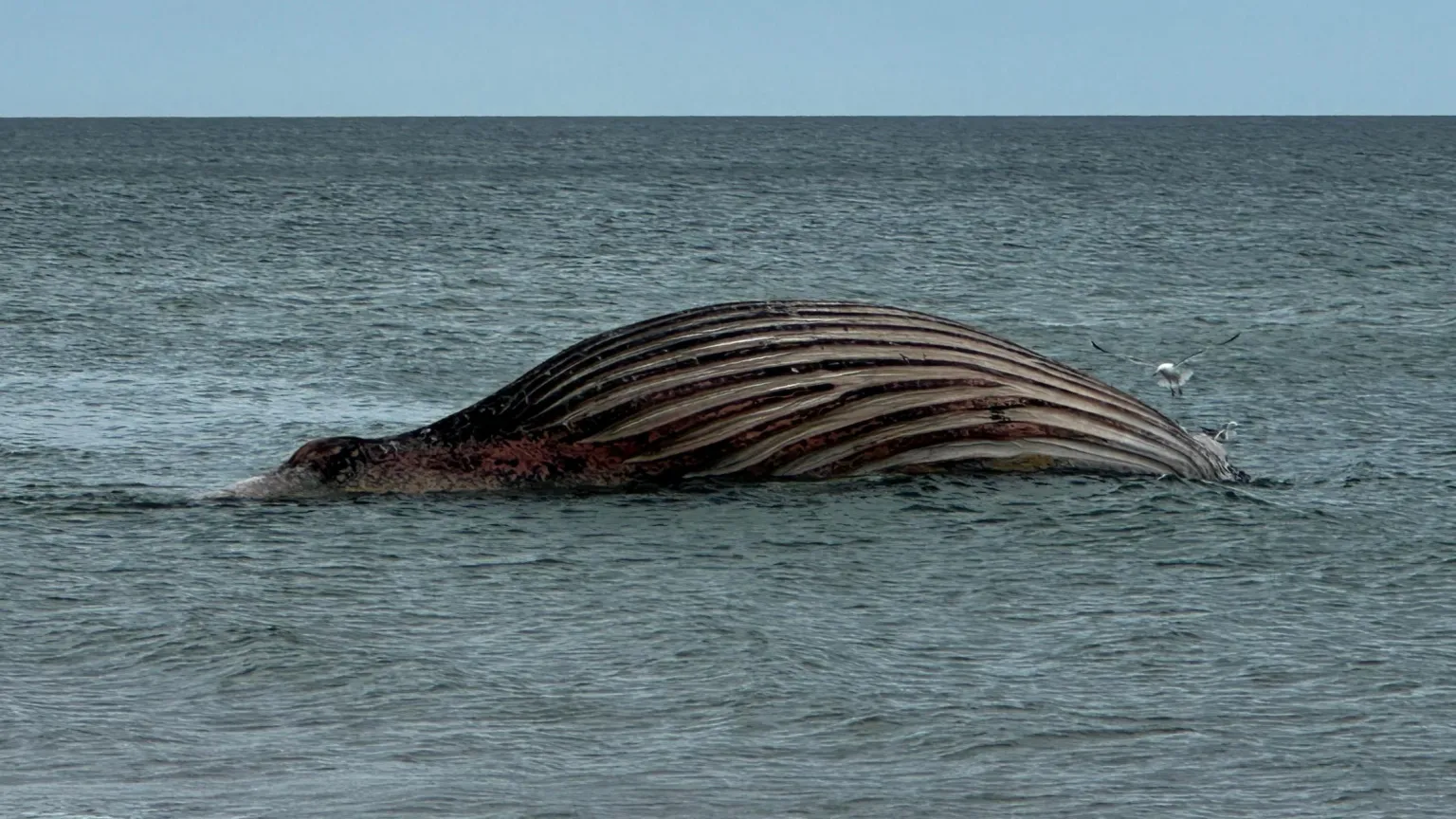
Denmark's environmental protection agency will also conduct a post mortem examination on the whale, which had been released in the North Sea some distance from Anholt.
The agency has advised island residents to avoid the carcass due to infection risks but has not specified when the removal will take place.
As of Wednesday, no update or timeline had been provided regarding the whale's removal. However, the agency previously stated that efforts were ongoing to find a solution that would facilitate both a post mortem examination and the collection of valuable scientific samples for research.
The whale's size has increased in recent days due to gas buildup as the carcass decomposes, prompting some islanders to express concern that it might explode.

"That's nature. I know some people are worried, but I'm not,"said the islander who spoke to the BBC.
Mystery Surrounds Whale's Arrival Near Anholt
The circumstances of how the whale ended up near the island off Denmark's East Jutland coast in the Kattegat strait remain unclear. The barge that transported the mammal from Germany released it approximately 70km (45 miles) from Denmark's northern tip.
The incident has captivated German audiences since early March, while islanders on Anholt have been puzzled by the sustained interest in the story.
Recently, some German tourists have visited the island to follow developments concerning the whale, which some media outlets have named "Timmy" after the sandbank where it first became stranded at Timmendorfer Beach. Others have referred to the whale as "Hope."
Background of Rescue Attempts and Whale's Condition
Two private entrepreneurs had attempted to save the whale, but German experts consistently warned that the animal was very weak and at risk of drowning. By early April, authorities had conceded that the whale's survival was unlikely.
The whale initially became stranded in Lübeck Bay, apparently entangled in netting. After an initial rescue attempt there, it swam further east along the Baltic Sea coast, eventually reaching the island of Poel. In late April, it was placed onto a barge and transported towards the North Sea.
There was initial uncertainty about whether the whale found near Anholt was the same individual released into the sea, but officials confirmed the presence of a GPS tracker on the humpback, which had been attached during the rescue efforts.


