Photographer Travels to Capture Bioluminescent Display in Wales
Paul Joels from Nottinghamshire undertook a journey exceeding seven hours to document a striking light display along a Welsh shoreline.
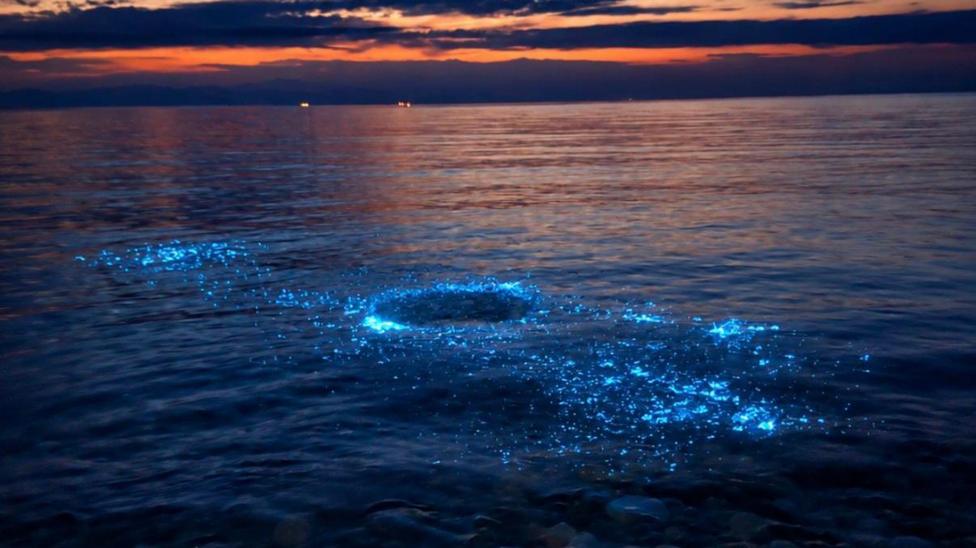
The captivating natural event, known as bioluminescence, was observed by visitors at Penmon Point on Anglesey on a Saturday evening.
Joels, aged 44, traveled from Nottinghamshire to photograph the "sparkles," joining other photographers and local residents in witnessing the phenomenon.
The bioluminescence is produced by plankton, microscopic marine organisms capable of emitting light when agitated by predators or movement in the water.
"It's a photography that I really love and enjoy, not just bioluminescent but nighttime photography,"Joels stated, acknowledging that some might consider his long trip unusual but emphasizing its value to him.
He noted that attempts to observe bioluminescence have yielded mixed results, requiring considerable planning and uncertainty about success, which he finds part of the experience.
The phenomenon has been described as "splashes" of "electric blue lightning" illuminating the sea.
Local Photographer's Success After Multiple Attempts
Charlotte Kite, 45, from Denbigh, has engaged in dark night photography for just over a year and had made at least five unsuccessful attempts to capture bioluminescence.

Her efforts culminated in success when she joined Joels and approximately six others on the beach following reports of sparkles observed the previous night.
Kite described their arrival at 23:00 BST and witnessing what she called splashes of "electric blue lightning" in the water.
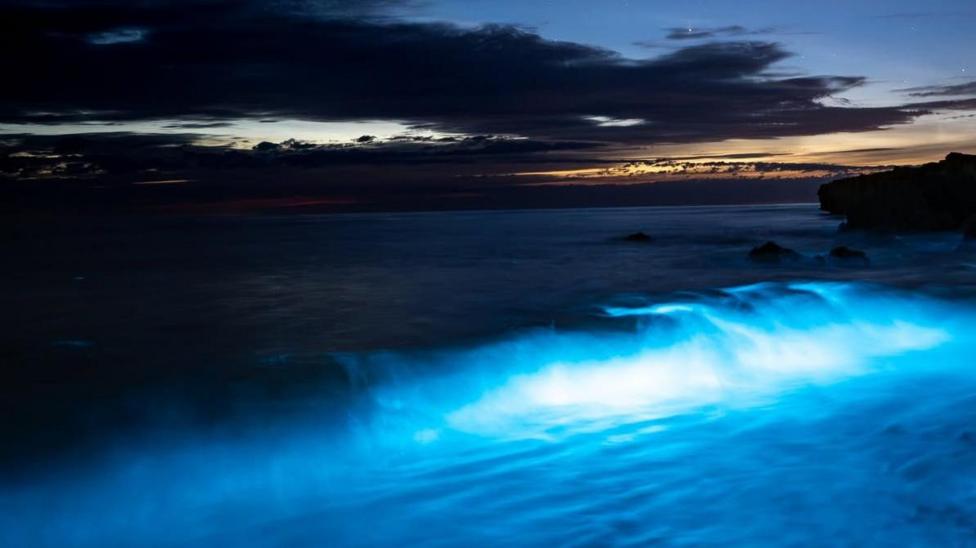
"It really is as bright as how it looks in the photos, it's not a camera trick,"she added.
What is Bioluminescence?
Bioluminescence refers to light produced by living organisms through chemical reactions within their bodies.
Plankton, tiny sea-dwelling creatures, emit this light when disturbed by predators or movement.
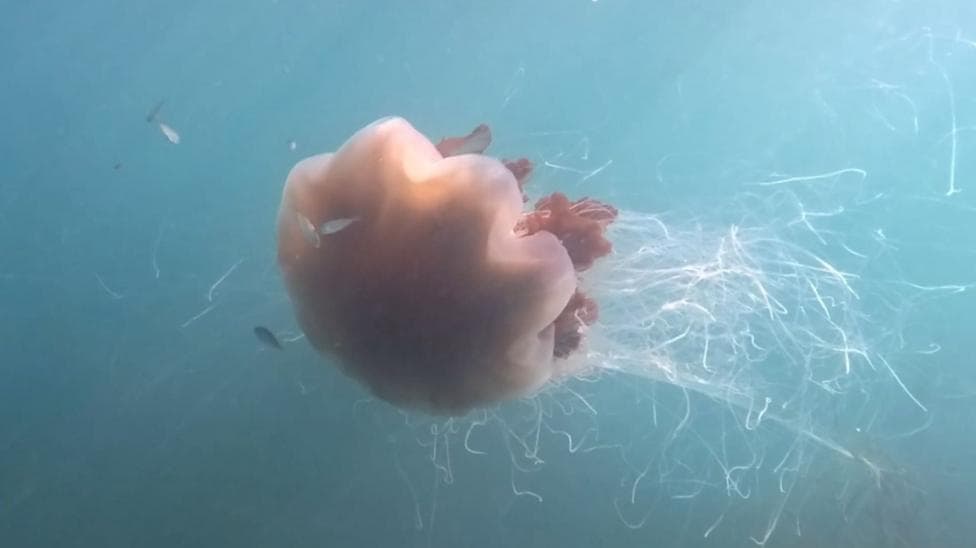
This ability is also found in certain squid and jellyfish species, as well as insects such as fireflies and glow-worms.
Each year, numerous spectators visit specific UK coastal areas to observe this phenomenon during nighttime hours.
Additionally, there are many social media platforms where enthusiasts share information about optimal times and locations to witness bioluminescence.
More Top Stories
- Wales breaks record for hottest June night
- A-listers dazzle locals after being spotted around Wales for new film
- Rare bird vanishes in 'Bermuda Triangle' area after harness deliberately cut