

Historic Release and Early Challenges
In March 2025, two licensed pairs of beavers were released into the wild without fences on a Dorset nature reserve, marking what the National Trust described as a "watershed moment in the history of the species." After a year marked by various challenges, one of these pairs appears to have finally settled into its environment.
However, following the death of one beaver last summer, conservationists continue to monitor the area in search of his mate. Over the past 12 months, conservationists and volunteers have learned to expect the unexpected in managing this reintroduction.
Despite extensive planning for the return of wild beavers to Studland, it was discovered that a pair of unlicensed beavers had already established themselves at Little Sea lake in 2024, the exact site chosen for the official release. This discovery had significant implications for Britain's first official wild beaver release.
Little Sea spans 33 hectares (80 acres), providing a spacious freshwater habitat. Nevertheless, the newly released beavers, placed away from the established unlicensed pair, were seemingly unwelcome in the area.
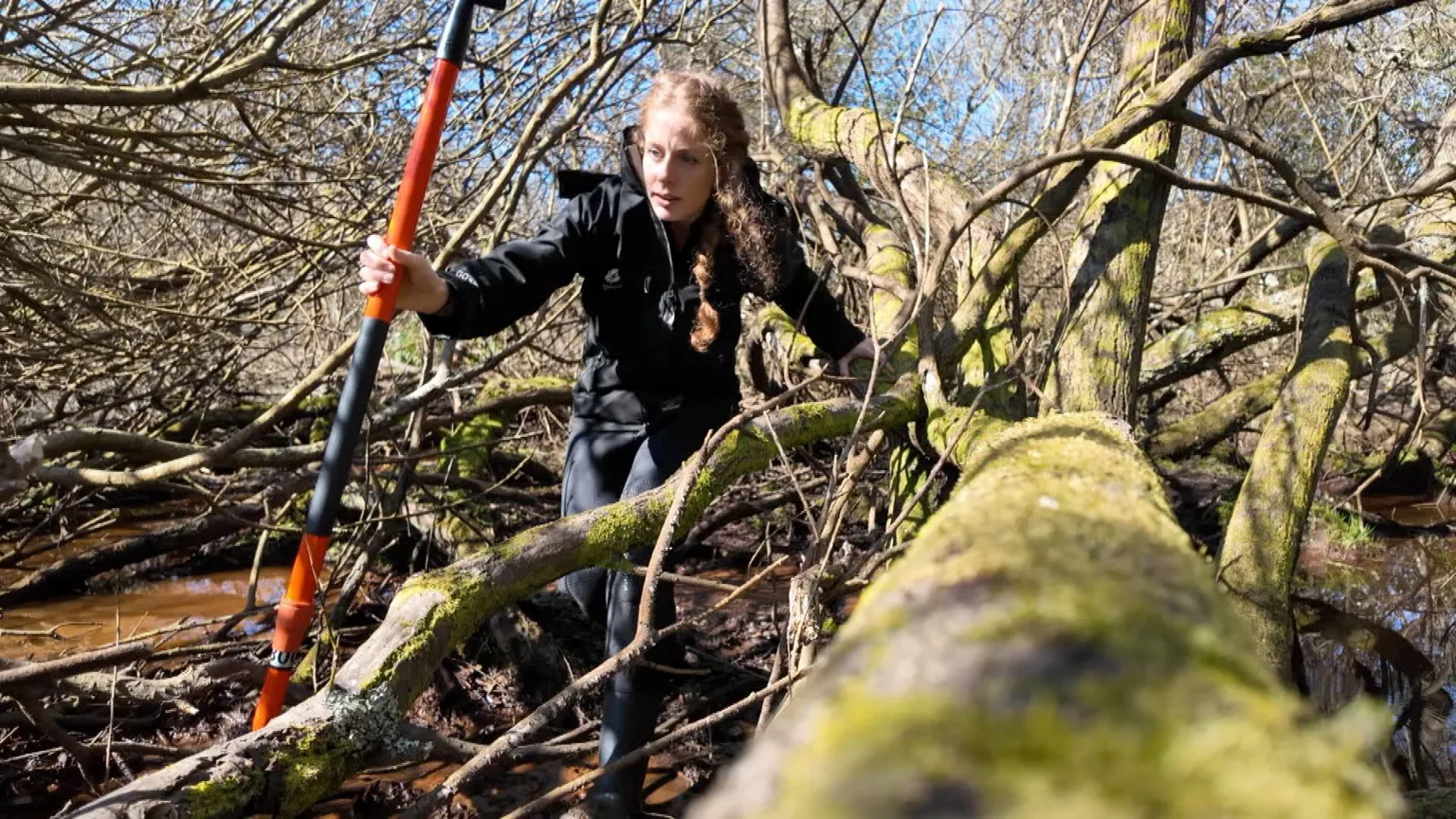
Territorial Disputes and Unexpected Movements
Beavers are highly territorial, and experts believe the original unlicensed pair may have pushed the new arrivals out, forcing them to seek alternative habitats. Unexpectedly, one female was spotted in Swanage, approximately 5km (three miles) away, near a stream by public toilets in the town centre, where she began establishing a home.
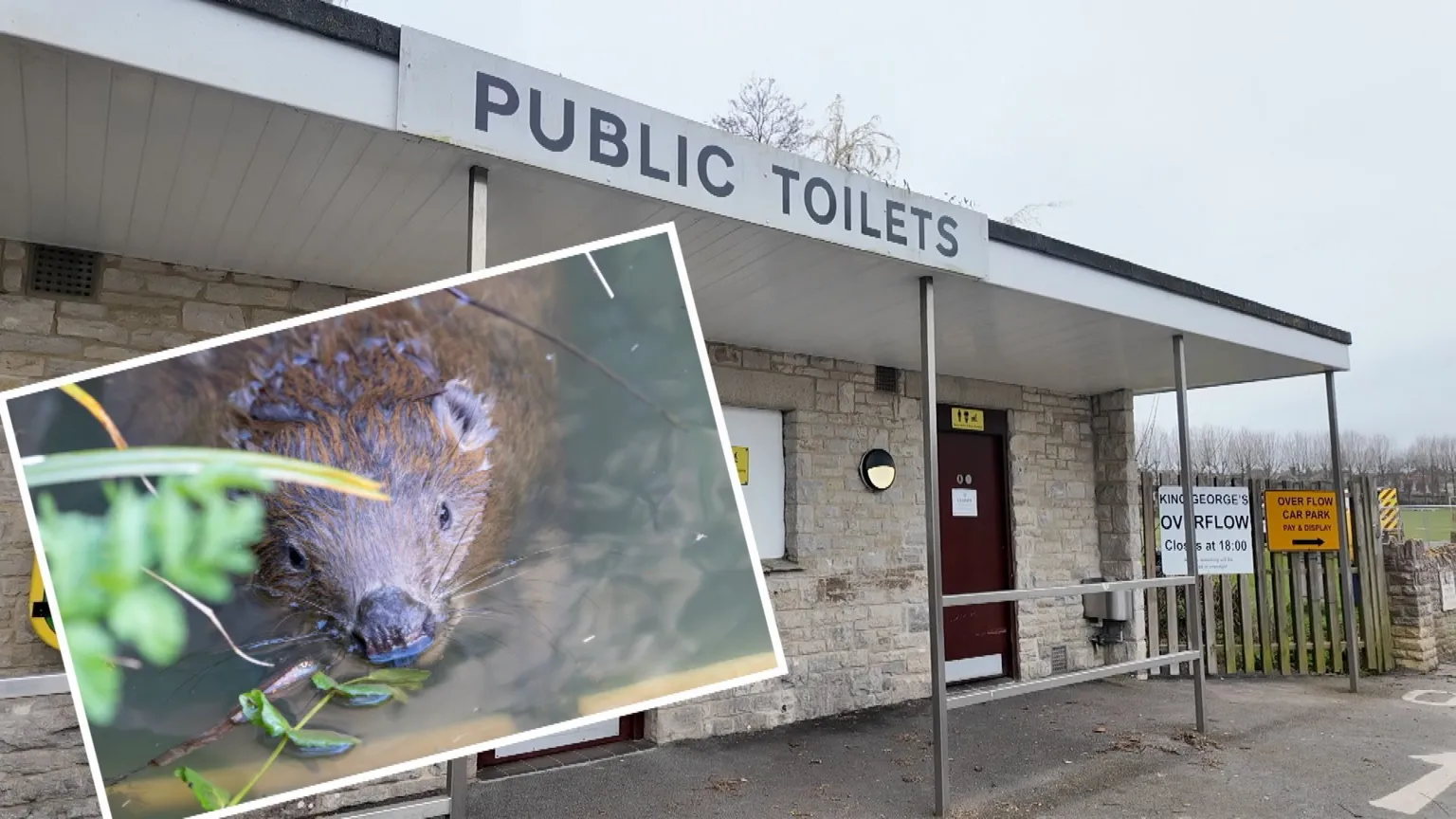
National Trust project manager Gen Crisford explained that the female likely swam around Old Harry Rocks on the Purbeck coast after leaving her lodge, possibly chased off by another beaver. Due to the risks and the location being outside the licensed area, the beaver was carefully recaptured and returned to Little Sea.
"In April we got a call from someone in Swanage saying they thought they'd seen a beaver - which was a big surprise," said Gen Crisford.
After reuniting with her mate, the pair quickly moved again, this time to a local "swimming pool" at the Studland sewage treatment works.

"That's not an ideal place for them to be, so we had to say sorry you can't stay there either so we kicked them out of there too," Gen added.
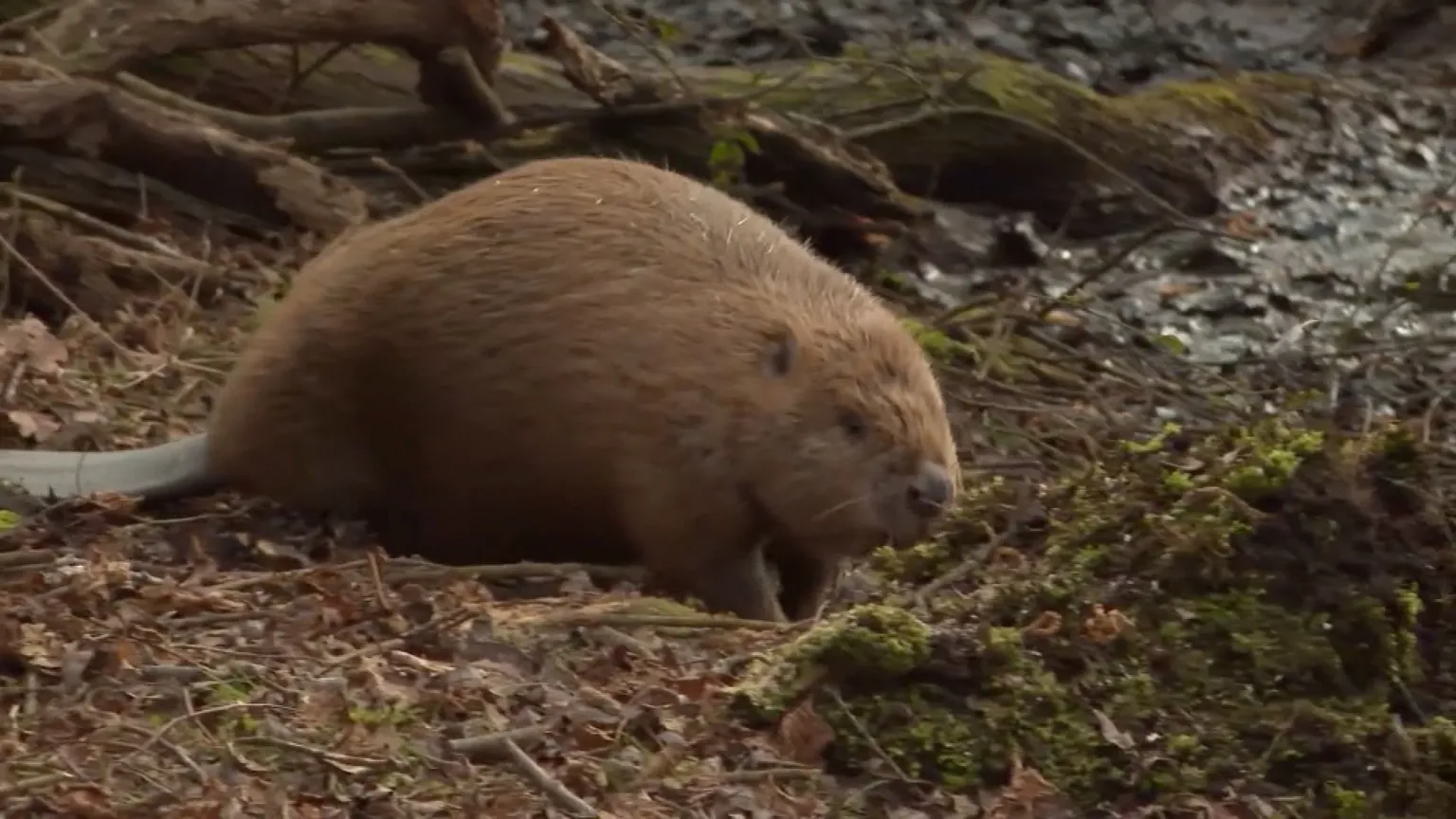
Finding a Permanent Home
Despite these relocations, the beavers eventually found a suitable habitat where they began to transform the landscape. While this was positive news for one pair, the other faced a tragic event during the warmest summer on record in the South.
With drought conditions causing water levels to drop at Studland, the remaining new pair in the northern part of Little Sea began searching for new habitats. Unfortunately, the male attempted to swim into the sea and did not survive.
"In July it seemed like these animals were looking somewhere else to go," Gen said. "Instead of finding one of the available wet habitats not far from there, unfortunately the male went to the sea and attempted a sea swim but didn't survive."
Efforts continue to monitor the area for signs of the female, who has not been seen since.
Habitat Transformation and Wildlife Interaction
The established beavers at Little Sea are thriving and raising kits, while the settled pair has created a new habitat at an undisclosed location away from their original release site. They have transformed a formerly shaded brook, enclosed by trees, into an open wetland area.
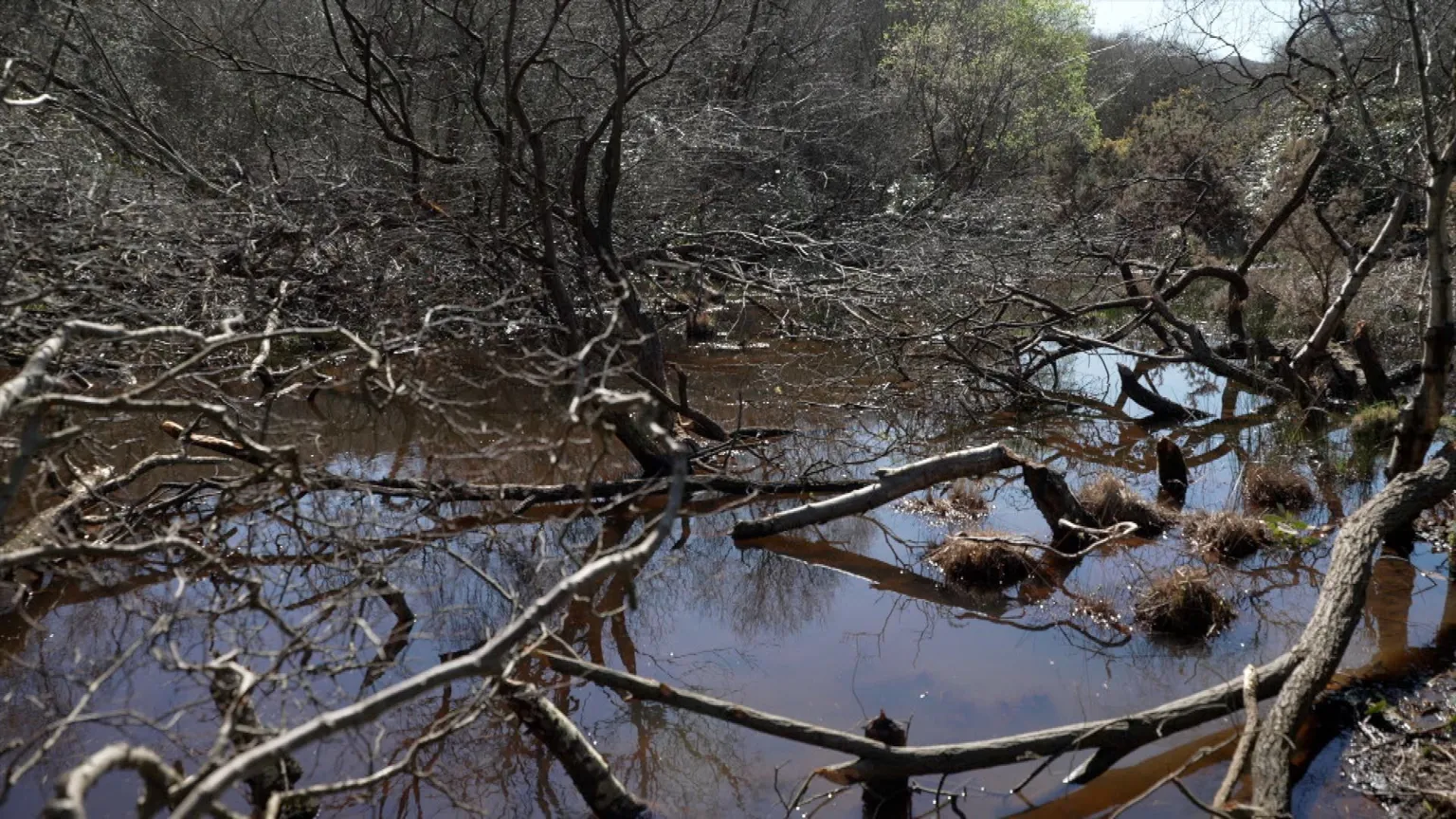
A 35m (115ft) long dam now holds back water, creating deeper channels that facilitate beaver movement. Tree stumps show clear signs of gnawing with visible teeth marks, and fallen trees are scattered throughout the area.
Trail cameras have recorded other wildlife inhabiting the area, including an otter, which the beaver pair appear to tolerate, and a barn owl hunting at the water's edge. Early this year, cameras also captured the beavers mating, raising hopes for kits this summer.
Looking Ahead
For Gen Crisford, the successful settling of the beavers and the habitat changes outweigh the earlier difficulties caused by the more unsettled pair.
"All things said it's been a really positive year," she said. "Obviously the death of one of the animals is something we're sad about.
"It isn't unusual for re-introduction projects and so I think we just have to take that in our stride and that won't stop us from continuing.
"So the next step is to look at our larger landscape and there are some other locations there where we'll be looking to do releases in the future."


