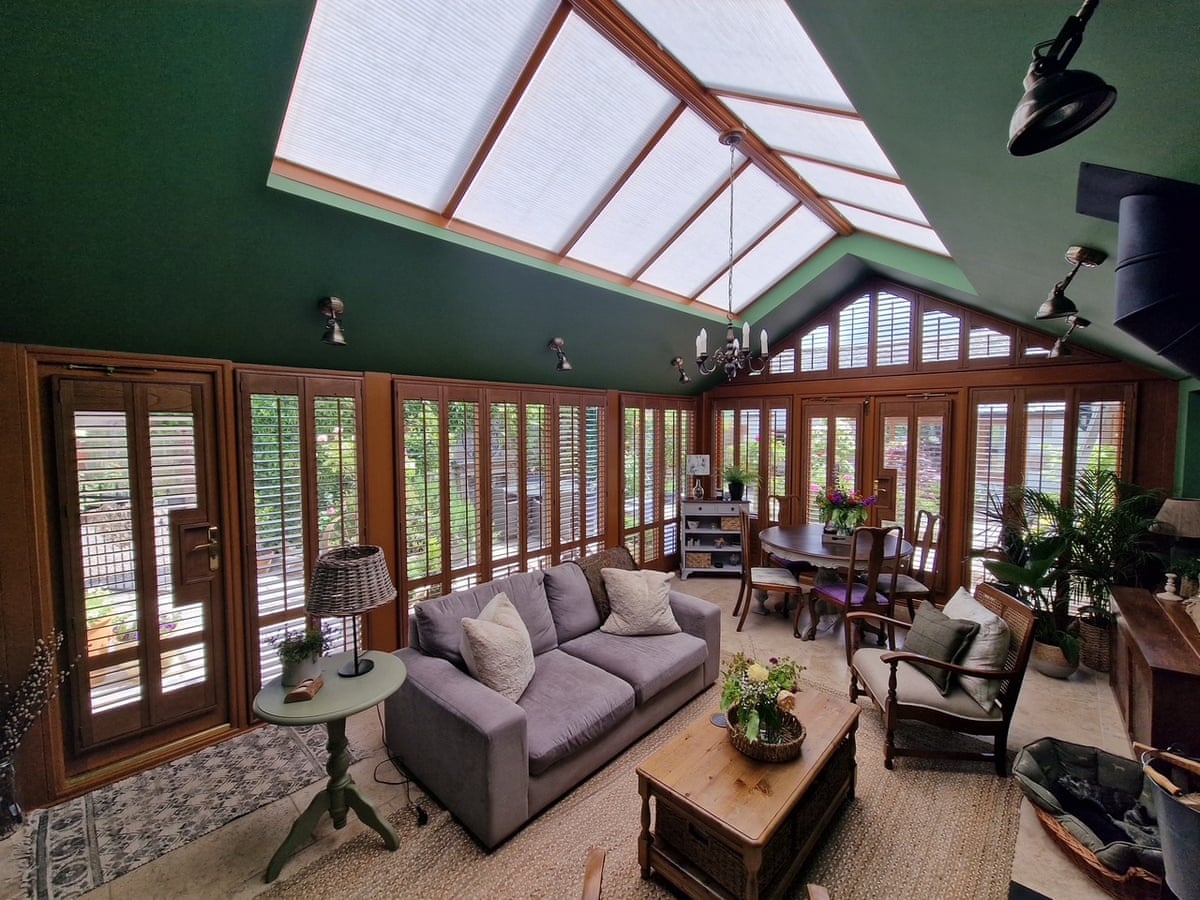
You can keep temperatures down without the cost – or environmental price – of air conditioning. Here’s some tips and tricks
The best fans to keep you cool in 2026 – tried and tested
In the UK, residents are accustomed to ensuring their homes stay warm, but after experiencing high temperatures in May and June, the focus has shifted to cooling homes ahead of the next heatwave.
While it may be tempting to replace a desktop fan with a portable air conditioner, there are numerous low-cost and more sustainable methods to prevent rooms from overheating.
Tom Greenhill, an engineer, environmentalist and author of the Passive House Plus website, says: “Air conditioning will cool the privileged but will not work for the many – or the environment.” He adds that even if one opts for an air conditioner, effective passive measures such as shading windows will enhance its efficiency.
Blocking the sun’s heat is essential.
“We don’t heat a building without insulating it so why are we cooling a building, whether that’s with a fan or air conditioning, without shading it first?”asks Stuart Dantzic, the British Blind & Shutter Association’s vice-president.
So where should you begin? Here are seven ways to block the sun. Some cost less than £10 and are ideal for renters, while others, like external blinds or awnings, represent a long-term, more expensive solution.
Start in the loft
To prevent overheating, the placement of shading is more important than the product itself. Shading installed on the outside of the glass can reject up to three times more solar heat than an equivalent blind installed on the inside.
For the greatest impact, cover skylights first as they receive direct sunlight for most of the day.
External shading is significantly more effective than merely closing curtains or internal blinds, according to Greenhill.
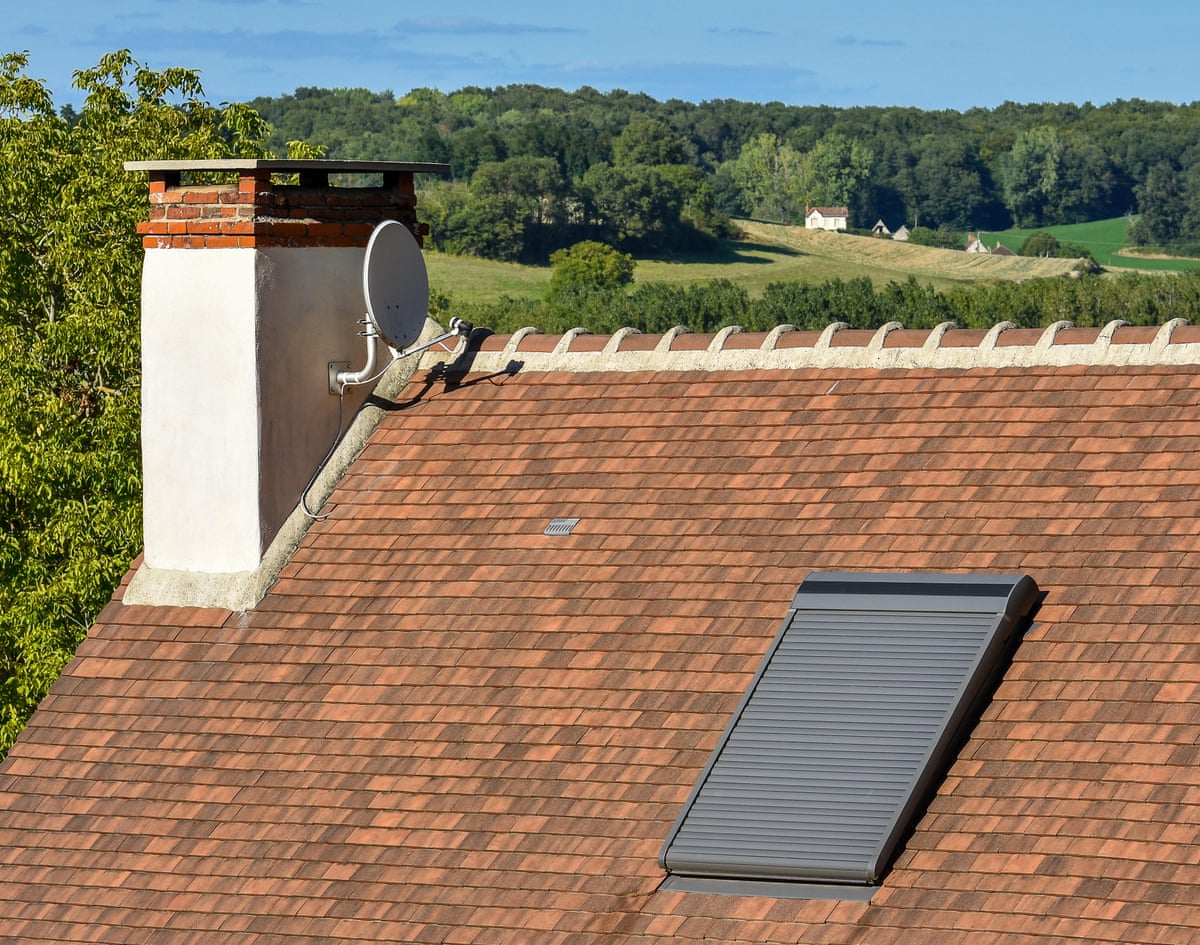
“My loft is exactly the same as my neighbour’s; we live in a Victorian terrace house and the same person built our lofts to the same standard,” he says. He purchased £80 Velux blinds and his space is cooler.
“I looked up the product code for our Velux roof window and ordered the corresponding awning blind. The one we needed was £80. Our roof window is within easy reach, so the cheapest, manual version was viable. I installed it within half an hour of DIY. Now, it takes 20 seconds to deploy or hide away as necessary.”
You can buy the blinds directly from Velux. A manual anti-heat blind promising the temperature will be “up to 4C cooler inside” costs £110 for a standard-sized window with delivery in 12-13 working days.
For the company’s more expensive anti-heat blackout shutters that “reduce solar heat by up to 5C indoors,” the price is £530 plus £166 for electric control, with delivery in 18-19 working days. Professional installation is required for these aluminium shutters.
If budget is limited or you are renting and cannot install blinds, a £5 fitted sheet from Ikea could be an effective alternative.
Exeter-based Bojana Bajzelj found that the skylights in her ground-floor extension matched the size of an Ikea king-size sheet. The £5 Bärglim sheet acts as a top hat over the light, reducing solar gain while allowing ample daylight due to its white and translucent nature. She estimates the kitchen is now 2C to 4C cooler, also eliminating the need to wear sunglasses indoors.
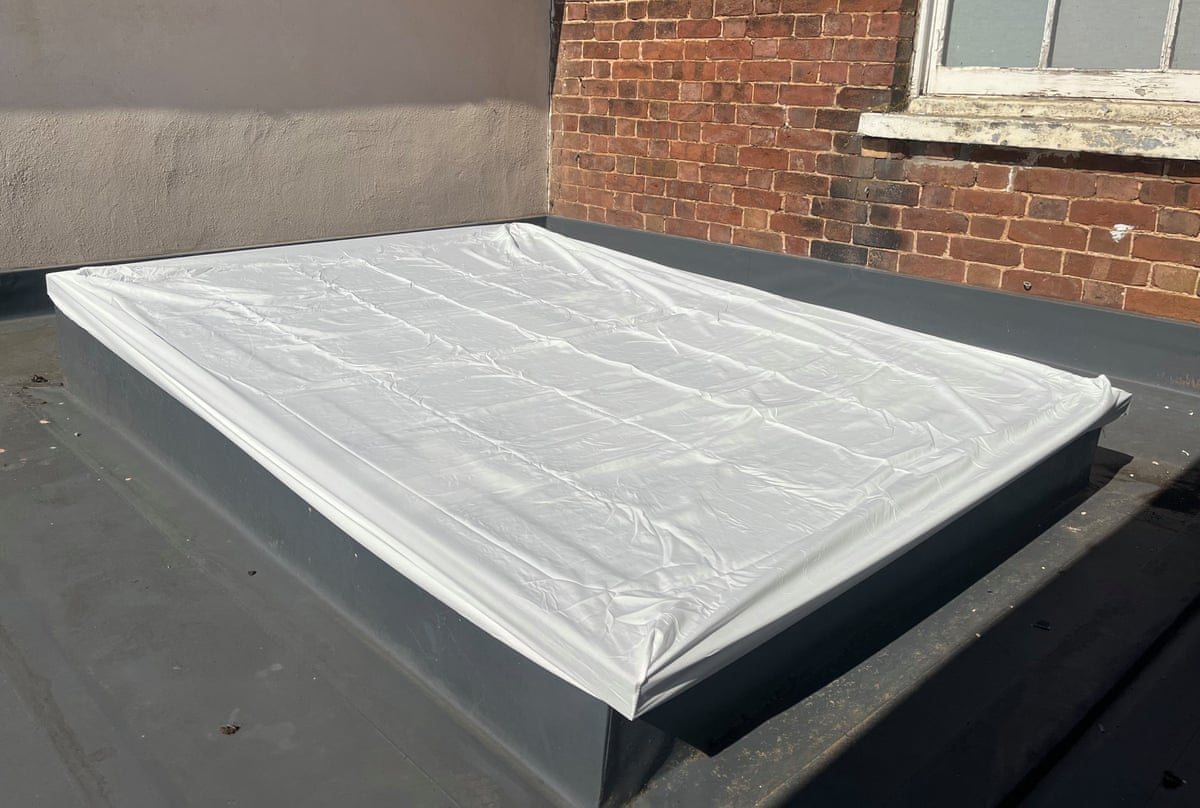
The most affordable solution is repurposing items you already own, such as old towels, curtains, or bedsheets.
“These are temporary but very effective measures. Give it a try before you invest in something properly designed for the job.”
Large bifold or patio doors have become popular, but windows act like one-way heat traps, warming kitchens or living rooms.
“If your home looks like a greenhouse, it will perform like one, too,”Greenhill notes.
However, there are clever solutions to try before investing in external blinds or awnings. If you prefer not to drape an old sheet over your extension, consider installing a solar sail—a sturdy fabric stretched between walls or posts.
Even for those less confident with DIY, this is achievable with stainless steel eyelets, carabiner clips, and a sail. Greenhill says:
“It will be super effective – that’s why you see it in streets across Europe. You can get something that looks really smart and well-designed for about £20.”
Prices vary widely; Dorset-based Kemp Sails, which traditionally makes yacht sails, now offers stylish shades starting at £136 for a one-metre by two-metre rectangle. For a more affordable option, Amazon offers various sizes and colours, including a two-metre by two-metre shade for under £20.

The advantage of this method over applying plastic solar-reflecting film to glass is that once winter arrives, you still benefit fully from heat and light through your windows. Most people who use film leave it on year-round.
Rig up a camouflage net
A cost-effective option is a camouflage net, which can be draped over windows or skylights or used as a makeshift awning or pergola.
Available on Amazon for about £10 in various sizes and patterns, it blocks a significant portion of direct sunlight while allowing daylight and ventilation.
It can be secured with zip ties, and doubling it over increases sun blockage. Shade cloth used for protecting plants is another useful material; it is a mesh that allows visibility while providing shade.
Clip shades on sashes
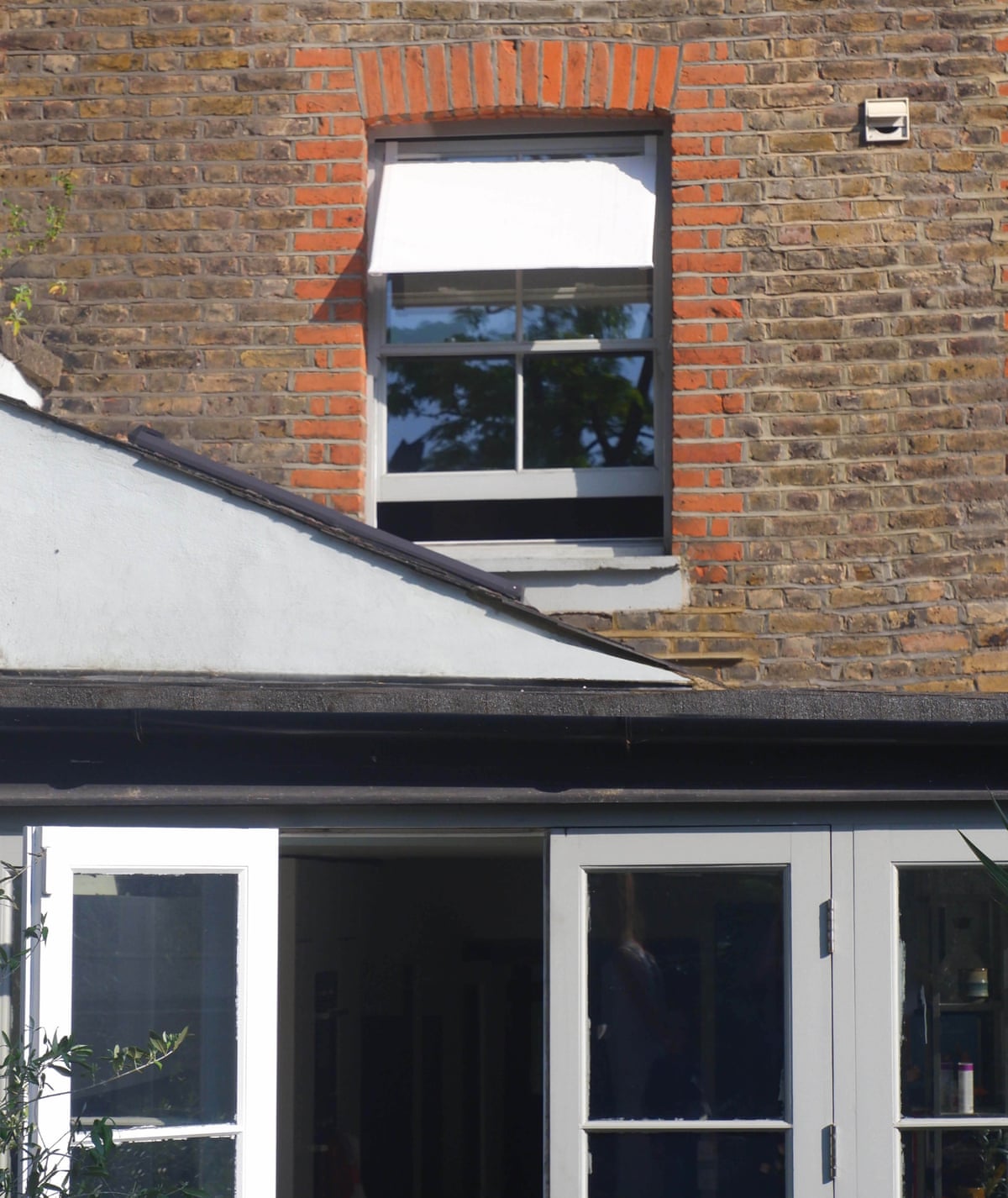
Following a heatwave in June during which neighbours with a baby were hospitalized due to heat-related illness, Greenhill recommended they purchase Shaded’s £89 mini awnings that clip onto windows. These are fitted from the inside and adjust to various window widths.
The product, created by company founder Aimée Daniels, has become popular and is currently sold out on the Shaded website. However, the small business expects restocking within two weeks and offers a 10% discount on purchases of two or more awnings.
Invest in external blinds
Although it may be too late to acquire external blinds for the upcoming hot spell, investing in them for future summers is advisable.
“External blinds and awnings don’t lower internal temperatures, they stop them rising,”says Dantzic, who runs Suffolk-based British Blind & Shutter Association, the UK’s largest manufacturer of external shading systems.
“When someone gets home and the property is already overheated, an external blind will stop it getting any warmer.”
He explains that an external roller blind is similar to an internal one, differing mainly in fabric type but operating on the same principle.
Costs depend on the size of the area to be covered. For an average set of bifold or patio doors, an external roller blind typically costs between £3,000 and £4,000. Adding a weather sensor for approximately £250 is recommended to enable automatic adjustment based on light levels, preventing overheating proactively.
“Sensors don’t add a lot of cost but having the blind do what it needs to, when it needs to is worth its weight in gold.”
Historically, Victorian shop fronts used awnings to shield customers from rain and sun, Dantzic notes. However, modern buildings are designed to retain heat with extensive glass, airtight construction, and insulation, making it difficult to expel heat once inside. Consequently, many resort to fans as a quick fix.
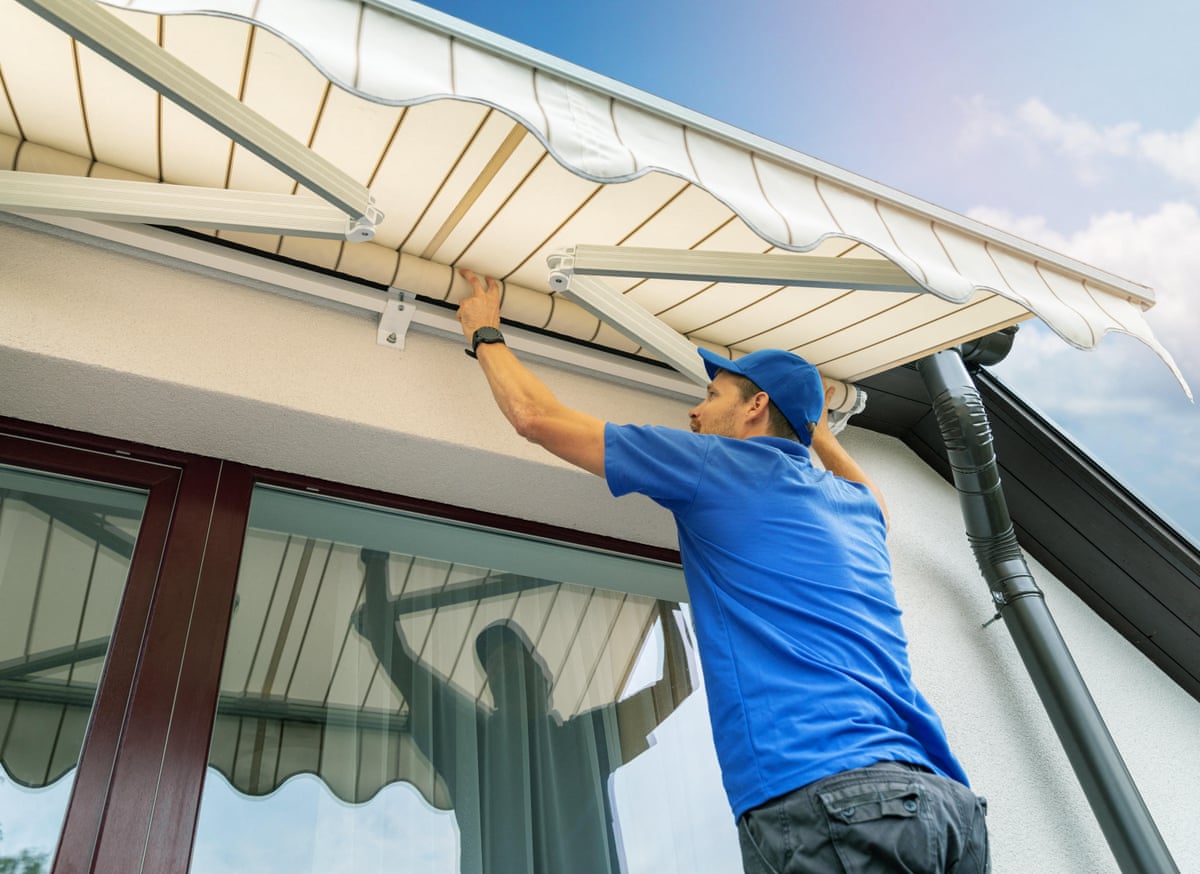
An awning offers more flexibility than an external blind.
“Because they project out from the facade you can still use your bifold or patio doors,”he says.
“You also have the added benefit that they provide an outdoor space that’s in the shade.”
However, awnings are more expensive, typically costing between £4,000 and £6,000 for coverage fitting a standard set of bifold or patio doors.
Get flash with shutters
Motorised metal shutters or manual wooden shutters on building exteriors are common in hotter climates and continental Europe. In the UK, interest is growing, says David D’Ambrosio, director of the Scottish Shutter Company, though they remain uncommon. The company sells external aluminium shutters but more frequently installs wooden interior ones.
The choice is not simply between inside or outside installation but depends on the amount of heat reduction required and budget. External systems are costlier due to greater exposure to weather and motorisation.
Scottish Shutter Company’s interior wooden shutters start at £550 for a typical 1.2-metre by 1.4-metre living-room window. On the same scale, external roller shutters cost around £1,100, and aluminium shutters about £1,450.
“External products work best when they’re incorporated into the build of the property,”D’Ambrosio explains.
He recounts a customer experience in Perthshire where solar heat gain was so intense that the plastic coating on their kitchen island was peeling. Initially, they wanted external shutters, but because the windows opened outward with no recess, internal blinds were installed instead for a neater and more cost-effective solution.