Environmental Plan Progress Under Scrutiny
Since its implementation in September 2024, Northern Ireland's Environmental Improvement Plan (EIP) has faced significant challenges in meeting its objectives, according to the UK's environment watchdog.
The Office for Environmental Protection (OEP) reported that out of 38 targets, only two—air quality and climate change mitigation—have seen good progress. Six targets have shown mixed progress, 27 have demonstrated limited progress, and three could not be assessed due to insufficient data.
The watchdog emphasized that the current rate and scale of efforts are insufficient to achieve the necessary changes for the plan's success.
Environment Minister Andrew Muir acknowledged the findings, stating that the assessments highlight the
"urgent need for sustained, evidence-led, fully funded action for years to come from across government".

Prof Robbie MacDonald, chief scientist at the OEP, noted that many measures required to meet the plan's goals are
"well within the reach"of the Northern Ireland Executive. He stressed the importance of transitioning from planning and strategy development to actual delivery of initiatives.
First OEP Report on the Environmental Improvement Plan
This report marks the OEP's initial evaluation of the EIP since its launch in September 2024. It acknowledges some progress in improving air quality and mitigating climate change.
Prof MacDonald remarked that these advancements demonstrate that
"difficult decisions can be made". However, he pointed out that while vehicle-related pollutants are decreasing, ammonia emissions continue to rise, indicating that progress is uneven.
He also highlighted a critical gap in the EIP: the failure to adequately address the deteriorating wastewater system.
Three Priority Areas Identified
The report identifies three main priority areas essential for the plan's success.
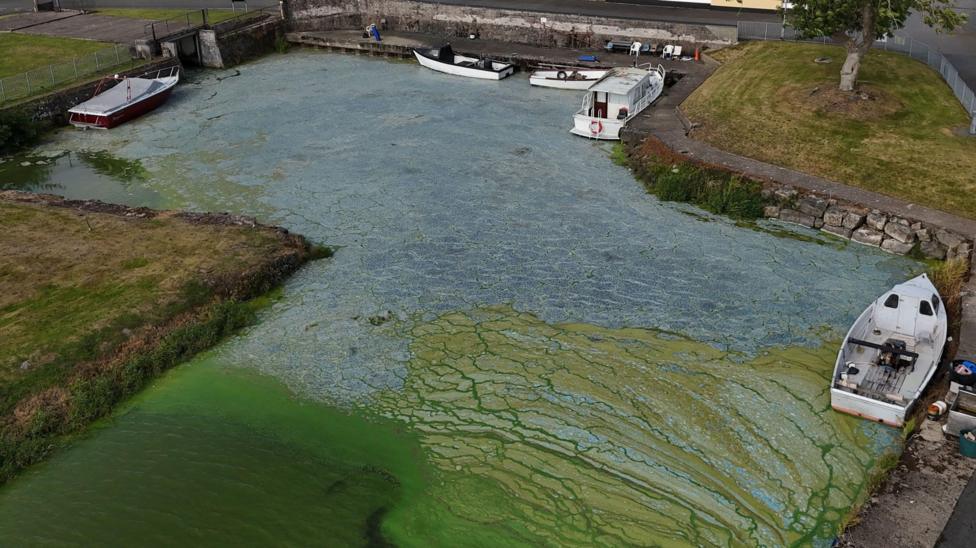
The foremost priority is tackling nutrient pollution, which is the primary cause of the blue-green algal crisis in Lough Neagh. The report describes nutrient pollution from agriculture and wastewater as
"a longstanding, severe and chronic problem that affects the economy, society and environment".

Addressing nutrient pollution is vital to achieving the EIP's targets related to air, water, and land quality, as well as nature recovery and climate change mitigation.
The second priority involves accelerating action on the circular economy, an approach focused on extending the lifespan of products to reduce waste. The OEP considers this essential to tackling the root causes of environmental degradation and biodiversity loss.
The third priority is ensuring nature's recovery. Northern Ireland is recognized as one of the most nature-depleted regions globally, with 12% of species at risk of extinction. The OEP emphasizes that restoration efforts and nature-positive land and sea use are crucial for achieving the EIP's strategic environmental outcomes.
Positive Examples and Hope for Improvement
Prof MacDonald cited successful collaborations between local communities and executive departments as encouraging signs.
He highlighted projects such as peat restoration in the Antrim Hills, which benefits water quality and nature recovery, and initiatives in the Lough Derg catchment where farmers are reducing herbicide use.
"So those small projects can be very successful and it shows that there is hope, things can be turned around if you put the right effort and the right resource into them."
Despite these successes, the report calls for urgent and sustained efforts, especially as some key targets for 2030 are rapidly approaching.
Government Response and Challenges Ahead
The Department of Agriculture, Environment and Rural Affairs (Daera) recognized ongoing
"serious challenges"in its first progress report released in January.
Daera Minister Andrew Muir acknowledged the complexity of the issues, stating
"there are no quick fixes for the wider issues threatening our environment."
He expressed optimism about collective action, saying,
"I am hopeful that we can collectively take the steps required to allow nature to recover with a change in perspective from everyone that recognises the importance of investing in environmental protection."
Muir emphasized the necessity of a
"collective endeavour across government, especially in relation to wastewater."