Collaboration to Protect Seagrass Meadows
Looe Harbour Commissioners and the Ocean Conservation Trust have collaborated to safeguard one of the largest seagrass meadows in the South West of England.
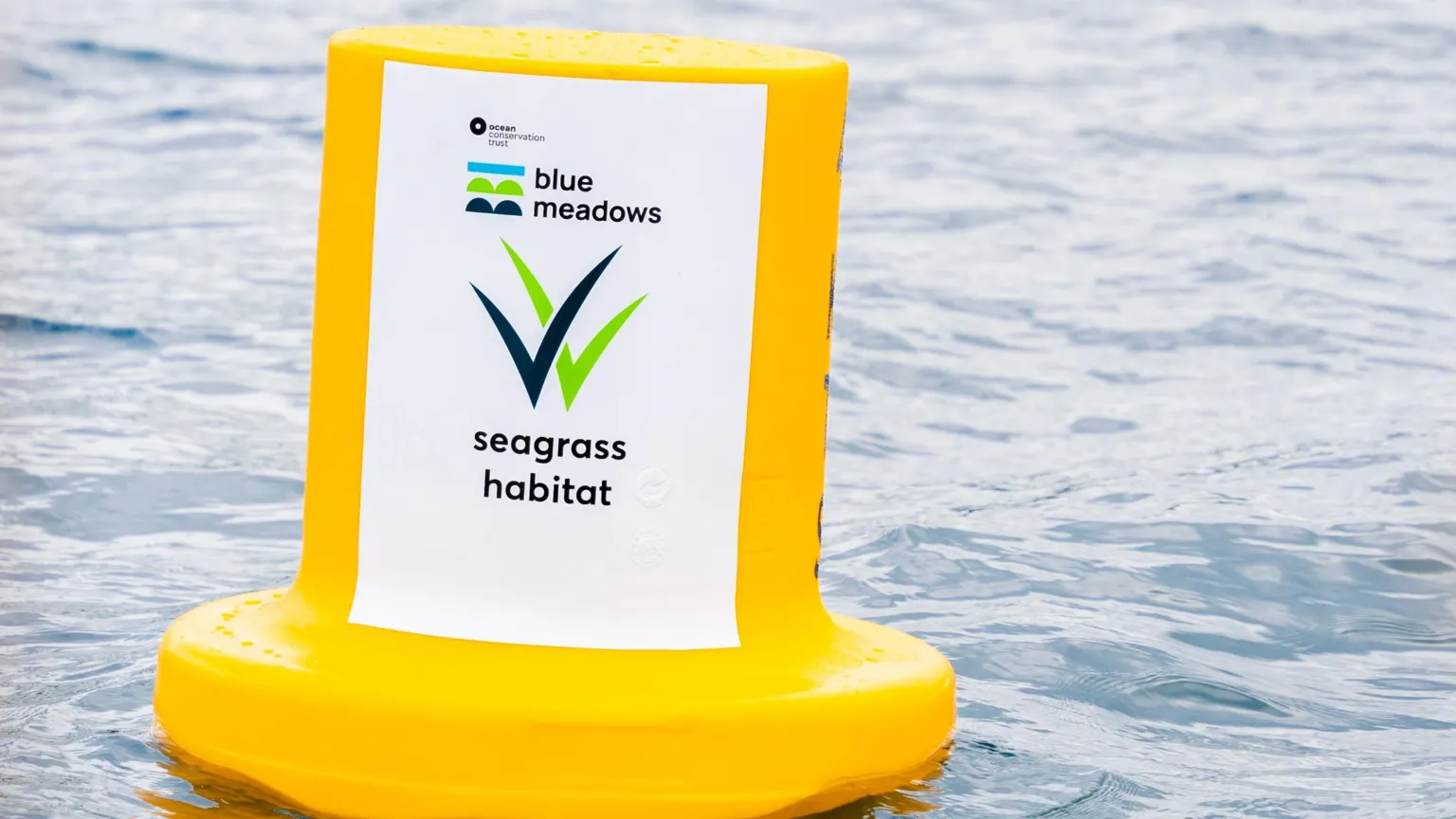
They have installed special sensitive habitat marker buoys in Looe Bay to highlight seagrass areas and protect this "remarkable" habitat, according to Eden Stevens from the Ocean Conservation Trust.
The buoys designate a voluntary no-anchor zone aimed at encouraging water users to avoid anchoring in these areas, thereby reducing seabed damage and protecting the declining seagrass habitats.
Advanced Mooring Systems Introduced
In addition to the marker buoys, three Advanced Mooring Systems (AMS) have been installed. These systems serve as a low-impact alternative to traditional anchoring by suspending chains above the seabed using mid-water floats, which helps prevent disturbance to sensitive habitats.

This initiative is part of the Ocean Conservation Trust's Blue Meadows programme, which operates along the south coast to protect seagrass ecosystems.
Importance of Seagrass Ecosystems
The trust emphasizes that seagrasses are capable of storing "vast amounts of carbon," support a diverse range of marine life, and contribute to stabilizing coastlines.
It is estimated that approximately 40% of the UK's seagrass has been lost since the 1940s. Factors contributing to this decline include pollution, anchoring disturbances, bottom trawling, dredging, and coastal development, the trust stated.
Local Support for Conservation Efforts
Looe Harbour Commissioner Dave Bond highlighted the significance of these efforts, stating:
"Protecting the seagrass is essential to the long-term health of our marine environment."
For further updates, follow BBC Cornwall on X, Facebook, and Instagram. Story ideas can be sent to spotlight@bbc.co.uk.