

Wildlife Trust Acquires Land for New Reserve
A wildlife trust marking its 100th anniversary has purchased land valued at £4.6 million that will be developed into a new nature reserve.
The Norfolk Wildlife Trust (NWT), originally founded by Dr Sydney Long in 1926 following his acquisition of 435 acres of marshland at Cley next the Sea, has announced the purchase of 336 acres of predominantly arable land at Wood Norton. This site is located near its existing Foxley Wood reserve. The acquisition was supported by a £3.8 million grant from the Natural England Nutrient Mitigation Scheme.
Eliot Lyne, the chief executive of NWT, described the project as "one of the most significant habitat creation projects" in the trust's history.
'Another 100 Years'
The trust plans to develop the newly acquired land into a diverse range of habitats, including new ponds, grasslands, hedges, trees, and wetlands, aimed at enhancing connectivity for wildlife.
"There are lots of challenges ahead.
It's not a secret nature is in trouble. We have done our bit over the last 100 years to preserve and protect these amazing sites and now what we need to do is restore and recover.
We need to have nature everywhere and we need to connect people with nature, we think we can do that.
We have been doing it for 100 years and we can do it for another 100 years."
Since its inception, NWT has expanded to manage 5,500 hectares of nature reserves.

Bernard Bishop, assistant warden at the trust, has witnessed this growth firsthand, continuing a family legacy that spans three generations.
He shared,
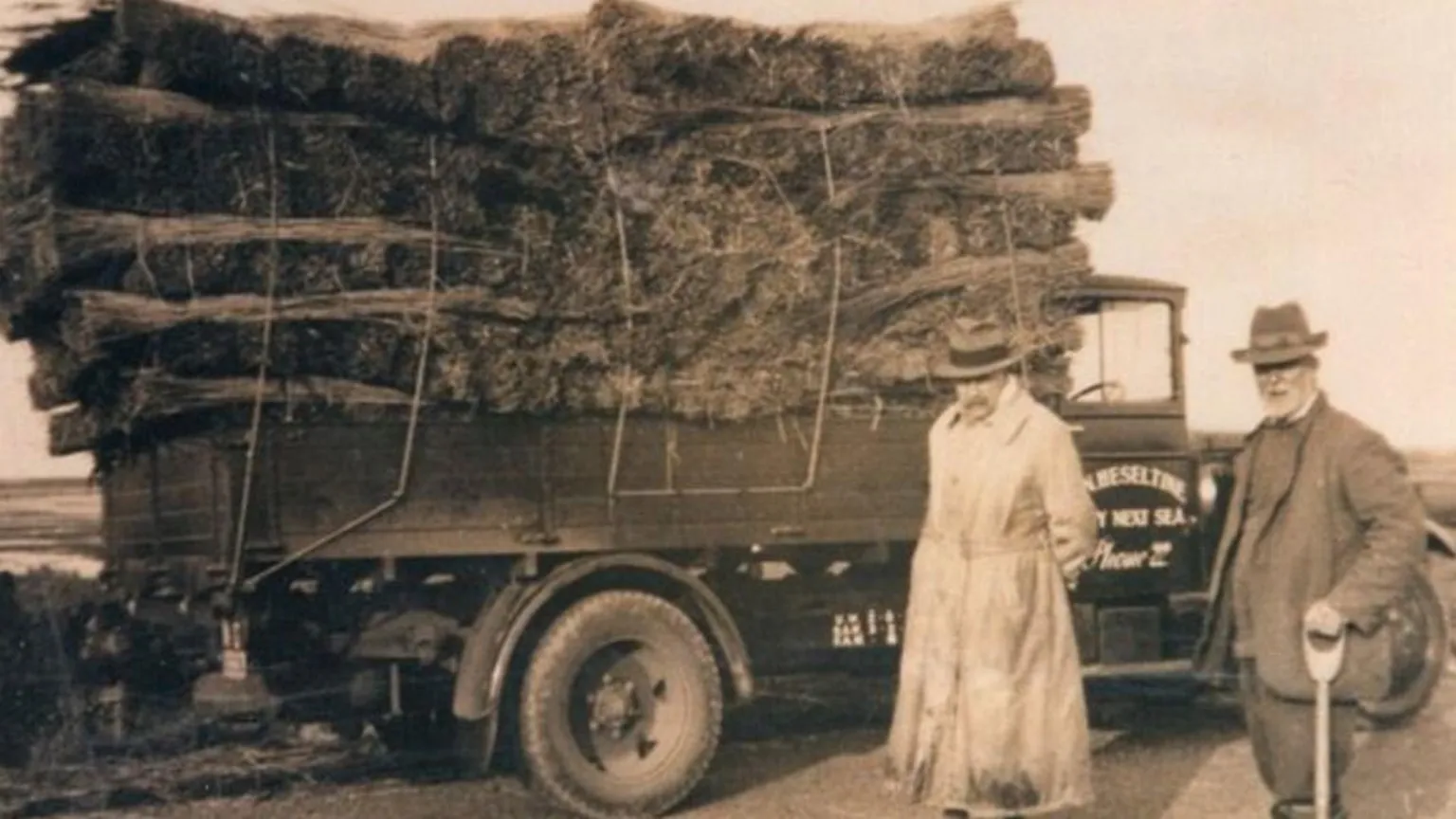
"One hundred years ago these marshes [at Cley] were purchased and my great-grandfather Robert Bishop was the keeper, or as they called it then, the watcher.
In the 1930s, he retired and my father was appointed the warden-cum-keeper, and then I started to work and get paid by the trust in 1972 as his assistant.
When he retired in 1979, I was lucky enough to become the warden here."
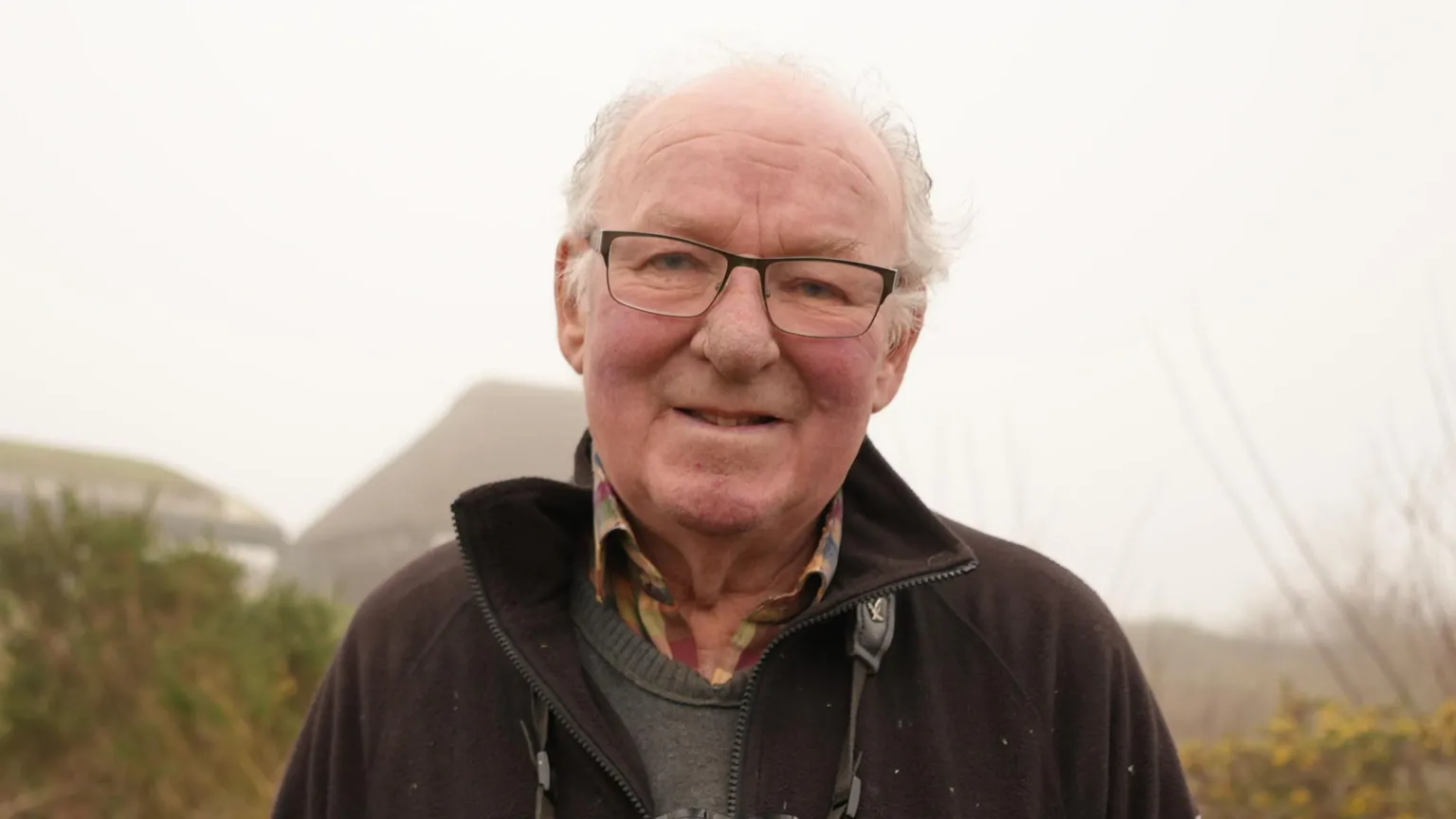
Bernard Bishop also recalled the early days of the Cley reserve issuing entry tickets, noting that his mother would distribute them along with tea or cake, and familiar visitors were often invited for lunch.
He reflected on the changes over more than seven decades,
"Nobody will ever see the changes I've seen in the 70-plus years I have been here - going from a few visitors to 130,000 people visiting the centre and becoming probably, dare I say it, maybe the most famous nature reserve in the country.
It's the foresight these people had. How did they see how it was going to become popular?"
For ongoing updates, follow Norfolk news on , Facebook, Instagram, and X.


