

Endangered European Eel Population to Receive Boost in Tees River
The numbers of endangered European eels in a river once affected by industry are set to increase due to a new conservation initiative.
The Eels of Steel project, supported by funding from Natural England, seeks to speed up the recovery of this fish species within the Tees catchment area.
Volunteers and staff from the Tees Rivers Trust expressed their hope to enhance eel populations by improving habitat conditions and reconnecting the public with this often overlooked species.
Importance and Perception of Eels
Ellie Ward, the project manager, emphasized the ecological significance of eels, stating they are "a critical part of marine, brackish and freshwater ecosystems" despite often being perceived as "gross and slimy."
"It is amazing to see how interested people become once they hear about their incredible life cycle," she said.
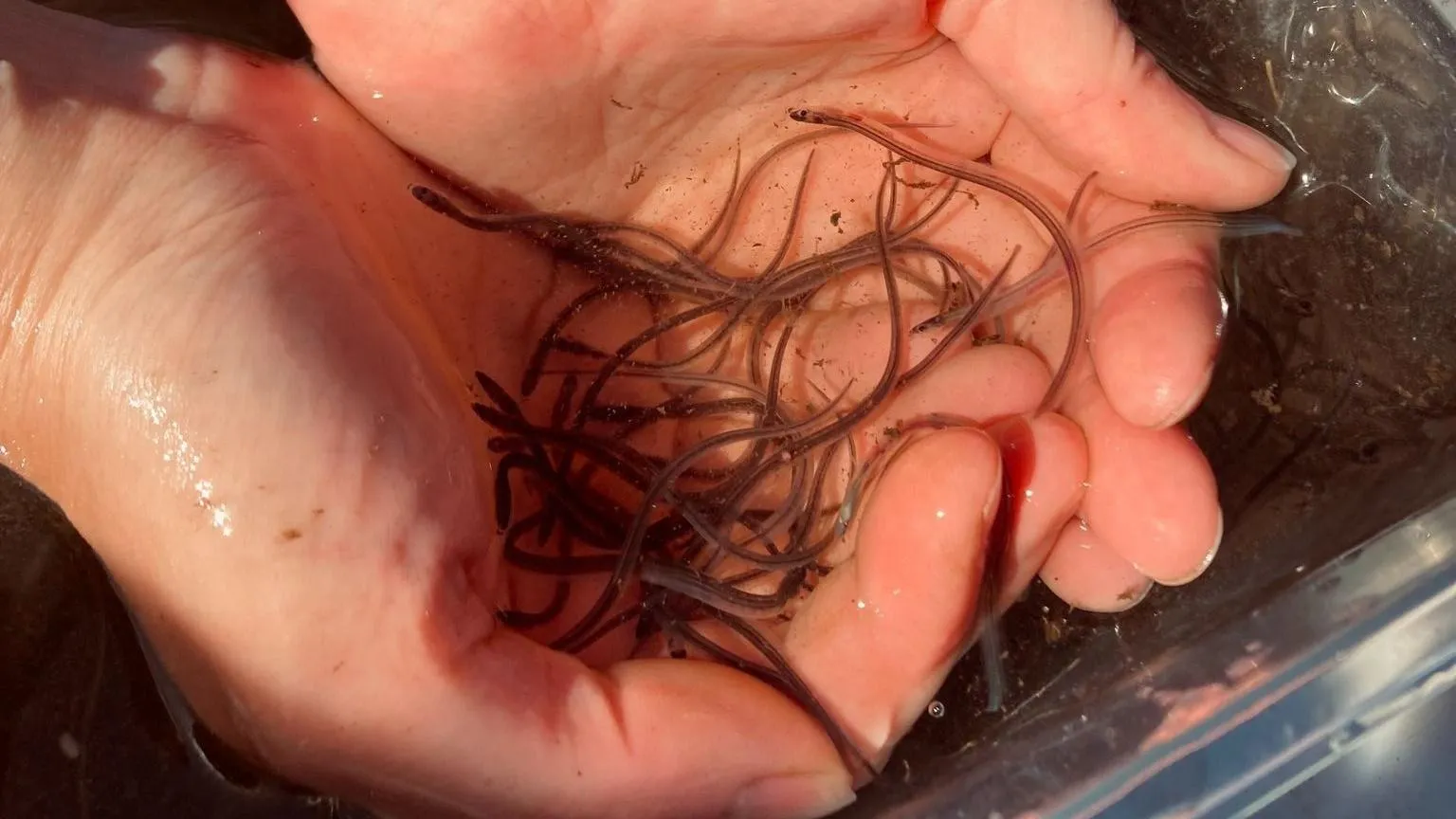
She further described glass eels as "mesmerising, almost translucent - an adaptation to oceanic migration."
Life Cycle and Monitoring
Glass eels, which are juvenile eels aged one to two years, have just completed their transatlantic migration from the Sargasso Sea.
The number of eels passing the barrage is monitored weekly from April through November, with counts and measurements taken regularly.

Population Decline and Conservation Status
Since the 1980s, the European eel population has suffered a decline of up to 98% across all life stages.
As a result, the species is now classified as critically endangered on the International Union for Conservation of Nature (IUCN) Red List of Threatened Species.
Complex Life Cycle and Migration Needs
The European eel has a complex life cycle, spawning in the Sargasso Sea in the North Atlantic Ocean before migrating to Europe.
They require unobstructed upstream and downstream river passages to find suitable hiding places and food sources.
Mature eels eventually undertake the journey back to the sea to reproduce.
Threats to Eel Populations
Ward identified several factors contributing to the population decline, including changing water temperatures, pollution, habitat loss, over-exploitation, and barriers to migration.
"We need eels, they are a critical part of marine, brackish and freshwater ecosystems," she said.
"They provide food for many other organisms including otters and bitterns."
Follow BBC Tees on X, Facebook, Nextdoor, and Instagram for updates.


