Longhorn Cows Released to Restore Dune Grasslands
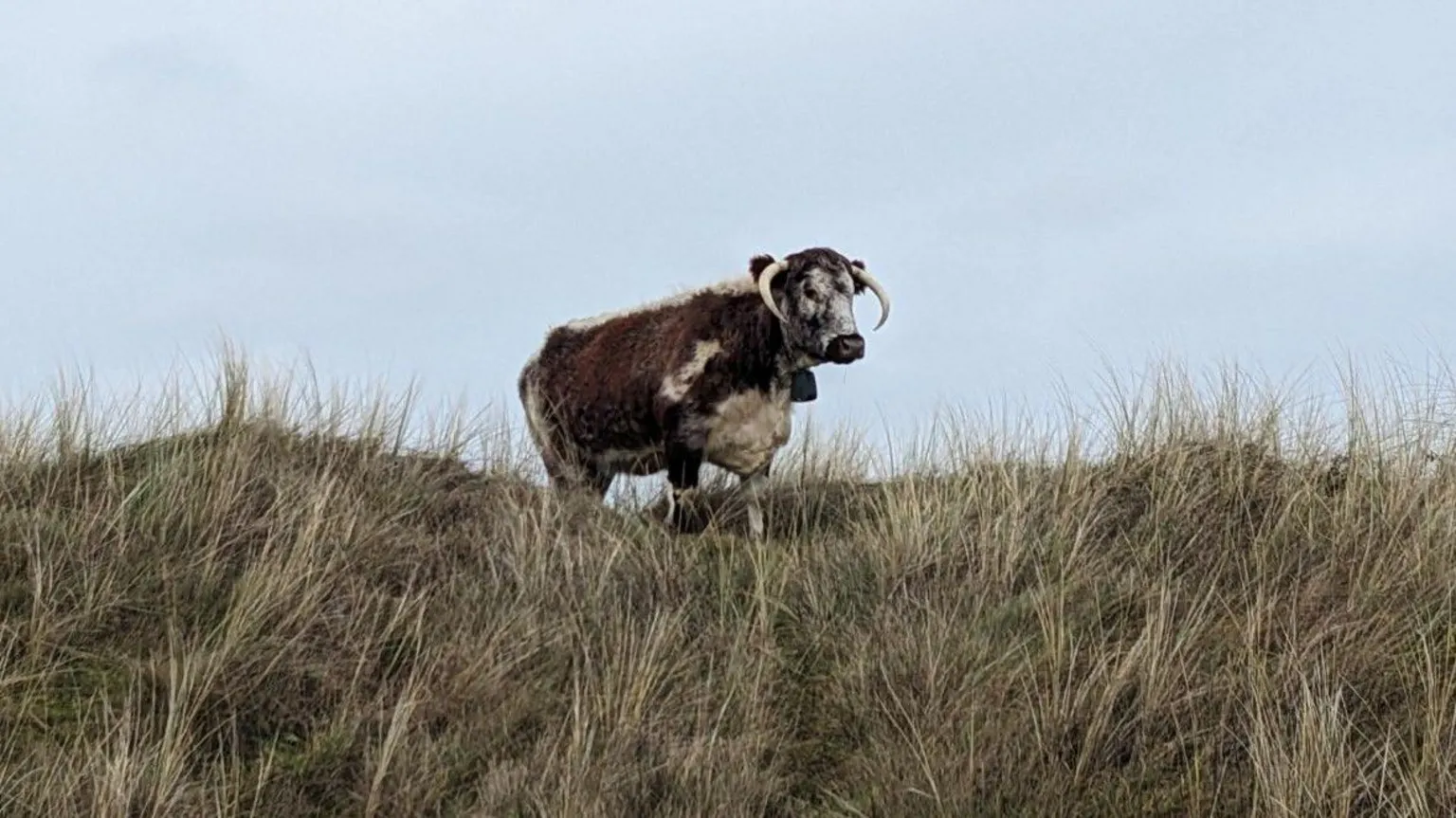
A herd of English longhorn cows has been allowed to roam freely to aid in the restoration of dune grasslands on the Sefton Coast in Merseyside.
The cattle were relocated to new pastures in Formby this winter to serve as natural lawnmowers, grazing on plants that might otherwise become dominant or invasive in the area.
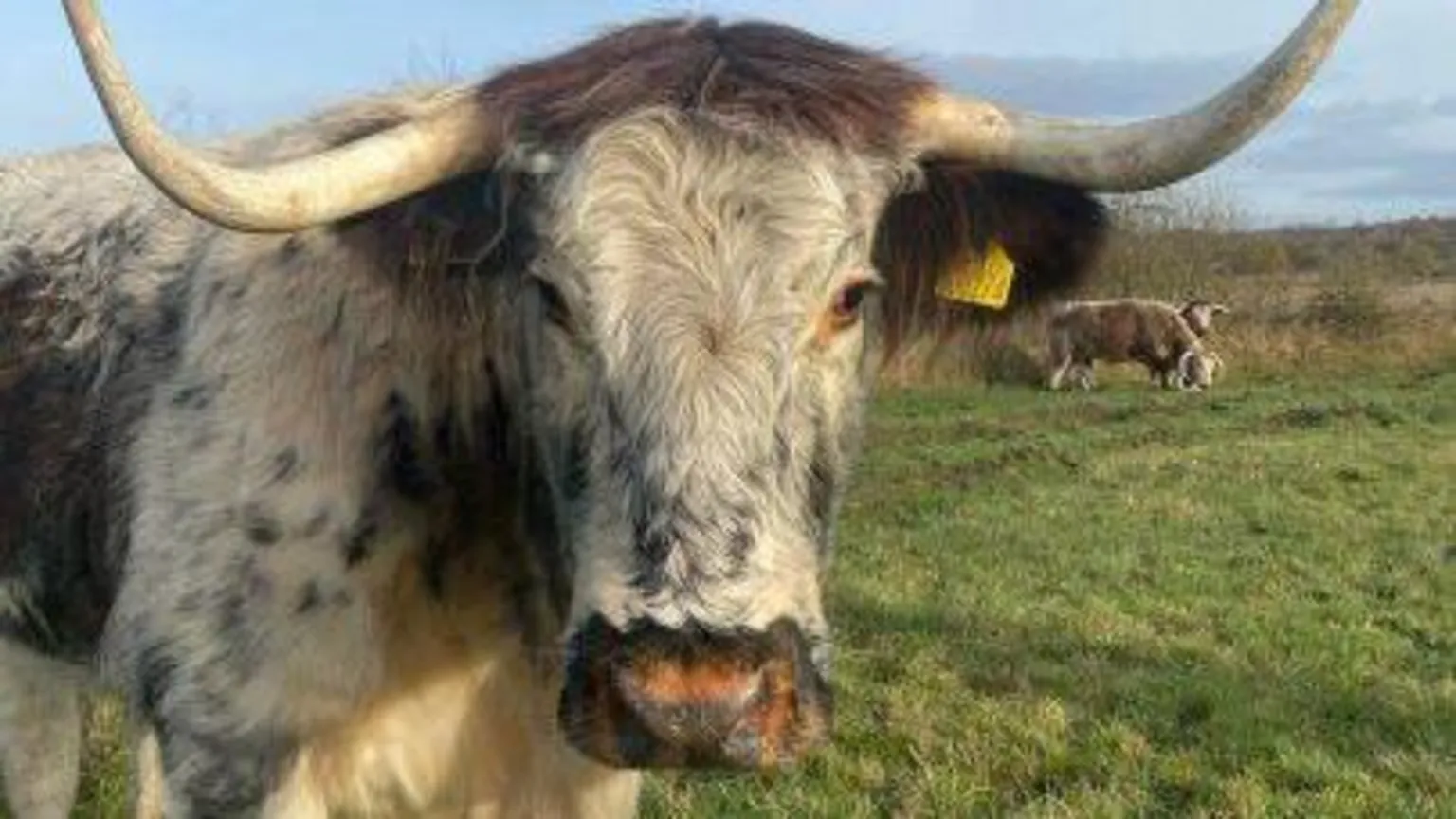
The cows were introduced to the site in November and are scheduled to remain there until April as part of a trial conducted jointly by the National Trust and the Lancashire Wildlife Trust.
Innovative Grazing Methods Using Virtual Fencing
Lucy O'Reilly, conservation grazing officer at Lancashire Wildlife Trust, explained that the cows had come to Merseyside for a "winter holiday."
"This is a site that we haven't grazed previously because of the lack of physical fences,"
she said.
"So the virtual fencing has allowed us to open up new areas that we wouldn't previously have been able to have conservation grazing on.
You'll see that all of our cattle are wearing a collar around their necks that looks a bit like an alpine bell.
What this does is it keeps them within a virtual fence that allows them to graze different areas that we wouldn't be able to without with physical fences."
"It keeps them within a boundary with the help of audible cues that they understand when they hear that that they're to stop and turn around."
Grazing Behavior and Environmental Benefits
While each species of cattle grazes differently, this particular herd specializes in rough grazing. They tear up chunks of vegetation by wrapping their tongues around it and pulling it out of the ground to eat.

This grazing behavior results in varied grass heights and small patches of bare ground, creating an ideal environment for a range of native flora and fauna to flourish.
Additionally, the large size of the cattle enables them to trample areas of encroaching scrub, which could otherwise threaten to dominate the landscape.
Restoring Mobility to Over-Stabilized Dunes
Albert Peacock, ranger at the National Trust in Formby, commented on the historical condition of the dunes:
"Historically these dunes have become over stabilised.
This means they've had too much grass and they can't move anymore so we want them to be mobile and the cattle are helping us with that."
The hope is that the partnership between the National Trust and the Lancashire Wildlife Trust will continue well beyond the conclusion of this trial.
For more stories from Cheshire, Lancashire, Greater Manchester, and Merseyside, visit the BBC website, watch BBC North West Tonight on BBC , and follow BBC North West on X.