

Transformation of Honeygar Farm into Peat Research Hub
A former dairy farm is set to be transformed into an internationally recognised centre for research focused on the restoration of lowland peat bogs.
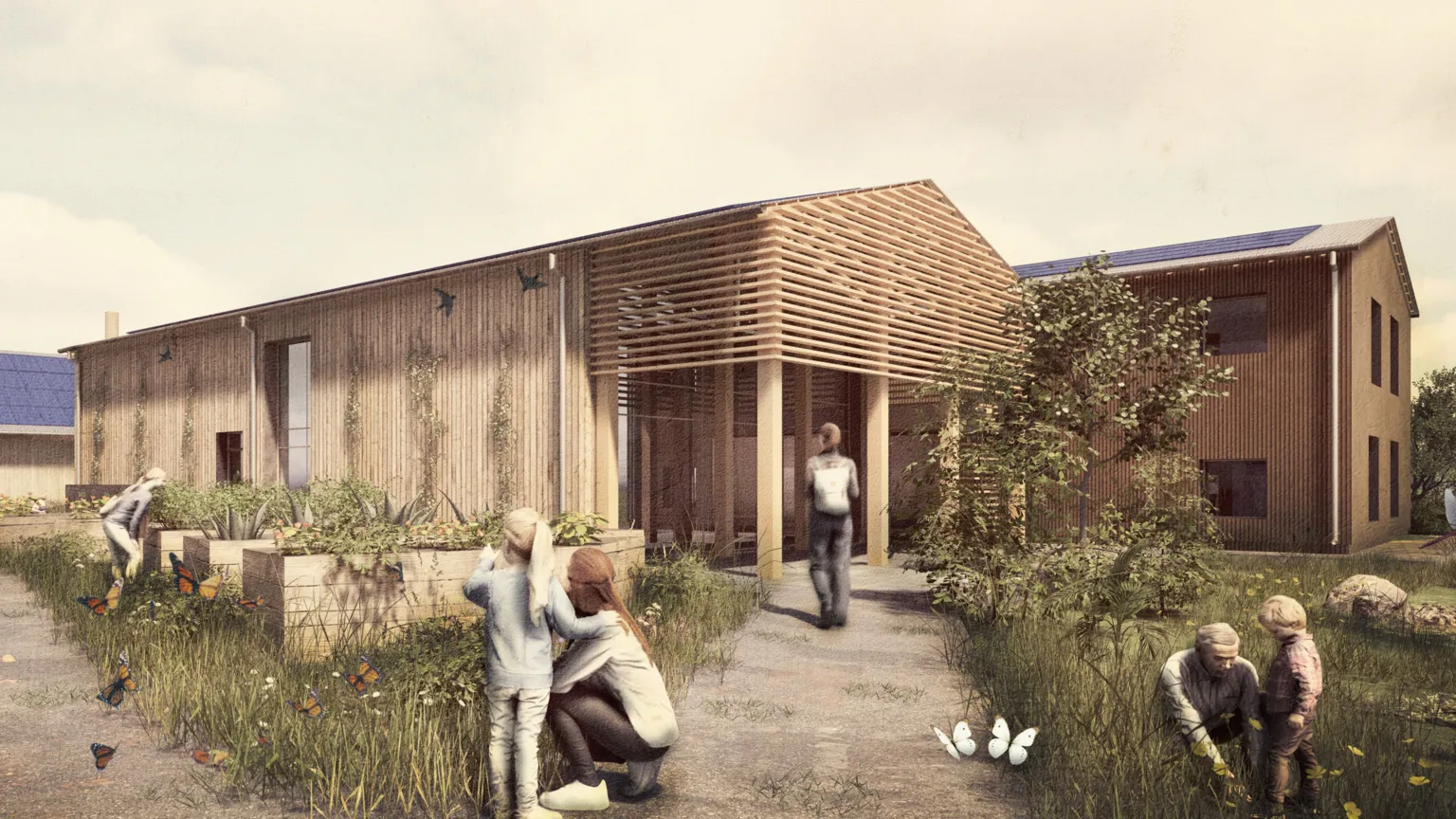
Somerset Wildlife Trust has submitted a planning application to convert and redevelop the existing farm buildings at Honeygar Farm, located in Westhay.
The land, situated on the Somerset Levels and Moors, is one of the few remaining areas in the UK that contains deep lowland peat, which are waterlogged wetland ecosystems.
Significance of Lowland Peatlands
Georgia Dent, CEO of Somerset Wildlife Trust, highlighted the potential of the research project to address challenges such as climate change adaptation and water quality improvement.
"We want Honeygar to become an internationally recognised hub for research, innovation, and collaboration," Dent said.
Since acquiring the site in 2021, the trust has been facilitating natural recovery through low-intensity grazing and stabilising water levels to support peatland restoration.
Lowland peatlands, which occur at altitudes below 150 meters, develop over thousands of years as dead plant material accumulates in waterlogged, acidic conditions.

According to the United Nations, peatlands cover just 3% of the earth's land surface but store more carbon than all the world's forests combined.
Despite their importance, most research and restoration efforts have historically focused on upland peat sites.
Honeygar Farm offers a rare opportunity to generate robust, real-world evidence on managing lowland peatlands in ways that support wildlife, sustainable land use, and local economies.
Vision and Collaboration
"We know how important and precious peatlands are, and that sensitive management can help find solutions to some of our biggest challenges such as adapting to climate change and improving water quality.
Honeygar will bring researchers, academics, land managers and conservationists together with businesses, land agents and other professionals to collaborate, share learning and rise to the challenges we face locally and nationally."
Planning Application Details
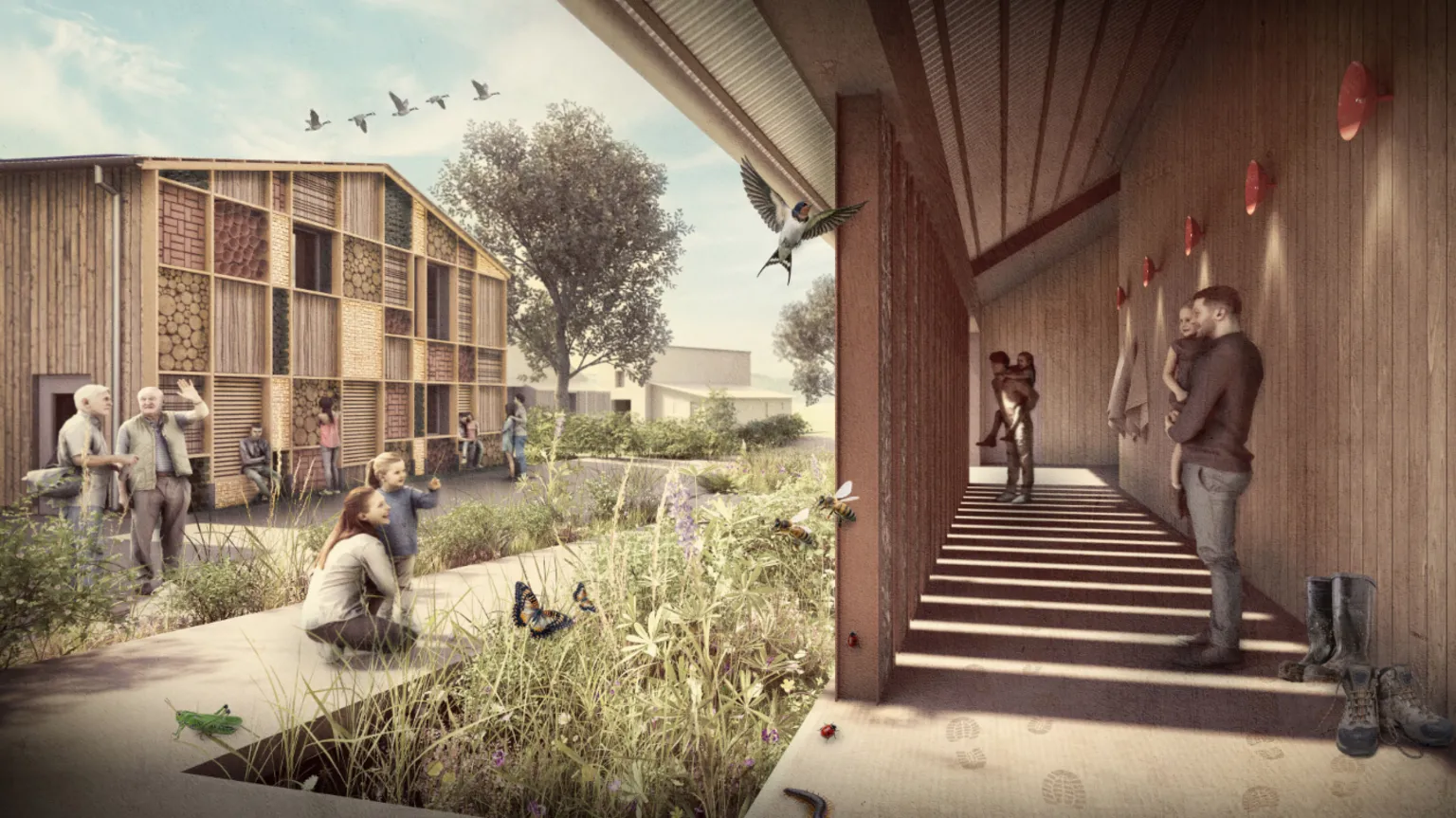
The planning application also proposes public access along a circular walk, viewing areas, public toilets, spaces to hire, and restoration of the existing orchard.
The plans include energy and water-efficient buildings designed to withstand flooding, power outages, and increasing temperatures.
The proposals will now be reviewed by the local planning authority as part of the statutory planning process.
For further updates, follow BBC Somerset on Facebook and X. Story ideas can be sent via email or WhatsApp on 0800 313 4630.


