Who Should Pay on a First Date?
Few topics provoke as much debate as who should pay on a first date. Asking a group of friends often yields a variety of opinions. Some argue the bill should always be split equally, others believe the person who initiates the date should cover the cost, and despite evolving views on gender roles, many still regard a man paying as a romantic gesture rather than an outdated custom.
With cocktails frequently exceeding £15, restaurant expenses rising, and many people monitoring their budgets carefully, even a casual night out can become costly.
Research from Barclays in 2025 indicates that adults across the UK spend over £111 monthly on dates and dating apps, amounting to more than £1,300 annually.
For those under 30, cost is a significant barrier; over half of Gen Z adults feel that expenses affect their ability to go on dates.
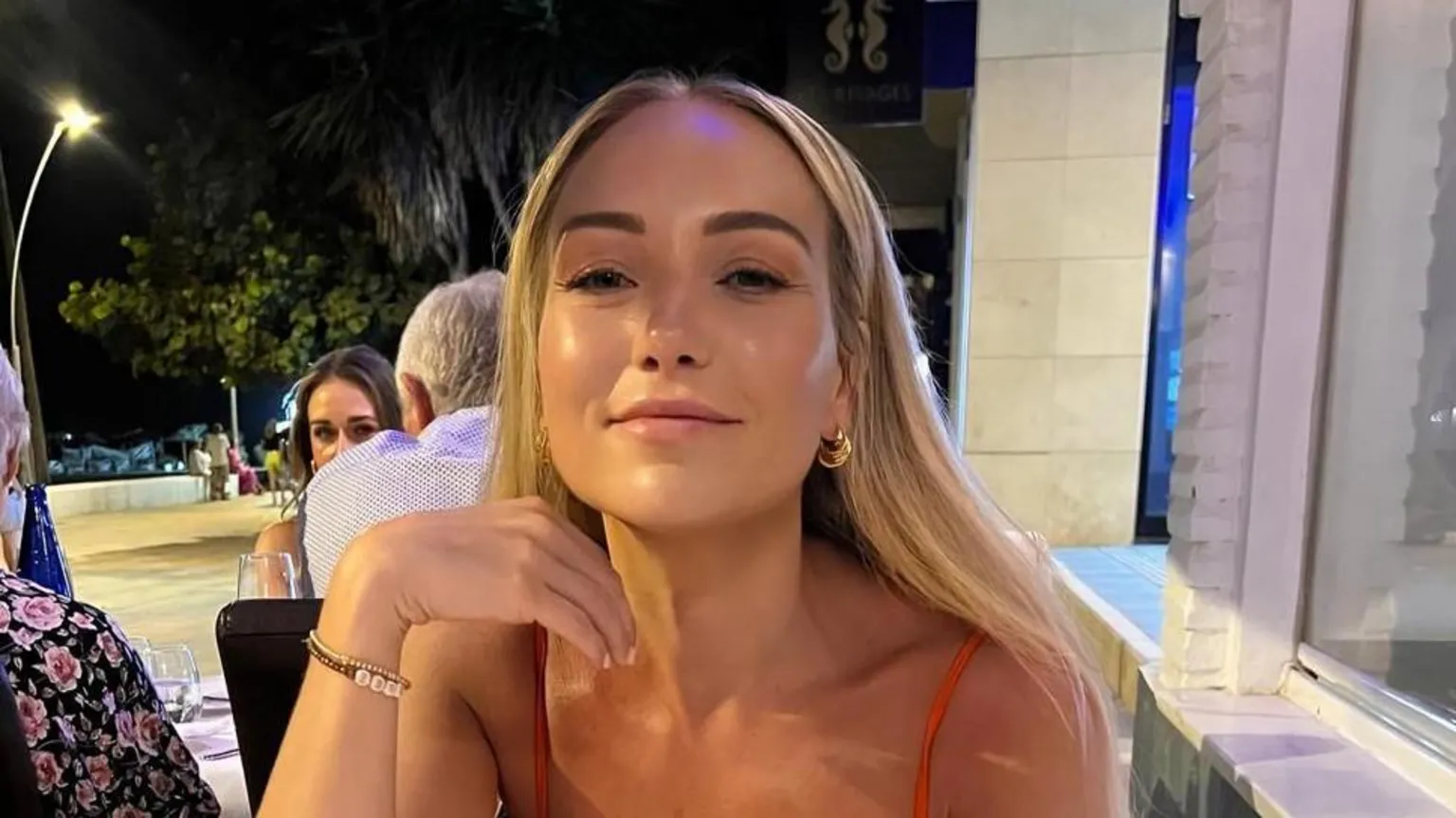
Jennifer Read-Dominguez: Whoever Asks Should Pay
Jennifer Read-Dominguez, a digital editor who is currently single, believes that the person who asks for the first date should be prepared to pay.
"Women can absolutely foot the bill themselves but that's not the point."
"Sometimes it's nice to take a step back from always being the one making decisions and simply enjoy feeling feminine and being looked after."
For Jennifer, a man paying on a first date is not about dependence or inequality but rather about "effort and keeping some traditional gestures alive in modern dating."
She emphasizes that the amount spent is less important than the thought behind it, and she would be equally happy with a fast-food outing as with a high-end restaurant, provided it is "within their means."
Jennifer recounts a date where a man took her to an expensive restaurant but complained about the cost and suggested splitting the bill. When his card declined, Jennifer ended up paying for the entire meal.
"He said he'd pay me back, but he never did. I could afford it, but that's not the point."
"I think he assumed I'd simply absorb the cost and I did but I felt used."
This experience left her feeling taken advantage of.
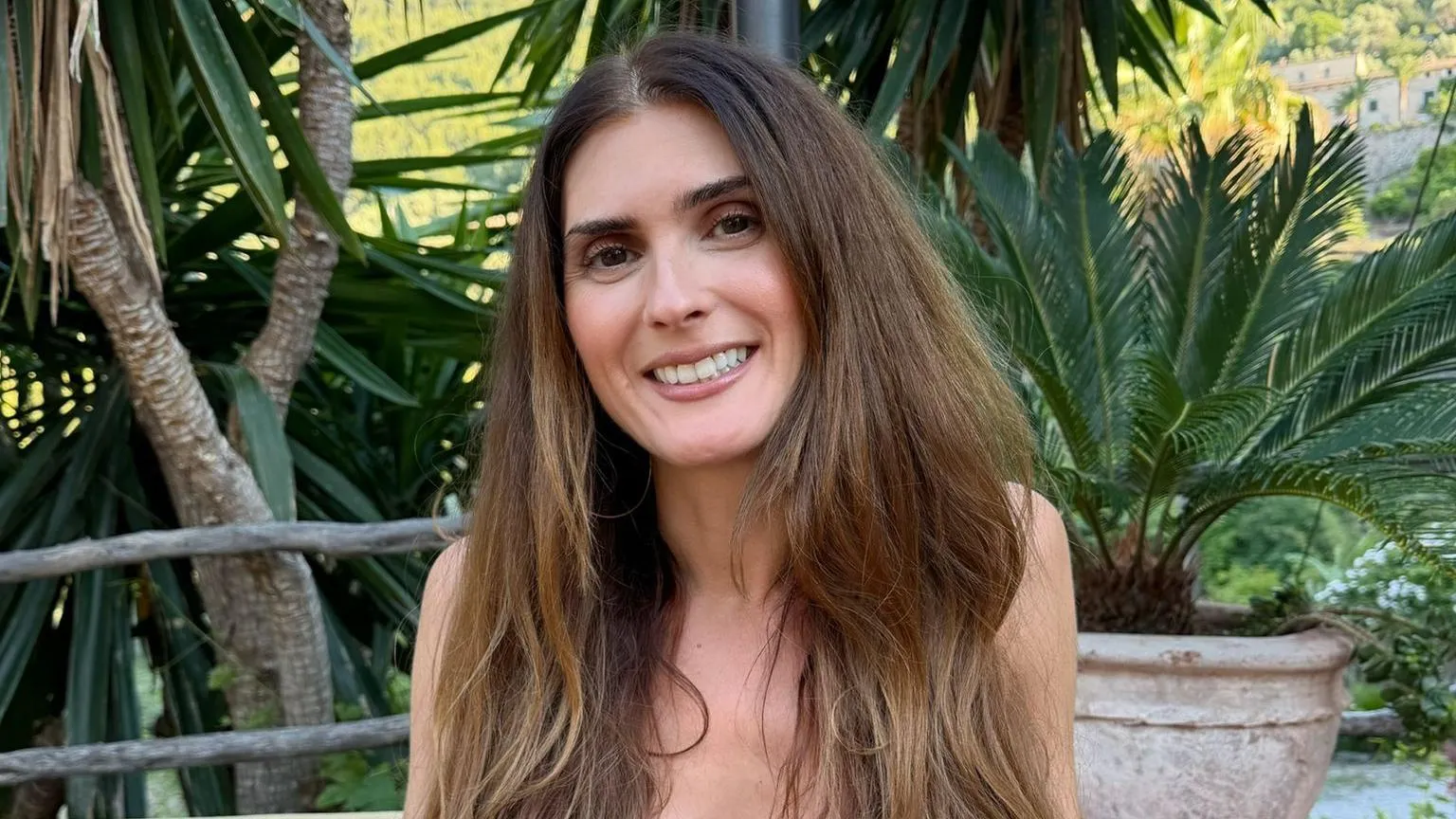
Yasmin El-Saie: Paying as a Gesture of Care
Yasmin El-Saie, a content creator from London, says she would be "put off if a man expected us to split the bill on a first date."
"When a man pays, he's showing he wants his date to feel comfortable and looked after,"she explains.
"Maybe it's a double standard and down to my upbringing, but I still find it attractive."
She clarifies that she does not expect men to pay for everything; if the date continues elsewhere, she is happy to contribute.

"If he pays for dinner and we go for drinks afterwards, I'd happily get the drinks. I wouldn't want anyone to feel used."
Unusual Date Experiences: Hidden Menus and Food Sticks
Yasmin recalls a memorable date with a recent divorcee who was intent on keeping finances strictly separate. They went to a buffet restaurant where diners pay according to the number of food sticks they collect during the meal.
"He spent the whole evening holding onto his sticks to make sure they didn't get mixed up with mine,"she says.
On another occasion, Yasmin describes a date where a man picked her up in his Porsche. She assumed they would have drinks before dinner, but he took her directly to the restaurant to take advantage of an early-bird deal and even hid the à la carte menu upon arrival.
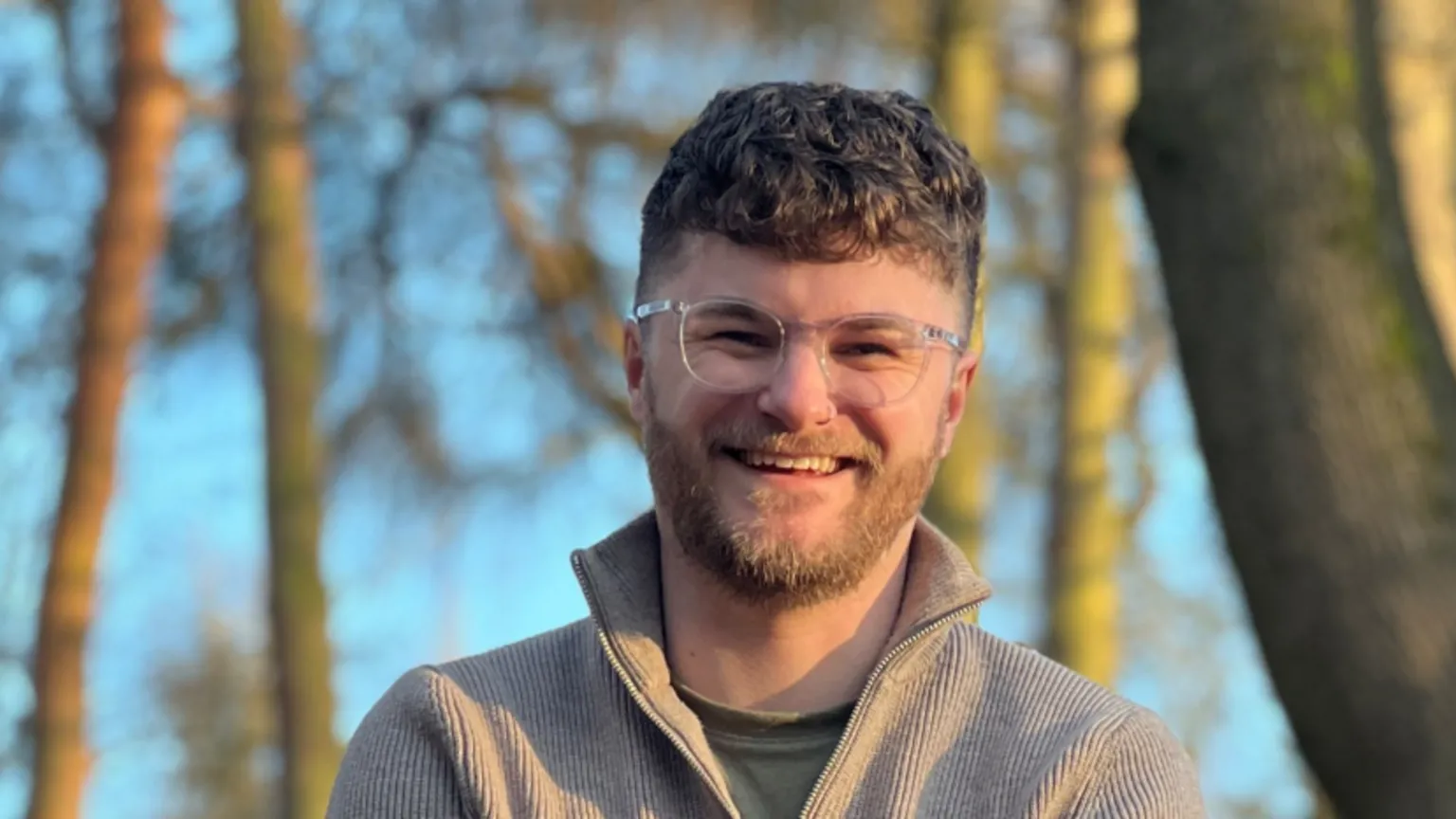
Jamie Rutter: Communication Over Tradition
Jamie Rutter, 32, who works in finance, believes clear communication is more important than adhering to rigid rules about who should pay.
"As a queer person it can get confusing because you don't have those traditional expectations around who should pay,"he says.
"My view is that if I ask someone out, I expect to pay. If they ask me out, I'd go in expecting to pay my half."
Jamie has become more conscious about his finances in recent years and is upfront on dates about what he can afford.
"If someone suggested somewhere expensive and it was outside my budget, I'd just be honest and suggest a different place."
He prefers a coffee and a walk for a first date, where it is easier to get to know someone, rather than dinner, which can feel like an interrogation.
One of Jamie's most memorable dates involved a man who arranged a three-course picnic prepared by a restaurant, paying in advance so there was no bill to discuss.
Not all expensive dates have been successful; Jamie recalls a cocktail bar date where he spent a "ridiculous amount of money" but felt no connection.
"It wasn't a bad date, it just didn't lead anywhere. But I'd suggested it, so I went in expecting to pay."
Regardless of the outcome, Jamie always offers to split the bill.
"I will always offer to split the bill regardless of whether I want to see them again."