Music Choices for Space Missions
Techno music suits gym workouts, disco energizes club nights, and pop accompanies long drives – but what music fits space travel?
Unexpectedly, the Artemis II crew aboard NASA’s recent lunar mission have been waking up to songs like Chappell Roan's "Pink Pony Club" and "Tokyo Drifting" by Glass Animals and Denzel Curry.
"If I was to ever meet the astronauts I would want to give all of them a hug for even thinking about me,"says US rapper Curry, expressing excitement that his song reached new heights literally this week.
Curry, who has long been interested in space-themed films, hopes this space debut will give his song a "second life now" and aspires to be the first rapper to perform in space.

Historical Connections Between Space and Music
The relationship between space and music extends beyond this recent mission.
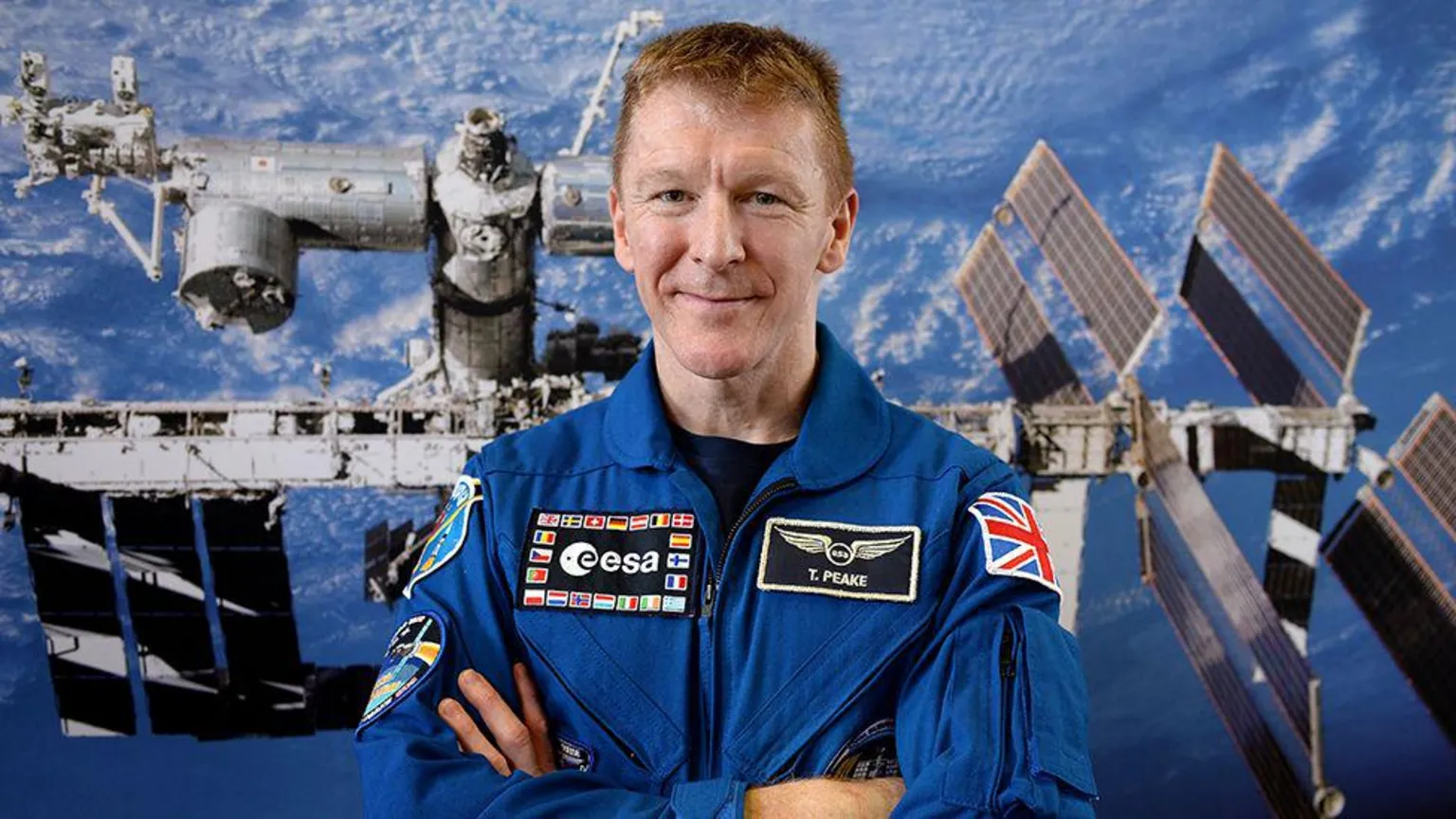
Before British astronaut Tim Peake’s 2015 journey to the International Space Station (ISS), he selected three songs for his playlist: Queen’s "Don’t Stop Me Now," U2’s "Beautiful Day," and Coldplay’s "A Sky Full of Stars."
"I wanted to have a bit of fun before launch,"Peake tells Newsbeat, emphasizing that music is "really important" in space.
"I think it gives you a connection back to Earth,"he explains.
"It reminds you of times in your life when you've heard that music. Maybe it reminds you of friends and family."
Peake describes the experience of hearing human music in space as "quite surreal."
"You look back and you see the entire planet… and that's it. That's home,"he adds.
"This lovely, beautiful, sort of blue, green, white marble in the blackness of space. So to actually have that music inside your capsule is really important to make that connection back to your loved ones."
Music’s Role in Maintaining Connection
Antonia Jaramillo, a NASA employee, highlights the significance of music in space.
"They are by themselves. They are going around the moon,"Jaramillo says from mission control in Houston.
"We all have our morning wake up routine. You have a soundtrack to get you in the zone. It's a very similar thing we're doing for our crew."
The process of delivering music to astronauts is straightforward.
"Those songs are downloaded and then with our team - the flight controllers at mission control - they are able to broadcast it to the crew. Just like how we do all the other communications with our crews in space."
The Artemis II playlist was chosen by the crew and their friends and family, combining personal favorites with meaningful tracks for the mission.
"It's been a joy to listen to."

Historical Use of Music in Space Missions
Dr Eleanor Armstrong, a space researcher at the University of Leicester, notes that playing music as a morning ritual in space dates back to NASA’s Gemini program in the 1960s.
"There's a long history of organisations, like the US Navy, using songs to start the day,"Armstrong explains.

The nine-song playlist for Artemis II is available on Spotify and includes artists such as John Legend, Queen, and David Bowie.
Astronauts have also created their own musical moments in space history.
On 16 December 1965, during the Gemini 6A mission, astronauts Thomas Stafford and Wally Schirra secretly brought a harmonica and small bells onboard.
They surprised mission control by performing "Jingle Bells," marking the first instruments played in space. These instruments are now displayed at the National Air and Space Museum in Washington D.C.
In recent years, music continues to mark significant moments in space missions.
"There's also a long history of using songs on uncrewed missions,"Armstrong says.
She cites the Voyager probe launched in 1977, which carried a disc featuring songs and sounds representing human diversity.
Armstrong also notes that SpaceX’s Tesla Roadster, currently in space, is programmed to play David Bowie’s "Space Oddity" on loop.

Astronaut Christina Koch’s Musical Interests
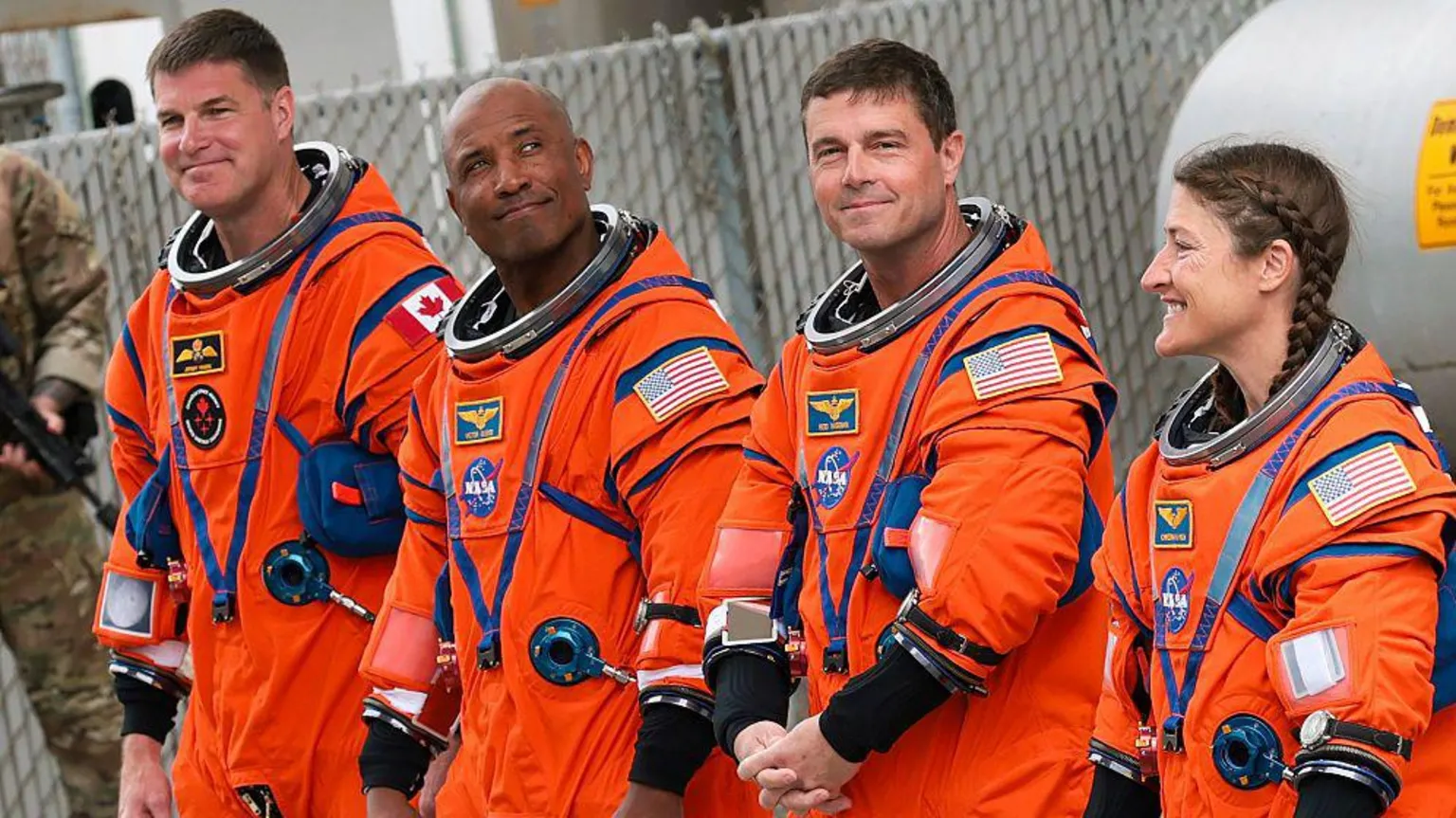
US astronaut Christina Koch, part of the Artemis II crew, has a keen interest in music in space.
Armstrong shares that Koch discovered the cassette tape played during the Apollo 11 mission and played it aboard the ISS during the 50th anniversary of the Apollo 11 landing.
During her 2019-2020 ISS mission, Koch learned to play a song on the keyboard for her husband’s wedding anniversary.
Koch and her husband also create playlists that serve as soundtracks for parts of her journey, allowing them to feel connected despite the distance.
Speaking to Canada’s Prime Minister Mark Carney recently, Koch described the wake-up songs as "absolute perfection," though she was disappointed that "Pink Pony Club" was cut off before the chorus.
"I really was just singing it all day after that,"she said.
Personal Connections to the Artemis II Playlist
Commander Reid Wiseman shared that "Tokyo Drifting" reminded him of his family.
"A song that my daughters and I listen to when we go on our annual vacation to Florida, so that meant the most to me,"he said.
Jeremy Hansen’s family suggested "Under Pressure" by Queen and David Bowie, though he mentioned his "second favourite song" will play on landing day.
Victor Glover gave his wife credit for her playlist contribution.
"[She] actually replaced one of my songs with a song by Mandisa [called] Good Morning,"he said.
"It was actually really pleasant to wake up to."
Full Artemis II Wake-Up Playlist
The complete playlist is publicly accessible, providing insight into the music that accompanies astronauts on their lunar journey.
Listen to Newsbeat live at 12:45 and 17:45 weekdays - or listen back here.