Clive Davis, Influential Music Executive, Dies at 94
Clive Davis, a seminal figure in the music industry known for shaping the careers of numerous iconic artists, has passed away at the age of 94.
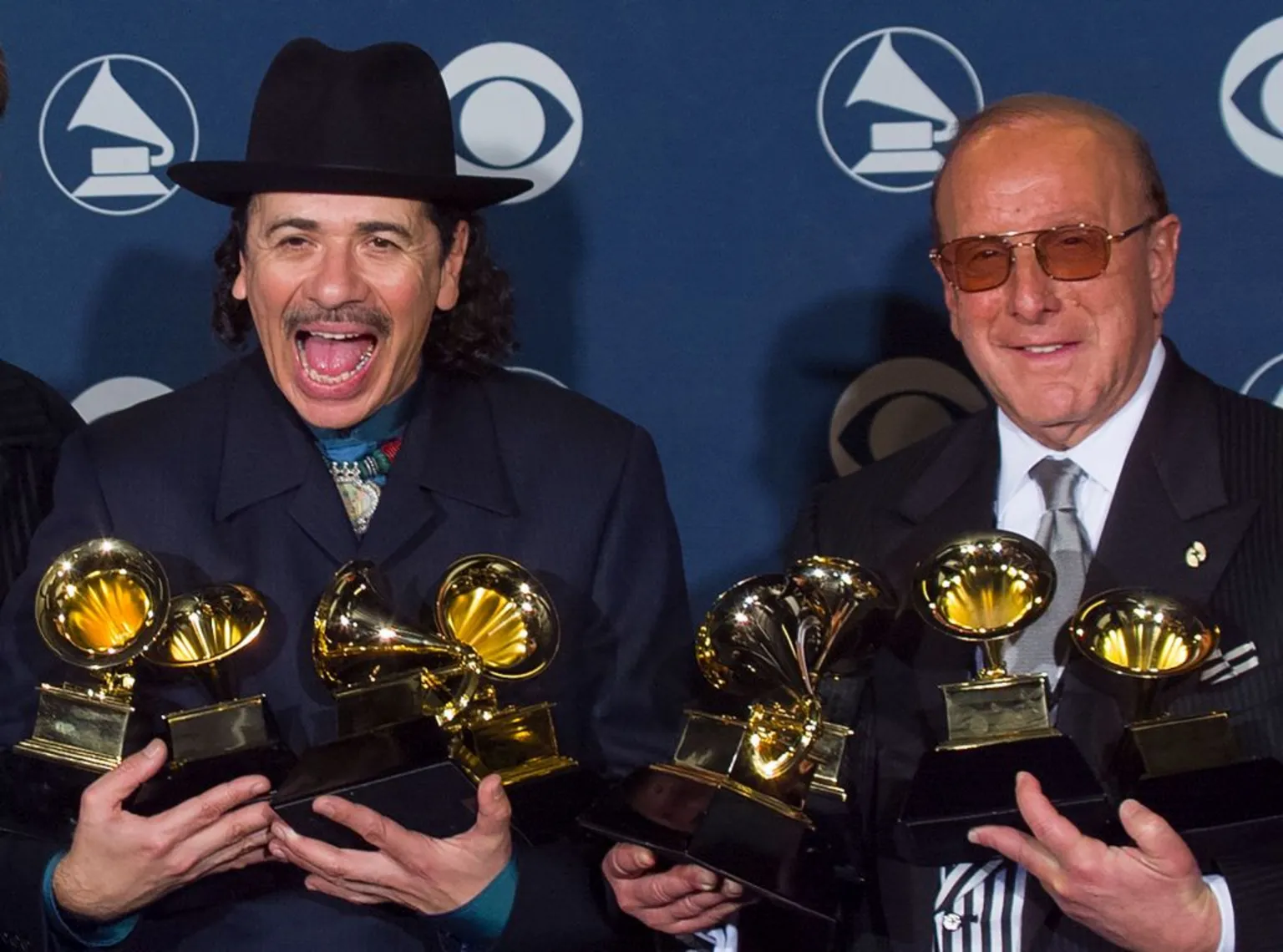
As a former head of Columbia and Arista Records, Davis was instrumental in signing and developing the careers of artists such as Aretha Franklin, Bruce Springsteen, Billy Joel, Whitney Houston, Santana, Janis Joplin, Christina Aguilera, Alicia Keys, among many others.
His family announced that Davis had recently been hospitalized due to respiratory issues and was recuperating at his home in Manhattan, New York, at the time of his death.
"To the world, our father was the iconic music legend whose vision, instincts, and relentless pursuit of excellence shaped the soundtrack of countless lives," the family stated.
"He discovered, mentored, and championed the greatest artists in modern music history, leaving an indelible mark on culture that will endure for generations.
"To his family, Clive was Dad and Granddaddy, the steady presence at the centre of our lives, the source of wisdom, strength, encouragement, and unconditional love."
Born in Brooklyn on April 4, 1932, Davis was raised in the Crown Heights neighborhood. He graduated from Harvard Law School and entered the music industry at age 28 with no prior experience, taking a position at Columbia Records. To compensate, he took night classes to learn about copyright law, contracts, and litigation.
Davis applied this legal knowledge to successfully defend Columbia against a federal antitrust lawsuit concerning its mail-order record club and managed sensitive contract negotiations with emerging stars such as Bob Dylan and Barbra Streisand.
"A Natural Ear"
He was promoted to vice president of Columbia Records in 1965 and soon after became president. During his tenure, he signed influential acts including Santana, Aerosmith, Pink Floyd, and Bruce Springsteen, revitalizing the label.
Reflecting on his talent for identifying artists, Davis said,
"I didn't necessarily have an ear, but I think I developed one.
Whether there was a natural ear that was triggered, I don't know the answer to that. But when you see a Joplin or a Springsteen, you know."
While known for supporting artists, some of his decisions were controversial. For example, after a playback session for Simon and Garfunkel's fifth album in 1970, he advised the "aghast" duo that "Cecilia" should not be the first single.
"I felt Cecilia would be a hit but Bridge [Over Troubled Water] was something more," he told Simon's biographer Robert Hilburn.
"Yes, it was a ballad; yes, it was lengthy," he added in a separate interview with the New York Times.
"But you've got to know when you have a home run. You can't play everything by the rules."
Davis's keen judgment yielded significant successes throughout his career, often driven by diligent effort. After signing Whitney Houston in 1983 when she was only 19, he spent two years searching for producers and writers who could best showcase her vocal talents.

When Houston's self-titled debut album was released in 1985, it featured three US number one singles: "Saving All My Love for You," "How Will I Know," and "Greatest Love of All." According to Sony, the album sold over 25 million copies worldwide.
Later, Davis insisted on a distinctive 40-second a cappella introduction for Houston's cover of "I Will Always Love You," despite opposition from her producer David Foster, who feared it might reduce radio play potential.
The decision proved successful, as the song became Houston's biggest-selling single, topping the US charts for 14 weeks and the UK charts for 10 weeks.
Davis also revitalized the career of Mexican-American guitarist Carlos Santana with the 1999 album Supernatural. Recognizing the importance of pop radio appeal, he encouraged Santana to collaborate with contemporary vocalists such as Lauryn Hill, Rob Thomas, and Eagle-Eye Cherry.
The album, propelled by the global hit "Smooth," sold over 15 million copies and won the Grammy Award for Album of the Year.
Throughout his career, Davis held positions at multiple record labels including Columbia, Arista, RCA, Sony, and J Records. His achievements earned him five Grammy Awards and induction into the Rock and Roll Hall of Fame as a non-performer in 2000.
In a 2016 interview, Davis attributed his enduring success to a steadfast belief in the importance of music despite industry changes.
"Music is a necessary ingredient in people's lives," he told The Talks.
"No matter what revolution is occurring in technology, it has to understand that music will not be obsoleted. People need music, and they've needed it for many years in many different ways; whether you go back to church traditions or other traditions in life.
"It's a very, very natural basic ingredient that's essential to the full enjoyment of life."