Introduction to Papas Arrugadas
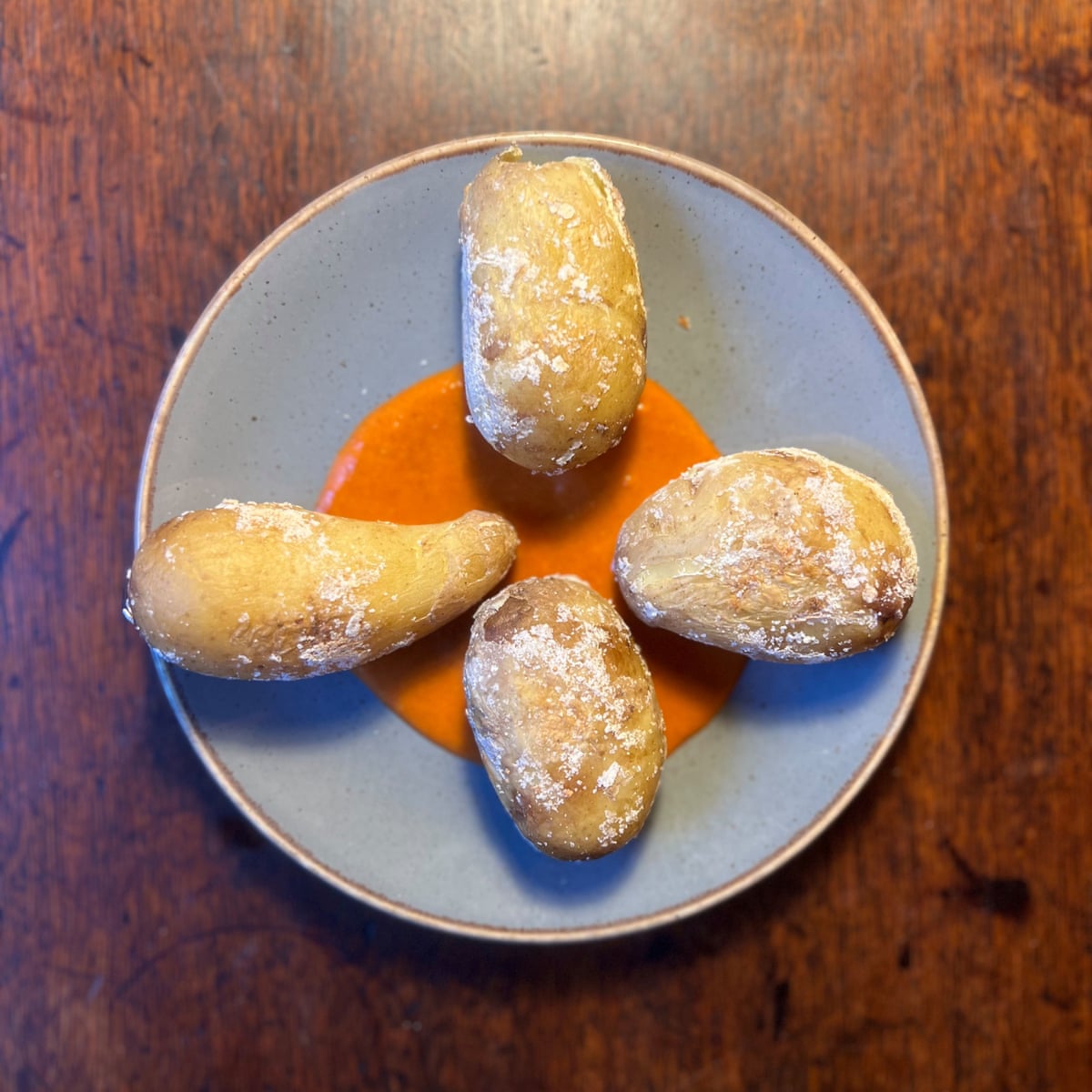
Papas arrugadas, a beloved snack from the Canary Islands, are small salt-crusted potatoes often enjoyed on their own alongside drinks. The dish’s name translates to "wrinkly potatoes," a term that may not sound appealing but reflects the unique texture achieved through its preparation. The Canary Islands have a long history with potatoes, as the first tubers to reach Europe passed through the islands from Peru. The similarity between the rocky soils of the Andes and the Canaries likely contributed to the enduring cultivation of potatoes in the region.
While many unusual early potato varieties are grown locally in the Canaries, the islands import seed and fresh potatoes from the UK, where varieties like King Edward and Arran Banner are known locally as quinegua and arambana. Historically, ships transported winter tomatoes from the Canaries to Britain and returned laden with potatoes. For this recipe, new season potatoes with thin, delicate skins and small enough to cook whole are essential. Boiled in salty water until salt crystals cling to their surface, these potatoes are served with a spicy dipping sauce reflecting Portuguese and African culinary influences, offering an excellent way to enjoy early-summer potatoes.
The Potatoes
Currently, the UK is in peak Jersey Royal season, and although these potatoes are often best served simply with butter, this method preserves their flavor while adding a distinctive texture. Choose any new season local potatoes that are small with skins delicate enough to rub off with a fingernail. Alternatively, smooth-skinned, waxy older potatoes sold as salad potatoes can be used, though they won’t wrinkle as much. The potato variety is sometimes printed on packaging, though often in very small print.
Traditionally, papas arrugadas were cooked in seawater, possibly due to fresh water scarcity in some island areas. Today, most recipes call for coarse salt. The coarse grains blend with the water differently than fine salt, which tends to create an overly salty taste. The exact reason is unclear, but it may relate to the rate at which fine salt dissolves and is absorbed. The amount of salt used can be surprising: the El Fondo para la Etnografía y el Desarrollo de la Artesanía Canaria (Fedac), an organization dedicated to preserving Canarian heritage, recommends using a quarter of the potatoes’ weight in salt. However, this author finds that 20g per kilo, as suggested by some, is insufficient. A compromise of about one-sixth the weight in salt, as proposed in the book Winter Food, is preferred here.
Ultimately, the precise salt quantity is not critical since only the salt crystals clinging to the potatoes are consumed. The salt also coats the pan. Cooking potatoes in heavily salted water imparts a creamier texture and a more intense, almost baked potato flavor. This effect, noted in tests and also observed in Colombian salt potatoes, is attributed to osmosis, where moisture moves from the potato’s interior to the saltier water outside, concentrating the flavor and altering texture.
The Method
Frank Camorra’s approach in his book Movida involves boiling potatoes with minimal salt, then sautéing them with fine salt, resulting in a dish similar to boiled potatoes but saltier. However, boiling the potatoes in salted water is essential for authentic papas arrugadas. Two main methods exist: one, advocated by Norman, Fedac, and others, involves boiling until tender, draining, then returning the potatoes to the pan over low heat to dry and coat them with salt crystals. The second, favored by José Pizarro, cooks the potatoes until the water evaporates completely, which is simpler but risks overcooking unless the pan size is ideal.
Fedac notes differing preferences: some cover potatoes with enough water to wrinkle slightly, others use less water for more wrinkling. Historically, a cabbage leaf was placed over the potatoes to trap steam, reducing water usage. Covering the pan with a cloth and lid serves a similar purpose and is recommended here. Cooked potatoes should be stored in or on cloth, optionally with a lemon slice to prevent sweating, or eaten immediately.
Mojo, meaning "marinade or sauce" in the New World but not in Spain, is integral to serving papas arrugadas. The word derives from the Portuguese "molho" meaning sauce, and some original mojo recipes, especially those with coriander, likely originated in Portugal. Papas arrugadas are commonly served with mojo picón, a spicy red sauce featuring chili, garlic, and vinegar, though mojo verde, flavored with herbs like coriander or parsley, is also popular. This recipe focuses on mojo picón.
The heat in mojo picón traditionally comes from native picona or the provocatively named pimientas de la puta madre, both difficult to source outside the Canaries. Picona, or palmera, rates between 8,000 and 20,000 Scoville heat units, comparable to or hotter than a jalapeño. Suitable substitutes include guajillo, serrano, and cayenne peppers, with cayenne powder being a common pantry staple.
Using cayenne alone lacks the fruity notes of fresh red bell peppers found in some recipes and can taste slightly sweet. A mild red chili, commonly available in UK stores, is a good alternative. Many chefs, including Camorra, Allibhoy, and Pizarro, add sweet smoked paprika for color and flavor; Camorra also adds hot smoked paprika, though this is optional given the cayenne. Cumin is another frequent ingredient, toasted for enhanced flavor, providing an earthy undertone that complements the garlic, which can be used in generous amounts—Fedac’s recipe calls for six cloves. Vinegar varies: Camorra uses sherry vinegar, while Allibhoy recommends any vinegar except balsamic or malt, which may impart undesirable flavors.

Traditionally, vinegar-soaked bread thickened the sauce, but a thinner consistency is preferred here to complement the potatoes. Olive oil is standard, though a neutral oil can suffice due to the strong flavors. The sauce ingredients are soft enough to be prepared using a pestle and mortar or a mini chopper.
Papas arrugadas make an excellent starter or snack and pair well with simply grilled meats or fish. When serving fish, a mojo verde may also be offered.
Perfect Papas Arrugadas Recipe
Prep: 10 minutes
Cook: 20 minutes
Serves: 4
Ingredients:
600g small new potatoes, uniform size
100g coarse sea salt
For the mojo picón:
1 tsp cumin seeds
1 pinch salt
3 garlic cloves, peeled and roughly chopped
1 mild-medium red chili, stalk, pith, and seeds removed, flesh roughly chopped
1 tbsp sweet smoked paprika
¼–½ tsp cayenne pepper, to taste
50ml vinegar (not balsamic or malt)
150ml olive oil or neutral oil
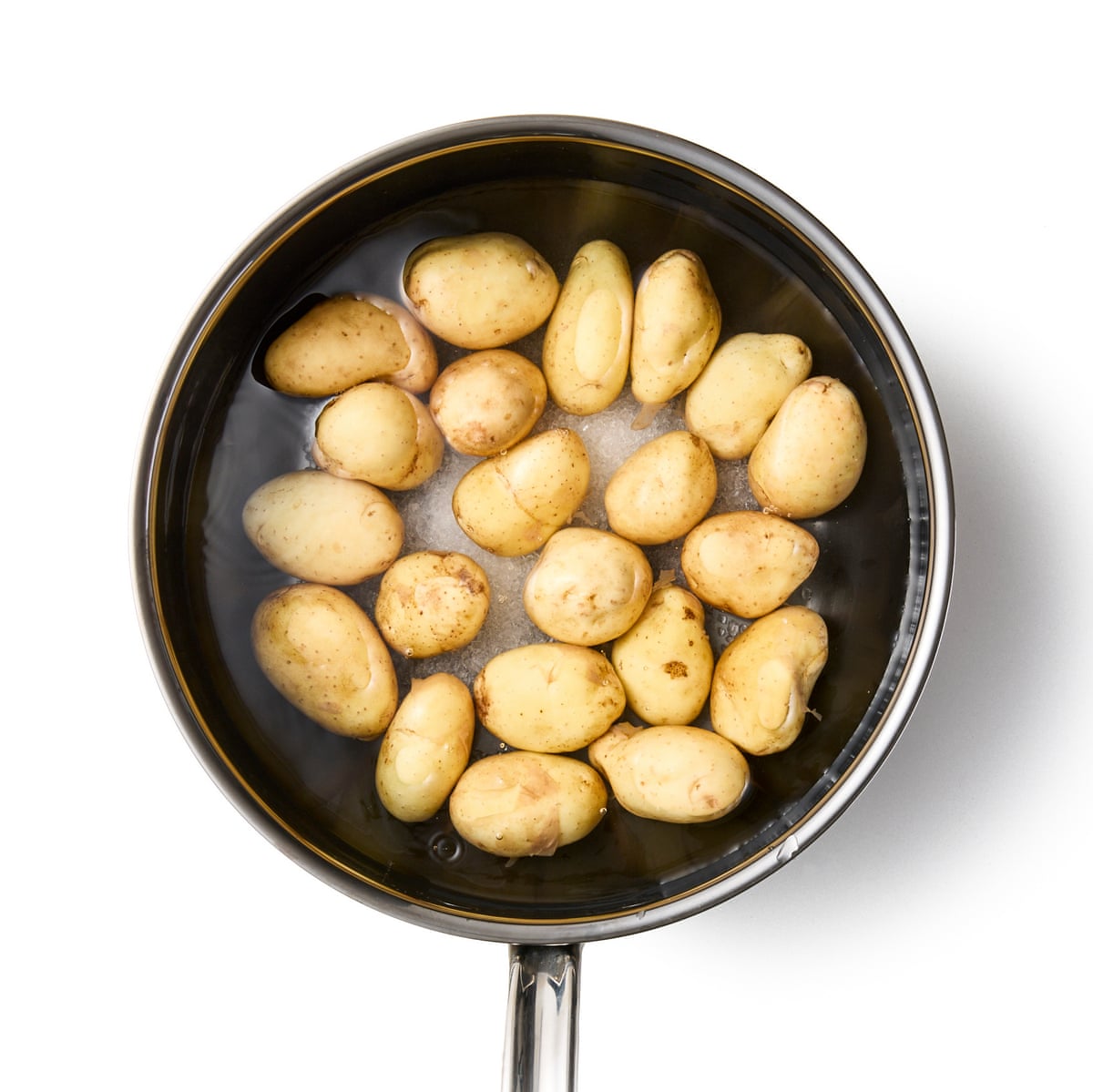
Scrub the potatoes if needed but do not peel. Place them in a wide pan just large enough to hold them in a single layer. Add the coarse salt and almost cover with cold water.
Cover the potatoes with a clean cloth or a large cabbage leaf, then place the lid on the pan. Bring to a boil, reduce heat, and simmer for 15–25 minutes until tender.
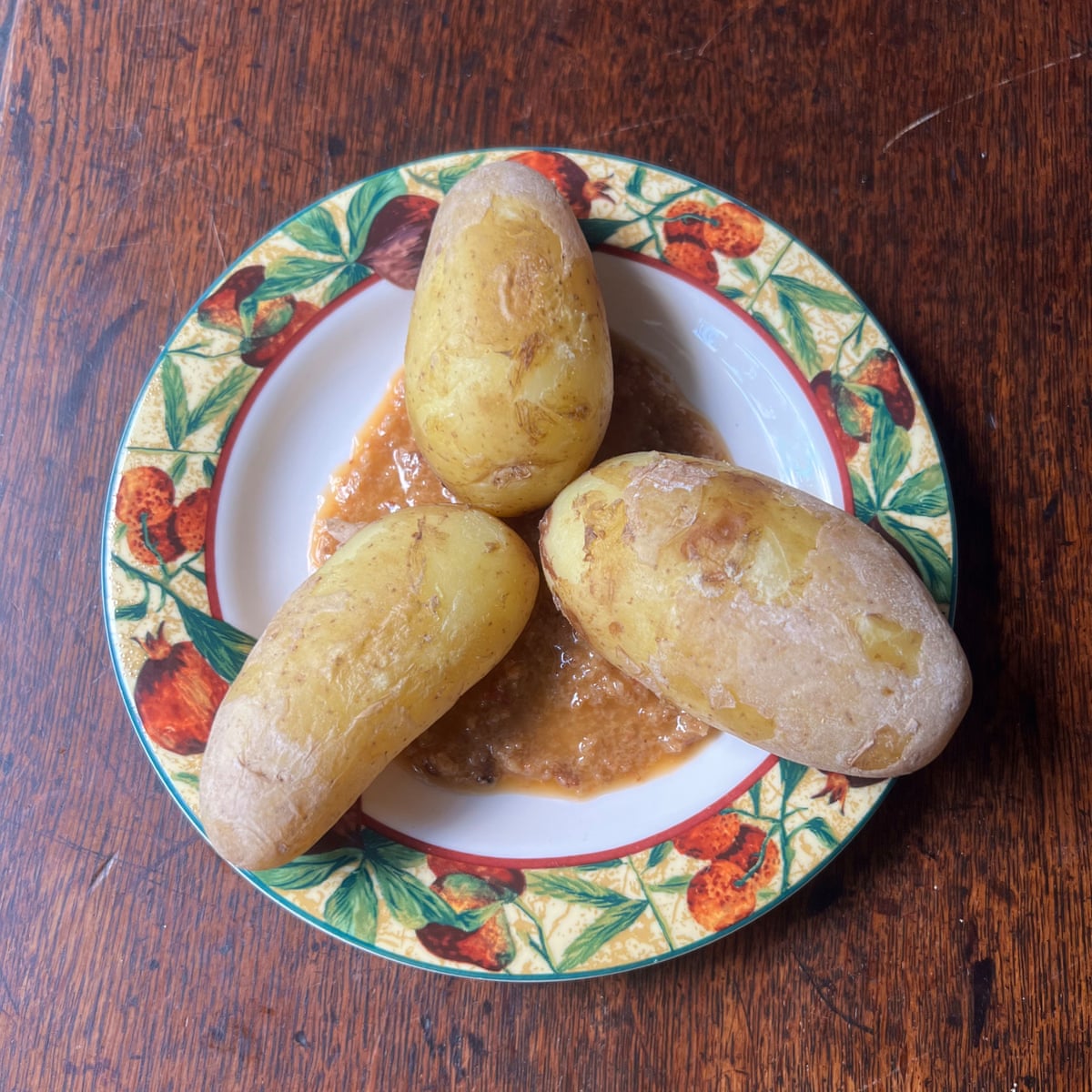
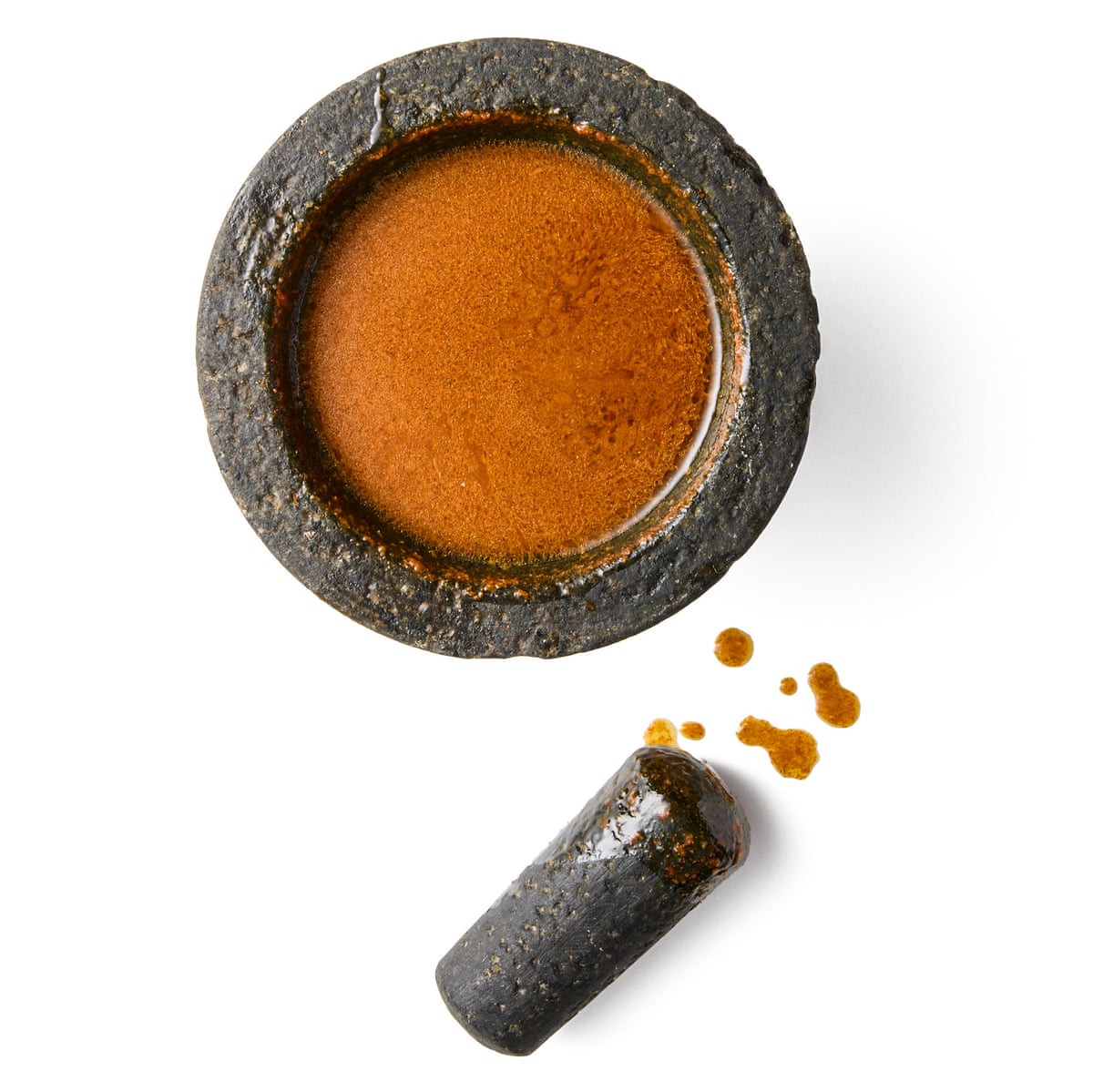
While the potatoes cook, prepare the mojo. Toast cumin seeds in a dry pan until fragrant, then grind with a pinch of salt. Using a pestle and mortar, pound the garlic into a paste, then do the same with the chili. Add paprika, cayenne (starting with a quarter teaspoon), and vinegar. Gradually beat in the oil until well combined. Adjust seasoning to taste, considering the saltiness of the potatoes. Alternatively, use a mini chopper or stick blender to blend all ingredients.
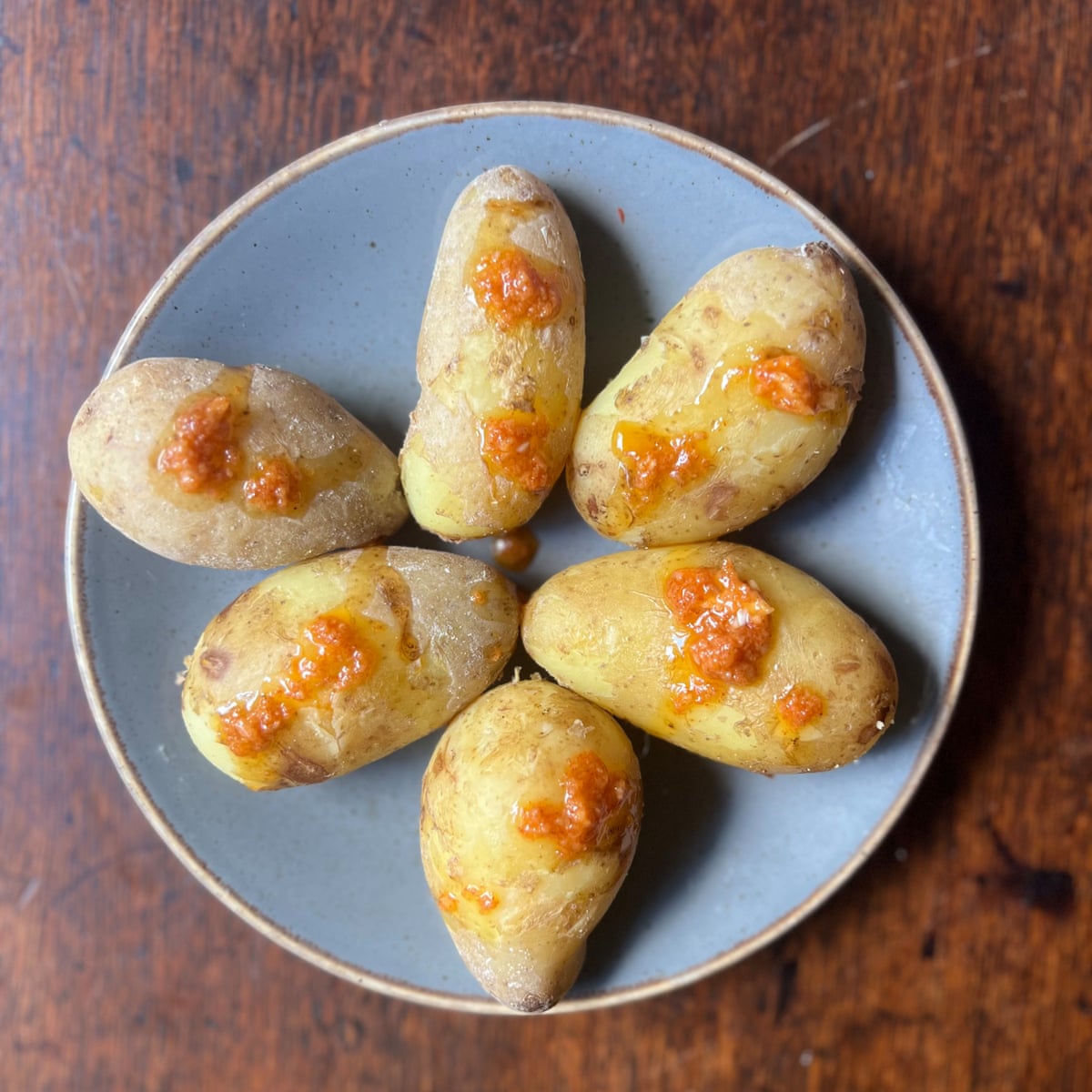
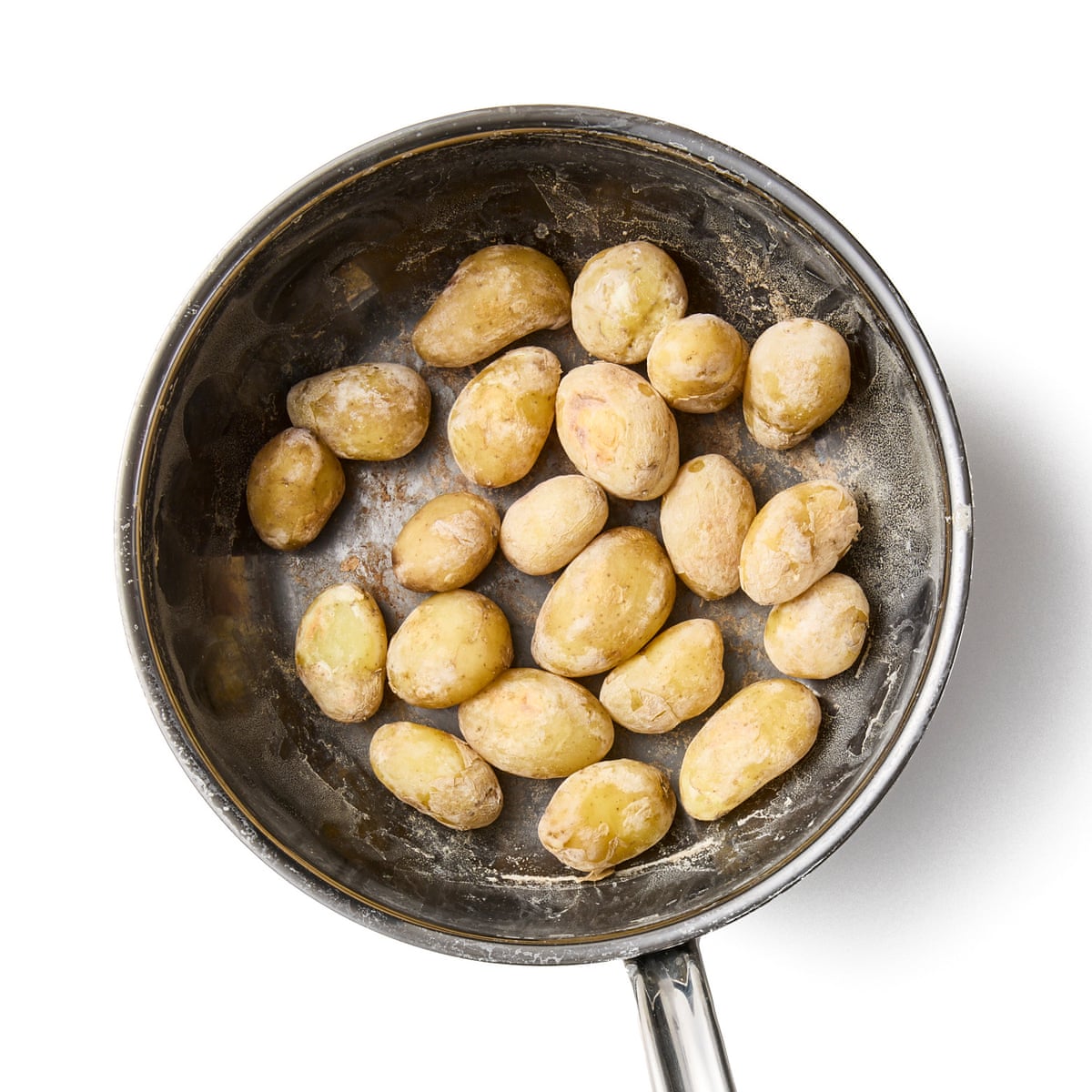
Drain the potatoes and return them to the pan over low heat. Shake the pan to prevent sticking and cook until the potatoes are coated with salt crystals. Serve immediately with mojo or keep warm wrapped in a tea towel until ready to eat.
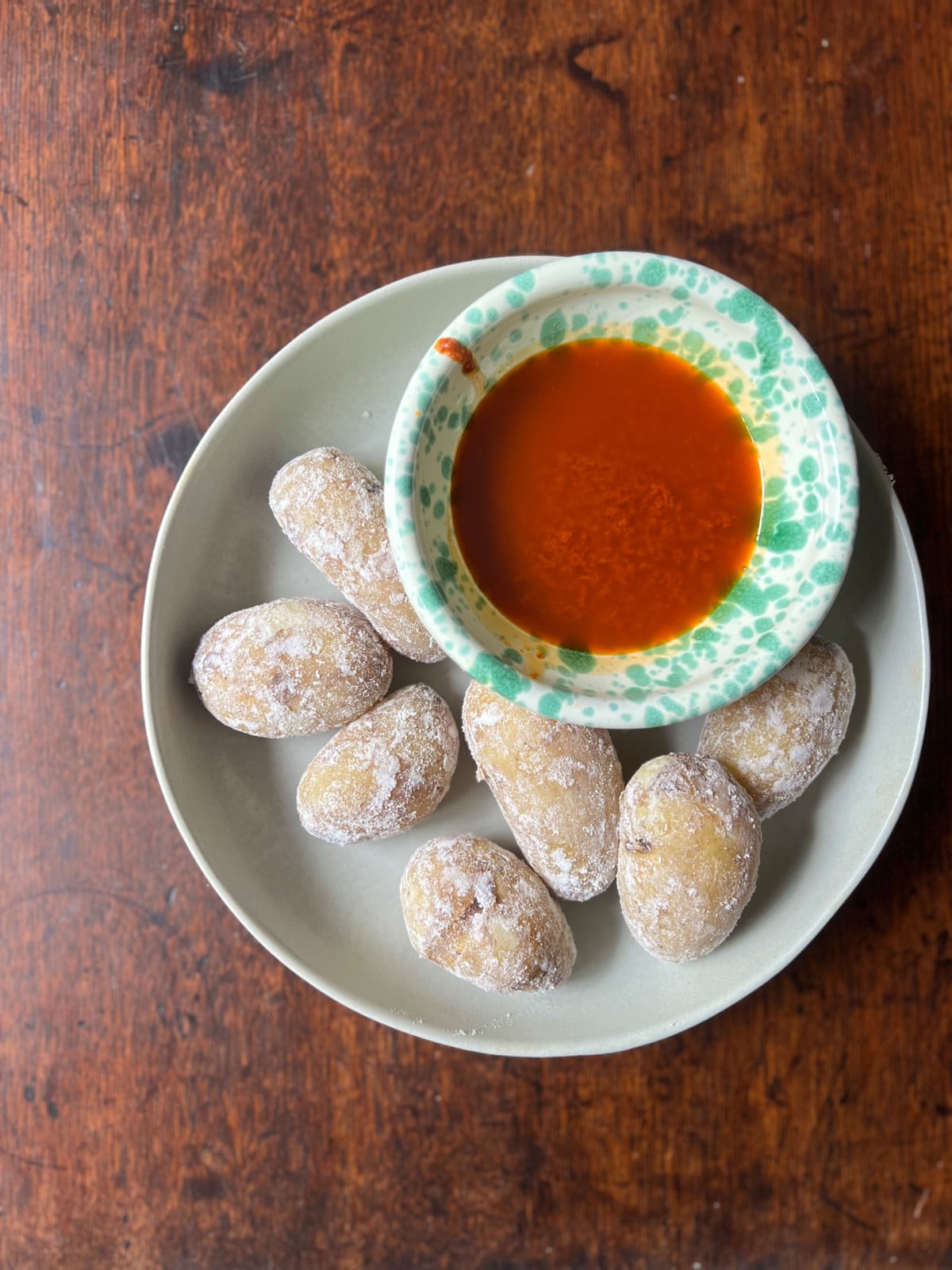
Have you tried papas arrugadas in the Canary Islands or elsewhere? Do you find them too salty or a delightful treat? Which other mojos do you recommend? (Note: ketchup is not a mojo.)