Celebrating Marilyn Monroe’s Centenary with Two Major Exhibitions
Often remembered primarily as a sex symbol or a tragic figure surrounded by scandal, Marilyn Monroe was a far more subversive and multifaceted artist, as highlighted by two exhibitions marking what has been dubbed “the summer of Marilyn.”
To commemorate the 100th anniversary of her birth, leading British cultural institutions are celebrating Monroe not only as an iconic performer but also as a woman of sharp comic intelligence, a strategic architect of her own public image, and a trailblazer who transformed female stardom in cinema.
A comprehensive two-month season at the British Film Institute (BFI) will revisit Monroe’s extensive filmography, while the National Portrait Gallery will present a landmark exhibition exploring the construction of her image.
“Marilyn Monroe was quite possibly the biggest star cinema ever saw and will ever see,”said Kimberley Sheehan, the BFI’s lead programmer and curator of the season.
“She was the original triple threat and deserves much credit for crafting her own image and stardom.”
Marilyn Monroe: Self Made Star opens on 1 June and runs through the end of July. The season showcases Monroe’s most celebrated performances across three thematic strands: Star Attractions, featuring musicals and comedies; Dramatic Turns, focusing on her serious roles; and Scene Stealers, highlighting smaller but pivotal appearances.
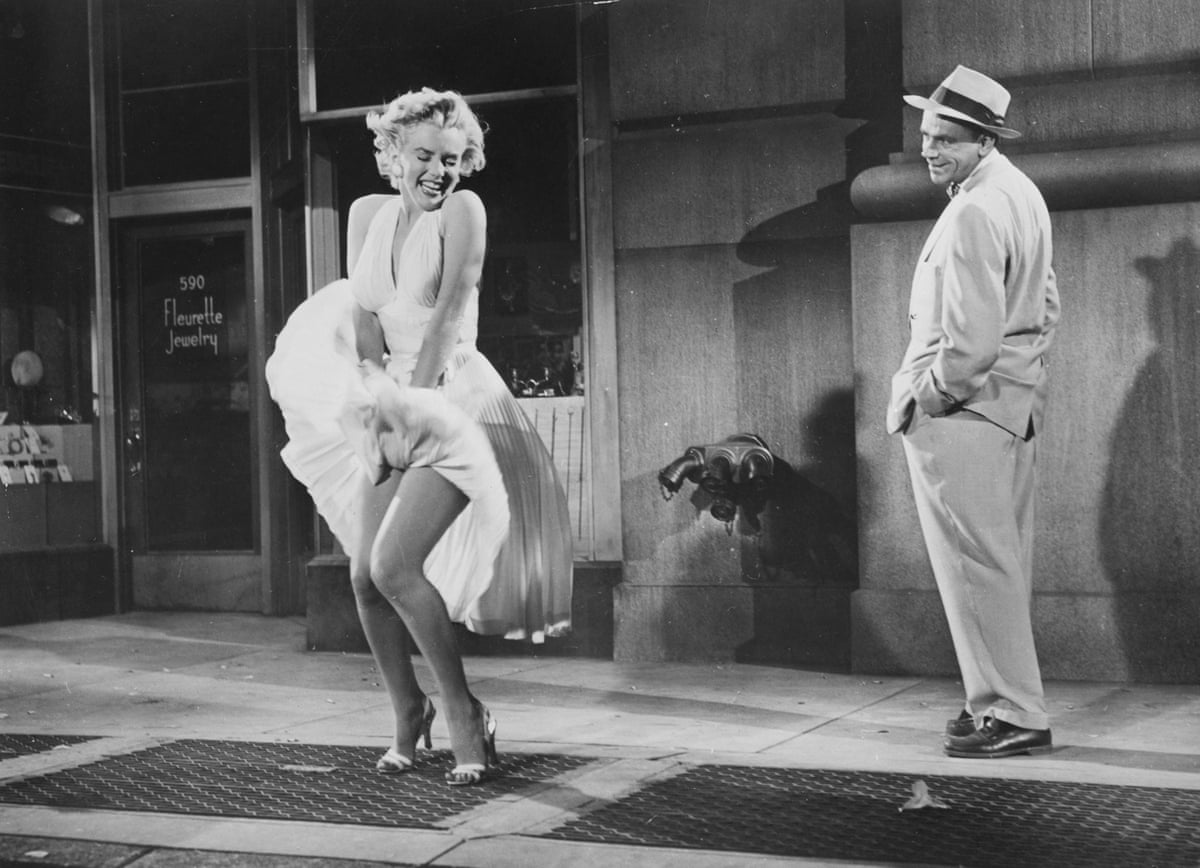
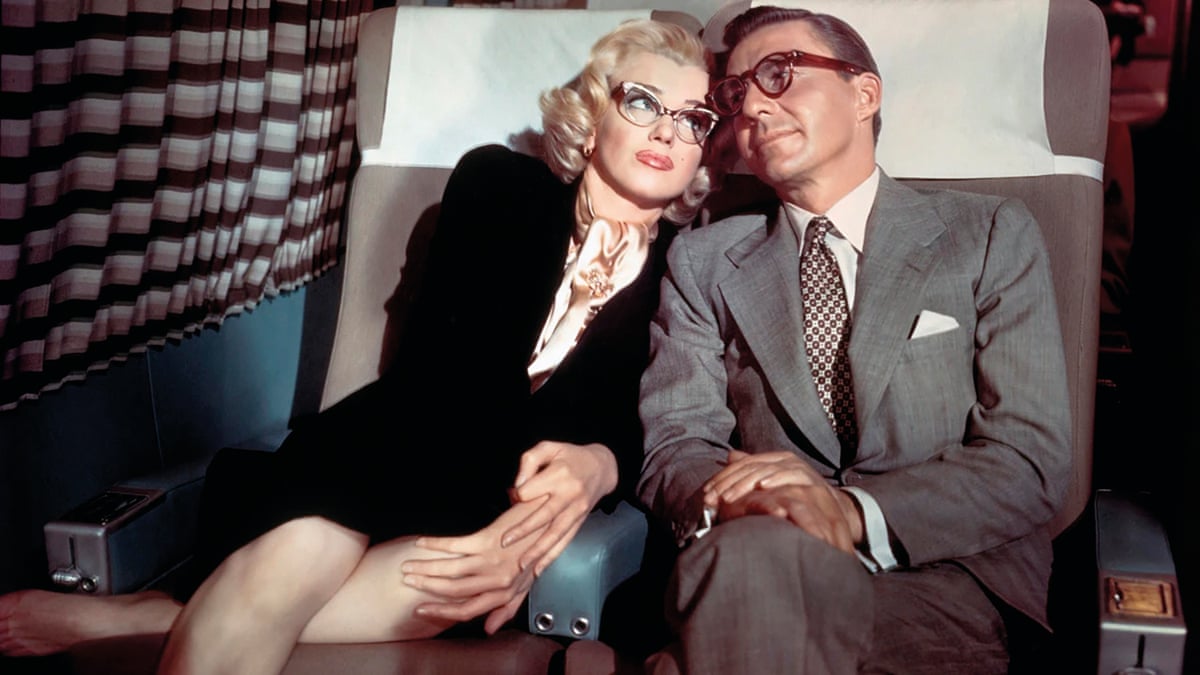
“I hope audiences come to discover or rediscover the dynamite presence she brings to films like Gentlemen Prefer Blondes and How to Marry a Millionaire, as well as the heartbreaking depth of The Misfits. Even smaller roles, with scene-stealing turns in Clash by Night and All About Eve, reveal the range and nuance she possessed,”Sheehan explained.
From her first major role in Ladies of the Chorus (1948) to her final unfinished project Something’s Got To Give (1962), Monroe collaborated with some of Hollywood’s most renowned directors and actors. Her career spanned from effervescent comedies to increasingly complex dramatic performances.
The BFI emphasizes that the season encourages audiences to look beyond the myth and reassess Monroe as a pioneering creative force: a dynamic performer who challenged the studio system, protested against poor-quality scripts, and notably became the first woman since the silent era to establish her own production company.
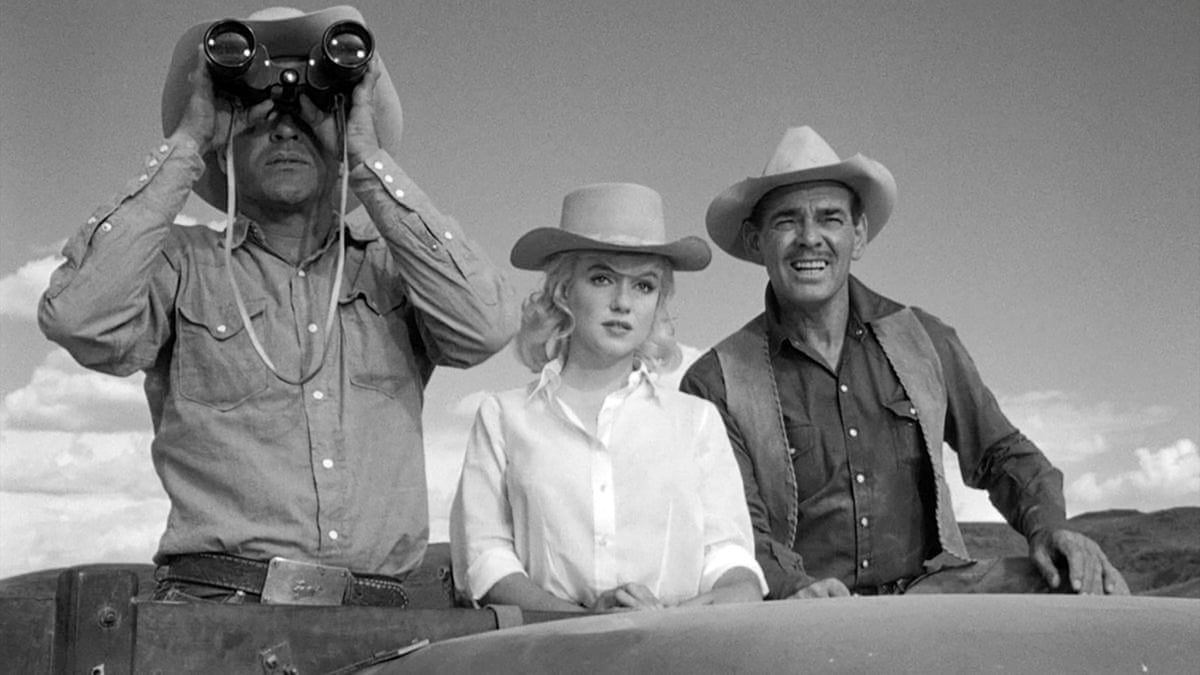
Central to the celebration is the BFI Distribution’s re-release of The Misfits (1961), Monroe’s final completed film, which will be shown in cinemas across the UK and Ireland. Directed by John Huston and written by Monroe’s then-husband Arthur Miller, the film tells the story of drifting cowboys and fractured relationships set in the Nevada desert. Monroe stars opposite Clark Gable as a newly divorced woman who falls for a disillusioned cowboy.
“To many audiences, Monroe is an icon first and a performer second,”Sheehan noted.
“They’ll know the image, the gossip, the tragedies, but they might not know the films. I think it’s really important to revisit them, particularly now, when her image is endlessly commodified – even used as one of the most common prompts in AI-generated images. When you come back to the films, you see the real human performer.”

Marilyn Monroe: A Portrait at the National Portrait Gallery
Running from June to September, Marilyn Monroe: A Portrait at the National Portrait Gallery brings together works by some of the most celebrated artists and photographers of the 20th and 21st centuries, including Andy Warhol, Pauline Boty, and Richard Avedon.
The exhibition examines Monroe’s role in shaping her own image and her enduring influence on visual culture. It features previously unseen photographs from Life magazine—intimate portraits taken by Allan Grant at Monroe’s Brentwood home in Los Angeles the day before her death in August 1962.
Born on 1 June 1926, Monroe remains a defining figure in popular culture. From early pin-up photographs taken when she was a young model named Norma Jeane to the final images captured in 1962, she was among the most photographed individuals worldwide.
The exhibition highlights Monroe’s collaborative approach to image creation and her exercise of creative control—not only performing for the camera but also directing shoots and vetoing images she disliked.
“One of the greatest things she ever did was create the persona of ‘Marilyn Monroe’,Sheehan said,
“but it was also one of her biggest challenges, because she spent much of her later career trying to break away from it. She wanted to reinvent herself – something that just wasn’t done in the 1950s.”
Drawing a parallel to contemporary stars, Sheehan continued:
“Now there are figures like Taylor Swift, who has her eras, or Madonna, who was a trailblazer in reinvention. Marilyn attempted that when she set up her production company but people didn’t understand it, they ridiculed her.”
“We’ve come a long way, but there’s still further to go,”Sheehan added.
“If Marilyn was around today, she could have been a Margot Robbie – someone with huge capital in her image, but also a terrific performer and a smart, active producer. I’d like to think that, if she’d lived longer, she would have had more of a chance.”